Ache in Gums: Possible Causes and When to Seek Care
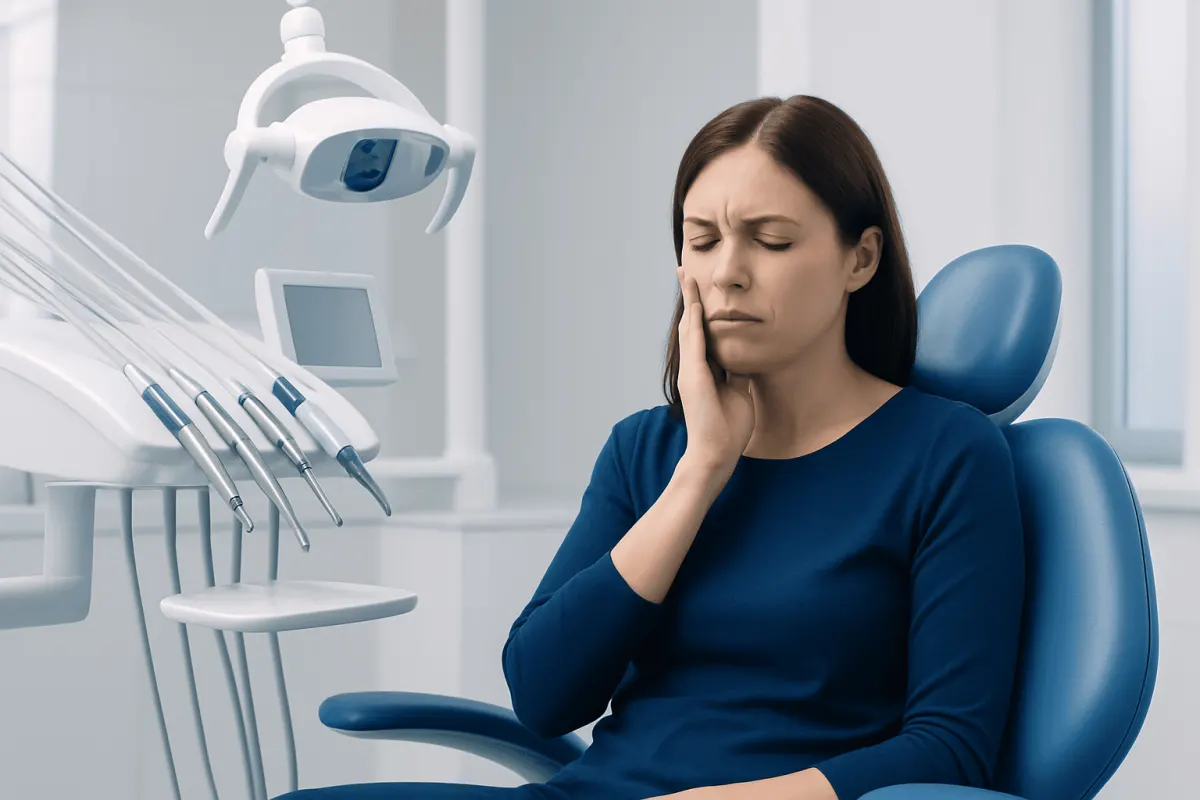
You touch your toothbrush to one spot and wince. Or you bite into something and a corner of your gum protests. An ache in gums is usually linked to irritation, inflammation, infection, or pressure from nearby teeth and dental conditions. Mild soreness may improve with gentle oral care, but persistent, worsening, or swollen gums should be assessed by a dentist or doctor.
Overview: what an ache in gums usually means
An ache in gums usually means the gum tissue is irritated, inflamed, injured, or reacting to a nearby dental problem. Common causes include plaque-related gingivitis, brushing too hard, food trapped between teeth, mouth ulcers, emerging wisdom teeth, teeth grinding, or infection around a tooth. In many people, the discomfort is temporary, but ongoing or worsening symptoms need professional assessment.
Gums are sensitive tissues that respond quickly to bacteria, trauma, and pressure. This means the same symptom—aching or tenderness—can have several different explanations. The location, duration, and accompanying symptoms such as bleeding, swelling, bad breath, or tooth sensitivity often help a dentist identify the source.
Keep in mind that gum pain does not always begin in the gums. A cracked tooth, tooth decay, clenching, sinus pressure in the upper jaw, or an abscess can create pain that seems to spread into the gum line. So if symptoms persist, do not judge them by how the gum looks.
How gum pain can feel
An ache in gums may feel dull, throbbing, tender, raw, or sharp when eating or brushing. Some people notice pain only in one small area, while others feel soreness across the upper or lower gums. The discomfort may come and go, or it may steadily worsen over several days.
Looking for associated changes can be helpful. Inflamed gums may appear redder than usual, puffy, shiny, or prone to bleeding during brushing or flossing. A localized area may feel warm, swollen, or painful to touch. If a tooth is involved, there may also be sensitivity to hot, cold, or pressure.
Symptoms that sometimes occur alongside gum aching include:
- Bleeding during brushing or flossing
- Bad breath or an unpleasant taste
- Mouth sores or white patches
- Pain when chewing
- Swelling around one tooth or near a wisdom tooth
- Jaw soreness from clenching or grinding
- Loose teeth or gum recession in longer-term disease
Symptoms overlap, so the pattern is what tells the story. Brief soreness after flossing too hard is very different from a painful swollen gum with pus or facial swelling, which may indicate infection and needs prompt care.
Possible causes of an ache in gums

The most common cause is gingivitis, an early form of gum inflammation caused by plaque buildup at the gum line. Gums may ache, bleed easily, and look red or swollen. Without treatment, inflammation can progress to more serious gum disease, including periodontal disease, which can affect the tissues and bone supporting the teeth.
Minor trauma is another frequent cause. Brushing too aggressively, using a hard-bristled toothbrush, flossing forcefully, eating sharp foods such as chips, or irritation from braces, retainers, or dentures can all make the gums sore. Canker sores and other mouth ulcers may also develop on or near the gums, causing a localized painful spot.
Dental problems often cause gum pain that feels deeper or more intense. Tooth decay, a cracked tooth, food impacted between teeth, and dental abscesses can create tenderness in the surrounding gum. Pain around the back molars may happen when wisdom teeth are erupting or when a flap of gum becomes inflamed over a partially erupted tooth. In some cases, evaluation may lead to treatments such as root canal treatment if the tooth pulp is infected.
Less common contributors include hormonal changes, dry mouth, smoking, vitamin deficiencies, certain medicines that affect the gums, teeth grinding, and immune-related conditions. Viral or fungal mouth infections can also cause tender gums, especially if there are patches, sores, or widespread inflammation.
Risk factors that make gum pain more likely
Daily oral hygiene habits strongly influence gum health. Inconsistent brushing and flossing allow plaque to collect, increasing the chance of inflammation and bleeding. Tobacco use, including smoking, can worsen gum irritation, impair healing, and raise the risk of advanced gum disease.
Some people are more prone to sore gums because of oral appliances or dental alignment issues. Braces, clear aligners, retainers, dentures, and crowded teeth can create areas where plaque is harder to remove or where soft tissues rub against a surface repeatedly. Nighttime clenching and grinding can strain both teeth and gums, especially around the molars.
General health also plays a role. Diabetes, reduced saliva flow, hormonal shifts during puberty, pregnancy, or menopause, and medicines that cause dry mouth may increase susceptibility to gum discomfort. People with weakened immunity may be more likely to develop oral infections or prolonged inflammation.
Even if you know you have risk factors, do not shrug off pain that keeps going. Symptoms that come back can mean your routine care needs adjusting, or that an underlying tooth or gum condition needs treatment.
How dentists diagnose the cause
Diagnosis begins with a history of the symptoms: when the ache started, whether it is constant or triggered by chewing or brushing, and whether there is bleeding, swelling, fever, or tooth sensitivity. The dentist will usually ask about oral hygiene habits, recent dental work, mouth injuries, grinding, smoking, and medical conditions that can affect the gums.
A careful examination follows. The gums are checked for redness, swelling, ulceration, recession, plaque buildup, food impaction, and signs of infection. The teeth are assessed for decay, cracks, looseness, and tenderness. In suspected gum disease, the dentist may measure the depth of the gum pockets around the teeth.
Dental X-rays are sometimes needed to look beneath the gum line. Imaging can help detect decay between teeth, bone loss, impacted wisdom teeth, or infection around the tooth root. If symptoms point to deeper damage or severe infection, a person may need dental X-ray imaging and additional treatment planning.
Getting the diagnosis right matters, because the treatment changes completely. A traumatic ulcer, early gingivitis, and an abscess can all feel like gum pain, yet each is handled in a very different way.
Treatment options and practical relief
Treatment depends on the cause. For plaque-related inflammation, professional cleaning and improved home care are often the main steps. A dentist may recommend gentler brushing, flossing technique adjustments, and regular cleanings to remove hardened deposits that cannot be cleared at home. If gum disease is more advanced, targeted periodontal treatment may be needed.
If the ache comes from a dental infection, cracked tooth, or deep decay, the tooth itself may need treatment. Depending on the problem, this may include a filling, drainage of an abscess, tooth extraction, or root canal treatment. Denture or orthodontic irritation may improve after adjustment of the appliance.
Home care can support comfort while waiting for an appointment, but it should be gentle. Helpful measures may include:
- Brushing with a soft-bristled toothbrush
- Cleaning carefully around the sore area without scrubbing
- Rinsing with plain lukewarm water or a mild salt-water rinse if advised by a clinician
- Avoiding tobacco, very spicy foods, sharp foods, and alcohol-based mouth products if they sting
- Choosing softer foods for a day or two if chewing is painful
Do not place aspirin or other tablets directly on your gums; it irritates the tissue. And do not put off care if the pain is severe, localized swelling appears, or symptoms keep returning.
When to seek medical care
Short-lived mild soreness may settle with gentle oral care, especially if it follows minor irritation. However, a dentist should assess gum pain that lasts more than a few days, keeps coming back, or is associated with bleeding, gum recession, loose teeth, or pain while chewing. Persistent symptoms can signal gum disease or a hidden tooth problem that needs treatment.
More urgent care is needed if there is obvious swelling around one tooth, pus, fever, foul taste, facial swelling, or difficulty opening the mouth. These symptoms may suggest infection that should not be managed at home. Difficulty swallowing, spreading swelling, or trouble breathing requires emergency assessment.
People with diabetes, weakened immunity, recent oral surgery, or extensive dental work should be especially cautious about persistent or worsening gum pain. In these situations, early evaluation helps prevent complications and supports faster recovery.
For international patients who need assessment and treatment, Acıbadem Health Point’s multidisciplinary dental and medical specialists in JCI-accredited hospitals evaluate gum and tooth conditions using appropriate imaging and treatment planning.
Prevention and long-term gum health
Preventing an ache in gums starts with consistent but gentle oral hygiene. Brushing twice daily with a soft-bristled toothbrush, cleaning between the teeth, and attending regular dental checkups help reduce plaque buildup and allow early treatment of small problems before they become painful.
Cutting out avoidable irritation helps too. Replacing worn toothbrushes, using proper flossing technique, wearing any advised night guard for grinding, and having dentures or orthodontic devices adjusted when they rub can all protect the gums. Eating a balanced diet and staying well hydrated support oral tissue health as well.
People who notice repeated gum tenderness should not simply switch products over and over without guidance. Ongoing sensitivity may reflect plaque buildup, gum recession, dry mouth, or tooth disease rather than a problem with toothpaste alone. A dental examination can clarify the cause and help prevent future flare-ups.
Gum disease often progresses quietly, which is exactly why regular preventive care pays off. Treating it early is usually simpler and works better than waiting for pain, swelling, or loose teeth.
Frequently asked questions
01Can an ache in gums go away on its own?
Sometimes it can, especially if the cause is minor irritation from brushing too hard, food trapped between teeth, or a small mouth ulcer. However, if the pain lasts more than a few days, returns often, or comes with swelling or bleeding, a dental evaluation is important.
02Is gum pain always a sign of gum disease?
No. Gum pain can also come from a tooth infection, a cracked tooth, erupting wisdom teeth, grinding, braces, dentures, or a canker sore. Gum disease is common, but it is only one of several possible causes.
03What does it mean if only one spot on the gum hurts?
Pain in one small area may happen because of trapped food, local trauma, an ulcer, irritation from a dental appliance, or infection around a tooth. A painful swollen spot near one tooth deserves prompt attention because it may indicate an abscess or other localized dental problem.
04Should a person floss if the gums are sore?
Gentle cleaning is usually still important, because plaque can worsen inflammation if it is left in place. The key is to avoid snapping the floss into the gums or scrubbing aggressively. If flossing causes significant pain or bleeding, a dentist should check the area.
05When is an ache in gums an emergency?
Urgent care is needed if gum pain is accompanied by facial swelling, fever, pus, spreading redness, a bad taste from drainage, or trouble swallowing or breathing. These symptoms can suggest a significant infection that needs prompt medical or dental treatment.
06Can stress cause an ache in gums?
Stress does not directly inflame the gums in the same way plaque does, but it can contribute indirectly. People under stress may clench or grind their teeth, neglect oral hygiene, or develop mouth sores, all of which can lead to gum discomfort.
This article is for general information only and is not a substitute for professional medical advice. Please consult a qualified doctor about your individual situation.
Persistent digestive symptoms? Get evaluated in Turkey
JCI-accredited · board-certified surgeons · reply within 24h
Add us as a Preferred Source to see more of our trusted health content across Google Search, AI Overviews and Discover.