Tooth Pain: Possible Causes and When to Seek Care
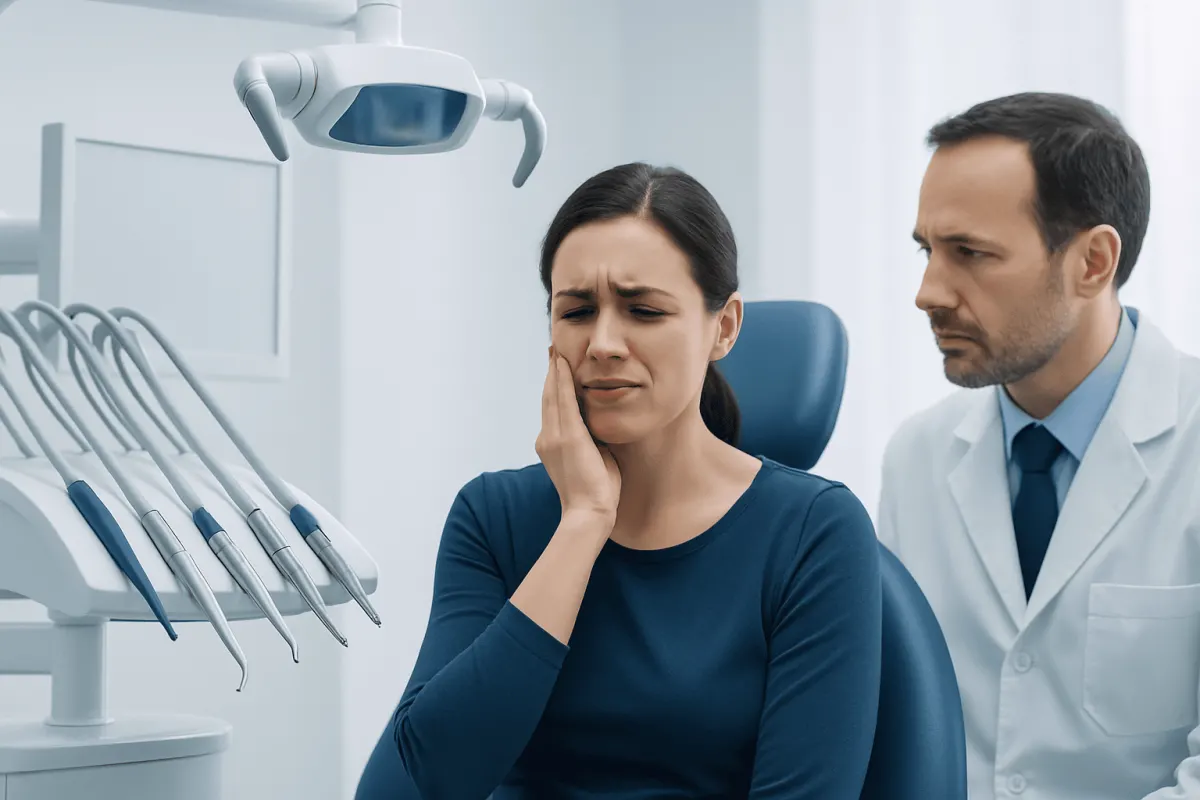
A sip of cold water and suddenly a jolt shoots through one tooth. Or maybe it’s a deep, dull throb that keeps you staring at the ceiling at 3 a.m. Tooth pain is a symptom, not a diagnosis, and it can range from brief sensitivity to severe throbbing caused by decay, gum problems, a cracked tooth, or infection.
Mild discomfort may improve with gentle self-care. But pain that is intense, lasts more than a day or two, or comes with swelling or fever should be assessed by a dentist promptly.
Overview: what tooth pain may mean
Tooth pain usually means that a tooth or the tissues around it are irritated, inflamed, or injured. Common reasons include tooth decay, gum disease, a cracked tooth, worn enamel, teeth grinding, or an infection inside the tooth. Sometimes pain that feels like it comes from a tooth may actually begin in the gums, jaw joint, sinuses, or nearby nerves.
The sensation can vary widely. Some people notice brief sharp pain with cold drinks, while others have a deep throbbing ache that keeps them awake. Pain may be constant or come and go, and it may worsen with chewing, sweets, temperature changes, or lying down. These details can help a clinician identify the likely cause.
Since so many things can cause tooth pain, easing the ache is only half the job — the source has to be found and treated too. Getting checked early usually means simpler treatment, and it lowers the risk of complications like spreading infection or losing the tooth.
Common symptoms and pain patterns
The way tooth pain feels can provide clues. A brief, sharp sensation with cold air or cold drinks may happen when enamel wears down or roots become exposed. Pain triggered by sweets can occur with cavities. Tenderness when biting may suggest a cracked tooth, a loose filling, inflammation around the root, or pressure from clenching.
Persistent throbbing pain is more concerning for deeper inflammation or infection in the pulp, the soft tissue inside the tooth. Gum-related discomfort may feel sore, swollen, or tender along the gumline, sometimes with bleeding during brushing or flossing. Jaw muscle tightness or morning soreness can point to nighttime grinding rather than a problem within the tooth itself.
Other symptoms may appear alongside pain, including:
- Sensitivity to hot or cold that lingers after the trigger is removed
- Swelling of the gums, face, or jaw
- Bad taste in the mouth or pus near the tooth
- Bleeding gums
- Loose tooth or shifting bite
- Headache, earache, or pain spreading to the jaw
Pain usually points to a dental problem, but going easy on the pain doesn’t mean the problem is small. Some infections and cracks start out quietly, so anything that keeps changing still deserves a look.
Possible causes of tooth pain

Tooth decay is one of the most common causes. When bacteria break down tooth enamel, a cavity can form. If decay moves deeper into the dentin or pulp, pain may become more intense and last longer. In advanced cases, the tissue inside the tooth can become infected, sometimes requiring root canal treatment to remove infected tissue and preserve the tooth.
Gum disease is another frequent source of discomfort. Inflamed gums may be tender and bleed easily, and recession can expose sensitive root surfaces. More advanced periodontal disease can damage the supporting structures around teeth and lead to deeper pain, mobility, or abscess formation. Gum disease often creeps up slowly, which is exactly why regular dental checks matter.
Structural damage can also cause pain. A cracked tooth may hurt only when biting or when pressure is released. Worn fillings, enamel erosion, and teeth grinding can make teeth more sensitive. Impacted wisdom teeth can irritate surrounding gums and neighboring teeth; in some cases, evaluation for wisdom tooth extraction is appropriate.
Not all tooth pain starts in the tooth itself. Sinus inflammation, jaw joint disorders, and facial nerve pain may be felt in the upper teeth or jaw. If symptoms do not match a typical dental pattern, a dentist or doctor may look for non-dental causes as well.
Risk factors that make tooth pain more likely
Several everyday habits and health factors can increase the chance of developing tooth pain. Inadequate brushing and flossing allow plaque to build up, raising the risk of cavities and gum disease. Frequent sugary snacks, acidic drinks, and dry mouth can further weaken enamel and support bacterial growth.
Teeth grinding or clenching, especially during sleep, can strain teeth, fillings, and jaw muscles. This may lead to sensitivity, cracks, flattened tooth surfaces, and morning jaw discomfort. Many people have no idea they grind until a dentist spots the wear — or a partner mentions the noise at night.
Age and medical conditions also matter. Gum recession becomes more common over time and can expose sensitive root surfaces. Dry mouth may be linked to medications, dehydration, or certain illnesses. Smoking or tobacco use increases the risk of gum disease and slows healing. A history of large fillings, previous dental trauma, or poor-fitting dental work can also make pain more likely.
How tooth pain is diagnosed
Diagnosis begins with a careful description of the pain. A dentist may ask when the pain started, whether it is sharp or throbbing, what makes it worse, and whether there is swelling, fever, trauma, or trouble chewing. This history helps narrow down whether the pain is more likely caused by decay, infection, a crack, gum disease, or a non-dental condition.
The mouth is then examined for cavities, gum inflammation, loose restorations, fractures, bite problems, and signs of infection. The clinician may gently tap the tooth, test its response to cold or pressure, and inspect the gums for pockets or drainage. These simple tests can show whether the problem is within the tooth, in the supporting tissues, or elsewhere.
Dental X-rays are often useful to reveal decay between teeth, problems around the roots, bone loss, impacted teeth, or hidden infection. In some cases, additional imaging or referral is needed if symptoms suggest jaw disorders, sinus disease, or more complex oral conditions. If advanced decay or infection is confirmed, a dentist may discuss options such as fillings, crowns, or dental implants when a tooth cannot be saved.
Treatment options and short-term symptom relief
Treatment depends on the cause. Cavities may be managed with a filling, while larger areas of damage may need a crown. Inflamed or infected pulp may require root canal treatment. Gum disease is treated with professional cleaning and periodontal care. Cracked teeth may need bonding, a crown, or in some situations removal if the fracture extends too deep.
When there is infection, a dentist will determine whether drainage or a dental procedure is needed. Antibiotics are not appropriate for every toothache and generally do not replace treatment of the source. Pain relief may include commonly used over-the-counter medicines if they are safe for the individual, but people should follow medical advice and product instructions and avoid placing aspirin directly on the gums or tooth.
Short-term self-care can help while waiting for an appointment. Rinsing gently with warm salt water, avoiding very hot, cold, or sugary foods, and chewing on the opposite side may reduce discomfort. If swelling is present, a cold compress on the outside of the cheek may help. These steps are supportive only and should not delay assessment when pain is strong, persistent, or associated with swelling.
If your case is more complicated, care may be shared between restorative dentists, endodontists, periodontists, or oral surgeons. Patients travelling for treatment can also be assessed at centers such as Acıbadem Health Point, where multidisciplinary specialists in JCI-accredited hospitals diagnose and treat dental and oral conditions.
Prevention and self-care habits that protect teeth
Many causes of tooth pain are preventable. Good daily oral hygiene helps remove plaque and lowers the risk of both cavities and gum disease. Brushing twice a day with fluoride toothpaste, cleaning between teeth daily, and attending regular dental checkups are the foundation of prevention.
Dietary habits also make a difference. Limiting frequent sugary snacks and acidic drinks gives teeth more time to recover between exposures. Drinking water, especially after meals, can help clear food debris and support saliva, which naturally protects enamel. People with dry mouth may benefit from discussing causes and management with a clinician.
If grinding or clenching is suspected, a dentist may recommend a night guard or other strategies to reduce strain. Mouth protection is also important during sports to prevent fractures and trauma. Small problems such as sensitivity, a chipped filling, or occasional bleeding gums are easier to treat when addressed early rather than ignored.
When to seek medical care
Tooth pain should be assessed by a dentist if it lasts more than one to two days, returns repeatedly, interferes with eating or sleep, or is triggered by chewing. Ongoing sensitivity to hot or cold, gum swelling, a bad taste in the mouth, or a loose tooth also deserve professional evaluation. Prompt care can often prevent a more serious infection or structural damage.
Urgent medical or dental care is needed if there is facial swelling, fever, spreading redness, pus, difficulty opening the mouth, trouble swallowing, or breathing difficulty. These signs can suggest a more significant infection that needs immediate attention. Severe pain after injury or a knocked-out tooth also requires urgent care.
Children, older adults, pregnant people, and anyone with weakened immunity should be especially cautious about dental infections. If you can’t tell whether what you’re feeling is dental or medical, don’t sit on it — get advice quickly.
Frequently asked questions
01Can tooth pain go away on its own?
Sometimes mild tooth pain settles temporarily, especially if it is caused by short-lived irritation. However, the underlying problem, such as decay, a crack, or gum inflammation, often remains. If pain persists, returns, or worsens, a dental evaluation is recommended.
02What is the most common cause of tooth pain?
Tooth decay is one of the most common causes, but it is not the only one. Gum disease, a cracked tooth, worn enamel, exposed roots, grinding, and dental infection are also frequent reasons. A dentist usually needs to examine the tooth to identify the exact cause.
03When is tooth pain an emergency?
Tooth pain becomes urgent if it is accompanied by facial swelling, fever, pus, spreading redness, trouble swallowing, or breathing difficulty. Severe pain after dental trauma or a knocked-out tooth also needs immediate care. These symptoms can point to infection or injury that should not be delayed.
04How can someone ease tooth pain before seeing a dentist?
Gentle rinsing with warm salt water, avoiding very hot, cold, or sugary foods, and chewing on the opposite side may help reduce discomfort. A cold compress on the cheek can help if there is swelling. These measures are temporary and do not replace dental treatment.
05Does a toothache always mean infection?
No, a toothache does not always mean infection. Pain can come from sensitivity, cavities, grinding, a cracked tooth, gum recession, sinus pressure, or jaw problems. Infection is more likely when pain is severe, throbbing, associated with swelling, or linked to fever or drainage.
06Should someone see a doctor or a dentist for tooth pain?
A dentist is usually the right first professional for tooth pain because most causes are dental. A doctor may be needed if symptoms suggest a wider infection, sinus disease, nerve pain, or another medical problem. If there is facial swelling, fever, or trouble swallowing or breathing, urgent medical attention is important.
This article is for general information only and is not a substitute for professional medical advice. Please consult a qualified doctor about your individual situation.
Joint and spine care in Turkey — expert assessment & treatment
JCI-accredited · board-certified surgeons · reply within 24h
Add us as a Preferred Source to see more of our trusted health content across Google Search, AI Overviews and Discover.