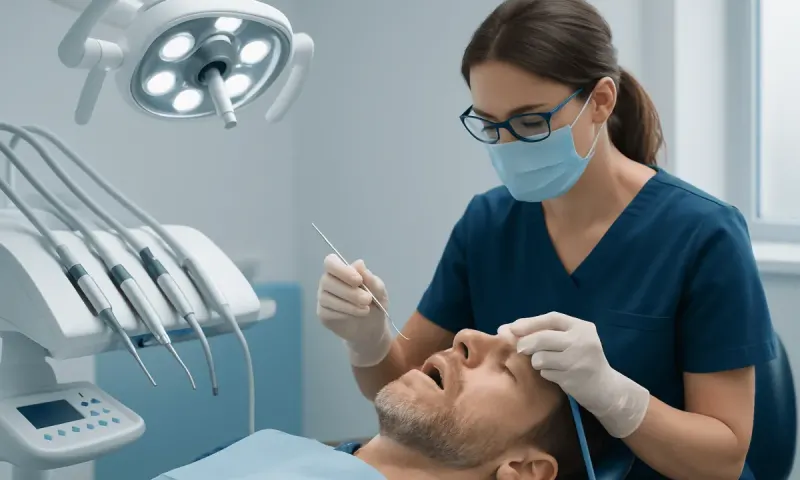
How Much Is Gum Grafting for Receding Gums?

Gum grafting does not have one standard cost because the treatment is planned around the extent of gum recession, the number of sites involved, the graft method and individual clinical needs. A periodontal assessment and written treatment plan are the most reliable ways to understand what care may involve.
How Much Is Gum Grafting? Understanding the Estimate
How much is gum grafting cannot be answered responsibly with one standard amount because it reflects the treatment plan for a person’s gums and teeth. The number and location of treated sites, graft method, clinical needs, diagnostics, anesthesia, follow-up care, location and insurance can all influence the final estimate.
A periodontal examination helps clarify why the gums have receded and whether a graft is appropriate. The clinician will measure recession, assess the gum tissue and supporting bone, review tooth sensitivity and check for gum disease, decay, bite-related pressure or habits that may affect the result.
Questions such as how much is gum grafting for one tooth, how much is gum grafting per tooth and how much is gum grafting for two teeth do not always have a simple proportional answer. Treating one site can still require assessment, surgical preparation and follow-up, while treating neighboring teeth together may use a different technique than treating separate areas. Similarly, how much is gum grafting without insurance and how much is gum grafting with insurance depend on the treatment plan and the details of the individual policy.
Geographic comparisons can also be misleading. When considering how much is gum grafting in Mexico or how much is gum grafting in California, it is important to compare the full scope of care, including consultation, imaging, graft materials, surgeon qualifications, post-procedure reviews and, where relevant, travel and continuity of care. A written, itemized plan allows for a clearer comparison than an online estimate alone.
How Gum Grafting Works and Who May Be a Candidate
Gum grafting is a periodontal procedure used to add or reposition gum tissue around a tooth or teeth. It is commonly considered when gum recession exposes part of the root surface, which may cause sensitivity, make plaque removal more difficult or affect the appearance of the smile. The aim is to create a healthier, more protective band of tissue; the degree of root coverage that can be achieved varies between individuals.
A graft may use a small amount of tissue from the roof of the mouth, tissue moved from nearby gums, or a suitable substitute material. Connective tissue grafts, free gingival grafts and pedicle grafts are among the approaches a periodontist may consider. The choice depends on the thickness and position of the existing gums, the location of the recession and the desired clinical outcome.
Suitable candidates generally have a stable oral health foundation or are able to establish one before surgery. A dentist or periodontist may record periodontal pocket measurements, evaluate the bite, take dental X-rays when needed and review factors such as smoking, nicotine use, diabetes control, tooth grinding and brushing technique. Active periodontal disease usually needs treatment and ongoing control before grafting is considered.
Not every area of recession requires surgery. If the recession is mild, stable and not causing symptoms or plaque-control difficulties, careful monitoring and preventive care may be appropriate. A clinician can explain whether grafting is being considered primarily for root protection, sensitivity, tissue thickness, appearance or a combination of these goals.
What Happens During Gum Grafting Surgery

Before gum grafting surgery, the clinician reviews the treatment area, medical history and home-care instructions. Patients may be asked to arrange practical support for the day of the procedure, particularly if sedation is planned. The team also explains how to clean the mouth, what to eat and which medicines or supplements should be discussed before surgery.
The procedure is usually carried out with local anesthesia so that the area is numb. The clinician gently prepares the recession site, then obtains or positions the selected graft tissue. In some techniques, the gum is carefully loosened and moved over the graft in a tunnel-like or flap-based approach.
The graft is secured with fine sutures, and a protective dressing may be used in selected cases. If tissue is taken from the palate, that donor area is also protected and given specific aftercare instructions. The exact sequence varies because a graft for a thin band of gum tissue may differ from a procedure designed to cover an exposed root.
After surgery, the patient receives individualized guidance about Tooth Pain Relief: Causes and Treatment" class="ahp-ilk">pain relief, diet, activity and oral hygiene. Follow-up appointments allow the clinician to assess early healing and remove sutures when appropriate. Keeping these appointments is an important part of monitoring the graft and maintaining long-term gum health.
Recovery Timeline, Benefits and Possible Risks
It is common to have mild swelling, tenderness or minor bleeding during the first few days after gum grafting. A soft-food diet is often recommended initially, and the treated area is usually not brushed or flossed directly until the clinician confirms that it is safe. Gentle cleaning of the rest of the mouth remains important.
Early healing takes place over the first one to two weeks, while the graft continues to integrate with surrounding tissue over the following weeks. The gums may look different in color or texture while they mature. Full tissue stabilization can take longer, so the clinician may schedule follow-up reviews over several months.
Potential benefits include less root sensitivity, more resilient gum tissue, improved root coverage in appropriate cases and easier plaque control around the tooth. Results depend on the original recession pattern, tissue quality, tooth position, gum disease control and adherence to aftercare. A graft may improve the local tissue environment, but it cannot reverse all existing bone loss or correct every cause of recession.
Possible risks include temporary discomfort, swelling, bleeding, infection, delayed healing, color mismatch, incomplete root coverage or partial loss of the graft. These complications are not inevitable, and the dental team can explain the risks relevant to the planned technique. Avoiding smoking and nicotine, following hygiene instructions and attending reviews can support healing.
Value, Insurance and Affordability
Is gum grafting worth the money?
Gum grafting may be worth the investment when it addresses a meaningful clinical concern, such as progressive recession, troublesome sensitivity, a thin or fragile gum margin, or difficulty keeping an exposed root clean. The decision is individual and should be based on the expected benefit, the risk of further recession, the condition of the supporting bone and the person’s priorities. A graft is not only an aesthetic procedure, although appearance may be one consideration.
Will insurance pay for gum graft?
Some dental insurance plans may contribute when gum grafting is considered medically necessary, but coverage is not automatic and varies by plan. Insurers may consider the diagnosis, documentation of recession or periodontal disease, the tooth involved, exclusions, waiting periods and preauthorization requirements. Patients can ask the dental office for treatment codes and a written clinical explanation to submit to their insurer, while remembering that preauthorization does not always guarantee payment.
What if I can’t afford a gum graft?
A patient can ask for an itemized plan, discuss whether treatment can be safely staged and seek a second periodontal opinion when appropriate. Depending on the cause and severity of recession, alternatives may include close monitoring, professional cleaning, treatment for gum inflammation, desensitizing measures, adjustment of traumatic brushing habits and management of grinding. These approaches may reduce symptoms or slow further damage, but they do not necessarily replace lost gum tissue.
It is sensible to discuss affordability openly rather than delaying care without a clinical review. The clinician can explain which areas need timely treatment, which can be monitored and what preventive steps are most important while a decision is being made. Payment arrangements, if offered, vary between practices and should be reviewed carefully.
Limits of Gum Grafting and Other Options
When is it too late for gum grafting?
There is no single visual point at which gum grafting is automatically too late. The outlook depends less on how long the tooth looks and more on the amount of supporting bone between teeth, tooth mobility, active infection or periodontal disease, root decay, the position of the tooth and the health of the remaining gum tissue.
When advanced periodontal disease has caused major bone loss or a tooth has a poor long-term prognosis, a gum graft alone may not provide a meaningful benefit. In these situations, the priority may be to control infection, stabilize the bite, restore decay, protect other teeth or discuss other restorative options. A periodontist can explain why a particular graft technique is or is not suitable.
Earlier assessment can be helpful because recession may progress before it becomes painful. However, even established recession can often be evaluated and managed. The key step is identifying and controlling the underlying cause, whether that is periodontal disease, aggressive brushing, tooth position, grinding, tobacco use or another contributing factor.
When to Seek Medical Care
A dental appointment should be arranged if the gums appear to be pulling away from a tooth, roots look more exposed, sensitivity is increasing, gums bleed repeatedly, or a tooth feels loose or changes position. These symptoms do not always mean that surgery is needed, but an examination can identify gum disease and other treatable causes early.
- Contact the treating dental team promptly after surgery for persistent bleeding, worsening swelling, fever, increasing pain, discharge or concerns that the graft has moved.
- Seek urgent medical help for severe facial swelling, trouble breathing or swallowing, or significant bleeding that does not stop with the instructions provided by the clinician.
For international patients, Acıbadem Health Point’s multidisciplinary dental specialists at JCI-accredited hospitals can assess gum recession and discuss suitable periodontal treatment options. A qualified dentist or periodontist can provide advice tailored to the individual’s oral health, medical history and treatment goals.
Frequently asked questions
01How much is gum grafting for one tooth?
A graft for one tooth cannot be calculated simply as a single unit because the visit may still involve an examination, imaging, surgical preparation and follow-up care. The type of graft, severity of recession and condition of the surrounding tissue all affect the treatment plan.
02How much is gum grafting for two teeth?
Treating two teeth may involve one continuous area of grafting or two separate treatment sites, depending on their location. A periodontist can explain whether treating them together is clinically suitable and what services are included in the written plan.
03Can insurance cover gum grafting?
Insurance may cover part of gum grafting when a plan recognizes it as medically necessary, but policies differ considerably. Patients should confirm benefits, exclusions, deductibles, annual limits and preauthorization requirements directly with their insurer.
04Can gum grafting be done without taking tissue from the palate?
In some cases, a clinician may use tissue moved from nearby gums or a suitable substitute material instead of tissue from the palate. The best approach depends on the amount of recession, tissue thickness, tooth location and the intended treatment goal.
05How long does gum graft recovery take?
Initial tenderness and swelling commonly improve during the first days to weeks, but the graft continues to heal and mature over a longer period. The dentist or periodontist will advise when normal brushing, flossing, exercise and regular foods can be resumed.
06Can gum recession be treated without a gum graft?
Some cases can be monitored or managed by treating gum inflammation, improving brushing technique, controlling grinding and reducing sensitivity. However, gums usually do not regrow predictably on their own after recession, and grafting may be recommended when tissue augmentation is clinically beneficial.
This article is for general information only and is not a substitute for professional medical advice. Please consult a qualified doctor about your individual situation.
Hair transplant in Turkey — costs, graft counts & a free assessment
JCI-accredited · board-certified surgeons · reply within 24h
Add us as a Preferred Source to see more of our trusted health content across Google Search, AI Overviews and Discover.