Orthodontic Braces: Bite Problems, Treatment Steps, and Care

Orthodontic braces are used to move teeth and guide the bite into healthier alignment over time. Treatment is personalized, gradual, and supported by careful daily oral hygiene and regular orthodontic visits.
Overview
Orthodontic braces are dental appliances that apply gentle, controlled pressure to move teeth and improve the way the upper and lower jaws fit together. They may be recommended for children, teenagers, or adults when teeth are crowded, spaced, rotated, or when the bite does not meet evenly. The goal is not only a straighter smile, but also a more stable bite that can support chewing, speaking, oral hygiene, and long-term dental health.
Braces may be fixed to the teeth, such as metal or ceramic brackets connected by wires, or they may be removable in selected cases, such as clear aligner systems. Fixed braces remain a common option because they can treat many simple and complex tooth movements. The type of appliance chosen depends on the bite problem, age, gum and bone health, cosmetic preferences, and the orthodontist’s clinical assessment.
Orthodontic treatment is usually gradual. Teeth move through bone remodeling, a natural biological process in which bone is resorbed on one side of the tooth root and rebuilt on the other. Because this process takes time, safe orthodontic care requires regular monitoring, appropriate force levels, and cooperation with instructions such as wearing elastics, attending appointments, and maintaining excellent oral hygiene.
Bite Problems Braces Can Help Correct
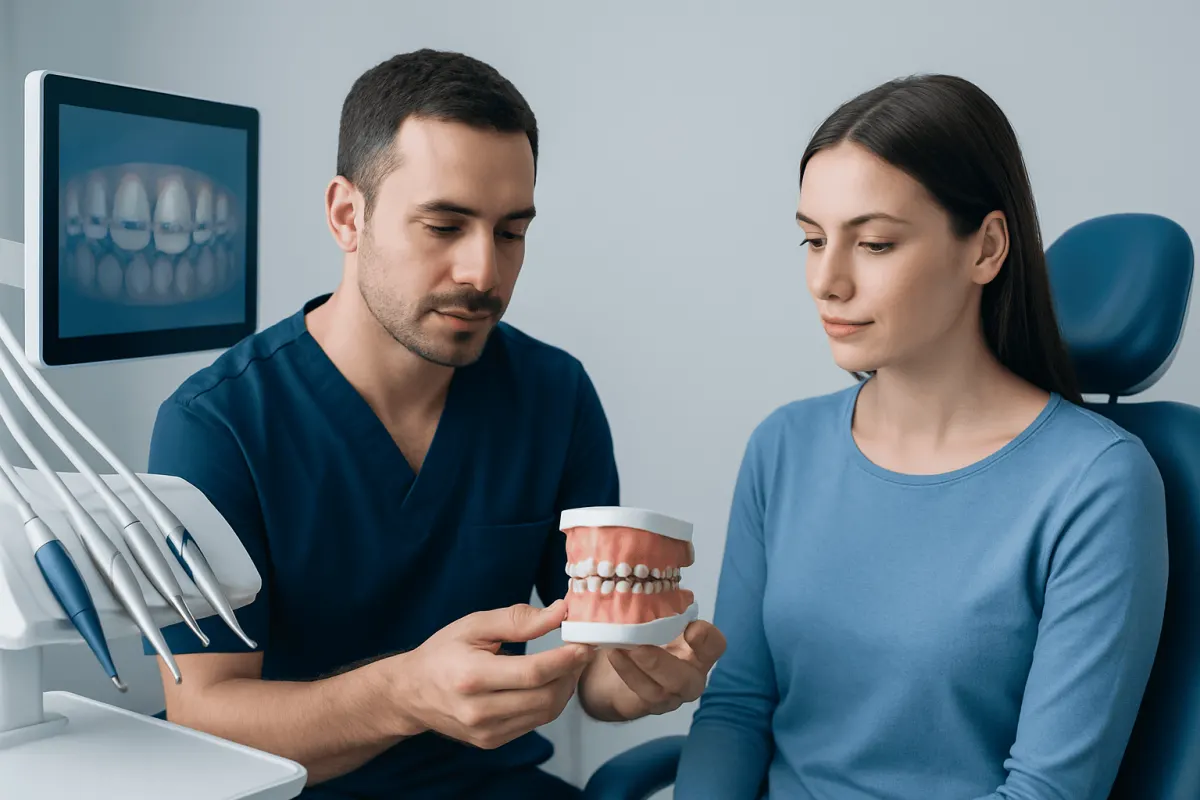
A bite problem, also called malocclusion, means the teeth or jaws do not align in an ideal way. Some malocclusions are mild and mainly affect appearance, while others may contribute to chewing difficulty, uneven tooth wear, jaw strain, speech concerns, or challenges with cleaning. An orthodontist evaluates both the position of the teeth and the relationship between the upper and lower jaws before recommending treatment.
Common orthodontic concerns include crowded teeth, where there is not enough space for teeth to line up properly, and spacing, where gaps occur between teeth. An overbite means the upper front teeth overlap the lower front teeth more than expected, while an underbite occurs when the lower teeth or jaw sit ahead of the upper teeth. A crossbite means some upper teeth bite inside the lower teeth, and an open bite means the front or back teeth do not meet when the mouth is closed.
Other concerns include protruding front teeth, impacted teeth that have not erupted into the mouth, and midline discrepancies where the center lines of the upper and lower teeth do not match. Braces may be used alone or with other orthodontic tools such as palatal expanders, elastics, space maintainers, or, in complex jaw-related cases, combined orthodontic and surgical care. Treatment planning is individualized because the same visible bite issue can have different underlying causes.
Causes and Risk Factors
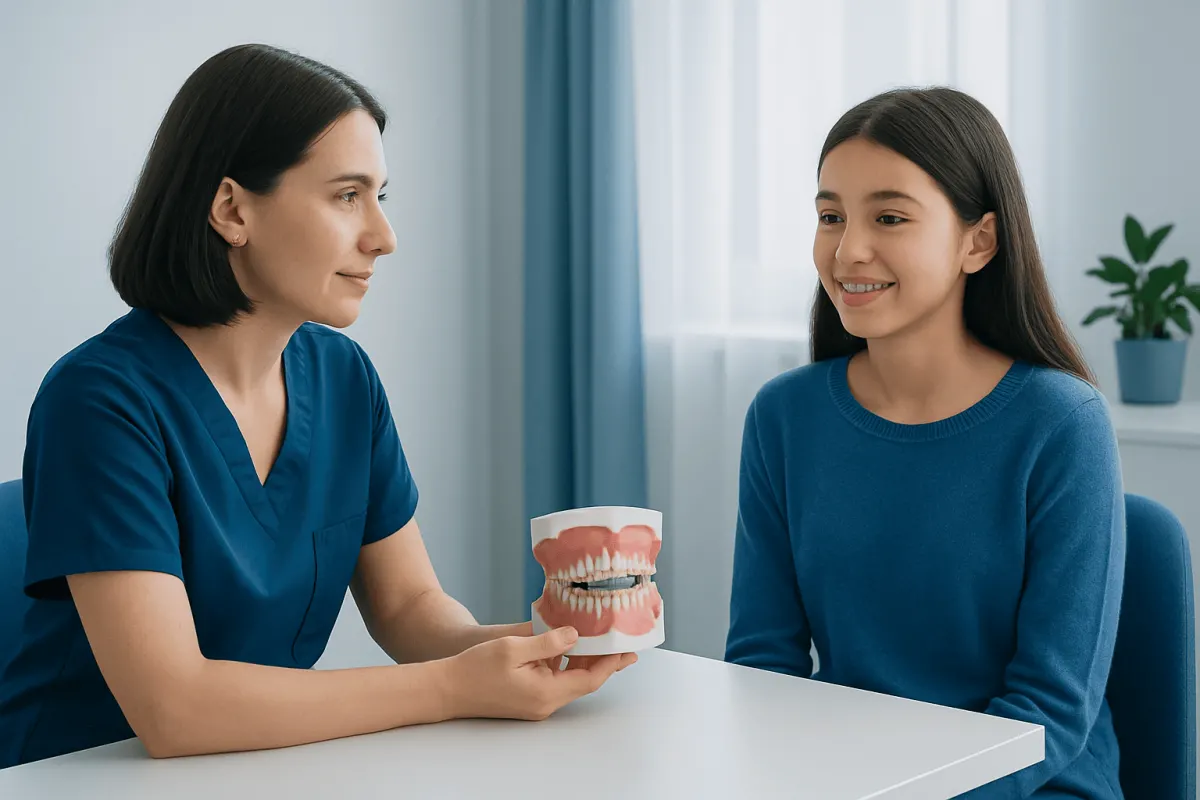
Malocclusion can develop for many reasons, and often more than one factor is involved. Genetics play an important role; a person may inherit jaw size, tooth size, or growth patterns that make crowding or bite imbalance more likely. For example, larger teeth in a smaller jaw may lead to crowding, while differences in upper and lower jaw growth can contribute to overbite, underbite, or crossbite.
Childhood habits and oral development can also influence tooth position. Prolonged thumb sucking, pacifier use beyond the recommended age, tongue thrusting, mouth breathing, or early loss of baby teeth may affect how permanent teeth erupt and how the jaws develop. Dental trauma, tooth decay, missing teeth, extra teeth, or delayed eruption can also alter alignment.
In adults, bite changes may occur due to tooth loss, gum disease, natural tooth movement, clenching or grinding, or previous dental work that changes how teeth contact. Before braces are recommended, the dental team checks gum health and bone support because active periodontal disease must be controlled before tooth movement begins. Good oral health provides a safer foundation for orthodontic treatment at any age.
Diagnosis and Treatment Planning
An orthodontic evaluation begins with a careful review of dental and medical history, oral habits, previous dental treatment, and the patient’s main concerns. The orthodontist examines tooth alignment, jaw relationship, facial balance, gum condition, and how the teeth meet during biting and chewing. This visit is also an opportunity to discuss expectations, treatment options, estimated duration, and daily responsibilities during braces treatment.
Diagnostic records are commonly used to create a detailed plan. These may include photographs of the face and teeth, digital scans or dental impressions, panoramic and cephalometric X-rays, and sometimes three-dimensional imaging when more detail is needed. These records help the orthodontist assess root positions, unerupted teeth, jaw growth, airway or skeletal considerations, and whether extractions or additional procedures may be needed.
A treatment plan usually explains the recommended appliance, approximate treatment time, visit schedule, possible alternatives, and potential risks such as tooth decay, gum inflammation, root shortening, or relapse if retainers are not worn. Patients should feel comfortable asking questions before starting. Informed decision-making is an important part of orthodontic care, especially when several acceptable treatment approaches are available.
Treatment Steps: What to Expect
The first active step is usually appliance placement. For fixed braces, the teeth are cleaned and dried, brackets are bonded to the tooth surfaces, and an archwire is placed to begin guiding movement. The procedure is not typically painful, although the mouth may feel tender for several days afterward as the teeth begin to respond. Soft foods and orthodontic wax can help during the adjustment period.
Follow-up visits are scheduled throughout treatment to change wires, adjust forces, replace elastic ties, add attachments, or monitor progress. Some patients are asked to wear small rubber bands, called elastics, between the upper and lower braces to help correct the bite. Wearing elastics exactly as instructed is important because inconsistent use can slow progress or affect the final result.
Depending on the complexity of the case, orthodontic treatment can take months to several years. Treatment time is influenced by the severity of the malocclusion, growth, biological response, oral hygiene, appointment attendance, and whether appliances are broken or instructions are not followed. The orthodontist monitors movement carefully and may refine the plan as teeth and jaws respond.
When the desired alignment and bite are achieved, braces are removed and retainers are provided. Retainers are essential because teeth naturally tend to shift after orthodontic treatment. The retention plan may include removable retainers worn at night or fixed retainers bonded behind the teeth, depending on the patient’s needs and the orthodontist’s recommendation.
Caring for Teeth and Braces
Oral hygiene is especially important during braces treatment because brackets and wires can trap food and plaque. Patients should brush thoroughly around the gumline, brackets, and chewing surfaces, usually after meals and before sleep. A fluoride toothpaste, interdental brushes, floss threaders, or water flossers may be recommended to clean areas that a regular toothbrush cannot reach easily.
Food choices can help protect the braces and reduce the risk of cavities. Hard, sticky, or chewy foods may bend wires, loosen brackets, or become trapped around the appliance. Patients are often advised to avoid biting directly into very hard foods and to cut firm foods such as apples or carrots into smaller pieces.
- Choose softer foods after adjustment visits if teeth feel tender.
- Avoid chewing ice, pens, fingernails, or other hard objects.
- Limit frequent sugary snacks and acidic drinks, which can increase enamel demineralization risk.
- Use orthodontic wax for minor irritation from brackets or wires.
- Continue regular dental check-ups and professional cleanings during treatment.
Some mild discomfort is expected after braces are placed or adjusted, but it should gradually improve. Patients should follow their orthodontist’s guidance for comfort measures and avoid attempting to cut or bend wires themselves unless specifically instructed in an emergency. Promptly reporting broken appliances helps prevent delays and protects the cheeks, lips, and gums from irritation.
Prevention, Self-Care, and Long-Term Results
Not all orthodontic problems can be prevented because genetics and growth patterns are major factors. However, early dental visits and routine check-ups can identify developing concerns before they become more complex. Children may benefit from an orthodontic screening around the early mixed dentition years, when baby and permanent teeth are both present, although not every child needs early treatment.
Self-care during treatment supports both comfort and results. Patients can help by keeping appointments, following instructions for elastics or appliances, protecting braces during sports with an appropriate mouthguard, and contacting the clinic when something breaks. Adults should also maintain periodontal care if they have a history of gum disease, because healthy gums and bone are important for stable tooth movement.
After braces, retention is the key to maintaining results. Teeth can shift due to normal aging, chewing forces, gum changes, and natural movement of the dental arch. Wearing retainers as prescribed and bringing them to follow-up visits allows the orthodontist to check fit and replace them if they become worn, cracked, or lost.
When to See a Doctor or Orthodontist
A dental or orthodontic consultation is appropriate if teeth are crowded, widely spaced, protruding, or difficult to clean, or if the bite feels uneven. Other reasons include jaw discomfort, difficulty chewing, speech concerns related to tooth position, tooth wear, or a child’s delayed or unusual tooth eruption pattern. Early assessment does not always mean immediate treatment; sometimes the best approach is monitoring growth and timing treatment carefully.
Patients already wearing braces should contact their orthodontist if a bracket or wire breaks, a wire is causing injury, pain is severe or persistent, swelling occurs, or a tooth feels unusually loose. Urgent dental care may be needed after trauma to the mouth or teeth. For routine soreness after adjustments, the orthodontic team can provide safe guidance based on the patient’s age and medical history.
International patients who need evaluation or ongoing orthodontic and dental care can seek assessment from qualified dental specialists. Acıbadem Health Point’s multidisciplinary teams and JCI-accredited hospitals provide diagnosis and treatment for dental and orthodontic conditions for international patients, with care plans tailored to individual needs. Any decision about braces should be made after an in-person examination and discussion with a qualified orthodontist.
Frequently asked questions
01At what age should a child see an orthodontist?
Many orthodontic organizations recommend an initial orthodontic check around age 7, when permanent teeth and jaw growth can be assessed. This does not mean every child needs braces at that age. In many cases, the orthodontist simply monitors development and recommends treatment later if needed.
02Do braces hurt?
Braces do not usually hurt when they are placed, but teeth may feel sore or tender for a few days afterward or after adjustments. This discomfort is generally temporary and reflects the teeth responding to gentle pressure. Soft foods and following the orthodontist’s advice can help.
03How long does orthodontic braces treatment take?
Treatment time varies depending on the bite problem, tooth movement needed, age, oral health, and how well instructions are followed. Some minor cases may be shorter, while complex cases can take longer. The orthodontist can provide a personalized estimate after reviewing diagnostic records.
04Can adults get braces?
Yes, adults can have orthodontic treatment if their teeth, gums, and supporting bone are healthy enough for tooth movement. Adults may need coordination between an orthodontist, general dentist, periodontist, or other specialists, especially if there is gum disease or missing teeth. Treatment goals are individualized.
05What foods should be avoided with braces?
Patients are usually advised to avoid very hard, sticky, or chewy foods because they can damage brackets and wires. Examples include chewing ice, sticky candies, hard nuts, and biting directly into hard foods. Cutting firm foods into small pieces and choosing softer options after adjustments can make eating easier.
06Why are retainers needed after braces?
Retainers help keep teeth in their corrected positions after braces are removed. Without retention, teeth can gradually shift due to natural forces, aging, and changes in the bite. Wearing retainers as prescribed is an important part of protecting the orthodontic result.
This article is for general information only and is not a substitute for professional medical advice. Please consult a qualified doctor about your individual situation.
Explore treatments in Turkey — costs, top hospitals & a free quote
JCI-accredited · board-certified surgeons · reply within 24h
Add us as a Preferred Source to see more of our trusted health content across Google Search, AI Overviews and Discover.