Accessory Breast Tissue: Why It Can Swell During Periods or Pregnancy

Accessory breast tissue is extra breast tissue that develops outside the usual breast area, most often near the armpit. It can become more noticeable, tender, or swollen during periods, pregnancy, or breastfeeding because it often responds to hormones in the same way as regular breast tissue.
Overview
Accessory breast tissue is extra breast tissue that forms outside the usual breasts during fetal development. It is also called ectopic breast tissue or supernumerary breast tissue, depending on whether there is extra tissue alone or a more complete extra breast structure. In many people, it appears as a soft fullness or lump near the armpit, although it can develop anywhere along the so-called milk line, which extends from the armpit to the groin.
This tissue is not abnormal in the sense of being a cancer or infection by itself. It is a developmental variation, and many people do not notice it until puberty, pregnancy, or adulthood. Because it can contain glandular breast tissue, it may react to hormonal changes just as normal breast tissue does.
That is why some people find that accessory breast tissue becomes swollen, tender, or more visible around their menstrual period or during pregnancy. These changes can be uncomfortable and sometimes worrying, especially if the swelling is one-sided or feels like a new lump. Although accessory breast tissue is often benign, a proper evaluation helps confirm the diagnosis and rule out other causes of swelling in the armpit or chest wall.
Why It Can Swell During Periods or Pregnancy
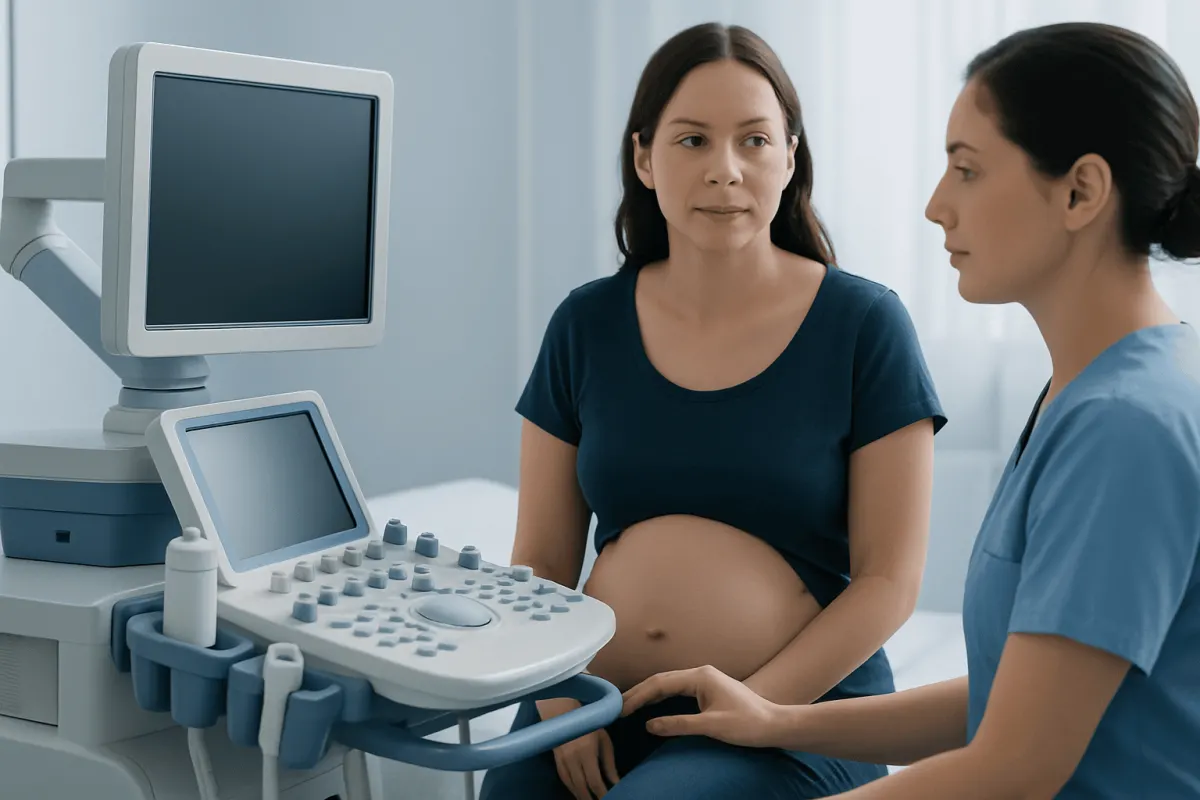
Accessory breast tissue commonly swells because it is hormonally responsive. During the menstrual cycle, levels of estrogen and progesterone rise and fall. These hormones can cause breast tissue to retain fluid, become fuller, and feel more sensitive. If extra breast tissue is present, it may go through the same changes, leading to cyclical swelling or tenderness before a period.
During pregnancy, hormonal stimulation becomes much stronger. Breast tissue throughout the body prepares for milk production, so accessory tissue may enlarge, become firmer, or feel sore. In some cases, it may become noticeable for the first time during pregnancy because the tissue grows enough to create a visible bulge.
Breastfeeding can also affect accessory tissue. If the tissue contains functioning glandular elements, it may feel engorged and occasionally produce milk. This can happen even if there is no obvious nipple on the skin. These hormone-related changes are usually not dangerous, but they can cause discomfort, rubbing against clothing, limited arm movement, or concern about whether the swelling is something more serious.
Not every area of fullness in the armpit is accessory breast tissue. Swelling can also come from fat, lymph nodes, cysts, skin conditions, or other benign masses. Because of that, symptoms that are new, persistent, or changing should not be self-diagnosed.
Symptoms and Common Locations

The most common location for accessory breast tissue is the axilla, or armpit. People may notice a small bulge, soft mound, or lump that becomes more obvious in warm weather, with weight changes, or during hormonal shifts. Some feel no symptoms at all, while others experience recurring tenderness.
Symptoms vary depending on how much tissue is present and whether it includes glandular tissue, fat, or a nipple-areola structure. Common symptoms can include:
- Swelling or fullness near the armpit or along the chest wall
- Tenderness before or during a menstrual period
- Enlargement during pregnancy
- Discomfort from friction with clothing or arm movement
- A visible asymmetry in the underarm area
- Occasional milk secretion during lactation
Some people mistake accessory breast tissue for simple underarm fat. Others worry that it may be a swollen lymph node or another breast problem. In men, chest or underarm fullness may also raise questions about conditions such as gynecomastia, which is different but can also involve hormone-sensitive tissue.
While benign cyclical swelling is common, warning signs such as a hard fixed lump, skin dimpling, redness that does not settle, nipple-like discharge that is bloody, or swelling that keeps increasing should be evaluated promptly.
Causes and Risk Factors
Accessory breast tissue develops early in fetal life. During embryonic development, a line of primitive breast tissue forms on each side of the body. Most of this tissue normally regresses, except in the chest where the breasts develop. If a portion does not fully disappear, accessory breast tissue can remain.
This is not caused by lifestyle, injury, or anything a person did or did not do. It is a congenital variation, meaning it is present from birth even if it is not visible until later. Hormonal milestones such as puberty, menstruation, pregnancy, and breastfeeding often make it more noticeable.
Risk factors for symptoms are mainly those that increase hormonal stimulation or make the area more prominent. These can include:
- Puberty and breast development
- Menstrual cycles with breast tenderness
- Pregnancy and postpartum changes
- Breastfeeding or milk production
- Weight gain, which may make the area more visible
- Friction from clothing or repetitive arm movement
Although accessory breast tissue itself is usually harmless, it can develop many of the same benign and, rarely, malignant conditions that affect normal breast tissue. That is one reason doctors take a careful history and may recommend imaging if there is uncertainty.
How It Is Diagnosed
Diagnosis begins with a clinical assessment. A doctor asks when the swelling appears, whether it changes with the menstrual cycle, pregnancy, or weight, and whether there is pain, discharge, or skin change. On examination, the area may feel soft and mobile like fatty tissue, or firmer if glandular tissue is present.
Imaging is often used to clarify what the tissue is. Ultrasound is commonly the first test, especially for a lump in the armpit. Depending on age, symptoms, and the exact finding, a doctor may also recommend mammography or magnetic resonance imaging. These tests can help distinguish accessory breast tissue from enlarged lymph nodes, lipomas, cysts, or other masses.
If the diagnosis remains uncertain, or if imaging shows a suspicious feature, a biopsy may be advised. This means taking a small tissue sample to examine under a microscope. A biopsy is not needed for every patient, but it is an important step when there is concern about an unusual or persistent lump.
People who already have known breast conditions should mention this during the evaluation, as accessory tissue can sometimes be affected by the same processes as normal breast tissue. A careful diagnosis allows the doctor to decide whether observation, symptom management, or treatment is the most appropriate next step.
Treatment Options
Treatment depends on symptoms, appearance, and personal preference. If accessory breast tissue is small, painless, and clearly benign, no treatment may be needed. In such cases, reassurance and periodic review are often enough. Supportive clothing, avoiding friction, and tracking symptoms in relation to the menstrual cycle may help with comfort.
When swelling is recurrent and uncomfortable, treatment may focus on relieving symptoms and confirming that no other condition is present. If the tissue causes repeated pain, limits movement, enlarges during each cycle, or creates significant cosmetic concern, removal may be considered. Surgical treatment is tailored to the amount and type of tissue present and may involve direct excision, liposuction-based contouring, or a combination approach.
Patients considering treatment may discuss options such as accessory breast surgery or, in selected cases, Tummy Tuck: Which Problem Does Each Solve?" class="ahp-ilk">classic liposuction if contouring is part of the plan. If the underarm fullness is part of a broader body contour concern, body contouring approaches may also be reviewed as appropriate. The right choice depends on anatomy, skin quality, symptoms, and the doctor’s examination.
Any removed tissue is typically sent for pathological analysis to confirm the diagnosis. Near the end of the care pathway, some patients choose specialist assessment for both function and appearance. Acıbadem Health Point’s multidisciplinary specialists in JCI-accredited hospitals diagnose and treat accessory breast tissue for international patients when needed.
Self-care, Monitoring, and Prevention of Irritation
Accessory breast tissue cannot be prevented because it forms during development before birth. However, symptoms and irritation can often be reduced. Many people find it helpful to wear well-fitted bras or supportive garments that reduce movement and friction, especially before a period or during pregnancy.
Simple self-care steps may improve comfort:
- Use supportive clothing that does not dig into the underarm area
- Choose soft fabrics to reduce rubbing
- Track swelling in relation to the menstrual cycle
- Apply simple comfort measures recommended by a doctor for tenderness
- Maintain routine breast awareness, including the underarm region
Regular self-awareness does not mean frequent pressing or repeated checking throughout the day, which can increase tenderness and anxiety. Instead, it means noticing whether the area behaves predictably with hormonal changes or whether something new has appeared. If a known area suddenly feels different, becomes harder, or no longer follows a cyclical pattern, medical review is sensible.
People who are pregnant or breastfeeding should mention underarm swelling to their obstetrician, midwife, or breast specialist. Hormone-related enlargement is common, but professional guidance can help distinguish expected changes from blocked ducts, infection, or another cause.
When to See a Doctor
Any new lump in the breast, armpit, or chest wall should be assessed by a qualified clinician, even when accessory breast tissue is suspected. Prompt evaluation is especially important if the lump is growing, feels hard, is fixed in place, or is not clearly linked to the menstrual cycle. These features do not automatically mean something serious, but they should be checked.
A person should also seek medical advice if there is persistent pain, redness, warmth, discharge, skin dimpling, or swelling during pregnancy that seems excessive or one-sided. Some benign conditions can mimic accessory breast tissue, and accessory tissue itself can develop problems such as cysts, inflammation, or, rarely, cancerous change.
Breast screening and breast symptom assessment should include the underarm area when relevant. People with a personal or family history of breast disease may need more individualized advice. If symptoms are affecting quality of life, a doctor can explain whether observation, imaging, or treatment is most appropriate.
Early assessment usually brings reassurance. It also helps people avoid unnecessary worry and ensures that any condition needing treatment is identified without delay.
Frequently asked questions
01Is accessory breast tissue normal?
Accessory breast tissue is a developmental variation that can be present from birth. It is usually benign and often does not cause problems unless it becomes swollen, tender, or cosmetically bothersome.
02Why does accessory breast tissue hurt before a period?
It can hurt before a period because it may respond to estrogen and progesterone the same way regular breast tissue does. This can lead to swelling, fluid retention, and tenderness that improve after the period starts or ends.
03Can accessory breast tissue get bigger during pregnancy?
Yes, pregnancy commonly makes accessory breast tissue larger and more noticeable. Strong hormonal stimulation prepares breast tissue for milk production, which can cause enlargement, tenderness, or a feeling of fullness in the armpit or nearby area.
04Can accessory breast tissue produce milk?
In some cases, yes. If the tissue contains functioning glandular elements, it may become engorged or even produce milk during breastfeeding, although this does not happen in every person.
05How do doctors tell accessory breast tissue from a swollen lymph node?
Doctors use the history, physical examination, and imaging such as ultrasound to identify the nature of the lump. If the finding is unclear or suspicious, they may recommend additional imaging or a biopsy.
06Does accessory breast tissue always need surgery?
No, surgery is not always necessary. Many people only need reassurance and monitoring, while surgery is usually considered when there is repeated swelling, pain, irritation, or a significant cosmetic concern.
07Can accessory breast tissue become cancerous?
It is uncommon, but accessory breast tissue can develop some of the same diseases as normal breast tissue, including cancer. That is why any new, changing, hard, or persistent lump should be evaluated by a doctor rather than assumed to be harmless.
This article is for general information only and is not a substitute for professional medical advice. Please consult a qualified doctor about your individual situation.
Oncology care in Turkey — second opinion and treatment plan
JCI-accredited · board-certified surgeons · reply within 24h
Add us as a Preferred Source to see more of our trusted health content across Google Search, AI Overviews and Discover.