Accessory Breast Tissue Removal: Who Is a Good Candidate?

Accessory breast tissue removal can help selected patients who have extra breast tissue, most often in the underarm area, that causes discomfort, swelling, limited clothing choices, or appearance concerns. A good candidate is someone with persistent symptoms or bothersome fullness, realistic expectations, and a specialist’s confirmation that the lump is accessory breast tissue rather than another condition.
Overview
Accessory breast tissue is extra breast tissue that develops outside the usual breast area. It is most commonly found in the armpit, also called the axilla, but it can occur anywhere along the so-called milk line that extends from the armpit to the groin. Many people first notice it as a soft fullness, bulge, or lump near the underarm.
This tissue may contain fat, glandular breast tissue, skin, or a combination of these. In some people it remains small and causes no problems. In others, it becomes more noticeable during puberty, menstrual cycles, pregnancy, breastfeeding, or with weight changes. It may feel tender, swollen, or lumpy at certain times of the month.
Accessory breast tissue removal is a procedure used when the extra tissue causes physical discomfort, irritation, limited clothing options, or concerns about appearance. The goal is to improve comfort and contour while preserving a natural-looking result. In suitable cases, this may be done through accessory breast surgery or with techniques used in breast aesthetic procedures.
Who Is a Good Candidate?
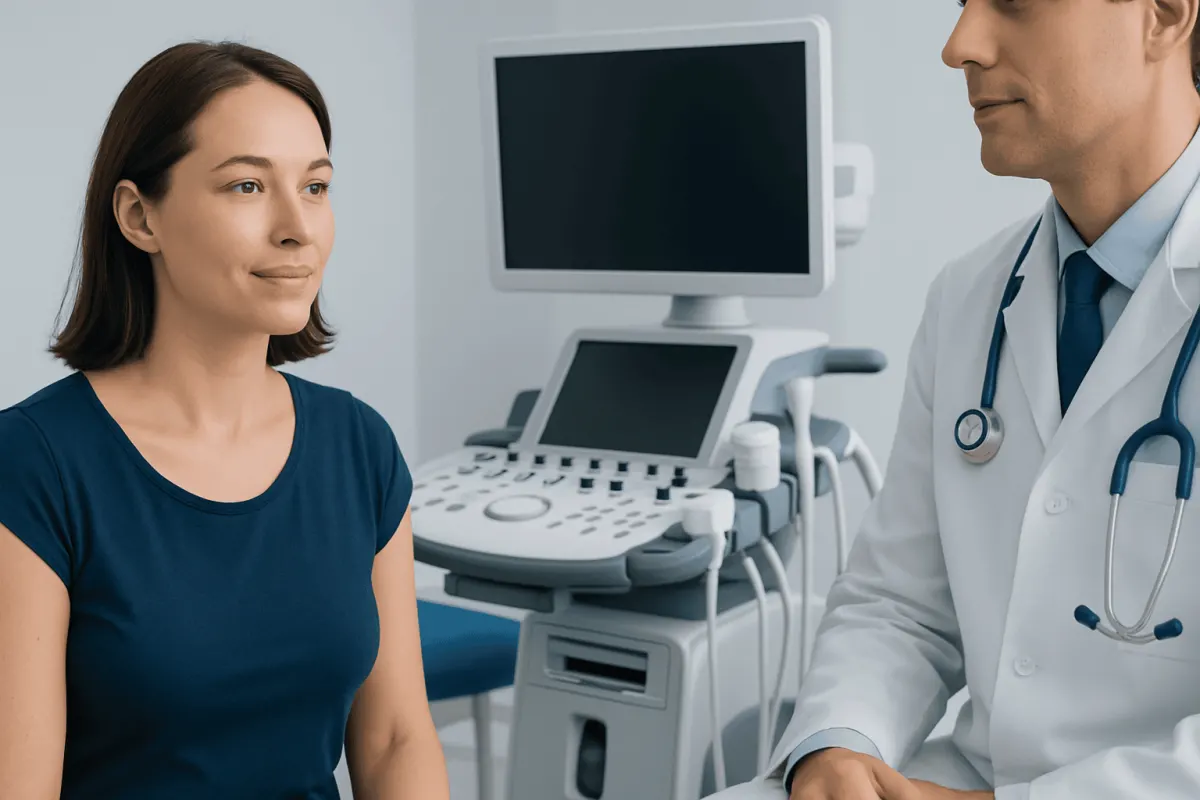
A good candidate for accessory breast tissue removal is someone who has a confirmed diagnosis and is bothered by the tissue either physically or emotionally. Common reasons for seeking treatment include underarm bulging, pain or tenderness, swelling during hormonal changes, chafing, difficulty finding comfortable clothing, and self-consciousness in fitted tops or swimwear.
People may also be good candidates if the tissue becomes more prominent during pregnancy or breastfeeding, causes asymmetry, or interferes with movement or shaving. Some patients report repeated skin irritation or discomfort from bra straps rubbing over the area. Others simply want clearer underarm contour when diet and exercise do not change the fullness.
In general, surgeons look for candidates who are in good overall health, have stable weight, do not smoke or are willing to stop around the time of surgery, and have realistic expectations. Good candidates understand that removal can improve contour and symptoms, but it may leave a scar and recovery takes time. A consultation helps determine whether surgery, liposuction, or observation is the most appropriate option.
Symptoms and How Accessory Tissue Can Affect Daily Life

Accessory breast tissue does not always cause symptoms, but when it does, the effects can be frustrating. The area may look like a persistent underarm bulge, feel soft or firm, or become sore before a menstrual period. Some people notice it only on one side, while others have fullness on both sides.
Symptoms often become more obvious when hormones change. During puberty, pregnancy, or breastfeeding, the tissue may enlarge and become tender because it can respond like normal breast tissue. In some cases, there may even be a feeling of fullness or milk production. This can make everyday activities uncomfortable and lead to repeated rubbing, redness, or skin irritation.
Emotional impact matters too. Patients may avoid sleeveless clothes, fitted outfits, exercise clothing, or certain social situations because of the visible contour. For some, reassurance and observation are enough. For others, removal is considered because symptoms persist or quality of life is affected.
- Visible underarm fullness or asymmetry
- Tenderness, swelling, or cyclical pain
- Skin irritation, chafing, or pressure from bras
- Discomfort during arm movement or exercise
- Cosmetic concern or reduced confidence
Causes, Risk Factors, and Conditions That Can Look Similar
Accessory breast tissue usually develops before birth as part of normal embryologic development. During fetal growth, breast tissue forms along the milk line, and most of this tissue later regresses. If a portion remains, accessory breast tissue can develop. It is not caused by anything a person did or did not do.
Although it is a developmental variation, people may not notice it until later in life. Hormonal changes, weight gain, pregnancy, and breastfeeding can make the area more visible. It can occur in women and men, although women are more likely to seek evaluation because hormonal changes often make symptoms more noticeable. In men, an underarm bulge may occasionally be considered alongside chest-related issues such as gynecomastia.
Not every lump or fullness in the armpit is accessory breast tissue. Other possible causes include fatty lumps called lipomas, enlarged lymph nodes, cysts, hidradenitis, scar tissue, or skin lesions. In rare situations, a specialist may also evaluate whether symptoms relate to scar-prone conditions such as keloid scars after previous procedures or irritation. This is why assessment by a qualified doctor is important before planning treatment.
Diagnosis and Pre-Surgical Evaluation
Diagnosis starts with a medical history and physical examination. The doctor asks when the tissue first appeared, whether it changes with menstrual cycles or pregnancy, whether there is pain or discharge, and whether it has grown over time. The exam helps assess the size, texture, skin quality, and whether the fullness seems to be mainly glandular tissue, fat, or excess skin.
Imaging may be used when needed, especially if there is a distinct lump, uncertainty in the diagnosis, or age-related breast screening considerations. Ultrasound is often helpful, and some patients may need mammography or other imaging depending on their age, symptoms, and risk factors. If there are unusual features, the doctor may recommend further testing before any cosmetic procedure is considered.
Pre-surgical evaluation also includes a discussion of goals and technique. Patients should understand where scars may be placed, whether liposuction alone is likely to work, and whether direct excision is needed to remove firmer glandular tissue. In some cases, a surgeon may combine excision with liposuction to improve contour and reduce fullness more evenly.
Treatment Options and What Surgery Involves
Treatment depends on symptoms, anatomy, and patient preference. If the tissue is small and not troublesome, no treatment may be necessary. Supportive clothing, skin care, and monitoring may be enough for people who have mild symptoms or do not want a procedure. However, if the tissue is painful, repeatedly irritated, or cosmetically bothersome, removal may be reasonable.
Surgical options commonly include direct excision, liposuction, or a combination of both. Direct excision is often preferred when there is true glandular breast tissue or excess skin because these are less likely to improve with liposuction alone. Liposuction may be more useful when the fullness is mostly fatty and skin elasticity is good. Some patients with broader breast contour concerns may also discuss how treatment relates to aesthetic breast surgery planning.
The procedure is usually planned carefully to hide the incision as much as possible in a natural crease. Recovery varies by technique, but swelling, bruising, numbness, and temporary tightness are common early effects. Most patients are advised to limit strenuous activity for a period and follow wound care instructions closely. A surgeon will also explain the small but real risks of bleeding, infection, contour irregularity, fluid collection, scar visibility, and recurrence if tissue remains.
Prevention, Self-Care, and Recovery Tips
Accessory breast tissue itself cannot really be prevented because it forms during development before birth. However, symptoms may sometimes be managed conservatively. Wearing well-fitted bras or supportive garments, reducing friction in the underarm area, and using gentle skin care products can lessen rubbing and irritation. Maintaining a stable weight may also help because fatty fullness in the area can become more noticeable with weight gain.
After removal, recovery habits can influence comfort and scar quality. Patients are typically advised to keep the area clean and dry, avoid heavy lifting until cleared, and wear any recommended compression garment. It is also important to attend follow-up visits so the surgeon can monitor healing and address any concerns early.
Scar care matters, especially in an area that moves frequently. The medical team may recommend silicone-based scar care, sun protection once the area is healed, and gradual return to exercise. Near the end of treatment planning, patients may appreciate knowing that Acıbadem Health Point’s multidisciplinary specialists and JCI-accredited hospitals evaluate and treat accessory breast concerns for international patients in a coordinated setting.
When to See a Doctor
It is sensible to see a doctor for any new or changing underarm lump, especially if it feels firm, grows quickly, becomes persistently painful, or is associated with skin changes. While accessory breast tissue is often benign, underarm swelling can have many causes and should not be assumed to be harmless without assessment.
Medical review is also important if the area changes during pregnancy or breastfeeding, interferes with movement, or causes repeated skin breakdown. People considering surgery should seek consultation with a board-certified or otherwise appropriately qualified plastic surgeon or breast specialist who is experienced in evaluating axillary tissue.
Prompt evaluation is especially important if there are warning signs such as redness with fever, nipple-like discharge from the area, unexplained weight loss, or enlarged lymph nodes. A doctor can confirm the diagnosis, explain treatment choices, and help decide whether removal is likely to improve symptoms and appearance safely.
Frequently asked questions
01What is accessory breast tissue?
Accessory breast tissue is extra breast tissue that develops outside the usual breast area, most often in the armpit. It can contain glandular tissue, fat, skin, or a combination, and it may respond to hormones just like normal breast tissue.
02How does someone know if they are a good candidate for accessory breast tissue removal?
A good candidate usually has confirmed accessory breast tissue that causes discomfort, swelling, irritation, or cosmetic concern. They should also be in reasonably good health, have realistic expectations, and understand that treatment choice depends on the type of tissue present.
03Can accessory breast tissue go away with weight loss?
Weight loss may reduce the fatty component of underarm fullness, but true glandular accessory breast tissue often does not disappear completely. That is why some people continue to notice a bulge even after reaching a healthy and stable weight.
04Is accessory breast tissue removal the same as liposuction?
Not always. Some patients benefit from liposuction if the fullness is mostly fat, while others need direct surgical excision because glandular tissue and excess skin usually do not respond as well to liposuction alone.
05Can accessory breast tissue come back after surgery?
If the tissue is fully removed, recurrence is less likely, but no procedure can promise a perfect or permanent result in every case. Residual fullness may sometimes remain if the area contains a mix of tissue types or if contour needs to be balanced carefully for safety.
06Does accessory breast tissue increase cancer risk?
Accessory breast tissue can develop many of the same benign or malignant conditions as normal breast tissue, but this does not mean every underarm lump is dangerous. Any new, changing, or suspicious lump should be assessed by a doctor so the correct diagnosis can be made.
This article is for general information only and is not a substitute for professional medical advice. Please consult a qualified doctor about your individual situation.
Explore treatments in Turkey — costs, top hospitals & a free quote
JCI-accredited · board-certified surgeons · reply within 24h
Add us as a Preferred Source to see more of our trusted health content across Google Search, AI Overviews and Discover.