Classic Liposuction: What It Can Treat and What It Cannot Fix

Classic liposuction is a body contouring procedure designed to remove localized fat deposits that do not respond well to diet and exercise. It can refine shape in selected areas, but it is not a treatment for overall weight loss, obesity, loose skin, or cellulite.
Overview
Classic liposuction is a surgical procedure that removes unwanted fat from specific parts of the body to improve contour and proportion. It is most often used when a person has localized fat deposits that remain despite healthy eating and regular activity. The goal is shaping rather than major weight reduction.
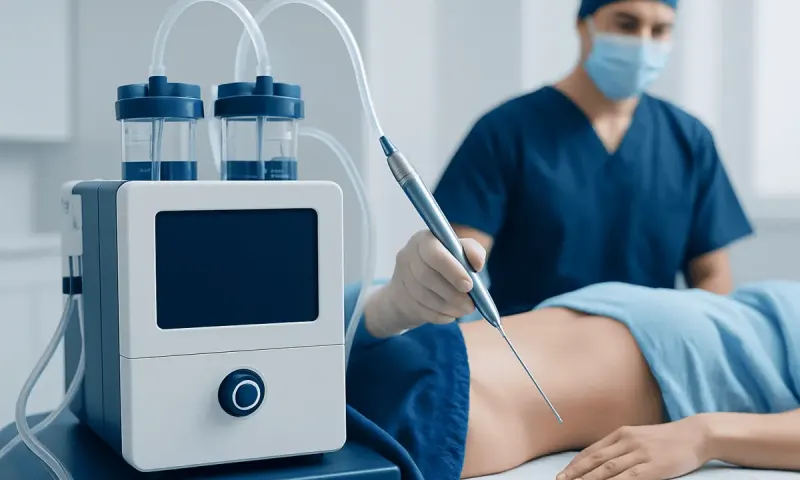
During the procedure, a surgeon uses a thin tube called a cannula to loosen and suction out fat through small incisions. Different techniques may be used, but the principle is the same: to reduce fat in carefully selected areas while preserving a natural-looking result. Many people consider classic liposuction when they want a more defined silhouette in areas that are difficult to slim with lifestyle measures alone.
Common treatment areas include the abdomen, waist, hips, thighs, buttocks, upper arms, back, chest, neck, and under the chin. In some cases, liposuction may be combined with other contouring procedures if a person also has skin laxity or needs more extensive reshaping. This is why the procedure is often discussed alongside broader body contouring options.
What Classic Liposuction Can Treat
Classic liposuction is most effective for pockets of fat that are out of proportion with the rest of the body. These deposits can occur even in people who are active and otherwise close to their ideal weight. The procedure can create smoother lines and better balance between body areas.
It may help treat:
- Abdominal or waist fat that remains despite exercise
- Fat on the outer or inner thighs
- Fullness around the hips or flanks
- Back or bra-line bulges
- Fat accumulation in the upper arms
- Small fatty areas under the chin or along the jawline
- Selected chest fat in men, although some cases may relate to gynecomastia and need a different surgical plan
Liposuction can also be part of a wider aesthetic strategy after pregnancy or significant weight changes, especially when the concern is persistent fat rather than excess skin. In some patients, surgeons may suggest combining it with procedures such as arm liposuction for focused arm contouring or another lifting procedure if the main problem is tissue laxity.
Results are usually best when the skin still has enough elasticity to contract after fat is removed. This allows the treated area to look smoother as swelling settles and the body adapts to its new contour over time.
What Classic Liposuction Cannot Fix

Classic liposuction has clear limits, and understanding them helps people make informed decisions. It is not a treatment for obesity and should not be viewed as a substitute for healthy lifestyle habits. Removing fat surgically can reshape a body area, but it does not address the medical, metabolic, or behavioral causes of excess weight.
It also does not reliably tighten significantly loose or hanging skin. If someone has substantial skin laxity after pregnancy, aging, or major weight loss, a lifting procedure may be more appropriate than liposuction alone. For example, patients with loose tissues after large weight changes may benefit more from bariatric contouring or other skin-removal surgery.
Classic liposuction is also not designed to erase cellulite, stretch marks, or uneven skin texture. Cellulite involves fibrous bands and skin structure, not just excess fat, so improvement is often limited and unpredictable. Likewise, scars, stretch marks, and muscle separation of the abdomen need different treatments.
Finally, liposuction cannot correct every cause of a body bulge. A protruding abdomen may come from weak abdominal muscles, bloating, posture, or hernias rather than fat alone. A careful assessment helps identify whether liposuction is truly the right solution.
Who May Be a Good Candidate
A good candidate for classic liposuction is usually an adult in generally good health who has one or more stable areas of unwanted fat. The person should ideally be near a sustainable weight, because liposuction is intended to refine shape rather than produce dramatic overall weight loss.
Skin quality matters. People with mild to moderate skin elasticity often see smoother contour changes after fat removal, while those with very lax skin may be disappointed if they expect tightening from liposuction alone. Surgeons also look for realistic goals, emotional readiness, and a clear understanding of recovery.
Several factors may affect candidacy, including smoking, certain chronic illnesses, bleeding disorders, or medications that increase surgical risk. A doctor will also ask about previous operations, weight changes, and whether the concern is truly excess fat or a combination of fat, glandular tissue, and skin.
In some situations, another procedure may be a better fit. For example, if sagging is the main issue rather than fat volume, a lifting approach may offer more benefit than suction alone. This is one reason individualized surgical planning is so important.
Diagnosis and Consultation Planning
Classic liposuction does not usually require complex testing to diagnose a disease, but it does require a careful surgical evaluation. During consultation, the surgeon examines the treatment area, skin tone, fat distribution, symmetry, and overall body proportions. Photographs may be taken to support planning and help discuss expected changes.
The doctor will ask about general health, medications, allergies, previous anesthesia experiences, and smoking or vaping habits. Weight stability is an important part of assessment because future weight gain or loss can influence results. In some cases, basic blood tests or other preoperative checks are recommended to improve safety.
This consultation is also the time to discuss what the procedure can and cannot accomplish. A surgeon may explain whether liposuction alone is appropriate or whether another option, such as abdominoplasty and related Neck Contouring Surgery: What to Expect Before, During, and After" class="ahp-ilk">contouring surgery, would better address loose skin and weakened tissues. When expectations match what the procedure can realistically deliver, satisfaction is usually higher.
Patients are encouraged to share their priorities clearly, such as wanting slimmer arms, a flatter waistline, or improved clothing fit. The most useful plan is one tailored to body shape, skin quality, and long-term goals rather than a one-size-fits-all approach.
Treatment, Recovery, and Possible Risks
Classic liposuction is usually performed under local anesthesia with sedation or general anesthesia, depending on the area treated and the amount of fat to be removed. Small incisions are made, and the surgeon inserts a cannula to loosen and suction fat in a controlled manner. The procedure may be done on a single area or several areas in the same session when appropriate.
After surgery, swelling, bruising, soreness, and temporary fluid drainage from incision sites are common. A compression garment is often recommended to support healing and help the body adapt to its new contours. Many people return to light daily activities within days, but full recovery and the final shape take longer as swelling gradually decreases over weeks to months.
Like all surgery, liposuction has possible risks. These can include bleeding, infection, contour irregularities, asymmetry, fluid collection, numbness, delayed healing, and anesthesia-related complications. Serious problems are uncommon when the procedure is performed by qualified surgeons in appropriate settings, but they should still be discussed openly before treatment.
Long-term results depend on maintaining a stable weight. Fat cells removed by liposuction do not come back in the same number, but remaining fat cells in the body can still enlarge if weight increases. Following postoperative advice and realistic lifestyle habits helps preserve the result.
Prevention, Self-care, and When to See a Doctor
There is no way to permanently prevent all stubborn fat deposits, because body shape is influenced by genetics, hormones, age, and lifestyle. However, balanced nutrition, regular physical activity, adequate sleep, and weight stability can reduce the chance of future contour changes and support the benefits of any aesthetic procedure.
Before choosing surgery, it is sensible to review goals carefully. If the main concern is fitness, overall weight, or skin quality rather than isolated fat, another treatment path may be better. A qualified plastic surgeon can explain whether liposuction, a lifting procedure, or a nonsurgical option is more suitable for the specific concern.
After treatment, a doctor should be contacted promptly for increasing pain, fever, heavy bleeding, shortness of breath, significant swelling on one side, unusual drainage, or any symptom that feels severe or worrying. Follow-up visits are an important part of safe recovery and allow the surgical team to monitor healing.
For people seeking evaluation and treatment, Acıbadem Health Point’s multidisciplinary specialists and JCI-accredited hospitals care for international patients with a range of aesthetic and reconstructive needs. A consultation can help clarify whether classic liposuction is the right choice, or whether a different body shaping approach would better match the person’s goals.
Frequently asked questions
01Is classic liposuction a weight-loss procedure?
No. Classic liposuction is mainly a body contouring procedure used to remove localized fat deposits. It can improve shape, but it is not meant to treat obesity or replace healthy eating and exercise.
02Can classic liposuction tighten loose skin?
Usually not to a significant degree. Mild skin retraction may occur if the skin has good elasticity, but liposuction does not remove or tighten large amounts of loose skin. In those situations, a lifting procedure may be more appropriate.
03Does liposuction get rid of cellulite?
Not reliably. Cellulite is related to the structure of the skin and the fibrous bands underneath it, not simply extra fat. Some people may notice a small change, but liposuction is not considered a dependable cellulite treatment.
04Which body areas can be treated with classic liposuction?
Common areas include the abdomen, waist, hips, thighs, back, upper arms, buttocks, chest, neck, and under the chin. The exact plan depends on body proportions, skin quality, and the amount of localized fat. A surgeon can explain which areas are likely to respond best.
05Are the results of classic liposuction permanent?
The fat cells removed are gone permanently from the treated area. However, remaining fat cells can still enlarge if a person gains weight later. Maintaining a stable weight helps preserve the contour change over time.
06How long does recovery take after classic liposuction?
Initial recovery often takes days to a couple of weeks, depending on the extent of treatment and the person’s general health. Swelling and bruising can last longer, and final contour results may take several months to become clear. Following postoperative instructions is important for healing.
This article is for general information only and is not a substitute for professional medical advice. Please consult a qualified doctor about your individual situation.
Medical weight-loss options in Turkey — costs & eligibility
JCI-accredited · board-certified surgeons · reply within 24h
Add us as a Preferred Source to see more of our trusted health content across Google Search, AI Overviews and Discover.