Accessory Breast Tissue in the Armpit: Symptoms, Diagnosis, and Removal Options

Accessory breast tissue in the armpit is a common congenital variation in which extra breast-like tissue develops outside the usual breast area. It is usually benign, but medical assessment can confirm the diagnosis and guide options such as monitoring, liposuction, surgical excision, or combined removal.
Overview
Accessory breast tissue, also called ectopic breast tissue, axillary breast tissue, or polymastia, is extra breast tissue that develops outside the normal breast area. It is most often noticed in the armpit, but it can occur anywhere along the embryonic milk line, which runs from the underarm to the groin. The tissue may contain glandular breast tissue, fatty tissue, skin, and occasionally a nipple or areola-like structure.
This condition forms during fetal development when parts of the milk line do not fully regress. For many people, it is small and causes no symptoms. Others notice a visible bulge, tenderness, swelling, or discomfort, especially during hormonal changes such as menstruation, pregnancy, or breastfeeding.
Accessory breast tissue is usually benign. However, because true breast tissue can respond to hormones and may develop the same types of benign or malignant changes as normal breast tissue, a proper medical evaluation is important. When symptoms or appearance are bothersome, accessory breast treatment can include careful monitoring, liposuction, surgical excision, or a combination approach.
Symptoms and What It Can Feel Like
Accessory breast tissue in the armpit often appears as a soft, rubbery, or sometimes firm fullness beneath the skin. It may be present on one side or both sides. Some people first notice it after puberty, during pregnancy, after weight gain, or while breastfeeding, when the tissue becomes more prominent.
Common symptoms include swelling, tenderness, a feeling of heaviness in the underarm, irritation from clothing, or discomfort when moving the arm. The area may enlarge before a menstrual period and then become less noticeable afterward. During breastfeeding, accessory glandular tissue may swell and, rarely, produce milk or become painful from engorgement.
- A visible armpit bulge that does not fully disappear with weight loss
- Cyclic tenderness or swelling linked to menstrual periods
- Skin rubbing, sweating, or irritation in the underarm fold
- Discomfort with exercise, tight clothing, or arm movement
- Cosmetic concern about contour or asymmetry
Not every armpit lump is accessory breast tissue. Enlarged lymph nodes, cysts, lipomas, hidradenitis suppurativa, infection, and other breast or skin conditions can look or feel similar. A clinician can distinguish these possibilities through examination and appropriate imaging.
Causes and Risk Factors

Accessory breast tissue is congenital, meaning it is related to development before birth rather than something a person does later in life. During embryonic development, a ridge of tissue known as the mammary ridge or milk line normally disappears except in the chest area, where the breasts form. If part of this tissue remains, accessory breast tissue may develop.
Hormonal changes do not cause accessory breast tissue to appear for the first time, but they can make existing tissue more noticeable. Puberty, menstrual cycles, pregnancy, breastfeeding, hormonal medications, and menopause-related changes can affect swelling, tenderness, and size. Weight gain can also make the area more visible when accessory tissue includes fat.
Accessory breast tissue can occur in any sex, although it is more commonly recognized in women because hormonal changes and breast development make it easier to detect. A family tendency may be present in some cases, but many people have no known family history. Having accessory breast tissue does not mean a person has done anything wrong, and it is not caused by poor posture, deodorant use, shaving, or exercise.
Diagnosis and Tests
Diagnosis begins with a medical history and physical examination. The doctor will ask when the swelling was first noticed, whether it changes with menstrual cycles or pregnancy, whether there is pain or nipple-like tissue, and whether there are breast symptoms such as a new lump, discharge, skin changes, or asymmetry. The armpit, breast, and nearby lymph node areas are usually examined together.
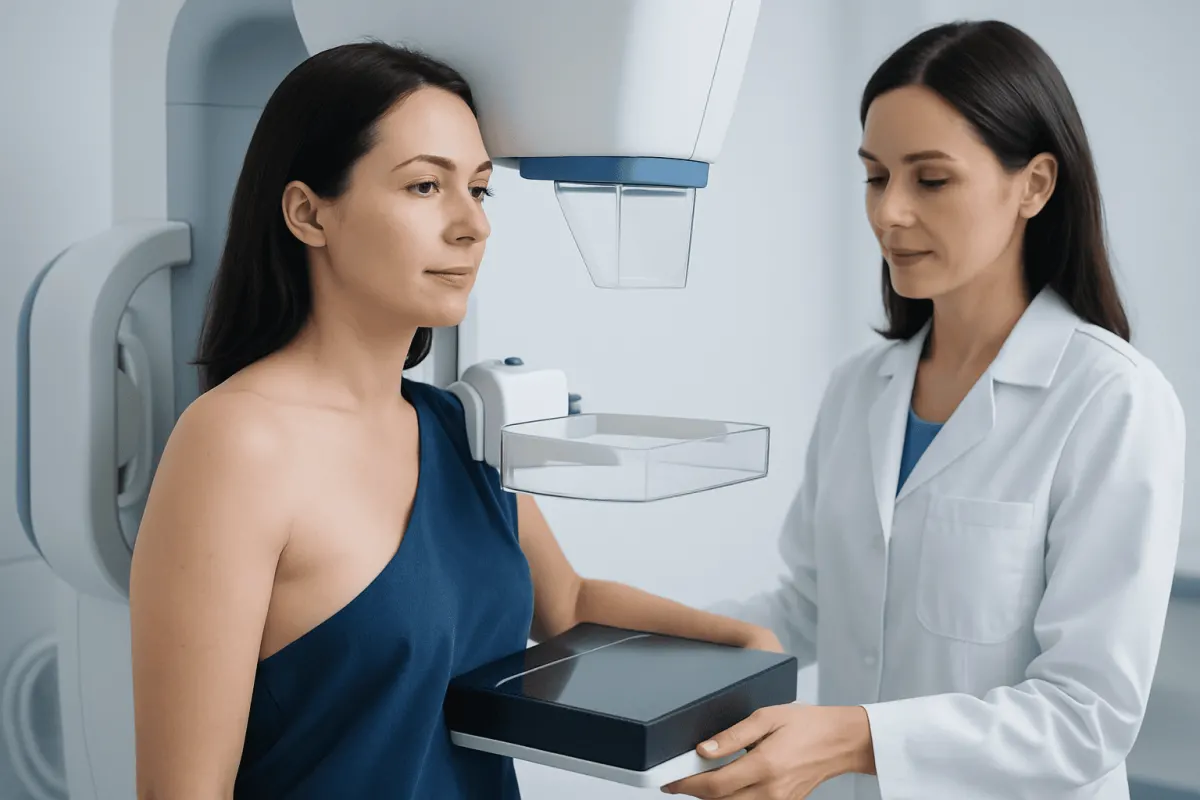
Imaging may be recommended when the diagnosis is uncertain, the tissue is new or changing, or the patient is in an age group where breast screening is appropriate. Ultrasound is commonly used for armpit lumps because it can help distinguish glandular tissue, fat, cysts, and lymph nodes. Mammography may be used to evaluate the breast and axillary extension of tissue, while MRI may be considered in selected cases for complex anatomy or surgical planning.
If imaging shows an unusual feature, or if a lump feels suspicious on examination, a needle biopsy may be advised. This does not mean cancer is expected; it is a standard way to clarify unclear findings. Because accessory tissue can behave like normal breast tissue, routine breast awareness and age-appropriate screening remain important.
Treatment Options and Removal Methods
Treatment depends on symptoms, tissue composition, size, skin quality, and personal goals. If accessory breast tissue is small, stable, and not bothersome, observation may be enough. A doctor may recommend periodic review, especially if the tissue changes with hormones or if there are other breast health considerations.
When removal is preferred, liposuction may be suitable if the area is mostly fatty and the skin has good elasticity. It can improve contour through small incisions, but it may not fully remove dense glandular tissue. In some patients, classic liposuction or a targeted body-contouring approach is combined with direct excision to address both fat and glandular tissue.
Surgical excision removes glandular tissue more directly and may also remove extra skin or a nipple-like structure if present. This is often chosen when the tissue is firm, painful, recurrently swollen, or clearly glandular. For people who also have breast shape or size concerns, planning may overlap with aesthetic breast surgery, although accessory tissue removal is a distinct procedure with its own goals.
Recovery varies with the extent of treatment. Patients may be asked to wear a supportive compression garment, limit strenuous arm activity for a short period, and attend follow-up visits to monitor healing. Temporary swelling, bruising, tightness, or numbness can occur, and scars usually mature gradually over several months.
Benefits, Limitations, and Possible Risks of Removal
Removal can reduce recurring discomfort, improve underarm contour, decrease rubbing or sweating in a skin fold, and make clothing fit more comfortably. For some patients, the main benefit is improved confidence when wearing sleeveless clothing or swimwear. A clear diagnosis before treatment helps set realistic expectations and select the right technique.
Like any procedure, accessory breast removal has limitations. Liposuction alone may not remove all glandular tissue, while excision may leave a longer scar. If there is significant skin laxity, removing tissue without addressing skin may leave looseness; if skin is removed, the scar may be more visible. A surgeon balances contour, tissue removal, scar placement, and underarm movement.
Possible risks include bleeding, infection, fluid collection, delayed healing, asymmetry, contour irregularity, visible scarring, changes in sensation, and the need for revision. These risks are generally managed with careful planning, sterile technique, appropriate aftercare, and follow-up. Patients should discuss their medical history, medications, smoking status, and expectations before deciding on surgery.
Prevention, Self-Care, and Living With It
Accessory breast tissue cannot be prevented because it develops before birth. However, symptoms can often be managed. Wearing well-fitting bras and breathable clothing may reduce rubbing, while gentle skin care can help prevent irritation in the underarm crease. During tender phases, avoiding tight seams, heavy shoulder straps, or intense friction may be helpful.
People who notice cyclical swelling can track symptoms across menstrual cycles, pregnancy, or breastfeeding. This information can help the doctor determine whether the tissue behaves like hormone-responsive breast tissue. During breastfeeding, a lactation professional or doctor can advise on managing engorgement, avoiding pressure, and recognizing signs of infection.
Self-checks should be gentle and should not replace medical assessment. It is reasonable to become familiar with the usual feel and appearance of the area and to report new, persistent, or unusual changes. Maintaining age-appropriate breast screening is also important, especially when accessory tissue is confirmed to contain glandular breast tissue.
When to See a Doctor
A medical appointment is recommended for any new armpit lump, a rapidly enlarging swelling, persistent pain, skin redness, drainage, fever, or a lump that feels hard or fixed. Patients should also seek evaluation for nipple discharge, skin dimpling, an unexplained breast lump, or changes that do not follow a familiar hormonal pattern.
Patients who are considering removal should consult a qualified plastic surgeon, breast surgeon, or general surgeon experienced in axillary anatomy. The consultation should include examination, discussion of imaging if needed, review of treatment options, and an explanation of scars, recovery, and realistic outcomes. The goal is not only to improve contour but also to confirm that the correct diagnosis has been made.
Acıbadem Health Point’s multidisciplinary specialists and JCI-accredited hospitals evaluate and treat accessory breast tissue for international patients, including diagnostic imaging, surgical planning, and follow-up care. Decisions are individualized, and patients should choose treatment after a clear discussion of benefits, alternatives, and possible risks.
Frequently asked questions
01Is accessory breast tissue in the armpit dangerous?
Accessory breast tissue is usually benign and often causes no medical problem. However, because it can contain true breast tissue, it should be evaluated if it is new, changing, painful, or associated with breast symptoms. A doctor can confirm the diagnosis and decide whether imaging is needed.
02Can accessory breast tissue go away on its own?
True accessory breast tissue usually does not disappear completely on its own. It may become less noticeable with weight loss or after hormonal swelling settles, but glandular tissue can remain. If it causes discomfort or cosmetic concern, removal can be discussed.
03How is accessory breast tissue different from armpit fat?
Armpit fat is fatty tissue, while accessory breast tissue may contain glandular breast tissue that responds to hormones. In practice, the two can coexist and may look similar from the outside. Ultrasound and clinical examination can help identify the tissue type.
04What is the best way to remove accessory breast tissue?
The best method depends on whether the area is mainly fat, glandular tissue, excess skin, or a combination. Liposuction may help fatty fullness, while surgical excision is often better for dense glandular tissue or extra skin. Many patients benefit from a combined approach.
05Will removal leave a scar?
Any surgical excision leaves a scar, but surgeons usually place incisions in natural underarm folds when possible. Liposuction uses smaller access points, although it may not be sufficient for all tissue types. Scar appearance depends on technique, skin type, healing, and aftercare.
06Can accessory breast tissue come back after removal?
Completely removed glandular tissue usually does not grow back in the same way. However, remaining fat cells can enlarge with weight gain, and residual glandular tissue may still respond to hormones if not fully removed. Follow-up care helps monitor healing and long-term contour.
07Should accessory breast tissue be included in breast cancer screening?
Patients with confirmed glandular accessory breast tissue should tell their healthcare provider and imaging team. Standard breast screening recommendations still apply, and additional evaluation may be considered if there are symptoms or findings in the armpit. The screening plan should be individualized by a clinician.
This article is for general information only and is not a substitute for professional medical advice. Please consult a qualified doctor about your individual situation.
Medical weight-loss options in Turkey — costs & eligibility
JCI-accredited · board-certified surgeons · reply within 24h
Add us as a Preferred Source to see more of our trusted health content across Google Search, AI Overviews and Discover.