Who Is a Good Candidate for Breast Augmentation?

A good candidate for breast augmentation is usually an adult in good overall health who wants to enhance breast size, restore volume, or improve symmetry and has realistic expectations about results. A careful consultation helps confirm whether the procedure matches the person’s anatomy, goals, and safety needs.
Overview: What Makes Someone a Good Candidate?
Breast augmentation is a cosmetic procedure designed to increase breast volume or improve breast shape. It is commonly chosen by people who would like a fuller appearance, better balance between the breasts, or restoration of volume lost after pregnancy, breastfeeding, weight loss, or aging. The decision is personal, and the best candidates are usually those seeking change for themselves rather than because of outside pressure.
In general, a good candidate is an adult in good physical and emotional health who understands what breast augmentation can and cannot do. The procedure can enhance size and contour, but it does not automatically correct significant breast drooping, skin laxity, or all chest wall differences. In some cases, another procedure may be discussed alongside augmentation to achieve the most balanced result.
Suitability is not based on one factor alone. A plastic surgeon will look at the person’s overall health, breast anatomy, skin quality, expectations, and recovery readiness. This is why the consultation is so important: it helps determine whether breast augmentation is appropriate and which technique may offer the safest and most natural-looking outcome.
Common Reasons People Consider Breast Augmentation
People pursue breast augmentation for different reasons, and many of them are entirely valid. Some have naturally small breasts and want a fuller figure. Others have noticeable asymmetry, where one breast is a different size or shape than the other. Many also wish to restore volume that changed after pregnancy, breastfeeding, major weight loss, or age-related tissue changes.
For some, the goal is to improve how clothing fits or to feel more comfortable with body proportions. For others, it is part of a broader body contouring plan. What matters most is that the goals are specific, realistic, and discussed openly with the surgeon. A person who wants subtle enhancement may need a different plan from someone seeking more dramatic volume.
Breast augmentation can also be considered in selected reconstructive or correctional situations. For example, people with accessory breast tissue may need assessment for both appearance and comfort concerns, and this may overlap with accessory breast treatment or other breast-focused procedures. If there is significant drooping, shape concerns, or a wish to explore more than one option, the consultation may also include discussion of aesthetic breast surgery approaches beyond augmentation alone.
Health and Lifestyle Factors That Matter

Good general health is one of the most important parts of candidacy. Candidates should ideally not have uncontrolled chronic illnesses, active infections, or medical issues that make anesthesia or wound healing riskier. A surgeon will ask about previous operations, medications, allergies, bleeding tendencies, and family history, as well as any breast-related symptoms or concerns.
Smoking and nicotine use deserve special attention. Smoking can reduce blood flow and increase the chance of delayed healing and other complications. Many surgeons recommend stopping smoking and avoiding nicotine products for a period before and after surgery. Alcohol use, recreational drugs, and supplements that may affect bleeding or recovery should also be disclosed honestly.
Weight stability and lifestyle habits matter too. A person planning major future weight loss may be advised to wait, since body changes can affect breast shape and surgical results. It is also important to consider pregnancy plans, exercise routine, work demands, and how much help will be available during early recovery. Good candidates are usually prepared to follow instructions carefully and attend follow-up visits.
Emotional readiness is another part of the decision. The ideal candidate understands that all surgery involves trade-offs, including scars, recovery time, and the possibility of future revision. A healthy motivation and realistic expectations often support greater satisfaction with the final outcome.
Physical Features Surgeons Evaluate
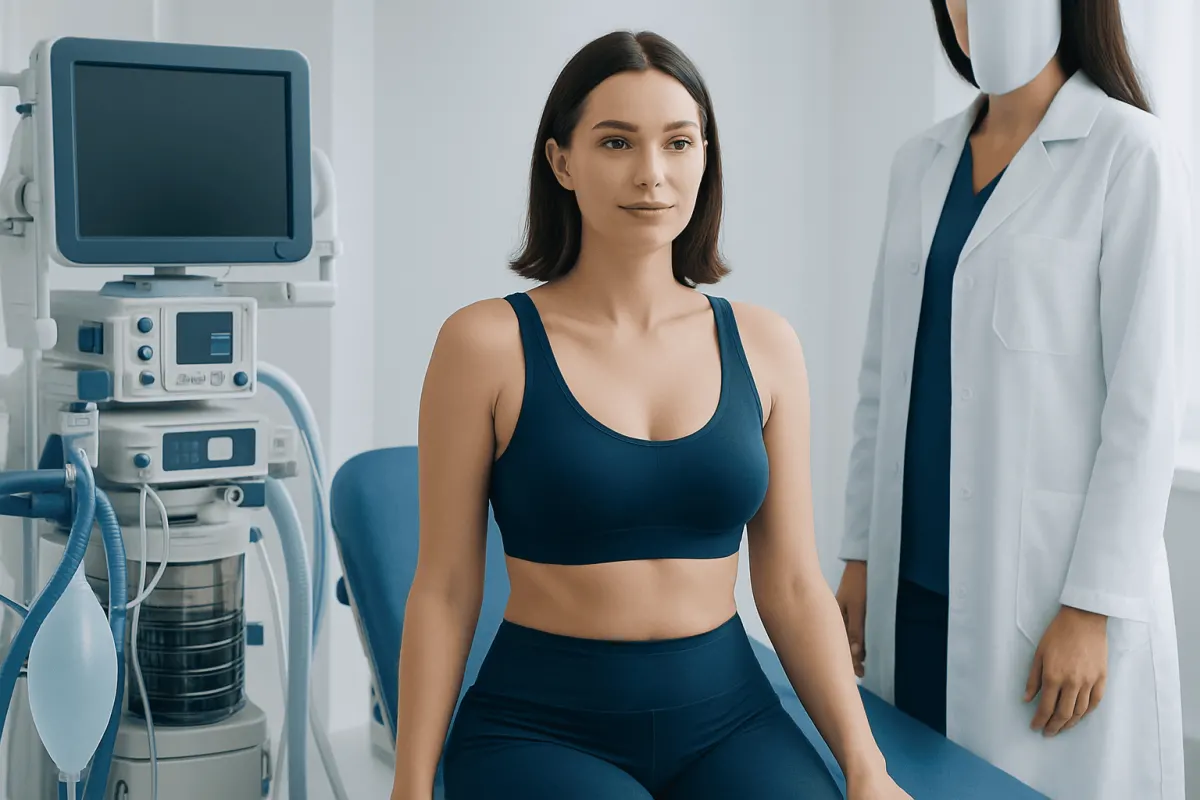
Breast augmentation planning is highly individualized. During the examination, the surgeon assesses breast width, current volume, nipple position, skin elasticity, chest wall shape, and the amount of existing breast tissue. These details help determine what implant size and profile may be appropriate, or whether fat transfer could be considered in selected cases.
Skin quality is especially important. If the skin is tight, there may be limits to how much volume can be added safely in one operation. If the skin is loose or the breasts droop significantly, augmentation alone may not provide the desired lift. In those cases, the surgeon may explain that an additional reshaping procedure may be needed to achieve a more harmonious result.
Asymmetry is common, and most people are not perfectly symmetrical. A consultation can clarify which differences are mild and expected and which may need a tailored surgical plan. A history of breast surgery, trauma, chest wall differences, or certain conditions can also influence planning. If a person has concerns about male breast enlargement rather than breast size enhancement, the issue may relate more closely to gynecomastia and require a different evaluation and treatment path.
Age and breast development also matter. Candidates are generally expected to have completed breast development before elective augmentation. Local regulations, implant type, and the person’s maturity and ability to consent all play a role in timing the procedure.
The Consultation: Questions, Tests, and Expectations
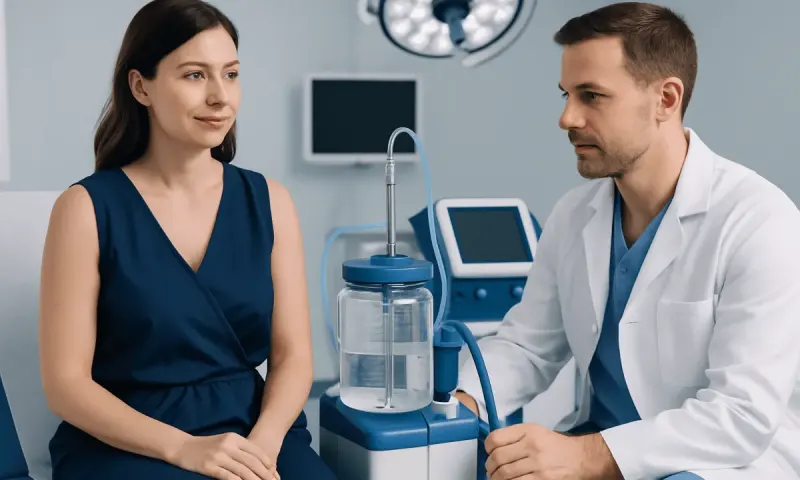
The consultation is the best time to decide whether breast augmentation is a good fit. The surgeon will ask why the person wants the procedure, what kind of change is hoped for, and whether that goal is achievable. Open discussion helps match expectations to anatomy and reduce misunderstanding later.
Topics usually include implant type, implant placement, incision options, expected scars, recovery time, and possible long-term considerations. Patients should feel comfortable asking about how the breasts may look and feel, how results may change over time, and what kinds of follow-up or future procedures might eventually be needed. Reviewing before-and-after examples can sometimes help clarify preferences, but individual results will always vary.
A breast examination is typically part of the visit, and the surgeon may recommend routine breast imaging or other tests depending on age, symptoms, personal history, and local screening guidance. This is also the time to discuss any breast pain, lumps, nipple discharge, family history of breast disease, or prior biopsies. Cosmetic surgery should not move forward until unexplained breast concerns are properly assessed.
Many people also benefit from learning about the broader category of breast aesthetic procedures so they can understand how augmentation compares with lifting, reduction, or combined techniques. A clear, informed decision is one of the strongest signs that a person is a good candidate.
Who May Need to Wait or Consider Alternatives?
Not everyone is ready for breast augmentation at the time of first inquiry. Surgery may need to be postponed if the person is pregnant, breastfeeding, recovering from a recent illness, or dealing with an untreated medical condition. Active skin problems or infections in the chest area can also delay surgery until healing is complete.
People with unrealistic expectations may benefit from more discussion before moving forward. For example, surgery cannot guarantee perfect symmetry, solve unrelated relationship or self-esteem concerns, or permanently stop the natural effects of aging and gravity. A responsible surgeon will help clarify these limits and may recommend waiting if goals are not well aligned with what surgery can safely achieve.
Some people may be better served by a different procedure. Significant sagging may call for a breast lift with or without augmentation. If the goal is modest enhancement and enough donor fat is available, fat transfer may be discussed in selected settings. Others may decide that no surgery is the right choice for them after learning about maintenance, scarring, and future revision possibilities. This is also a valid outcome of a thorough consultation.
Preparing for Surgery and Recovery
Once someone is confirmed to be a good candidate, preparation can improve both safety and comfort. Preoperative instructions often include stopping smoking, reviewing medications and supplements, arranging transportation, and preparing a recovery space at home. Practical planning matters: it helps reduce stress in the first few days after surgery.
Recovery varies from person to person and depends on the surgical technique used. Temporary swelling, soreness, tightness, and changes in sensation are common during the early healing period. Most patients need time away from strenuous exercise and heavy lifting, and they should follow their surgeon’s guidance closely about supportive garments, sleeping position, wound care, and return to activities.
Long-term satisfaction often depends on realistic expectations and ongoing breast awareness. Implants are not considered lifetime devices, and future monitoring may be advised. People should keep up with routine breast screening recommended for their age and risk profile and let healthcare providers know if they have implants when imaging is arranged.
Near the end of the decision process, some international patients also look for centers experienced in coordinated surgical care. Acıbadem Health Point’s multidisciplinary specialists and JCI-accredited hospitals diagnose and treat patients seeking aesthetic breast procedures with individualized planning and follow-up.
When to Speak With a Doctor
Anyone thinking about breast augmentation should speak with a qualified plastic surgeon before making a decision. A professional evaluation can confirm whether the person’s goals, anatomy, and health status make the procedure a good option. It can also identify situations where another treatment or a later surgery date would be safer.
Medical advice is especially important if there are breast symptoms such as a new lump, persistent pain, nipple discharge, skin changes, or a strong family history of breast disease. These issues should be assessed first rather than assumed to be cosmetic concerns. A patient should also seek medical guidance if they have had previous breast surgery, chest wall surgery, or significant scarring.
After surgery, prompt medical review is important for severe swelling, increasing redness, fever, unusual drainage, sudden asymmetry, or pain that seems to worsen rather than improve. While most recoveries are straightforward, early communication helps manage concerns quickly and safely.
Frequently asked questions
01What is the ideal age for breast augmentation?
There is no single ideal age for everyone. In general, candidates should be adults who have completed breast development and can make a well-informed decision. The appropriate timing also depends on health, life plans, and the type of implant or technique being considered.
02Can someone with uneven breasts be a good candidate for breast augmentation?
Yes, breast asymmetry is one of the common reasons people consider augmentation. The surgeon may recommend different implant sizes or a combined approach to improve balance. Perfect symmetry is not always possible, but noticeable differences can often be reduced.
03Is breast augmentation a good choice after pregnancy or weight loss?
It can be, especially if volume loss is the main concern. Many people choose augmentation to restore fullness after pregnancy, breastfeeding, or significant weight changes. If there is also substantial sagging, a lift may be discussed in addition to or instead of augmentation.
04Who should avoid or postpone breast augmentation?
People with uncontrolled medical conditions, active infections, untreated breast symptoms, or unrealistic expectations may need to wait. Smoking, pregnancy, breastfeeding, or plans for major near-term weight loss can also affect timing. A consultation helps determine whether surgery should be delayed or whether another option is better.
05Do good candidates need to be a certain body size or weight?
No single body type is required. What matters more is stable weight, overall health, and breast anatomy that can support the planned result safely. The surgeon will recommend an approach that fits the person’s frame and tissue characteristics.
06How does someone know if their expectations are realistic?
Realistic expectations usually mean understanding that augmentation can improve size and shape but cannot create perfection. The breasts will still be influenced by natural anatomy, healing, aging, and lifestyle changes over time. A detailed consultation is the best way to align goals with what surgery can actually achieve.
This article is for general information only and is not a substitute for professional medical advice. Please consult a qualified doctor about your individual situation.
Medical weight-loss options in Turkey — costs & eligibility
JCI-accredited · board-certified surgeons · reply within 24h
Add us as a Preferred Source to see more of our trusted health content across Google Search, AI Overviews and Discover.