

Medical Oncology
Medical treatment of cancer with chemotherapy, immunotherapy and targeted therapies under a multidisciplinary tumor board.
Medically reviewed by the Acıbadem clinical team — June 12, 2026
Medical oncology is the unit that treats cancer with medication — chemotherapy, immunotherapy, targeted therapy and hormone therapy — and coordinates the overall journey of a cancer patient. At Acıbadem International, medical oncology sits at the centre of a multidisciplinary cancer programme, working alongside radiation oncology, surgical teams and the tumor board, so that every patient receives a plan agreed by all the relevant specialists rather than a treatment chosen in isolation. For patients travelling from abroad, that coordination — and the practical support around it — can make a profoundly difficult time more manageable.
This page explains what the medical oncology unit covers, the cancers it treats, how cancer is diagnosed and planned, the treatments available, and how international patients are supported through what is often a long and demanding journey.
What the medical oncology unit covers
Cancer is not one disease but many, and modern treatment reflects that. Medical oncology focuses on the systemic (whole-body) treatment of cancer using drugs, and on guiding patients through diagnosis, treatment and follow-up. Its work connects closely with the other pillars of cancer care:
- Medical oncology — drug-based treatment such as chemotherapy, targeted therapy, immunotherapy and hormone therapy.
- Surgical oncology — removing tumors, carried out with the relevant surgical units such as general surgery.
- Radiation oncology — precise radiotherapy delivered by the radiation oncology unit.
- Supportive and palliative care — managing symptoms and side effects so patients can tolerate treatment and maintain quality of life.
These elements are brought together by the tumor board, a meeting where specialists from every relevant field review a patient’s case and agree on a single, personalized plan. This is the modern standard of cancer care, and it is built into how the unit works.
Cancers we treat
The unit treats a wide range of cancers in adults, working with subspecialist colleagues for particular tumor types. Among the most common reasons international patients seek care are:
- Breast cancer — one of the most common cancers, where coordinated surgery, drug therapy and radiotherapy are often combined.
- Lung cancer — where accurate staging and molecular testing increasingly guide targeted and immune-based treatment.
- Colorectal (bowel) cancer — treated with a combination of surgery and drug therapy depending on stage.
- Stomach and esophageal cancers — often requiring a carefully sequenced, multidisciplinary plan.
- Prostate and other urological cancers — managed with urology and, where needed, radiation oncology.
- Gynecological cancers — treated together with gynecologic oncology colleagues.
- Pancreatic, liver and other solid tumors — where multidisciplinary planning is especially important.
- Blood cancers and related disorders — managed with hematology colleagues.
Many patients arrive with a recent diagnosis from their home country and a great deal of uncertainty. A central role of the unit is to confirm exactly what type and stage of cancer is present, because everything that follows depends on getting that right.
How cancer is diagnosed and staged
Effective cancer treatment rests on a precise diagnosis. Before any treatment is recommended, the unit works to establish the exact type of cancer, how far it has spread, and — increasingly — its biological characteristics. This typically involves:
- Imaging — CT, MRI, PET-CT and ultrasound to locate the tumor and assess its spread, supported by the hospital group’s medical technologies.
- Biopsy and pathology — examining a tissue sample under the microscope to confirm the diagnosis.
- Molecular and genetic testing — analyzing the tumor’s biology to identify markers that can guide targeted or immune-based therapy.
- Blood tests and tumor markers — supporting diagnosis and monitoring response over time.
This careful staging and profiling is what allows treatment to be matched to each individual tumor, rather than applying the same approach to everyone with the same diagnosis. For patients who already have results from home, a remote review can often begin this process before travel.
Treatments and therapies
Medical oncology offers several types of drug treatment, frequently combined with surgery or radiotherapy as part of an overall plan.
Chemotherapy
Chemotherapy uses medicines that target rapidly dividing cancer cells. It remains a cornerstone of treatment for many cancers and is delivered in dedicated treatment units with careful monitoring and supportive care to manage side effects. Chemotherapy may be given before surgery to shrink a tumor, after surgery to reduce the risk of return, or as the main treatment in itself.
Targeted therapy
Targeted therapies act on specific features of cancer cells identified through molecular testing. Because they are aimed at particular targets, they can be highly effective in the right patients while sparing healthy tissue — which is why accurate tumor profiling matters so much.
Immunotherapy
Immunotherapy helps the body’s own immune system recognize and attack cancer. It has transformed the outlook for several cancer types in recent years and is an important option for suitable patients, used alone or alongside other treatments.
Hormone therapy
Some cancers, such as certain breast and prostate cancers, are driven by hormones. Hormone (endocrine) therapy works by blocking those signals and can be a key part of long-term treatment.
Combined and sequenced treatment
Cancer treatment is rarely a single step. The tumor board plans how drug therapy, surgery and radiotherapy fit together and in what order, so that each element supports the others. Specific therapies and procedures can be explored in the treatments library.
The tumor board: planning care together
The tumor board is the heart of modern cancer care. At these meetings, medical oncologists, surgeons, radiation oncologists, radiologists, pathologists and other specialists review each case together and agree on a personalized plan. This matters because cancer decisions are complex: the best sequence of treatment, whether surgery is appropriate, and how drug and radiation therapy should be combined are questions best answered by several experts looking at the same evidence — not by one specialist deciding alone. For international patients, it means the plan you receive reflects collective expert judgment.
Coordinated cancer surgery
For many cancers, surgery to remove the tumor is a central part of treatment, and timing it correctly within the overall plan is crucial. The medical oncology unit works directly with surgical teams — including general surgery and, where appropriate, robotic surgery for more precise, minimally invasive operations — so that drug therapy and surgery are sequenced to support one another. Whether surgery comes before or after other treatment, and which approach is used, is decided by the tumor board for each individual case.
Monitoring response and adjusting treatment
Cancer treatment is not set in stone once it begins. The unit monitors how the disease responds — through imaging, blood tests and clinical assessment — and adjusts the plan as needed. If a treatment is working well, it can be continued with confidence; if the response is not what was hoped, the team can reconsider the approach. This ongoing assessment is one of the advantages of structured oncology care, and it is shared clearly with patients so they understand how their treatment is progressing. For international patients, monitoring is planned so that, where possible, parts of it can be continued with their own doctor at home.
Technology and approach
The unit’s approach is built on accurate diagnosis and individualized treatment. Modern imaging and molecular profiling allow therapy to be tailored to the biology of each tumor, and treatment is delivered with careful attention to managing side effects so that patients can complete what is planned. The wider hospital group provides the diagnostic and treatment technology that supports this, but the defining feature is the multidisciplinary model: the right specialists, the right tests and a single coordinated plan.
Supportive and palliative care
Treating cancer well means caring for the whole person, not just the tumor. The unit places real importance on supportive care — managing pain, nausea, fatigue and the other effects of cancer and its treatment — and on emotional and practical support throughout. Where cure is not possible, palliative care focuses on comfort, dignity and quality of life. This compassionate dimension is an essential part of good oncology, and it is taken seriously here.
Your multidisciplinary team
Your care may involve a medical oncologist, a surgical oncologist, a radiation oncologist, a radiologist, a pathologist, a hematologist where relevant, oncology nurses and supportive-care specialists. The physicians who lead this work are listed on the doctors page, and treatment is delivered across Acıbadem’s accredited hospitals, which meet international quality and safety standards and operate around the clock.
Why tumor type and stage shape everything
Two people with what sounds like the same diagnosis can need very different treatment. The type of cancer, where it started, how far it has spread (its stage), and its biological characteristics all change what works best. This is why the unit invests so much in accurate diagnosis before treatment: a plan built on a precise understanding of the tumor is far more likely to help, and far less likely to expose a patient to treatment they do not need. Staging also sets realistic expectations — it helps the team explain honestly what treatment aims to achieve, whether that is cure, control of the disease over time, or relief of symptoms. For international patients, this clarity is especially valuable, because it allows decisions about travel and treatment to be made with a full and honest picture rather than guesswork.
Nutrition, rehabilitation and emotional support
Cancer affects far more than the part of the body where it begins, and good treatment supports the whole person. Maintaining strength and nutrition during treatment can make a real difference to how well a patient tolerates therapy, and the nutrition and diet unit can help with this. Physical recovery is supported by physical medicine and rehabilitation, helping patients rebuild strength and function. The emotional weight of a cancer diagnosis is just as real, and psychological support through the psychiatry and psychology unit is available for patients who want it. Bringing these elements together — alongside the core cancer treatment — is part of what it means to be cared for within a coordinated hospital group rather than at a single isolated clinic.
The international patient journey
A cancer journey can be long, and travelling for it adds complexity. The unit is organized to make that journey as clear and supported as possible.
1. Prompt remote review
Cancer cases are treated with urgency. You can send your pathology reports, imaging and other results for a remote review, and a medical oncologist will assess them and outline the realistic options. A formal second opinion is also available — a remote expert review of your diagnosis and proposed treatment before you make any decision.
2. A clear, personalized plan
Where treatment in Turkey makes sense, you receive a proposed plan reflecting the tumor board’s input: what is recommended, how treatment would be sequenced, roughly how long it would take, and what to expect. Because some treatments run over weeks, the plan is made realistically so you can prepare.
3. Coordinated treatment and practical support
A dedicated international patient coordinator arranges your appointments, treatment scheduling, accommodation for longer courses of therapy, interpreting in your language and the logistics of your stay. Your diagnosis is confirmed before treatment begins.
4. Follow-up and continuity
You are given clear documents, your results and a follow-up plan so that care can continue safely with your own doctor at home. The team remains reachable for questions. To begin, you can request an online consultation.
Cancer care for older patients and those with other conditions
Cancer often arrives alongside other health issues — heart disease, diabetes, kidney problems — and age and overall fitness strongly influence what treatment a person can safely tolerate. A genuine advantage of treatment within a large hospital group is that the relevant specialists are immediately available: a cardiologist can advise if the heart needs consideration before chemotherapy, an endocrinologist can help manage diabetes during treatment, and intensive-care support is on hand if needed. This means treatment can be tailored not only to the cancer but to the whole person, so that an older or more fragile patient is neither denied appropriate treatment nor exposed to therapy they cannot safely manage. The tumor board weighs all of this when shaping a plan, and the goal is always treatment that is both effective and safe for the individual in front of them.
Why patients choose Acıbadem for cancer care
Cancer care benefits enormously from scale and coordination, and that is where Acıbadem International is strong: experienced multidisciplinary teams, modern diagnostic and treatment technology, and a tumor-board model that brings every relevant specialist to the same table. For international patients, the structured support — urgent reviews, careful planning of longer treatments, language assistance and continuity of care — is as important as the clinical expertise itself. The result is care that is both technically advanced and genuinely coordinated, delivered by a team that treats the whole person.
What to expect and practical notes
Cancer treatment varies widely depending on the type, stage and plan. Surgery may need a shorter stay, while chemotherapy, immunotherapy or radiotherapy can run over several weeks or in repeated cycles. Your coordinator helps you plan accommodation and logistics realistically, and where treatment can be partly continued at home, this is built into the plan. The unit is honest about what treatment involves and what it can and cannot achieve, because trust and realistic expectations are essential in cancer care. Throughout, the aim is to keep you informed and in control of decisions about your own care, with the time and explanation needed to understand each step.
Living with and beyond cancer
Cancer care does not end when active treatment finishes. Survivorship — monitoring for recurrence, managing the longer-term effects of treatment, and supporting a return to normal life — is an important part of the unit’s work. Rehabilitation, nutrition and psychological support all play a role, and the relevant units across the hospital group can contribute. For patients who have completed treatment elsewhere, the unit can also provide review and ongoing follow-up.
Frequently asked questions
How quickly can my cancer case be reviewed?
Cancer reviews are prioritized. You can send your pathology and imaging reports for a remote evaluation and receive an assessment of your options, often within a short time frame, before deciding to travel.
What is a tumor board and why does it matter?
A tumor board is a meeting where specialists from different fields review your case together and agree on a single, personalized plan. It matters because cancer decisions are complex and are best made by combined expert judgment rather than by one specialist alone.
Can I get a second opinion without travelling?
Yes. A remote second opinion based on your existing reports — reviewing your diagnosis and the proposed treatment — is available before you decide on any treatment or travel.
Will treatment require a long stay in Turkey?
It depends on the plan. Surgery may need a shorter stay, while chemotherapy, immunotherapy or radiotherapy can run over several weeks or in cycles. Your coordinator helps you plan accommodation and logistics accordingly.
What is the difference between chemotherapy, targeted therapy and immunotherapy?
Chemotherapy targets rapidly dividing cells, targeted therapy acts on specific features of cancer cells identified by testing, and immunotherapy helps your own immune system fight the cancer. Which is appropriate depends on your specific cancer and its biology.
Is molecular testing of my tumor available?
Yes. Molecular and genetic testing of the tumor is used where appropriate to identify markers that can guide targeted and immune-based therapy, allowing treatment to be matched to your individual cancer.
Will I receive support for side effects?
Yes. Supportive care to manage side effects such as nausea, fatigue and pain is an integral part of treatment, helping you tolerate therapy and maintain quality of life.
Can treatment be coordinated with surgery and radiotherapy?
Yes. The tumor board plans how drug therapy, surgery and radiotherapy fit together and in what sequence, so that each part of your treatment supports the others.
I have already started treatment elsewhere — can you continue it?
The unit regularly reviews patients who have begun treatment abroad. Sharing your reports allows the team to assess your situation and advise on continuing, adjusting or following up on your care.
What follow-up is provided after treatment?
You receive clear documents, your results and a follow-up plan for continued care at home, and the unit can provide longer-term survivorship review where needed.
Can my family be involved and supported during treatment?
Yes. Cancer affects families as well as patients, and the coordinator can help with practical arrangements for a companion during a longer stay. Psychological support is also available for those who want it.
Is nutritional and rehabilitation support available during treatment?
Yes. Maintaining strength and nutrition can help patients tolerate treatment, and dietary, rehabilitation and emotional support can be coordinated alongside your cancer care within the same hospital group.
Does the unit treat both common and less common cancers?
The unit treats a wide range of cancers, working with subspecialist colleagues for particular tumor types. Sharing your diagnosis allows the team to confirm how your specific cancer would be approached.
How is my response to treatment monitored?
Your response is monitored with imaging, blood tests and clinical assessment, and the plan is adjusted as needed. Progress is explained clearly so you understand how treatment is working, and monitoring is arranged so parts of it can continue with your own doctor at home where possible.
Will cancer surgery, if needed, be minimally invasive?
Where appropriate, cancer surgery is performed using minimally invasive or robotic techniques to reduce trauma and support recovery. Whether this is suitable depends on the tumor and is decided by the tumor board with the surgical team.
Can a companion stay with me during treatment?
Yes. For longer courses of treatment, the international patient coordinator can help with practical arrangements for a family member or companion to accompany you during your stay.
This page provides general health information about the services of this unit and is not a substitute for personal medical advice. Cancer diagnosis and treatment are determined after individual assessment by qualified specialists.
Treatments in Medical Oncology
Specialists in this Unit

Prof. Dr. Abdullah Büyükçelik
Medical Oncology
Prof. Dr. Ahmet Öztürk
Hematology
Prof. Dr. Ali Arican
Medical Oncology
Prof. Dr. Ayşen Timurağaoğlu
Hematology
Prof. Dr. Aziz Yazar
Medical Oncology
Prof. Dr. Başak Oyan Uluç
Medical Oncology
Prof. Dr. Bülent Karabulut
Medical Oncology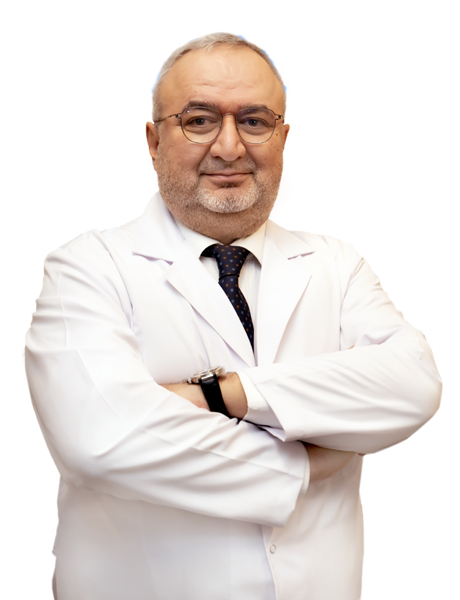
Prof. Dr. Bülent Orhan
Medical Oncology
Prof. Dr. Eren Erken
Hematology
Prof. Dr. Ersin Özaslan
Medical Oncology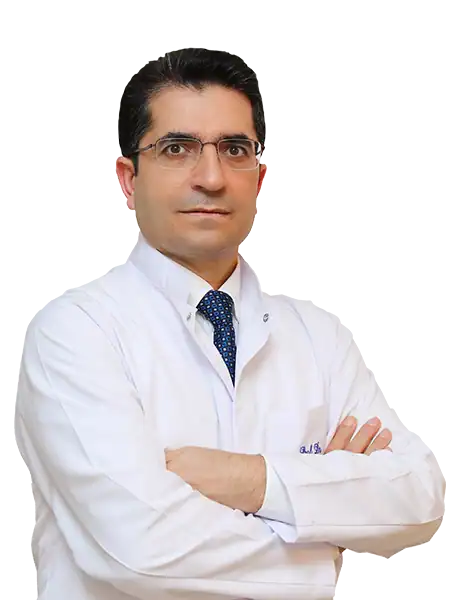
Prof. Dr. Faysal Dane
Medical Oncology
Prof. Dr. Gökhan Demir
Medical Oncology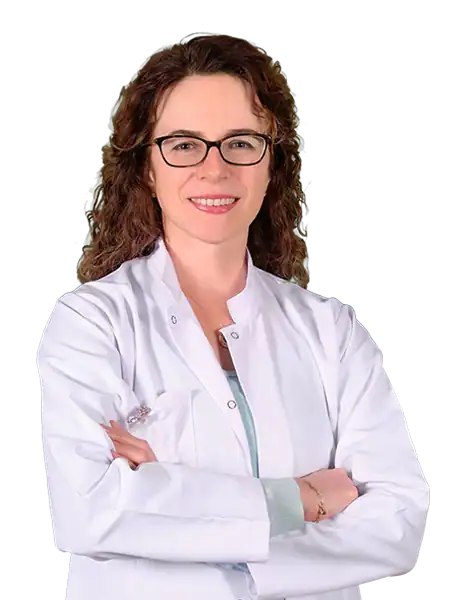
Prof. Dr. Gül Başaran
Medical Oncology
Prof. Dr. Gülsan Sucak
Hematology
Assoc. Prof. Dr. Ahmet Ifran
Hematology
Assoc. Prof. Dr. Ahmet Özveren
Medical Oncology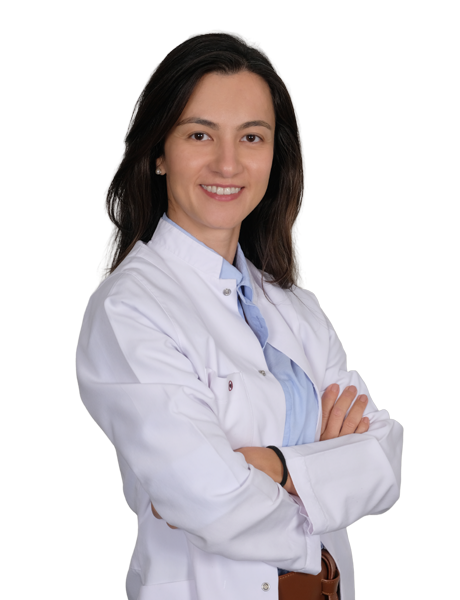
Assoc. Prof. Dr. Elif Şenocak Taşçı
Medical Oncology
Asst. Prof. Dr. Ant Uzay
Hematology
Dr. Alper Sonkaya
Medical Oncology
Dr. Aynur Eken
Medical Oncology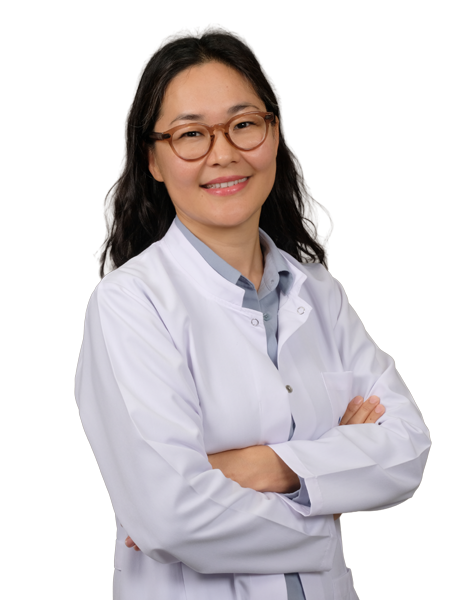
Dr. Bayarmaa Khishigsuren
Medical Oncology
Dr. Ebru Erdoğan
Hematology
Dr. Engin Erdemoğlu
Medical Oncology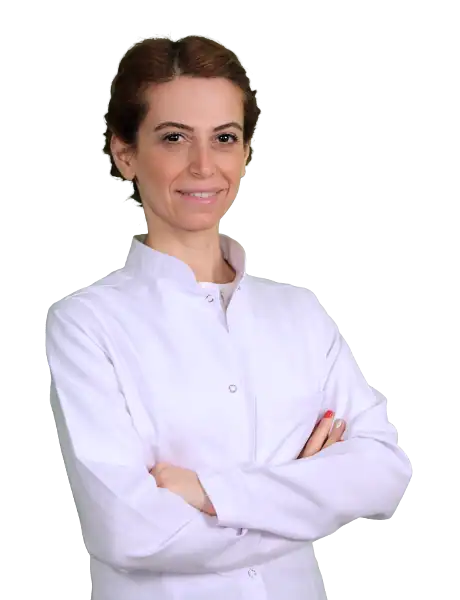
Dr. Gülhan İpek Deniz
Medical OncologyMedical Technologies Used
Speak with our medical team
Share your case and our international patient team will guide you to the right specialist — free of charge.