

Neurosurgery
Surgical treatment of the brain, spine and nervous system, including minimally invasive and functional procedures.
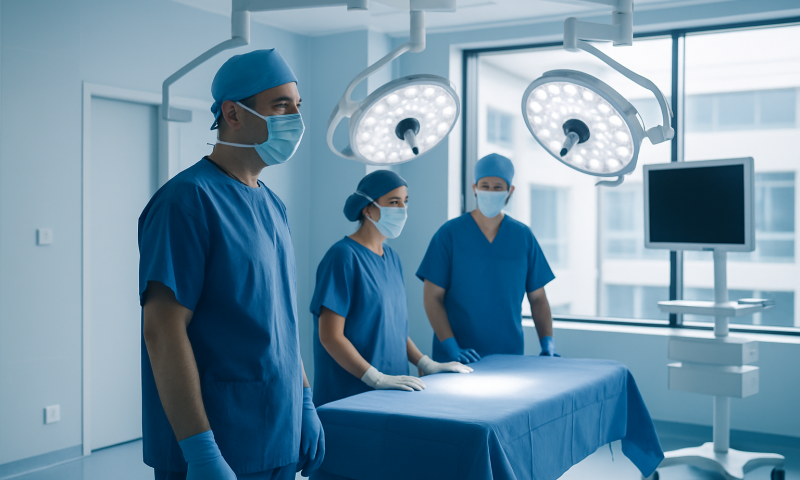
Medically reviewed by the Acıbadem clinical team — June 12, 2026
Neurosurgery is the medical unit that treats disorders of the brain, spine and nervous system with surgery — from brain and spinal tumors to aneurysms, herniated discs and conditions such as epilepsy. At Acıbadem International, neurosurgery works as one team with neurology, so that the medical and surgical sides of nervous-system care are weighed together and patients receive a single, coordinated plan. For people travelling from abroad for brain or spine surgery — among the most delicate fields in medicine — that combination of experience, precision technology and coordinated care is exactly what matters.
This page explains what the neurosurgery unit covers, the conditions it treats, how problems are diagnosed, the procedures available, and how international patients are supported through diagnosis, surgery and recovery.
What the neurosurgery unit covers
Neurosurgery is highly specialized, and the unit is organized so the right expertise is applied to each problem. Its main areas of work include:
- Brain tumor surgery — removing or treating tumors of the brain, often within a multidisciplinary cancer plan.
- Spine surgery — treating disc problems, spinal narrowing and deformity, in cooperation with orthopedics.
- Cerebrovascular surgery — treating aneurysms and other blood-vessel conditions of the brain.
- Functional neurosurgery — procedures for conditions such as epilepsy and movement disorders.
- Pediatric neurosurgery — treating nervous-system conditions in children.
Because brain and nervous-system conditions often have both medical and surgical options, neurosurgery and neurology review complex cases together, ensuring the chosen treatment reflects combined expertise rather than one specialty acting alone.
Conditions we treat
The unit treats a wide range of conditions affecting the brain, spine and nerves. Common reasons international patients are referred include:
- Brain tumors — both benign and malignant, planned with the cancer team.
- Spinal tumors and spinal cord conditions.
- Aneurysms and cerebrovascular disease — including conditions that can cause bleeding in the brain.
- Herniated disc and spinal stenosis — causing pain, weakness or numbness.
- Epilepsy — where surgery may help patients whose seizures are not controlled by medication.
- Trigeminal neuralgia and other functional conditions.
Many patients arrive with imaging from their home country and significant anxiety about what it means. A central role of the unit is to interpret the findings carefully and explain the realistic options clearly — including when surgery is, and is not, the best path.
How problems are diagnosed
Precision begins with accurate diagnosis, and neurosurgery depends heavily on detailed imaging. The unit assesses each patient with the investigations that genuinely inform the plan, including:
- MRI — high-resolution imaging of the brain and spine, central to neurosurgical planning.
- CT scanning — for bony anatomy, bleeding and urgent assessment.
- Vascular imaging — to map blood vessels before treating aneurysms.
- Functional and electrophysiological studies — for conditions such as epilepsy.
These are supported by the hospital group’s medical technologies, including surgical navigation that helps surgeons operate precisely in delicate areas. Findings are reviewed jointly with neurology, and for cancer cases with the tumor board, so the plan reflects every relevant perspective. For international patients, this review can begin remotely from existing scans.
Treatments and procedures
The unit offers a full range of neurosurgical treatment and favours the least invasive approach that achieves the safest, best result.
Brain tumor surgery
Brain tumors are treated with microsurgical and image-guided techniques that allow the surgeon to operate precisely while protecting surrounding tissue. Surgery is usually planned within a wider cancer plan alongside medical oncology and radiation oncology, so that surgery, drug therapy and radiotherapy work together.
Spine surgery
Spinal procedures range from relieving pressure on nerves (decompression) to stabilizing the spine and correcting deformity. Minimally invasive techniques are used where appropriate to reduce disruption and support recovery, and spinal cases are often planned jointly with orthopedics.
Aneurysm and cerebrovascular treatment
Aneurysms and other blood-vessel conditions of the brain are treated using microsurgical or minimally invasive endovascular techniques, chosen according to the individual case to treat the problem as safely as possible.
Functional neurosurgery
For conditions such as epilepsy or certain movement disorders, functional procedures can help selected patients whose symptoms are not controlled by medication. Specific procedures can be explored in the treatments library.
Technology and approach
Neurosurgery demands precision above all, and the unit combines high-resolution imaging, surgical navigation and microsurgical technique to operate safely in areas where millimetres matter. Minimally invasive approaches are used wherever they are appropriate. But technology serves judgment, not the other way round: complex cases are planned jointly by neurosurgery and neurology — and, for tumors, the tumor board — so that the decision to operate, and how, reflects combined expert assessment. The least invasive safe option is always preferred.
Recovery and rehabilitation
Recovery after brain or spine surgery is carefully planned, and rehabilitation is often a key part of regaining function. The unit works with physical medicine and rehabilitation to support recovery where it is needed, with a plan designed to begin in Turkey and continue at home. Neurological recovery can take time, and the unit is realistic with patients about what to expect at each stage.
Your multidisciplinary team
Your care may involve a neurosurgeon, a neurologist, a neuro-radiologist, an anesthesiologist, intensive-care specialists and rehabilitation therapists, with oncology input for tumors. The physicians who lead this unit are listed on the doctors page, and treatment is delivered across Acıbadem’s accredited hospitals, with dedicated neuro-intensive-care support.
The international patient journey
Travelling for brain or spine surgery is a major decision, so the unit is built around a clear, supported pathway.
1. Remote review of your case
You begin by sharing your MRI or CT scans and medical reports. A neurosurgeon reviews them, often jointly with neurology, and provides a written opinion on the likely diagnosis and realistic options. A second opinion is available — entirely remotely, before you commit to travel.
2. A clear plan
If treatment in Turkey makes sense, you receive a proposed plan: what is recommended, what surgery would involve, how long you would need to stay, and what recovery to expect. The plan is explained honestly, including the risks and benefits.
3. Coordinated surgery and care
A dedicated coordinator arranges your appointments, admission, interpreting and travel logistics. Your diagnosis is confirmed in person, and complex cases are reviewed by the relevant teams before surgery.
4. Recovery and follow-up
After surgery you receive discharge documents, your results and a follow-up and rehabilitation plan to continue at home. The team remains reachable during recovery. To begin, request an online consultation.
Understanding safety in brain and spine surgery
Brain and spine surgery is understandably daunting, and the unit believes patients deserve a clear, honest understanding of how safety is protected. Detailed pre-operative imaging and planning mean the surgeon knows the anatomy precisely before any incision. Surgical navigation acts like a map during the operation, helping the surgeon work accurately around delicate structures. Microsurgical techniques allow work at a very fine scale, and minimally invasive approaches are used where they reduce risk. After surgery, dedicated neuro-intensive care monitors recovery closely. Just as important, the decision to operate is made carefully and jointly — surgery is recommended only when its benefits clearly outweigh its risks for that patient. The unit explains these risks and benefits openly, because informed patients make better decisions about their own care.
Spinal conditions in detail
A large part of neurosurgical work involves the spine, and many international patients come specifically for spinal problems. A herniated disc can press on a nerve, causing pain, numbness or weakness in the limbs; spinal stenosis narrows the space around the nerves; and deformities such as scoliosis can affect both function and comfort. Not all of these need surgery — many improve with non-surgical care — but when surgery is appropriate, options range from relieving pressure on the nerves to stabilizing or correcting the spine. The unit assesses each case carefully, often jointly with orthopedics, and favours minimally invasive techniques where they suit the problem. The aim is to relieve symptoms and protect function while disturbing the body as little as possible.
Recovery after neurosurgery
Recovery from brain or spine surgery is planned as carefully as the operation itself. The early period is monitored in a specialized setting, and the pace of recovery depends greatly on the condition treated and the individual. For some procedures, recovery is relatively quick; for others, it unfolds over weeks or months, sometimes with rehabilitation to help regain function. The unit works with physical medicine and rehabilitation where this is needed, and designs a plan that can continue after the patient returns home. Throughout, the team is realistic about what to expect at each stage, because clear expectations help recovery feel manageable rather than uncertain.
The advantage of a coordinated neuroscience team
Few areas of medicine benefit more from coordination than neuroscience. A brain tumor may need surgery, radiotherapy and drug therapy in the right sequence; a stroke or vascular condition may involve both neurology and neurosurgery; a complex spinal case may draw on orthopedics and rehabilitation. Having all of these specialties within one accredited hospital group means decisions are made together and care flows smoothly between them, rather than the patient being passed between disconnected providers. For international patients facing serious neurological conditions, this coordination — combined with dedicated neuro-intensive care — is a genuine and meaningful advantage.
Why patients choose Acıbadem for brain and spine care
Acıbadem International brings together experienced neurosurgeons and neurologists, advanced imaging and surgical navigation, dedicated neuro-intensive care, and a joint medical-surgical model — all within accredited hospitals that operate around the clock. For international patients facing brain or spine surgery, the coordinated, multidisciplinary approach and structured support are as important as the technical expertise: the neurologist who assesses you and the surgeon who may operate plan your care together, which is how complex neurological treatment should work.
What to expect and practical notes
Neurosurgical conditions vary widely, so the length of stay and recovery differ greatly from case to case. A straightforward spinal procedure may need a shorter stay, while complex brain surgery requires longer and careful planning. Your coordinator plans your time abroad around safe recovery and travel, and the unit is honest about timelines and outcomes. Importantly, surgery is recommended only when it is genuinely the best option; where medical management or monitoring is more appropriate, that is what the team will advise.
Coordinated care for complex cases
Neurological conditions frequently intersect with other specialties, and treatment within a large hospital group means the right experts are already together. Brain tumors are planned with medical oncology and radiation oncology; spinal cases with orthopedics; and recovery with rehabilitation. For patients with other health conditions, having cardiology, endocrinology and intensive-care colleagues in the same group means surgery can be planned safely around the whole person. This joined-up approach matters most in exactly the complex, high-stakes cases that neurosurgery so often involves.
Brain tumors: a coordinated approach
Brain tumors are among the most complex conditions the unit treats, and they are rarely a matter for surgery alone. The best outcomes come from a coordinated plan in which neurosurgery, medical oncology, radiation oncology, radiology and pathology work together. Surgery may aim to remove the tumor or to obtain tissue for precise diagnosis, image-guided and microsurgical techniques help protect healthy brain, and drug therapy or radiotherapy may follow according to the tumor’s type and behaviour. The sequence and combination are decided by the tumor board, so that each element of treatment supports the others. For international patients, this means the plan they receive reflects the combined judgment of every relevant specialist rather than a single opinion — which matters enormously in such high-stakes care.
Minimally invasive spine surgery
Where a spinal condition requires surgery, minimally invasive techniques can often achieve the goal through smaller incisions, with less disruption to surrounding tissue and a more comfortable recovery. These approaches are used when they are appropriate for the specific problem — they are not suitable for every case, and the unit is honest about when a more open approach is the safer choice. Detailed imaging and surgical navigation support precision regardless of the technique. The aim is always the same: to relieve pressure on nerves, stabilize or correct the spine, and protect function, while disturbing the body as little as the condition allows. Patients are assessed individually, and the recommended approach is explained clearly along with its reasoning.
Questions worth asking before surgery
Making an informed decision about brain or spine surgery means understanding the plan, and the unit encourages patients to ask questions. It is reasonable to ask what the surgery aims to achieve, what the realistic benefits and risks are, whether less invasive or non-surgical options exist, what recovery will involve, and how the case has been reviewed by the team. The unit welcomes these questions and answers them honestly, because a patient who understands their treatment is better prepared and more confident. For international patients, this clear communication — available remotely before travel and in person before surgery — is an essential part of feeling secure about a major decision made far from home.
Frequently asked questions
Can my brain or spine MRI be reviewed before I travel?
Yes. You can send your imaging and reports for a remote evaluation, often reviewed jointly by neurosurgery and neurology, and receive a written opinion — including a second opinion — before deciding to travel.
Do neurosurgery and neurology work together?
Yes. Conditions are reviewed jointly so that medical and surgical options are weighed together, and the plan reflects both perspectives rather than one specialty acting alone.
Are minimally invasive brain and spine techniques available?
Where the condition allows, microsurgical and minimally invasive approaches are used to reduce risk and support recovery. Suitability is decided case by case.
How is a brain tumor treated?
Brain tumors are treated with image-guided microsurgery, usually within a wider cancer plan alongside medical and radiation oncology, so that surgery and other treatments work together.
Do you treat aneurysms?
Yes. Aneurysms and other cerebrovascular conditions are treated using microsurgical or minimally invasive endovascular techniques, chosen according to the individual case.
Can surgery help my epilepsy?
For selected patients whose seizures are not controlled by medication, functional neurosurgery may help. Suitability is assessed carefully with neurology.
How long will I need to stay in Turkey?
It depends on your condition and treatment. A straightforward spinal procedure may need a shorter stay, while complex brain surgery requires longer. Your coordinator gives a realistic estimate in advance.
What support is there after surgery?
You receive discharge documents, your results and a follow-up plan, and rehabilitation is arranged where it is needed for recovery.
Will rehabilitation be part of my care?
Where it is needed, rehabilitation is planned with the physical medicine and rehabilitation unit, with a program designed to continue at home.
I have imaging from elsewhere suggesting surgery — do I really need it?
The unit reviews your imaging and may offer a second opinion, advising honestly whether surgery is the best option or whether medical management or monitoring is more appropriate.
Will my other health conditions be considered?
Yes. Because relevant specialists are part of the same hospital group, surgery is planned safely around conditions such as heart disease or diabetes, considering the whole person.
How soon can urgent cases be seen?
Acıbadem International hospitals operate around the clock, and more urgent neurological cases can be prioritized. Sharing your latest reports allows the team to advise quickly on the safest next step.
Will my head be shaved for brain surgery?
This depends on the procedure; modern techniques often require only limited shaving of the area, and your surgeon explains what your specific operation involves beforehand.
How long is recovery after spine surgery?
It varies by procedure. Minimally invasive operations may allow a quicker recovery, while larger procedures take longer. Your coordinator and surgeon give a realistic timeline and plan your stay around safe recovery and travel.
Are there non-surgical options for my condition?
Often, yes. Many neurological and spinal conditions can be managed without surgery, and the unit — working with neurology — recommends surgery only when it is genuinely the best option for you.
Do you treat children with neurosurgical conditions?
Yes. Pediatric neurosurgery is part of the unit, treating nervous-system conditions in children with care suited to their needs.
Will I need rehabilitation after surgery?
Some patients benefit from rehabilitation to regain function, planned with the physical medicine and rehabilitation unit and designed to continue at home where needed.
Can urgent neurological cases be reviewed quickly?
Yes. More urgent cases can be prioritized, and sharing your latest imaging and reports allows the team to advise promptly on how soon you should be seen and the safest next step.
Can you give a second opinion without recommending surgery?
Yes. A second opinion is an honest assessment of your situation. If surgery is not the best option, the unit will say so and advise on the alternatives.
Are my existing scans enough, or will I need new ones?
Often your existing MRI or CT scans are enough to begin a remote review. If newer or additional imaging is needed for planning, the team will tell you in advance.
Will I be able to fly home after surgery?
When it is safe to travel depends on the procedure and your recovery. Your team advises on the right timing, and your coordinator plans your stay around safe travel.
Is the hospital equipped for the most complex neurosurgical cases?
Yes. Treatment is delivered in accredited hospitals with advanced imaging, surgical navigation and dedicated neuro-intensive care, and complex cases are reviewed jointly by the relevant specialists before any surgery is undertaken.
Do you coordinate with my referring doctor at home?
Yes. You receive full documentation and results, and the unit can communicate findings clearly so your care continues smoothly with your own doctor after you return home.
This page provides general health information about the services of this unit and is not a substitute for personal medical advice. Any diagnosis and treatment plan is determined after individual assessment by qualified specialists.
Treatments in Neurosurgery
Specialists in this Unit
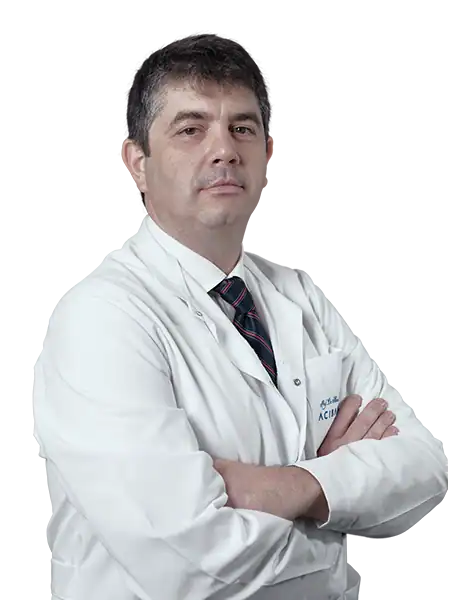
Prof. Dr. Akin Sabanci
Neurosurgery
Prof. Dr. Ali Kurtsoy
Neurosurgery
Prof. Dr. Altay Bedük
Neurosurgery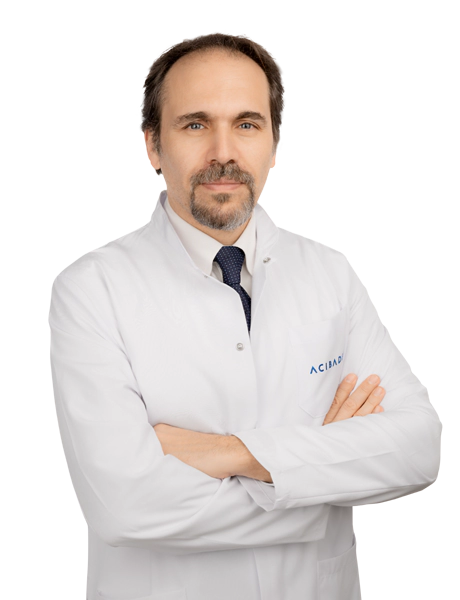
Prof. Dr. Çağın Şentürk
Interventional Neuroradiology
Prof. Dr. Deniz Konya
Neurosurgery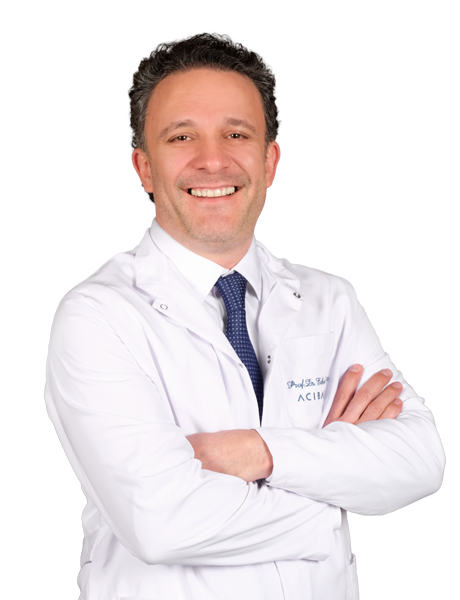
Prof. Dr. Erkin Sönmez
Neurosurgery
Prof. Dr. Hakan Murat Göksel
Neurosurgery
Prof. Dr. Hakan Seçkin
Neurosurgery
Prof. Dr. Halit Çavuşoğlu
Neurosurgery
Prof. Dr. Hatem Hakan Selçuk
Interventional Neuroradiology
Prof. Dr. Hüseyin Hayrı Kertmen
Neurosurgery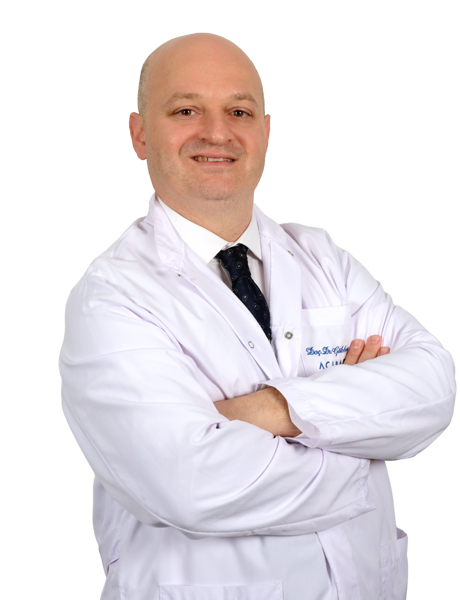
Assoc. Prof. Dr. Ali Erhan Kayalar
Neurosurgery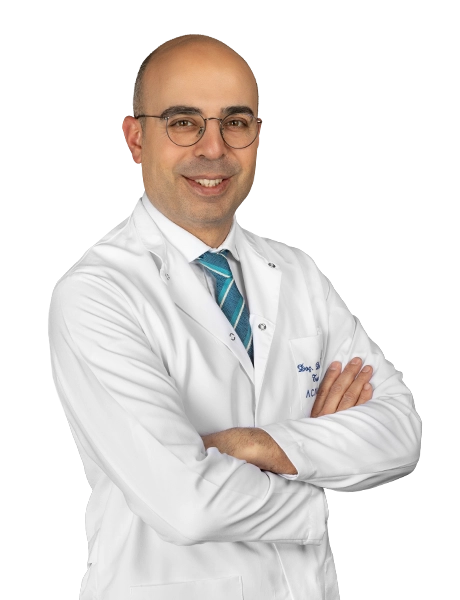
Assoc. Prof. Dr. Bahattin Tanrıkulu
Neurosurgery
Assoc. Prof. Dr. Baran Bozkurt
Neurosurgery
Assoc. Prof. Dr. Bülent Tucer
Neurosurgery
Assoc. Prof. Dr. Cüneyt Göçmez
Neurosurgery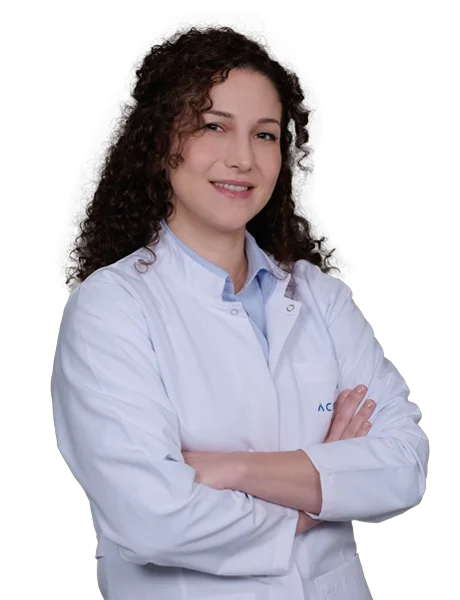
Assoc. Prof. Dr. Ece Uysal
Neurosurgery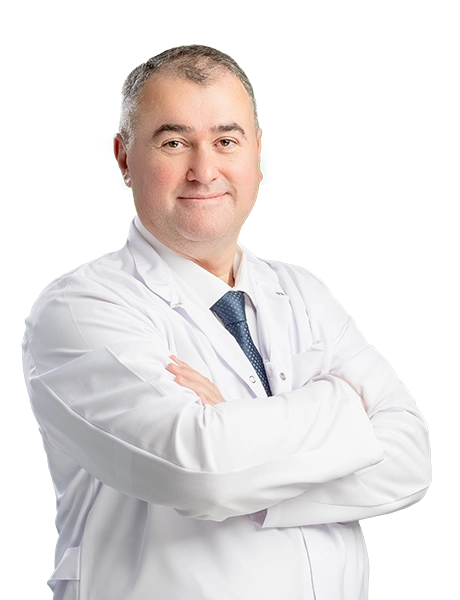
Assoc. Prof. Dr. Ferda Çağavi
Neurosurgery
Dr. Baris Chousein
Neurosurgery
Dr. Barış Peker
Neurosurgery
Dr. Behram Kaya
Neurosurgery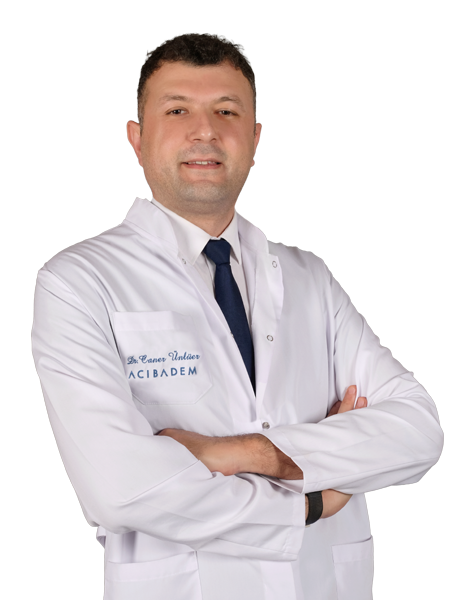
Dr. Caner Ünlüer
Neurosurgery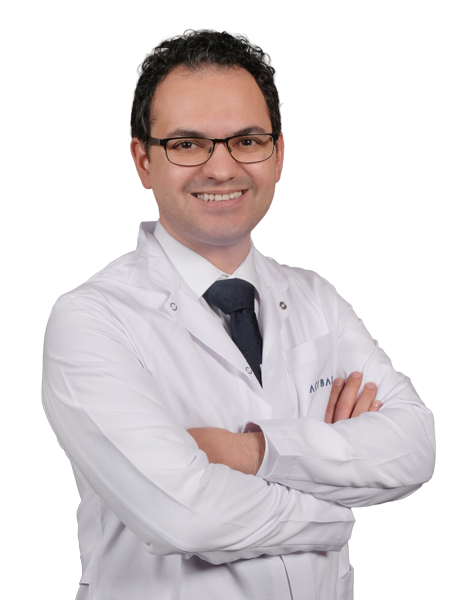
Dr. Ege Coşkun
Neurosurgery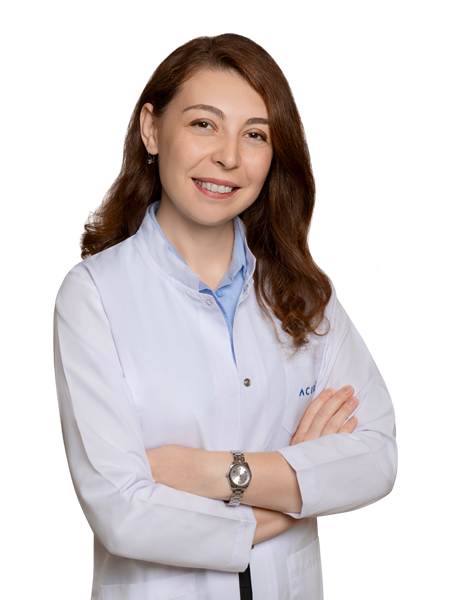
Dr. Hanside Setenay Ünal
NeurosurgeryMedical Technologies Used
Speak with our medical team
Share your case and our international patient team will guide you to the right specialist — free of charge.