

Your First 72 Hours Back Home After Treatment Abroad

Medically reviewed by the Acıbadem clinical team — June 13, 2026
The first three days back home can feel strangely quiet after the structure of treatment abroad. This guide helps you settle in safely, follow instructions with confidence, and know when to contact your care team.
At a glance
- Best for: International patients returning home after treatment or a procedure
- Timeframe covered: The first 72 hours after you arrive home
- Main focus: Rest, medication routines, wound or symptom monitoring, and follow-up communication
- If you were treated at Acibadem Health Point: You can use the discharge plan, interpreter support, and remote follow-up guidance provided before travel
- When to seek urgent help: New severe pain, breathing trouble, heavy bleeding, chest pain, confusion, or signs of infection
- Helpful mindset: Small, steady steps matter more than doing everything perfectly
What the first day home usually feels like
The moment you walk back through your own front door, the rhythm changes. In the hospital or clinic, your day was shaped for you; at home, the quiet can feel reassuring one minute and awkward the next. That shift is normal, and it is one reason the first 72 hours deserve a little planning before you travel.
You may feel tired, slightly foggy, emotional, or simply relieved to be home. Depending on your treatment, you might also have soreness, swelling, limited mobility, stitches, dressings, drains, a cast, or medication schedules that need careful attention. The goal is not to “bounce back” immediately — it is to settle safely into recovery without overdoing the first steps.
If you returned after care arranged with Acibadem Health Point, your discharge notes should already outline what is expected during this early phase. Keep those instructions close, ideally in both digital and printed form, so you do not have to rely on memory while you are tired or jet-lagged.
Set up your space before you need it
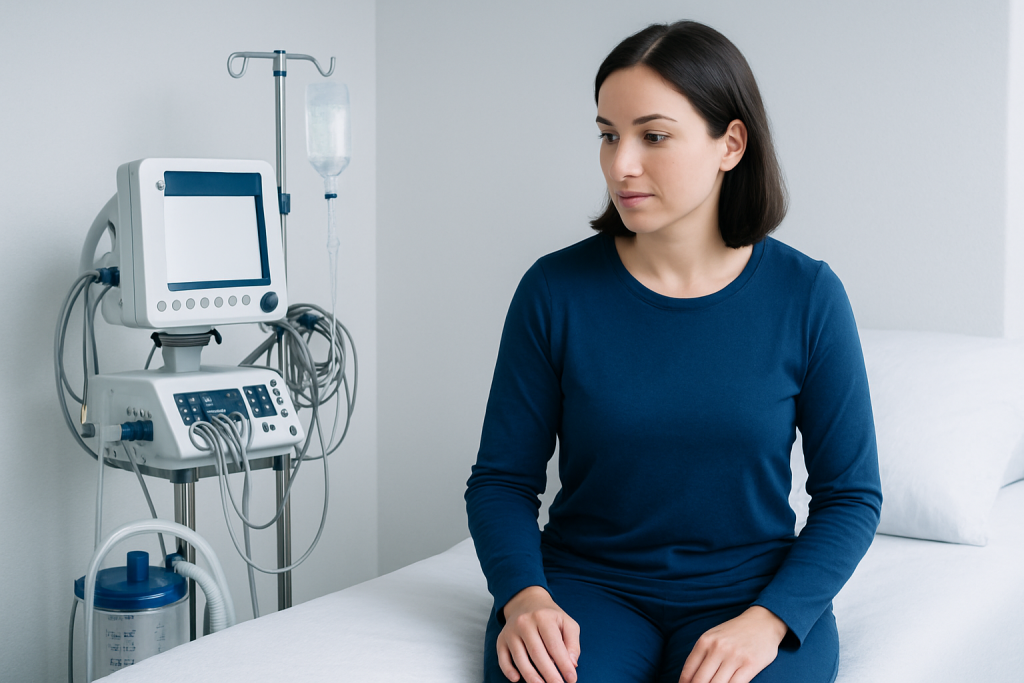
Your home environment does a lot of the work in these first three days. Put the items you use most often within arm’s reach: phone charger, water, prescribed medicines, tissues, thermometer if recommended, wound supplies, and any assistive devices. If you must climb stairs or navigate tight spaces, plan the easiest route and reduce unnecessary trips around the house.
Think about lighting, temperature, and seating. A comfortable chair with support, a place to elevate a leg if needed, and a clear path to the bathroom can make a bigger difference than most people expect. If you are recovering from a procedure that limits lifting or bending, move heavy bags, laundry baskets, and pets out of the way before you arrive.
It also helps to have one person — a family member, friend, or caregiver — who knows the basics of your plan. They do not need to become a medical expert, but they should know where your instructions are, which medicines are time-sensitive, and which symptoms should trigger a call for help.
Medication, food, and fluids: keep the routine simple

In the first 72 hours, routine matters more than appetite or guesswork. Take medicines exactly as instructed, especially antibiotics, pain relief, anticoagulants, stomach protection, or any medication with specific timing. If a dose confuses you, use the written plan rather than trying to remember what sounded familiar in the clinic.
Food may need to be light at first, especially if you were given dietary restrictions or if anesthesia, pain medication, or travel left you feeling unsettled. Small meals are often easier than large ones, and hydration is important even when you do not feel especially thirsty. Unless your team told you otherwise, water is usually the safest place to start.
Watch for patterns rather than isolated moments. A little nausea after traveling home can happen, but persistent vomiting, inability to keep fluids down, or medication side effects that interfere with rest should be reported. If Acibadem Health Point arranged your care, your aftercare instructions may include who to contact if a medication causes trouble or if you are unsure how to continue once you cross borders.
What to watch for: normal recovery vs warning signs
Recovery rarely feels identical from one hour to the next. Mild pain, tiredness, bruising, controlled swelling, or a temporary dip in energy can be part of the expected picture, depending on what you had done. The more useful question is whether your symptoms are stable, slowly improving, or changing in a way that does not match your discharge advice.
Pay close attention to anything that is new, severe, or clearly worsening. That includes heavy bleeding, shortness of breath, chest pain, sudden dizziness, confusion, fainting, a rapidly spreading rash, repeated vomiting, fever, foul-smelling drainage, or redness and heat around a wound that seems to be getting worse instead of better. Pain that is much stronger than expected or not helped by prescribed medication should also be taken seriously.
If you are unsure, do not wait for a “perfect” threshold before asking. International patients sometimes delay calling because they are worried about seeming overcautious or because they are not sure which service to contact in a different country. It is better to check early and be told something is expected than to sit with a concerning symptom and hope it passes.
Stay in touch with your care team across borders
One of the most useful parts of international care is having a plan for what happens after the return flight. Before you leave, make sure you know how to share updates, where to send photos if a wound needs review, and whether you have a scheduled teleconsultation or local follow-up recommendation. The first 72 hours are often the easiest time to catch small issues before they become more complicated.
Keep your discharge summary, medication list, test results, imaging reports, and any translated documents together. If you are seeing a doctor at home, these records help them understand exactly what was done and what precautions matter most. Acibadem Health Point can be especially helpful here because international patient support is designed to make this handover more practical, including interpreter support when language is a barrier and guidance on what should be shared with your local clinician.
If your plan includes remote follow-up, keep your phone charged and your time zone difference in mind. A short message with clear details — what you are feeling, when it started, what medicines you are taking, and whether symptoms are improving — is usually more useful than a very long explanation.
Travel fatigue and jet lag can slow recovery
Returning home after treatment abroad often means your body is managing more than one thing at once: healing, sleep disruption, travel fatigue, and the emotional shift of being back in a familiar place. That combination can make everything feel more intense than it looked on the day you were discharged.
Try to give yourself permission to move slowly. Short walks around the house may be recommended, but long errands, heavy housework, driving, lifting luggage, or resuming exercise too soon can interrupt recovery. If your procedure came with activity restrictions, treat them as part of your treatment, not as optional advice.
Rest is more effective when it is structured. Plan naps if needed, but avoid sleeping through medication times or skipping meals entirely. If you are crossing several time zones, a little planning with alarms and written notes can reduce confusion and help you stay on schedule without relying on memory alone.
How to make the handover to your local doctor smoother
Your home clinician does not need to know every detail of your journey, but they do need the essentials. Bring the procedure summary, operative or treatment notes if available, discharge instructions, medication list, and the names of any medicines you were told to avoid. If you had stitches, a cast, implants, or follow-up testing recommendations, those should be clearly documented.
During the first week, it is often wise to identify who locally would handle a routine question, a dressing change, or an unexpected symptom. You may never need urgent care, but knowing which clinic or urgent service you would use removes a lot of stress. If you worked with Acibadem Health Point, you likely already have a clearer roadmap than most self-arranged medical travelers, which makes this handover easier to manage.
When you book a local appointment, say upfront that you recently received treatment abroad. That helps the clinician prepare, ask the right questions, and avoid repeating tests unnecessarily. It also prevents confusion if your medications or recovery timeline differ from a standard local pathway.
When the first 72 hours go well, what comes next
Good early recovery is often quiet, not dramatic. You are taking your medicines on time, resting without major setbacks, noticing gradual improvement, and not second-guessing every sensation. That is enough for the first three days.
After that, the next stage is usually about gradual activity, longer-term wound care or symptom monitoring, and any scheduled follow-up. Keep your notes where you can see them, especially if you need another review in a week or a month. The aim is to move from constant checking to confident routine.
International care works best when the handoff is just as thoughtful as the treatment itself. Acibadem Health Point’s JCI-accredited hospitals, multidisciplinary teams, and international patient services are helpful not only during the stay in Turkey, but also in the practical return-home phase when instructions, records, and communication really matter.
Step by step
- Unpack the essentials first. Set out your medicines, discharge papers, water, and any wound or mobility supplies before you do anything else. This saves energy and helps you avoid missed doses or lost documents.
- Follow the schedule, not the mood. Use alarms or written reminders for medications, meals, hydration, and rest. Even if you feel better than expected, stay with the plan you were given until a clinician says it is safe to change it.
- Check your symptoms at least twice a day. Look for changes in pain, swelling, temperature, drainage, breathing, or mobility. Small trends are easier to catch early than after they become urgent.
- Keep activity gentle and deliberate. Move enough to reduce stiffness if allowed, but avoid lifting, twisting, long outings, or exercise until you have been cleared. If something feels physically demanding, treat it as a signal to pause.
- Share updates with a simple format. If you need to contact your care team, send the key facts: what changed, when it started, what you are taking, and whether the symptom is getting better or worse. Clear messages save time and reduce back-and-forth.
- Arrange one local point of contact. Choose a nearby clinic, general practitioner, or urgent care option before you need it. Having a name and number ready makes the first unexpected question much easier to handle.
- Plan your follow-up before the week ends. Mark any teleconsultation, dressing review, test, or local appointment on your calendar as soon as you return. Follow-up is part of the treatment plan, not an extra task to remember later.
Your checklist
- Discharge summary saved in phone and printed copy available
- Medication schedule written out with alarms set
- Emergency contact numbers saved and easy to find
- Water, light snacks, and essential supplies within reach
- Local doctor or clinic identified for follow-up
- Any activity restrictions noted somewhere visible
- Interpreter or family support arranged for calls if needed
- A plan for wound checks, dressings, or scans if advised
Key takeaways
- The first 72 hours home are about stability, not speed.
- Keep medicines, records, and instructions visible and easy to reach.
- Mild tiredness or soreness can be normal; worsening or severe symptoms are not.
- A clear handover to your local doctor helps continuity of care.
- International patients do best when follow-up is planned before the flight home.
Frequently asked questions
Is it normal to feel more tired after getting home than I did in the hospital?
Yes. Travel, sleep disruption, medication changes, and the effort of getting home can make fatigue feel stronger for a day or two. Rest is part of recovery, but if exhaustion comes with breathing trouble, fainting, chest pain, or confusion, you should seek help promptly.
What should I do if I miss a dose of medication?
Use the written instructions you were given, because the best response depends on the medicine and the timing. If the plan is unclear, contact your care team or a pharmacist rather than guessing or doubling a dose on your own.
How soon should I see a doctor at home after treatment abroad?
That depends on the treatment and the plan you received before leaving. Some people need a check within a few days, while others only need follow-up if symptoms change; your discharge instructions should make this clear.
Do I need to tell my local doctor that I had treatment abroad?
Yes, always. It helps your local doctor understand your medications, recovery restrictions, and what signs matter most, and it reduces the chance of duplicate or conflicting advice.
What if I do not have a perfect copy of my discharge papers?
Gather whatever you do have and keep it together with a written timeline of your treatment, medicines, and return date. If you were treated through Acibadem Health Point, contact the international patient team for help retrieving or clarifying documents.
Can I start normal exercise again if I feel okay?
Feeling okay is not always the same as being cleared. Follow the activity limits you were given, because too much too soon can disrupt healing even when symptoms are mild.
How can Acibadem Health Point help after I get home?
Acibadem Health Point can support the transition with clear discharge documentation, multilingual communication when needed, and guidance on how to coordinate follow-up. That kind of handover is especially useful when you are managing recovery from another country.
More Patient Guides

Nachsorge, die Sie zu Hause selbst durchführen können: Welche Behandlungen erfordern eine persönliche Nachkontrolle?
Erfahren Sie, welche Nachsorge zu Hause möglich ist, welche persönlich kontrolliert werden muss und wie Sie auch nach der Reise mit Ihrem…

Nachsorge-Lücken vor der Wahl einer Behandlung im Ausland prüfen
Prüfen Sie vor Ihrer Reise die Nachsorgelücken: Kontrolltermine, Unterlagen, Medikamente, Rehabilitation und wer Sie nach der Rückkehr zu Hause unterstützt.

Aktivitätsgrenzen nach der Behandlung: Was Patienten vermeiden sollten
Erfahren Sie, welche Aktivitäten Sie nach der Behandlung vermeiden sollten, wann Sie sich ausruhen sollten und wie Sie mit klaren, praktischen Nachsorgehinweisen…
Related Specialists

Dr. Safiye Sayilir
Physical Medicine & Rehabilitation
Dr. Özgün Barış Çolak
Physical Medicine & Rehabilitation
Prof. Dr. Meltem Vural
Physical Medicine & Rehabilitation
Prof. Dr. Meral Bayramoğlu
Physical Medicine & Rehabilitation