

Preparing for Diagnostic Tests in Turkey

Medically reviewed by the Acıbadem clinical team — June 12, 2026
If you are traveling to Turkey for diagnostic tests, a little planning can make the day much easier. This guide walks you through what to expect, how to prepare, and how Acibadem Health Point helps you manage the practical details from arrival to results.
At a glance
- Best for: International patients coming to Turkey for scans, lab work, or other diagnostic tests
- Main goal: Help you prepare safely and avoid common delays on test day
- What to bring: Passport, referral or prior records, medication list, and any test-specific instructions
- Support available: International coordinators, interpreters, and hospital navigation help
- Typical focus: Fasting rules, medication guidance, timing, and travel planning around your appointment
What to sort out before you fly
When your diagnostic tests are scheduled in Turkey, the most useful preparation often happens before you board the plane. Start by confirming exactly which tests you are having, whether they require fasting, and whether any medicines need to be paused or taken at a different time. If you are coordinating through Acibadem Health Point, your international patient team can help you understand the appointment flow and the documents you should carry.
It also helps to gather a small medical file you can keep with you: recent reports, imaging discs or links, a current medication list, allergy details, and notes about prior surgery or implanted devices. If you are traveling with a companion, share the same information with them so they can help if you are tired, anxious, or juggling paperwork.
Plan your trip with a little breathing room. Test schedules can change if a scan needs extra preparation or if a blood test must be repeated, so avoid stacking your diagnostic appointment tightly against your return flight. Acibadem Health Point can assist with timing, interpreters, and practical travel support so the day feels more manageable.
How to prepare the day before your test
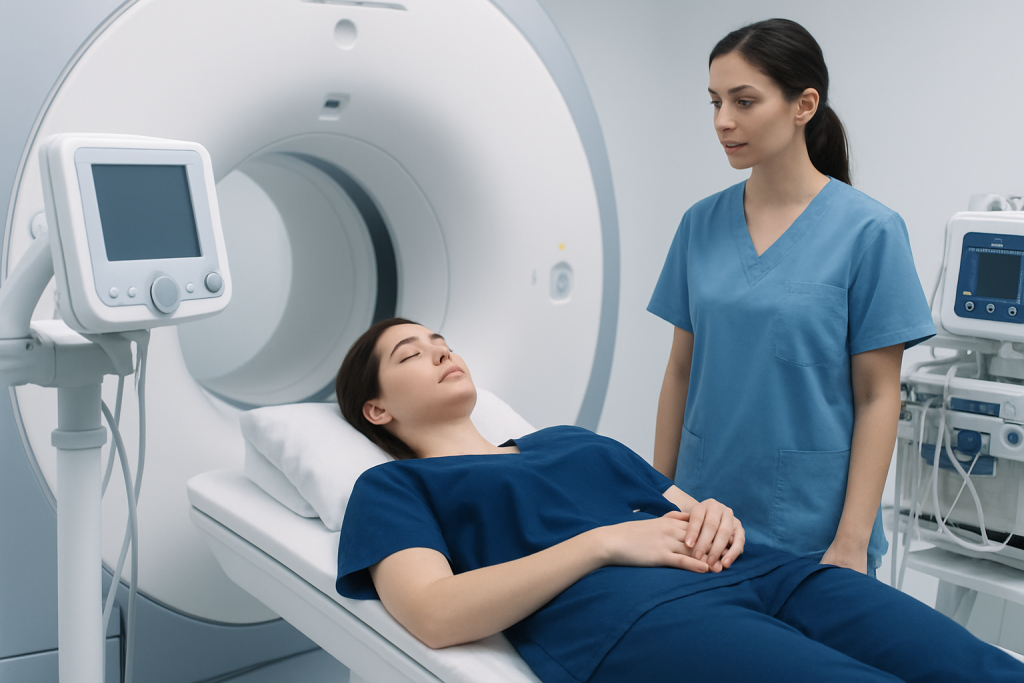
The evening before a diagnostic test is usually about keeping things simple. Follow the fasting instructions exactly if you have been given them, and check whether “nothing by mouth” includes water, coffee, gum, or mints. If you are unsure, ask your care coordinator rather than guessing; a small mistake can delay the test.
Lay out everything you will need the night before: passport, appointment details, payment or insurance documents if relevant, comfortable clothes, and any items the hospital has asked you to bring. For imaging tests, you may be asked to avoid metal accessories, so easy clothing choices save time on arrival.
Sleep matters more than people expect. Even when the test itself is brief, travel days can be tiring, and being rested helps you follow instructions clearly, especially if the appointment involves contrast, breath-holding, or staying still for a period of time.
What happens when you arrive at the hospital

Most hospitals in Turkey, including Acibadem Health Point partner facilities, aim to make arrivals straightforward for international patients. You will usually check in, confirm your identity, and review the test order or referral. If you need language support, an interpreter can help you understand forms, consent, and the basic flow of the visit.
Expect some practical questions about pregnancy, allergies, kidney function, previous reactions to contrast, metal implants, or whether you have been fasting correctly. These are routine safety checks, not a sign that something is wrong. Answer carefully and mention anything you think may be relevant, even if it seems minor.
Depending on the test, you may spend time in a waiting area, change into a gown, or be asked to remove jewelry and other items. The staff will guide you step by step, and if you feel nervous, say so. A calm explanation often helps the process move more smoothly for everyone.
Test-specific preparation that often matters most
Different diagnostic tests have different rules, and this is where international patients often benefit from a clear pre-visit message. Blood tests may require fasting or specific timing. Ultrasound examinations can depend on whether the area being studied needs a full or empty bladder. CT or MRI scans may involve contrast, which can mean extra screening questions and careful hydration advice before or after the appointment.
Some tests also involve medication decisions. You should never stop prescribed treatment on your own unless a clinician has told you to do so. If you take diabetes medication, blood thinners, or anything that affects blood pressure or kidney function, make sure your instructions are confirmed in writing.
For children, older adults, and patients with mobility or hearing needs, preparation can include extra planning around transport, assistance, or appointment timing. Acibadem Health Point’s international patient services can help coordinate these details so you are not trying to solve them on the day of the test.
After the test: waiting, results, and next steps
Once the test is complete, you may be able to go straight back to your hotel, or you may need a short observation period if you received contrast or sedation. Follow the discharge advice you are given, especially around drinking fluids, restarting medicines, and watching for delayed reactions.
Ask how and when your results will be shared. Some diagnostic results are available quickly, while others need a specialist to review them first. If you are returning home soon after testing, it is wise to arrange a follow-up plan before you leave Turkey so there is no gap in care once you are back in your own country.
Acibadem Health Point can help bridge that handoff by coordinating records, reports, and any needed follow-up information. For many international patients, that continuity is just as important as the test itself.
Common ways to keep the day easier
The simplest habits often make the biggest difference. Keep your phone charged, bring water if you are allowed to drink, and store all hospital contacts in one place. If you are staying in Turkey for more than a day, tell your hotel or accommodation provider about your appointment time so they can help with transport or an early breakfast if fasting is not required.
Use a small folder for your documents instead of carrying loose pages. If you have multiple appointments, write the order of the day in your phone and keep a note of any change in instructions. This matters especially when you are dealing with unfamiliar systems in another language.
Most importantly, do not hesitate to ask for clarification. A good diagnostic visit is not just technically accurate; it is one where you understand what is happening, why it is happening, and what you need to do next.
Step by step
- Confirm the exact test instructions. Check whether you need to fast, avoid certain medicines, or arrive early for registration. If anything is unclear, ask for written instructions before test day so you can prepare without guesswork.
- Pack your documents in one place. Bring your passport, referral or appointment details, medication list, and any prior scans or reports. Keeping everything together saves time at check-in and helps the team review your history efficiently.
- Plan your travel with margin. Build extra time into your schedule for traffic, parking, or unexpected prep requirements. If you are flying in, avoid booking a return flight too close to the test unless your care team has said that is appropriate.
- Follow fasting and medication rules exactly. If you were told not to eat or drink, follow that guidance carefully, including any limits on tea, coffee, or gum. Never stop prescription medicine unless a clinician has specifically instructed you to do so.
- Tell the team about allergies and implants. Mention any contrast allergies, pregnancy, kidney issues, pacemakers, metal implants, or previous reactions to tests. These details help the team choose the safest way to proceed.
- Ask how results will reach you. Before you leave, confirm when you should expect results and whether they will be sent digitally or discussed in person. If you are leaving Turkey soon, ask how follow-up will be organized from abroad.
Your checklist
- Passport and any travel identification
- Appointment confirmation or referral
- Medication list with doses and timing
- Recent medical reports and imaging files
- Written fasting or preparation instructions
- Details of allergies, implants, or prior reactions
- Comfortable clothing and minimal jewelry
- Phone charger and local contact numbers
- Insurance or payment documents if needed
Key takeaways
- Preparation starts before travel, not on test day.
- Bring your documents, medication list, and any prior reports.
- Fasting and medication instructions must be followed exactly.
- Tell the team about allergies, implants, pregnancy, and prior reactions.
- Ask in advance how results will be delivered and what happens next.
- International patient support can reduce confusion and keep your visit on track.
Frequently asked questions
Do I always need to fast before diagnostic tests in Turkey?
No, fasting depends on the specific test. Some blood tests, ultrasounds, or scans require it, while others do not. Always follow the written instructions you receive and ask if anything is unclear.
What documents should I bring for my appointment?
Bring your passport, appointment details, medication list, and any recent reports or imaging files. If you have previous test results in another language, it still helps to bring them, even if they need review by the hospital team.
Can I take my regular medicines before the test?
Sometimes yes, sometimes no. Some medicines should be continued as normal, while others need timing adjustments, especially if you take diabetes medication, blood thinners, or certain heart medicines. Do not change your routine unless you have been told to do so by a clinician.
Will someone explain the process if I do not speak Turkish?
Yes, international patient services and interpreters can usually help you understand the steps, forms, and instructions. Acibadem Health Point works with multilingual support so you are not left trying to interpret medical directions on your own.
How soon will I get my results?
That depends on the test and how much specialist review is needed. Some results are available quickly, while others take more time. Before you leave, ask who will share the report and how you should follow up from home.
Is it okay to travel home right after the test?
In many cases, yes, but not always. If you had contrast, sedation, or a longer examination, you may need a short rest period or extra advice before traveling. It is safer to confirm this with the care team before you make final travel plans.
More Patient Guides

Bin ich ein Kandidat für eine Behandlung im Ausland? Wichtige Fragen zur Eignung
Erfahren Sie, ob eine Behandlung im Ausland für Sie geeignet sein könnte: Was Sie prüfen sollten, welche Unterlagen hilfreich sind und wie…

Hospital Room Amenities and In-Stay Essentials
Know what to expect from your hospital room, what to pack, and how Acibadem Health Point supports a comfortable stay in Turkey.
8 min read
What to Bring for a Hospital Stay in Turkey
Pack confidently for your hospital stay in Turkey with this practical checklist, travel tips, and what Acibadem Health Point can help arrange.
8 min read


