

When a Second Opinion Makes Sense Before Booking Care in Turkey

Medically reviewed by the Acıbadem clinical team — June 13, 2026
A second opinion can help you feel clearer, safer, and more prepared before you commit to treatment in Turkey. This guide shows when it is useful, what to gather, and how to use it to plan your next steps with confidence.
At a glance
- Best for: People comparing treatment options, confirming a diagnosis, or checking whether travel for care is appropriate
- What you need: Recent reports, imaging, medication list, and a short summary of your symptoms or diagnosis
- Typical format: Remote review, written opinion, or consultation with a multidisciplinary team
- Why it helps: It can reduce uncertainty before you book flights, appointments, and accommodation
- How Acibadem Health Point helps: International patient support, interpreters, document coordination, and follow-up planning
When another set of eyes is worth your time
Not every health question needs a second opinion, but some situations do deserve one before you commit to travel, booking, or treatment. If your diagnosis feels unclear, the proposed plan is complex, or you are being offered a major procedure, a second review can help you understand whether the next step is the right one for you.
It is especially useful when you are deciding on care in another country. Once you start arranging flights and hotel dates, it becomes harder to pause and reassess. Taking a little time up front can save you from a rushed decision and help you choose the option that fits your medical needs, personal timing, and comfort level.
Many international patients also seek a second opinion when they want to compare approaches across healthcare systems. At Acibadem Health Point, the goal is not to pressure you into choosing anything quickly. It is to help you understand the information you already have and identify what is still missing.
Signs that you should pause and ask for a review
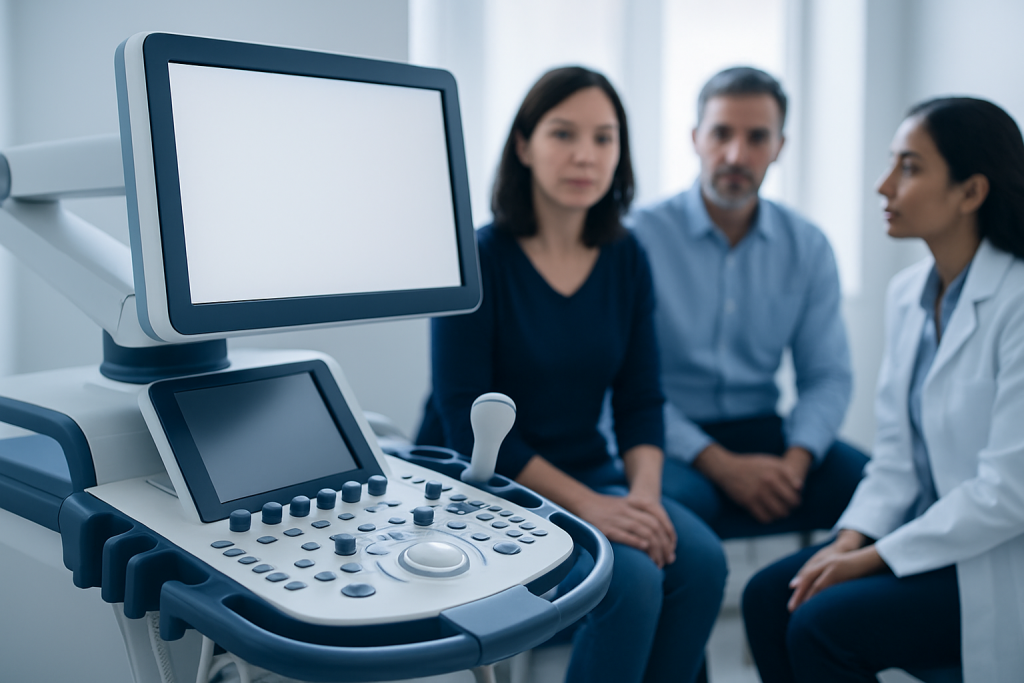
If the explanation you received left you with more questions than answers, that is a good reason to slow down. A second opinion can be helpful when different doctors have given different recommendations, when test results do not match your symptoms, or when you feel uncertain about why a treatment is being suggested.
You may also want one if the plan includes surgery, a long recovery, or a sequence of steps that will affect your travel schedule. For international patients, this matters because you are not just choosing care — you are also deciding how long to stay, who to travel with, and what support you will need after you return home.
Trust your instincts if something feels incomplete. You do not need to be dramatic about it; you only need to be organized. A careful review before booking can turn a vague plan into a practical one.
- Diagnosis is not fully explained
- Recommended treatment feels unusually aggressive or unusually limited
- You have multiple conditions that need coordinated care
- Previous tests were done in different places and do not seem to align
- You want to understand non-surgical and surgical options side by side
What to send before you travel

The quality of a second opinion depends heavily on the information you share. The more complete your records, the easier it is for the reviewing team to understand your situation without asking you to repeat the same tests. Try to gather recent reports, imaging files, pathology results if relevant, and a current list of medications and allergies.
A short written summary from you is also valuable. Include your main symptoms, when they started, what makes them better or worse, what treatments you have already tried, and what your main concern is now. If you have a specific question — for example, whether you need surgery, whether you can safely travel, or whether your treatment can wait — write it down clearly.
If documents are in another language, that is not usually a barrier. Acibadem Health Point’s international patient services can help coordinate translation and organize your records so the specialist team can review them efficiently.
What a second opinion can and cannot do
A second opinion can clarify, compare, and sometimes simplify a confusing situation. It may confirm your current plan, suggest a different order of treatment, or point out that you need another test before making a final choice. In many cases, that extra clarity is exactly what patients are looking for.
It cannot replace an in-person examination when physical assessment is essential, and it cannot guarantee a specific outcome. It also should not be used to collect endless opinions until one sounds easiest. The purpose is to make a better decision, not to delay one forever.
At Acibadem Health Point, second opinions are often strongest when more than one specialty is involved. For example, a multidisciplinary team can look at the bigger picture instead of focusing only on one organ, one image, or one symptom. That broader view is especially helpful if you are considering care abroad and want your plan to be realistic from the start.
How Acibadem Health Point supports international patients
When you are seeking care from another country, logistics matter almost as much as the medical review. Acibadem Health Point’s international patient team helps you navigate the practical side: sharing records, arranging appointments, coordinating interpreter support, and aligning your visit with your travel plans.
Because Acibadem is a JCI-accredited Turkish healthcare group, patients often look to it for structured processes and hospital-based coordination across specialties. That does not mean every question is answered in one message; it means there is a clear pathway for getting your information to the right people and receiving a response you can actually use.
If the second opinion suggests treatment in Turkey, you can then move into planning with more confidence. If it suggests that local care is enough for now, you still leave with a clearer map. Either way, the point is to reduce uncertainty before you make costly travel decisions.
Using the answer to plan your next move
A second opinion becomes useful only when you turn it into action. Compare the new guidance with your original recommendation and ask yourself what changed: the diagnosis, the treatment sequence, the urgency, or the expected recovery time. If the two opinions differ, you may need a follow-up call to understand why.
Once the path is clearer, consider what the plan means for daily life. Will you need someone with you? How many days should you budget before returning home? What follow-up will be needed after you leave Turkey? These are not side questions; they are part of making treatment workable.
If you choose to continue with Acibadem Health Point, the patient care team can help you prepare for the next stage in a way that fits international travel. That may include organizing records for your arrival, explaining what to bring, and helping you understand which follow-up steps can happen remotely after you go home.
How to decide whether to wait, travel, or proceed
There is no universal rule, but a useful approach is to ask three simple questions: Is my current recommendation clear, is it urgent, and do I feel prepared to act on it? If the answer to any of those is no, a second opinion is often worth the effort.
If your condition is stable and the plan is elective, you usually have time to review your options carefully. If your symptoms are worsening, do not use a second opinion to postpone necessary care without medical advice. In that situation, speed and safety matter more than comparison shopping.
The best decisions are rarely the fastest ones, but they are also not the most delayed ones. A well-timed second opinion should help you move forward with fewer doubts, not keep you stuck in uncertainty.
Step by step
- Collect your records in one folder. Gather recent test results, scan images, discharge summaries, medication lists, and any prior treatment notes. If something is missing, write down what it is so the review team knows the gap.
- Write your main question in one sentence. Be specific about what you want to know, such as whether treatment is necessary, whether surgery is the best option, or whether it is safe to travel now. A focused question leads to a more useful answer.
- Share any time pressure early. If you are trying to coordinate with work, family support, or a flight window, mention that at the start. This helps the team advise you in a way that fits your real schedule.
- Ask how the opinion will be delivered. Clarify whether you will receive a written review, a video consultation, or both. Knowing the format helps you prepare follow-up questions and makes it easier to share the result with your local doctor.
- Compare recommendations carefully. Look at the reasoning behind the advice, not just the final answer. If two doctors disagree, ask what information each one is using and whether additional testing would resolve the difference.
- Plan follow-up before you book travel. If treatment in Turkey still makes sense after the review, ask what happens next, how long you may need to stay, and what follow-up can be done after you return home. This prevents last-minute confusion once your trip is already booked.
Your checklist
- Recent imaging and lab results
- Doctor’s notes or discharge summary
- Current medication list and allergies
- A short timeline of your symptoms
- Questions you want answered
- Passport name as it appears on your travel documents
- Any prior treatment records from different hospitals
- Contact details for your local doctor, if you want records shared
Key takeaways
- A second opinion is most helpful when your diagnosis, treatment plan, or timing feels unclear.
- It is especially valuable before you book travel for care abroad, because logistics become harder to change later.
- Good records make a better opinion; gather reports, images, medications, and a written summary.
- A second review can confirm your plan, suggest alternatives, or show that more testing is needed.
- Acibadem Health Point can help international patients coordinate documents, interpreters, and follow-up planning.
Frequently asked questions
When should I ask for a second opinion before booking treatment in Turkey?
Ask for one when the diagnosis is unclear, the treatment plan is complex, or you are unsure whether travel is the right next step. It is also sensible when you have received different recommendations from different doctors. The earlier you ask, the easier it is to adjust travel plans before they are fixed.
Will a second opinion always require another in-person visit?
Not always. In many cases, a specialist can review your records remotely first and tell you whether an in-person assessment is needed. That saves time and helps you avoid unnecessary travel if the next step is not yet clear.
What if my documents are incomplete or in another language?
You should still ask for a review. Missing information may simply mean the specialist needs a little more context, and language support can often help with translation. Acibadem Health Point’s international patient services can help organize what you have and flag what is still needed.
Can a second opinion change my treatment plan?
Yes, it can. Sometimes it confirms the original plan, but sometimes it suggests a different sequence, a different specialty input, or a need for more testing first. The main value is that it helps you make a better-informed decision rather than a rushed one.
How do I know which opinion to trust if doctors disagree?
Look at the reasoning, not only the recommendation. Ask what each doctor is basing the advice on, whether new tests would help resolve the difference, and whether one opinion considers your full medical picture more completely. If needed, ask for clarification in writing so you can compare them properly.
Can Acibadem Health Point help me decide whether I should travel at all?
Yes, that is often part of the process. The team can help review your records, coordinate a specialist opinion, and explain what travel, treatment timing, and follow-up may look like. That way you can decide with a clearer sense of both the medical and practical sides.
More Patient Guides

Special Needs Travel Checklist Before Surgery in Turkey
Plan a smoother surgery trip to Turkey with a practical special needs checklist for mobility, documents, medications, and support needs.
8 min read
What Companions Should Know Before Surgery in Turkey
Know how to support a loved one before surgery in Turkey, from travel and paperwork to hospital routines, rest, and communication.
8 min read
Preparing for Treatment in Turkey with Visual Impairment
Plan a smoother treatment trip to Turkey with practical accessibility tips, support options, packing advice, and aftercare planning.
8 min readRelated Specialists

Dr. Safiye Sayilir
Physical Medicine & Rehabilitation
Dr. Özgün Barış Çolak
Physical Medicine & Rehabilitation
Prof. Dr. Meltem Vural
Physical Medicine & Rehabilitation
Prof. Dr. Meral Bayramoğlu
Physical Medicine & Rehabilitation