

Am I a Candidate for Treatment Abroad?

Medically reviewed by the Acıbadem clinical team — June 13, 2026
If you are thinking about treatment abroad, the first question is not where to go — it is whether your situation is suitable for care away from home. This guide helps you judge the practical factors, prepare your records, and know when Acibadem Health Point can help you plan the next step safely.
At a glance
- Best for: People comparing overseas care options and trying to understand fit
- You may be a candidate if: Your condition is stable enough for travel and your care can be safely coordinated
- You will need: Recent medical records, test results, and a clear goal for your trip
- Common barriers: Unstable health, urgent time-sensitive emergencies, or missing documentation
- How Acibadem Health Point helps: International assessments, interpreters, travel guidance, and hospital coordination
Start with the real question: is travel medically sensible for you?
When people ask whether they are a candidate for treatment abroad, they usually mean, “Will this be safe and worthwhile for my specific situation?” The answer depends on your diagnosis, your overall health, how urgent your care is, and whether you can travel without putting yourself at unnecessary risk.
A good fit is not simply about being willing to fly. It is about whether your condition can be assessed remotely first, whether your treatment can be timed around travel, and whether you have enough information for a specialist team to decide if an overseas journey makes sense. Acibadem Health Point can help you take that first pass in a structured way, without asking you to guess.
Some people are suitable because they need a planned procedure, a second opinion, or access to a multidisciplinary team. Others may be better served by care closer to home, especially if they need immediate emergency treatment or cannot safely travel. That distinction matters, and it is worth making early.
What usually makes someone a good candidate
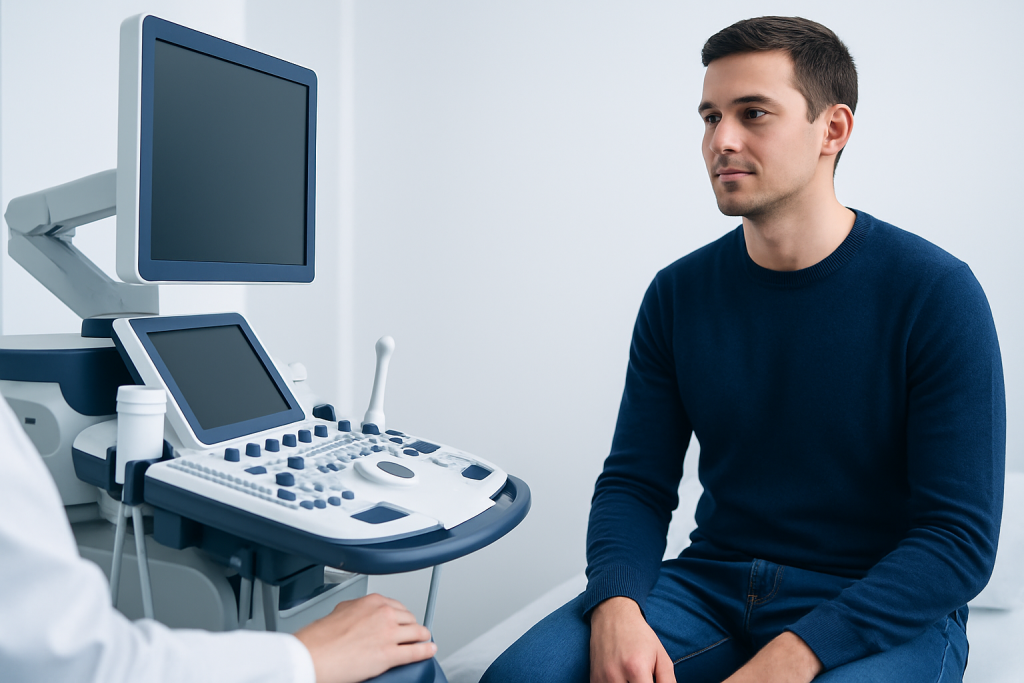
In practical terms, you are more likely to be a candidate for treatment abroad if your condition is stable, your needs are clear, and your doctor can review enough recent information to advise properly. Planned care works best when there is time to organize records, confirm timing, and arrange the right length of stay.
Examples of situations that often suit medical travel include non-emergency consultations, elective procedures, second opinions, follow-up planning, and care that benefits from specialist coordination. At Acibadem Health Point, international patient teams are used to helping you match your goals with the right hospital service, so you are not trying to piece everything together alone.
- Your symptoms are not suddenly worsening
- You can travel with reasonable comfort and safety
- You have recent scans, reports, or test results
- You know what outcome you are hoping for: diagnosis, treatment, or review
- You can plan time away from work, home, or caregiving responsibilities
It also helps if you are mentally prepared for a different healthcare system. Even when the clinical care is familiar, the logistics are not the same as at home. You may need an interpreter, a longer appointment schedule, or time for the hospital to review your case before confirming the plan.
When treatment abroad may not be the right first move

There are times when the safest answer is to pause and seek urgent local care first. If you are having a medical emergency, severe instability, or a condition that could worsen quickly during travel, you should not treat an international trip as the first step.
You may also be a poor candidate if your records are incomplete and your care cannot be responsibly assessed yet. A specialist can only advise well when they can see the right test dates, imaging, medication list, and previous treatment history. If information is missing, the first task is often gathering documentation rather than booking travel.
Another reason to wait is if your recovery plan is likely to require close follow-up that you cannot realistically manage after returning home. Good international care should support continuity, not create a gap that leaves you unsure who is watching over your recovery.
The records that make a remote assessment useful
Before anyone can tell you whether you are a candidate, they will usually need a clear medical picture. That means more than a diagnosis label. It means the actual documents that explain how your condition has been evaluated and what has already been tried.
At a minimum, it is helpful to collect the following in one place: recent clinic notes, imaging reports, pathology results if relevant, blood work, medication lists, allergy information, and a short summary of any previous operations or procedures. If you have been seen by more than one doctor, include those records too, because patterns can matter.
Acibadem Health Point’s international patient services can guide you on what to send and how to organize it. If your documents are in another language, an interpreter or translation support can help reduce confusion, especially when timing is important and you need a swift but accurate review.
- Identity details and contact information
- Current diagnosis or suspected diagnosis
- Recent scans, lab work, and reports
- Medication and allergy list
- Any prior treatment summaries
Travel readiness is part of medical readiness
Being a candidate is not only about the diagnosis; it is also about whether you can physically and practically get to the hospital. Flights, airport transfers, mobility needs, and companion support all affect whether treatment abroad is realistic for you.
If you use a wheelchair, need help walking, tire easily, or have breathing limitations, those details should be shared early. The hospital team may need extra time for arrival coordination, appointment spacing, or transport advice. This is where Acibadem Health Point can be especially helpful, because the support team can line up logistics with the hospital schedule rather than leaving you to manage each piece separately.
You should also think about how long you can stay away from home. Some plans require only a short visit; others involve a longer assessment period or a staged return for follow-up. A good fit is one where the travel plan supports the care plan, not the other way around.
What a confident pre-assessment conversation looks like
If you are unsure whether you qualify for treatment abroad, a pre-assessment conversation can bring structure to the decision. You do not need to know all the medical language. You do need to explain your symptoms, your goals, and any time pressure around work, school, family, or prior treatment.
A useful consultation usually answers four things: whether your case can be reviewed remotely, whether you need additional tests before traveling, whether the treatment can safely be done during the time you have available, and what type of aftercare you will need once you go home. If those questions are clear, you are much closer to knowing whether international treatment makes sense.
At Acibadem Health Point, the process is designed to be practical. The goal is not to overwhelm you with options but to help you understand what is medically and logistically realistic. That can save time, reduce uncertainty, and prevent avoidable travel if the fit is not right.
How to think about aftercare before you book anything
People often focus on the hospital stay and forget the weeks after they leave. But for many treatments, aftercare is part of whether you are truly a candidate in the first place. You need to know who will monitor your recovery, how medicines will be managed, and whether follow-up tests are required.
If you live far away, ask how results will be shared, how questions will be handled after you return, and what signs should trigger local medical attention. A smooth international experience is one that anticipates the handoff back home. JCI-accredited hospitals like those in the Acibadem network are built around systems and coordination, which helps make that handoff clearer.
Good aftercare planning also lowers anxiety. When you know what comes next, you can travel with more confidence and less guesswork. That matters as much as the procedure itself.
Step by step
- Write down your main reason for seeking care abroad. Be specific about what you want: diagnosis, a second opinion, a procedure, or a review of a treatment plan. A clear goal helps the medical team tell you whether an overseas journey is appropriate for your needs.
- Gather your recent medical documents. Collect reports, scans, medication lists, and previous treatment summaries before you ask for an assessment. The more complete the picture, the more reliable the advice will be.
- Check whether your condition is stable enough to travel. Ask yourself whether symptoms are changing quickly or whether you can comfortably manage a flight and transfer. If you are uncertain, treat safety as the priority and seek local medical advice first.
- Think through your trip logistics. Consider how long you can stay, whether you need a companion, and whether you will need mobility or interpreter support. These details can affect whether treatment abroad is realistic even if the medical side is suitable.
- Ask about the follow-up plan before confirming anything. Make sure you understand what happens after the hospital visit, including medication, recovery checks, and contact points. A strong plan includes the return journey, not only the arrival.
- Send your case for review. Share your information with an international patient team so a specialist can assess whether your case is appropriate. Acibadem Health Point can help coordinate this review and connect the medical and travel pieces together.
Your checklist
- Recent test results and imaging reports
- Clinic notes or referral letters
- Current medication and allergy list
- Past surgery or treatment summaries
- Passport and travel dates
- A companion if you need support
- Questions for the international patient team
- Details about mobility, diet, or interpreter needs
Key takeaways
- A candidate for treatment abroad is someone whose condition can be safely reviewed and managed around travel.
- Recent medical records are essential; without them, no team can assess your case well.
- Travel readiness, companion support, and aftercare planning are part of medical suitability.
- If your condition is unstable or urgent, local care should come first.
- Acibadem Health Point can help you organize records, interpretation, and logistics before you decide.
Frequently asked questions
How do I know if my case is suitable for treatment abroad?
Start with stability, timing, and documentation. If your condition is not urgent, you have recent records, and you can travel safely, an international review may be appropriate. A specialist team can then tell you whether your case needs more tests, a second opinion, or a different plan.
Can I be assessed before I travel to Turkey?
Yes, that is often the best first step. A remote review lets you share your records and understand whether travel is worthwhile before you commit to flights and accommodation. Acibadem Health Point can help organize that process.
What if I do not have all my records in one place?
Do your best to collect what you can, then ask what is missing. Even partial records can sometimes start the conversation, but a complete picture leads to better advice and fewer delays.
Does needing an interpreter affect whether I am a candidate?
No, but it does affect planning. If you need language support, that should be arranged early so your consultations, consent discussions, and recovery instructions are clear. International patient services can help with this.
What if I need a companion to travel with me?
That is common and often sensible. If you rely on a family member or friend for mobility, decision support, or reassurance, tell the team early so logistics can be set up properly.
Should I wait for a second opinion before traveling?
If you are unsure about your diagnosis or treatment plan, a second opinion can be a smart first step. It may confirm that treatment abroad is appropriate, or it may show that you need different testing before making travel plans.
Will Acibadem Health Point help if I am not a suitable candidate?
Yes, you can still ask for guidance. If your case is not right for overseas treatment now, the team can help you understand why and what information or medical step comes next.
More Patient Guides

How to Prepare Your Medical Records for Treatment Abroad
Learn how to organize medical records for treatment abroad so your team can review faster, plan safely, and avoid delays.
8 min read
Bin ich ein geeigneter Kandidat für eine Behandlung im Ausland?
Erfahren Sie, ob eine Behandlung im Ausland in Türkiye für Sie geeignet ist, was Sie vorbereiten sollten, wie die Beurteilung abläuft und…

Bin ich ein Kandidat für eine Behandlung im Ausland? Wichtige Fragen zur Eignung
Erfahren Sie, ob eine Behandlung im Ausland für Sie geeignet sein könnte: Was Sie prüfen sollten, welche Unterlagen hilfreich sind und wie…

