

Recovery Support for Companions: What Families Need to Know After Discharge

Medically reviewed by the Acıbadem clinical team — June 13, 2026
After discharge, your role may shift from visitor to recovery partner. This guide helps you support day-to-day healing safely, manage practical details, and know when to ask for help.
At a glance
- Best for: Family members or companions supporting a patient after discharge
- Main focus: Safe home care, medication routines, mobility, and follow-up
- Useful when: You are leaving the hospital, hotel, or temporary accommodation
- International patient angle: Planning care while preparing to travel home or continue recovery abroad
- Support available through Acibadem Health Point: Discharge coordination, interpreter support, and follow-up guidance
What your role looks like once discharge starts
Discharge is not the end of care; it is the point where daily recovery becomes more hands-on and more personal. If you are the companion, you help turn written instructions into a routine the patient can actually follow, especially when they are tired, sore, anxious, or still adjusting after treatment.
In practice, that means keeping track of medicines, helping the patient move safely, watching the wound or dressing if relevant, and making sure meals, rest, and hydration happen in a steady rhythm. It also means knowing who to contact if something feels off, rather than waiting and hoping it improves on its own.
At Acibadem Health Point, the discharge conversation is meant to be practical, not rushed. Because many patients are travelling internationally, the team can help you understand the plan clearly, with interpreter support if needed, so you leave with fewer gaps and less guesswork.
Make the first 48 hours simple, not perfect
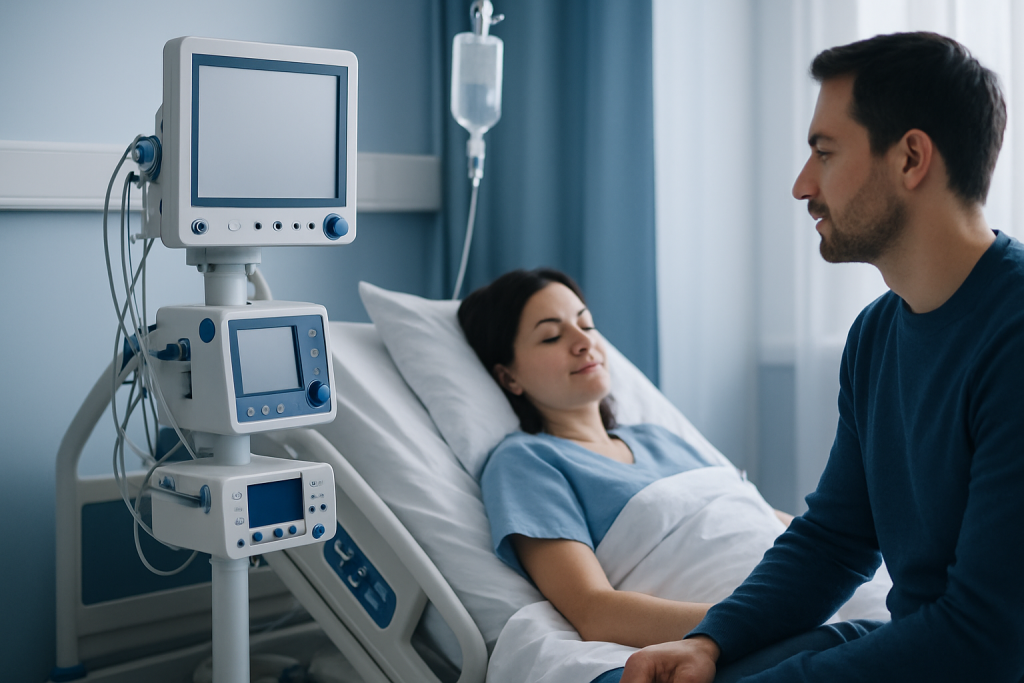
The first two days after discharge are usually about settling in safely. You do not need to build a flawless recovery schedule; you need a calm one that is easy to repeat. Keep essentials close: medications, water, phone charger, discharge papers, and any supplies you were told to use.
Try to reduce avoidable strain. That may mean limiting stairs, avoiding long outings, preparing soft or light meals, and allowing extra time for slow movement. If the patient is weak, dizzy, or uncomfortable, it helps to have one person designated to assist with walking, transport, and communication.
If you are staying in a hotel or serviced apartment after leaving the hospital, check that the room setup supports recovery. A safe bathroom, firm chair, easy access to water, and a place to rest with minimal walking can make the day much easier for both the patient and the companion.
- Keep the discharge summary accessible, not buried in luggage.
- Set alarms for medicines if timing matters.
- Leave space in the schedule for rest, not just errands.
- Confirm whether the patient needs someone with them when walking or climbing steps.
Medications, symptoms, and the part families often manage

Many recovery problems happen not because the treatment failed, but because instructions were misunderstood or mixed up during a busy transition. As the companion, you can help by checking that each medication has a clear purpose, a clear timing, and a clear method of use. If two items look similar, label them so they are not mistaken for each other.
It also helps to keep a simple note of symptoms during the first days at home or in a hotel. Record pain level, temperature if advised, appetite, nausea, bowel movements if relevant, and anything unusual the patient mentions. This record becomes valuable if you need to update the care team later, especially across time zones.
Never change doses, stop a prescribed medicine, or add over-the-counter products without checking first. Even common remedies can interact with recovery plans, and international patients sometimes buy familiar medicines in a new country without realizing the name or strength is different. When in doubt, ask the hospital team, your local pharmacist, or both.
Mobility, comfort, and safety around the room or home
One of the most useful things you can do is lower the chance of a fall or strain. Clear walking paths, keep shoes or slippers within reach, and make sure the bathroom is easy to access. If the patient was given mobility instructions, follow them carefully, even if they feel capable of doing more.
Comfort is not a luxury during recovery; it supports better rest and better movement. Pillows can help with positioning, a blanket can prevent shivering after procedures or travel, and a stable chair can make dressing and eating less tiring. Small improvements add up when energy is limited.
If your return journey is soon, plan transport with the recovery stage in mind. Long airport walks, heavy luggage, and tight connections can be difficult, so it is worth building in extra time and assistance. Acibadem Health Point’s international patient services can be helpful here because the team can coordinate practical travel and accommodation details around the discharge plan.
When recovery crosses borders, communication matters more
Many families leave the hospital with instructions that still need to be followed after they return to another city or country. This is where clear communication becomes the backbone of safe recovery. Make sure you know what is normal, what is urgent, and what can wait for a scheduled follow-up.
Save all key documents in both paper and digital form: discharge summary, medication list, test results, appointment details, and contact numbers. If another doctor at home will continue care, these records help avoid delays and reduce the risk of repeated tests or conflicting advice.
When language is a barrier, ask for clarification before you leave. A short explanation now is much easier than a long misunderstanding later. Acibadem Health Point regularly supports international patients with interpreters and follow-up coordination so families can move from hospital care to home care with fewer uncertainties.
Red flags that should prompt urgent medical advice
Most recoveries include ups and downs, but some changes should never be brushed aside. Severe pain that suddenly worsens, difficulty breathing, heavy bleeding, repeated vomiting, confusion, chest pain, fainting, or a wound that looks infected all deserve prompt attention. Fever or swelling may also matter depending on the type of treatment and the instructions you were given.
Trust the discharge guidance you received, even if the symptoms seem mild at first. If the patient is getting weaker instead of stronger, cannot keep fluids down, or becomes difficult to wake, contact the care team or local emergency services without delay.
As a companion, your observation is valuable because you often notice changes before the patient does. You do not need to diagnose the problem; you just need to report it quickly and clearly with the timing, symptoms, and any medicine taken.
How Acibadem Health Point can help after discharge
For international patients, discharge should feel organized rather than abrupt. Acibadem Health Point works with JCI-accredited hospitals and multidisciplinary specialist teams, which means the advice you receive is designed to fit the treatment you have already had and the recovery you still need to manage.
The international patient journey often includes more than medical instructions. You may need help understanding papers, arranging transportation, planning a hotel stay, or deciding when it is safe to fly. The patient services team can help coordinate these steps so you are not trying to solve logistics while also learning a new recovery routine.
That practical support is especially useful for companions, who often carry the day-to-day burden after discharge. Having a clear contact point, interpreter access, and a structured follow-up plan can reduce stress and help the patient settle into recovery more confidently.
Step by step
- Read the discharge plan together. Go through every instruction before leaving the hospital, not later in the car or hotel room. Ask what is normal, what needs monitoring, and what should trigger a call.
- Organize medicines into one system. Use a list, a pill organizer, or phone reminders so nothing is missed or repeated. Keep original packaging until you are certain each item is understood.
- Prepare the recovery space. Set up water, medicines, tissues, chargers, and any recommended supplies within easy reach. Make the bathroom and walking route as safe as possible.
- Track symptoms and progress daily. Write down pain, temperature if advised, appetite, sleep, and any new concerns. A short note each day can make follow-up conversations much easier and more accurate.
- Protect the travel timeline. If the patient is returning home soon, allow extra time for rest and paperwork. Avoid last-minute shopping, heavy lifting, or long excursions that can drain energy.
- Keep contact details ready. Store the hospital number, emergency contacts, and follow-up information in your phone and on paper. If you cross time zones, note the local hours when the team can be reached.
- Ask early if something changes. Do not wait for a small issue to become a big one. A quick question today is better than a complicated problem tomorrow.
Your checklist
- Discharge summary and medication list packed safely
- Interpreter or translated instructions saved if needed
- Medicine timings set on phone or watch
- Water, snacks, and basic supplies prepared
- Safe walking path and bathroom access checked
- Follow-up appointment details noted
- Emergency contact numbers saved in two places
- Travel plans reviewed with recovery needs in mind
Key takeaways
- Discharge starts a new phase of care, especially for families supporting from another country.
- Clear medicine routines and daily symptom notes reduce avoidable mistakes.
- Safety at home or in temporary accommodation matters as much as the treatment itself.
- Urgent symptoms should be reported quickly, not watched for too long.
- Acibadem Health Point can help international patients with discharge understanding, interpreters, and follow-up coordination.
Frequently asked questions
What should I ask before leaving the hospital after discharge?
Ask what medicines to take, when to take them, what activities to avoid, and which symptoms need urgent attention. It also helps to confirm follow-up timing and whether any documents need to be shared with a doctor at home.
How can I help if the patient is tired and not following the plan closely?
Keep the routine as simple as possible and focus on the essentials: medicines, rest, fluids, and safe movement. If the patient is confused or repeatedly misses steps, contact the care team for clarification rather than trying to improvise.
Is it safe to travel soon after discharge?
That depends on the treatment, the patient’s condition, and the advice given at discharge. If travel is planned, it should be discussed early so transport, airport timing, and any special needs can be arranged properly.
What records should I keep after leaving the hospital?
Keep the discharge summary, medication list, test results, and any follow-up instructions. If the patient will continue care elsewhere, these documents help another doctor understand what has already been done.
How do I know whether a symptom is urgent?
Look for clear changes such as breathing difficulty, heavy bleeding, chest pain, fainting, confusion, severe worsening pain, or signs of infection at a wound. When you are uncertain, it is safer to contact a medical professional sooner rather than later.
Can Acibadem Health Point help if we are already back in our home country?
Yes, international patient support can still be useful after discharge, especially for understanding follow-up needs and sharing documents. It is best to keep contact details ready so you know where to direct questions if something changes after travel.
More Patient Guides

Nachsorge, die Sie zu Hause selbst durchführen können: Welche Behandlungen erfordern eine persönliche Nachkontrolle?
Erfahren Sie, welche Nachsorge zu Hause möglich ist, welche persönlich kontrolliert werden muss und wie Sie auch nach der Reise mit Ihrem…

Nachsorge-Lücken vor der Wahl einer Behandlung im Ausland prüfen
Prüfen Sie vor Ihrer Reise die Nachsorgelücken: Kontrolltermine, Unterlagen, Medikamente, Rehabilitation und wer Sie nach der Rückkehr zu Hause unterstützt.

Aktivitätsgrenzen nach der Behandlung: Was Patienten vermeiden sollten
Erfahren Sie, welche Aktivitäten Sie nach der Behandlung vermeiden sollten, wann Sie sich ausruhen sollten und wie Sie mit klaren, praktischen Nachsorgehinweisen…
Related Specialists

Dr. Safiye Sayilir
Physical Medicine & Rehabilitation
Dr. Özgün Barış Çolak
Physical Medicine & Rehabilitation
Prof. Dr. Meltem Vural
Physical Medicine & Rehabilitation
Prof. Dr. Meral Bayramoğlu
Physical Medicine & Rehabilitation