

Returning Home After Surgery in Turkey

Medically reviewed by the Acıbadem clinical team — June 12, 2026
Going home after surgery should feel organized, not overwhelming. This guide helps you plan the journey, protect your recovery, and stay connected with your care team once you leave Turkey.
At a glance
- Best time to travel: Only after your surgeon says you are fit to fly or travel
- Key documents: Discharge summary, medication list, wound-care instructions, imaging/results if relevant
- Support available: Interpreter help, discharge coordination, and international follow-up planning
- Main travel concern: Reducing strain, swelling, pain, and clot risk during the journey
- Typical follow-up: Remote check-ins and coordination with your home-country doctor
What your last day in hospital is really for
Your discharge day is not just a handover of papers. It is the moment when you and your care team make sure you know what has been done, what you need to do next, and what would count as a warning sign once you are on the road or in the air.
Before you leave, ask for a plain-language rundown of your surgery, your current condition, your wound or dressing plan, and the medicines you should take and avoid. If you are an international patient at Acibadem Health Point, this is also when the international patient team can help you organize printed instructions, interpret details if needed, and make sure you leave with the right contacts.
It helps to think of discharge as a checkpoint, not an ending. You are building the bridge between care in Turkey and the next part of your recovery at home.
How to decide whether you are fit to travel
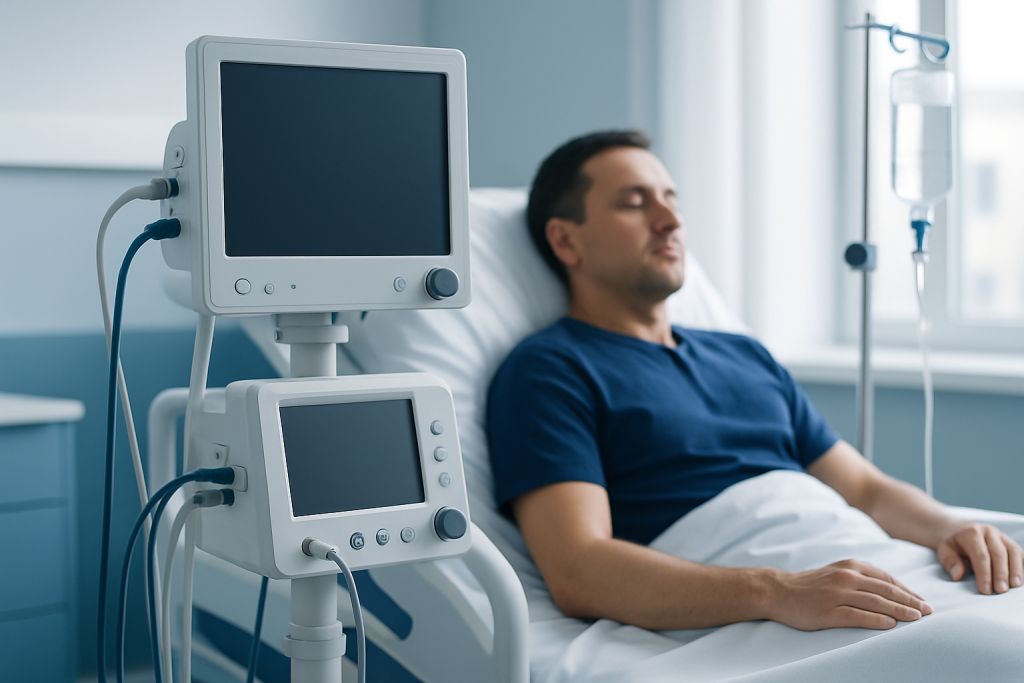
Travel after surgery is not about the calendar alone. Your surgeon will look at the type of procedure you had, your pain level, your mobility, whether you need drains or special dressings, and whether there is any reason to delay a flight, long drive, or train journey.
Some patients are ready to travel sooner than they expect, while others need more time for observation or a local overnight stay. If you feel uncertain, ask the team to explain the specific reason for their recommendation rather than relying on a general rule.
It is sensible to confirm whether you need help moving bags, using stairs, or sitting for long periods. If you have a companion, they can often make the return trip much easier by helping with paperwork, medication reminders, and mobility support.
Packing for the journey home without overdoing it
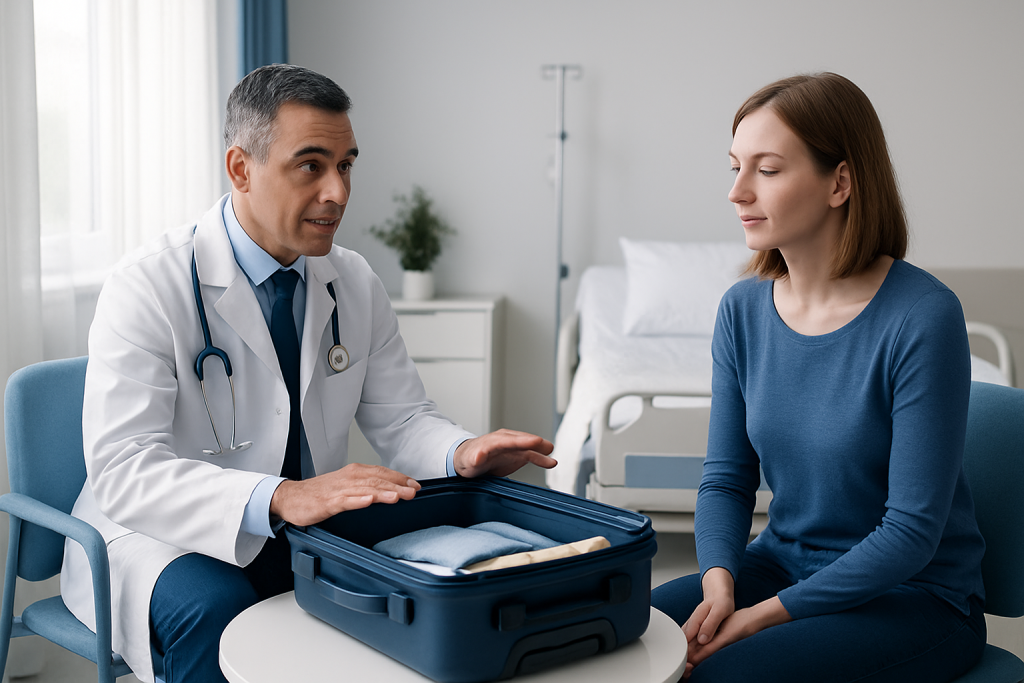
When you pack after surgery, light and practical wins over “just in case” extras. Keep your discharge papers, medication list, prescriptions, any imaging or test results, and your surgeon’s contact details in your hand luggage or an easy-to-reach bag.
Bring loose clothing that will not rub against incisions or dressings, plus anything you may need for comfort on the trip such as a neck pillow, water bottle, lip balm, and a charger. If you use compression garments, mobility aids, or medical devices, check in advance whether they should be worn or carried during travel.
Try not to make your suitcase part of your recovery burden. If you can, arrange for someone else to lift luggage, open doors, and manage transfers so you can focus on getting home safely.
Managing the trip: plane, car, or transfer
Long periods in one position can be hard after surgery, especially if you are tired, sore, or prone to swelling. Whether you are flying or traveling by car, plan for regular movement as allowed by your surgeon, plus water, rest, and easy access to your medicines.
If you are flying, ask your airline about assistance with boarding, wheelchairs, or seating preferences. If you are traveling by car, build in breaks so you can stretch, walk a little, and adjust your position comfortably.
For some procedures, your team may advise specific travel precautions such as avoiding heavy lifting, keeping your legs elevated when possible, or delaying long-distance travel. Acibadem Health Point’s international patient services can help you understand those instructions clearly before you leave.
Your wound, medicines, and daily routine once you arrive home
The first few days at home often go best when you keep the routine simple. Follow the dressing instructions exactly, take medicines at the times given, and avoid improvising with over-the-counter products unless your surgeon says they are safe for you.
Keep the area clean and dry as directed, and watch for changes such as increasing redness, unusual swelling, bleeding, discharge, fever, or pain that feels worse rather than gradually better. Small changes matter, especially when you are still early in recovery.
It can help to set alarms for medication, prepare easy meals, and clear a resting space before you travel. Recovery is easier when your home environment supports it instead of asking your body to do extra work.
Staying connected with your care team after you leave Turkey
Going home does not mean you are on your own. A good discharge plan should tell you who to contact, how to reach them, and what kind of update they need from you if something changes.
Keep all follow-up instructions together, including any photo guidance for wound checks, timing for dressing removal, and the date of your next appointment, whether in person or online. If language is a barrier, ask for written instructions in a format you can review later with your family or local doctor.
Acibadem Health Point regularly supports international patients after discharge by helping coordinate follow-up questions, documents, and communication with your home-country physician when appropriate. That continuity can make the transition feel much smoother.
When to seek urgent help after you get home
Most recoveries involve ups and downs, but some symptoms should never be ignored. Seek urgent medical advice if you have trouble breathing, chest pain, sudden swelling in a leg, heavy bleeding, a high fever, worsening redness spreading from the wound, or severe pain that is not controlled as expected.
Trust your instincts if something feels clearly off. It is better to ask early than to wait and wonder, especially if you are recovering far from the team that performed your surgery.
If you are unsure whether a symptom is expected, contact your surgeon’s office or the international patient team with a clear description of what you are seeing, when it started, and what has changed. A short, specific message is often the fastest way to get useful guidance.
Step by step
- Ask for discharge instructions before the final day. Request a written summary that covers your surgery, medicines, wound care, activity limits, and follow-up plan. This gives you time to review details while you are still close to the care team.
- Confirm when you are allowed to travel. Do not assume you can fly or drive just because you feel well enough. Your surgeon should confirm that the timing is appropriate for your procedure and recovery status.
- Prepare a simple travel kit. Keep documents, medicines, and essentials in one place and within reach. Add loose clothing, water, and any approved comfort items that make sitting or standing easier.
- Plan assistance for transfers and luggage. Arrange help from a companion, driver, or airport service if you may have trouble walking, lifting, or navigating terminals. Reducing effort on the travel day protects your energy for recovery.
- Follow the medicine and dressing schedule exactly. Use alarms, notes, or a phone app if needed so nothing is missed. Consistency matters most during the first days at home, when your body is still settling after surgery.
- Set up a clear follow-up channel. Save the correct contact details before you leave Turkey. If your care team has asked for photos, messages, or a report from your local doctor, organize that early so you do not lose track of it.
- Watch for warning signs after arrival. Check your symptoms regularly and do not dismiss sudden changes. If you notice anything worrying, seek advice promptly rather than waiting for the next planned check-in.
Your checklist
- Discharge summary and any translated copies
- Medication list with doses and timing
- Prescriptions and pharmacy instructions
- Wound-care and dressing-change instructions
- Surgeon and hospital contact details
- Travel plans confirmed with your care team
- Loose, comfortable clothing for the trip
- A companion or assistance arranged if needed
- Any imaging, test results, or follow-up reports
- A safe resting space prepared at home
Key takeaways
- Your surgeon should clear you for travel based on your actual recovery, not just the date on the calendar.
- Keep medicines, wound-care supplies, and discharge papers with you during the journey.
- Simple planning—help with luggage, seating, rest, and hydration—can make travel much safer.
- Clear follow-up instructions are essential once you are back in your home country.
- Know the warning signs that mean you should seek urgent medical help.
Frequently asked questions
How soon can I fly home after surgery in Turkey?
It depends on the surgery, how you are healing, and whether you have any travel restrictions. Your surgeon should tell you when it is safe, and that advice matters more than a general timeline. Some patients are ready quickly, while others need extra observation or a later departure.
What should I keep in my hand luggage after surgery?
Keep your discharge summary, medicines, prescriptions, and any important contact details with you. If you have dressings, compression garments, or documents for follow-up, those should also be easy to reach. The goal is to avoid checking anything you may need urgently during the trip.
Can Acibadem Health Point help after I leave Turkey?
Yes, international patient support can help coordinate your discharge documents, answer follow-up questions, and support communication with your home-country doctor when appropriate. If you need clarification after you leave, having one clear contact pathway saves time and reduces stress. It also helps keep your aftercare consistent.
What if I have pain or swelling during the journey home?
Some discomfort can happen, but worsening pain, sudden swelling, or breathing problems should be taken seriously. Follow the instructions your team gave you about movement, medicine, and rest during travel. If symptoms feel unusual or severe, seek medical advice promptly rather than waiting until you arrive.
Do I need a follow-up appointment after returning home?
In many cases, yes, even if you feel well. Follow-up may be in person, by video call, or with your local doctor depending on the procedure and your care plan. Keep the timing and contact details written down before you leave Turkey so it is easy to follow through.
Should I ask for my records before I leave?
Absolutely. A discharge summary, medication list, and key test results can be very helpful if you need local follow-up or urgent care at home. Having complete records makes it easier for another clinician to understand what has been done and what comes next.
More Patient Guides

Nachsorge-Lücken vor der Wahl einer Behandlung im Ausland prüfen
Prüfen Sie vor Ihrer Reise die Nachsorgelücken: Kontrolltermine, Unterlagen, Medikamente, Rehabilitation und wer Sie nach der Rückkehr zu Hause unterstützt.

How to Track Recovery Symptoms at Home
Learn how to monitor recovery symptoms at home, spot red flags early, and stay organized after treatment with clear, practical follow-up tips.
8 min read
Remote Follow-Up After Treatment in Turkey
Learn how remote follow-up after treatment in Turkey works, what to prepare before you fly home, and how to stay connected with…
8 min read
