

Remote Follow-Up After Treatment in Turkey

Medically reviewed by the Acıbadem clinical team — June 13, 2026
If you’re flying home after treatment in Turkey, the care journey does not end at discharge. Remote follow-up helps you stay connected with your team, share progress, and get practical guidance as you recover in your own country.
At a glance
- Best for: International patients who need aftercare once they leave Turkey
- How it works: Video calls, phone check-ins, messages, and shared test results
- What you need: A discharge plan, medication list, and reliable contact details
- Who helps: Your care team and international patient services
- When to ask for help: Any new symptom, concern, or confusion about instructions
Why follow-up matters once you are home
Patients often tell us that the hardest part is not the flight itself, but knowing what is normal once they are back home. That is where a clear follow-up route matters. With Acibadem Health Point, you can usually expect a straightforward channel for questions, interpretive support if needed, and a team that understands the realities of international travel and recovery.
- Medication questions after discharge
- Wound, mobility, or symptom updates
- Test result review
- Next-step planning with your specialist
What remote follow-up usually includes
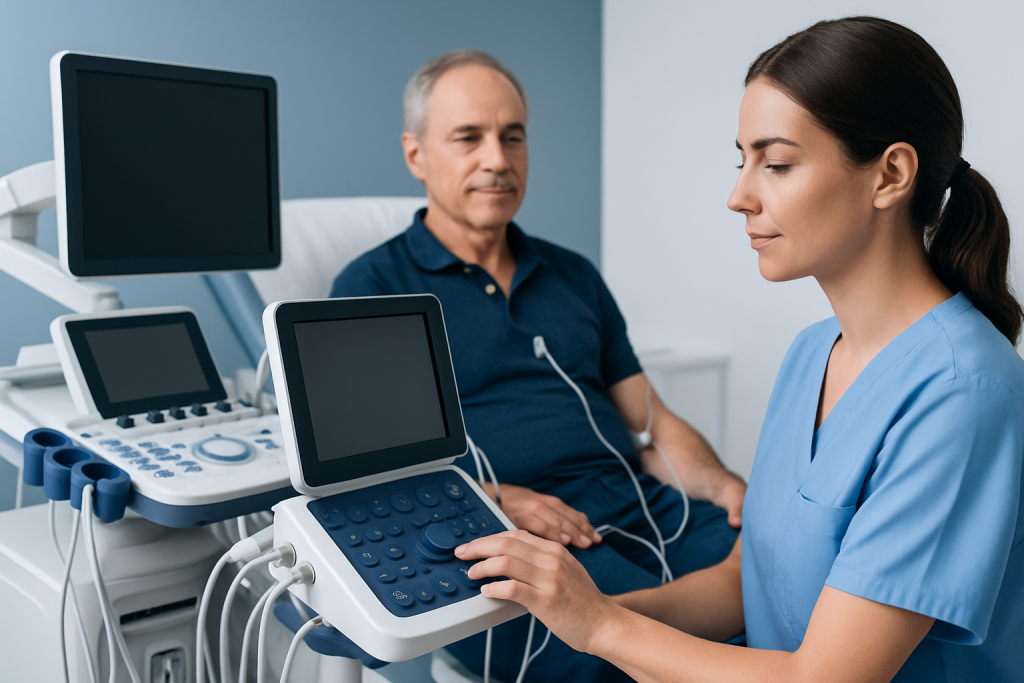
It helps to think of remote follow-up as a practical toolkit rather than a single appointment. The details may look different for a surgical patient, a dental patient, or someone finishing a medical treatment plan, but the purpose is the same: keep the care connection alive after you have gone home.
When this system is set up well, you should not feel abandoned once you leave Turkey. You should feel guided, with a clear path back to your care team if something does not feel right.
What to prepare before you leave Turkey

A small amount of preparation can make follow-up much smoother:
- Save contact details in your phone and email
- Keep a recovery folder with all documents
- Write down your follow-up dates
- Set reminders for medications and check-ins
- Confirm any language support you may need
If you are flying long-haul, also ask whether you need to monitor swelling, hydration, movement, or blood clot precautions during travel. These details matter because the first days after discharge often include both recovery and transit.
How to communicate clearly from another country
When messages are clear, replies are usually clearer too. A good habit is to end each update with one direct question, such as whether your symptoms are expected, whether your medicines should change, or whether you need a local exam. That gives your team something specific to answer.
When to seek local care instead of waiting for a remote reply
This part of the journey is where practical planning really pays off. You do not need to guess your way through recovery, and you do not need to decide alone which symptoms matter. The right follow-up structure makes that easier.
How Acibadem Health Point supports follow-up across borders
The main benefit for you is not the technology itself, but the continuity behind it. Whether your follow-up is one call or a longer series of updates, you should feel that your care team still knows your case and that your next step is guided rather than improvised.
Step by step
- Confirm your follow-up plan before discharge. Before you leave Turkey, ask who will contact you, when the first check-in will happen, and what method will be used. Make sure you know how to reach the team if your symptoms change sooner.
- Take home a complete set of records. Carry discharge notes, prescriptions, test results, and any care instructions with you. Keep copies in your phone and in a folder so you can share them quickly if needed.
- Track symptoms in a simple daily note. Write down key details such as temperature, pain level, swelling, medication times, and anything unusual. Small, consistent notes are often more useful than trying to remember everything later.
- Use the agreed communication channel. Send routine updates through the method your team recommended, whether that is email, video, or messaging. If a symptom is urgent, do not wait for a routine reply—seek local care first.
- Keep your local doctor in the loop if needed. If follow-up requires local tests or examination, share your discharge summary and instructions. This reduces confusion and helps local clinicians work alongside your Turkish team.
- Ask for clarification early. If any instruction is unclear, ask before you travel home or during the first follow-up contact. It is much easier to clarify a plan than to guess later when you are tired or anxious.
Your checklist
- Discharge summary saved on your phone and printed
- Medication list with doses, timing, and duration
- Follow-up contact details and preferred communication method
- Scheduled date for the first remote review
- Local emergency number stored in your phone
- Any wound care or rehab instructions written clearly
- Interpreter support confirmed if you may need it
- Travel documents and insurance details accessible
- A place to record daily symptoms and questions
Key takeaways
- Remote follow-up keeps your treatment connection active after you return home.
- Clear discharge instructions make distance-based care much easier to manage.
- You should know when to contact your Turkish team and when to seek local care.
- Interpreter and international patient support can reduce misunderstandings.
- A good follow-up plan is practical, specific, and tailored to your recovery.
Frequently asked questions
How soon should remote follow-up start after I leave Turkey?
That depends on your treatment and your recovery needs, but many patients benefit from an early check-in soon after they get home. The first contact is often used to confirm that travel went smoothly, review medications, and catch any issues early. Ask your team to schedule the timing before you leave.
What if I do not speak English well enough for a follow-up call?
Tell the team before discharge so interpreter support can be arranged where possible. You should not have to guess your way through recovery in a language that feels difficult under stress. Clear communication is a safety issue, not a luxury.
Can my local doctor work with the team in Turkey?
Yes, many patients use their local doctor for exams, prescriptions, or urgent concerns while keeping the Turkish team informed. Share your discharge summary and any requested updates so both sides have the same information. This is often the smoothest way to manage care across borders.
What should I do if I notice something worrying at home?
If the symptom is severe or getting worse quickly, get local medical help right away. After that, inform your Turkish care team so they can advise on the next steps. For less urgent concerns, follow the agreed communication plan and send a clear update.
Do I need to keep all my paperwork after treatment?
Yes, keep everything together because those documents help your follow-up team and any local doctor understand what was done. Store digital copies as well as paper versions if possible. Good records make remote care much easier.
Will remote follow-up replace an in-person review if I need one?
Not always. Remote follow-up is helpful for monitoring, guidance, and questions, but some situations still need an in-person assessment, repeat test, or local examination. Your team should tell you when a face-to-face review is necessary.
More Patient Guides

Nachsorge-Lücken vor der Wahl einer Behandlung im Ausland prüfen
Prüfen Sie vor Ihrer Reise die Nachsorgelücken: Kontrolltermine, Unterlagen, Medikamente, Rehabilitation und wer Sie nach der Rückkehr zu Hause unterstützt.

How to Track Recovery Symptoms at Home
Learn how to monitor recovery symptoms at home, spot red flags early, and stay organized after treatment with clear, practical follow-up tips.
8 min read
When to Schedule Your First Follow-Up at Home
Learn when to book your first follow-up after treatment abroad, what to track, and how to stay coordinated with your home doctor.
8 min read


