

Recovery Without Guesswork: The Questions to Ask Before You Leave Turkey

Medically reviewed by the Acıbadem clinical team — June 13, 2026
Leaving Turkey after treatment can feel reassuring and uncertain at the same time. This guide helps you ask the right questions before you go, so your recovery plan is clear, practical, and easier to follow at home.
At a glance
- Best for: International patients preparing to fly home after treatment in Turkey
- Focus: Questions to clarify recovery, medications, wound care, and follow-up
- Tone: Practical, step-by-step, and easy to use with your care team
- Support: Acibadem Health Point international patient services, interpreters, and travel coordination
- Goal: Reduce guesswork once you leave the hospital and return home
Why the last conversation before discharge matters
The final day in hospital is often busy: your room is being prepared, transport is arranged, and you may already be thinking about the flight home. That is exactly why your discharge conversation deserves its own time and attention. You do not need to remember everything in the moment, but you do need a recovery plan that is specific enough to follow when you are back in another country.
Think of this as the handover between your care team in Turkey and your everyday life at home. If anything is unclear now, it is much easier to resolve it before you leave Acibadem Health Point than after you are already on the road or in the air. A good discharge discussion should translate medical advice into ordinary logistics: what to do, when to do it, what to avoid, and who to contact if something changes.
Many international patients feel more settled once they know what is normal, what is not, and how long certain symptoms may last. If you are traveling with a companion, this is a good moment for them to listen in too. Two sets of ears are usually better than one when you are dealing with medicine schedules, dressing changes, or mobility limits.
Questions about your medicines and pain control

Before you leave, ask for a written medicine list in plain language. You want to know the name of each medicine, why you are taking it, how often you should take it, and whether it should be taken with food. If there is a substitute medicine for when you return home, ask whether the same active ingredient exists in your country and what the local brand may be called.
Pain control is one area where guesswork causes real problems. Ask what level of discomfort is expected, how long pain relief should be needed, and which symptoms mean you should get medical advice rather than simply wait it out. If you are worried about side effects such as nausea, drowsiness, or constipation, bring those up before you leave rather than later.
It also helps to clarify practical details like when you can drive, drink alcohol, or restart supplements and over-the-counter medicines. Some products that seem harmless can interact with prescription medicines or affect recovery. The team at Acibadem Health Point can help you review your discharge instructions with an interpreter if English is not your first language, so the plan is less likely to be misread once you are home.
Wound care, dressings, and hygiene: what exactly should you do at home?
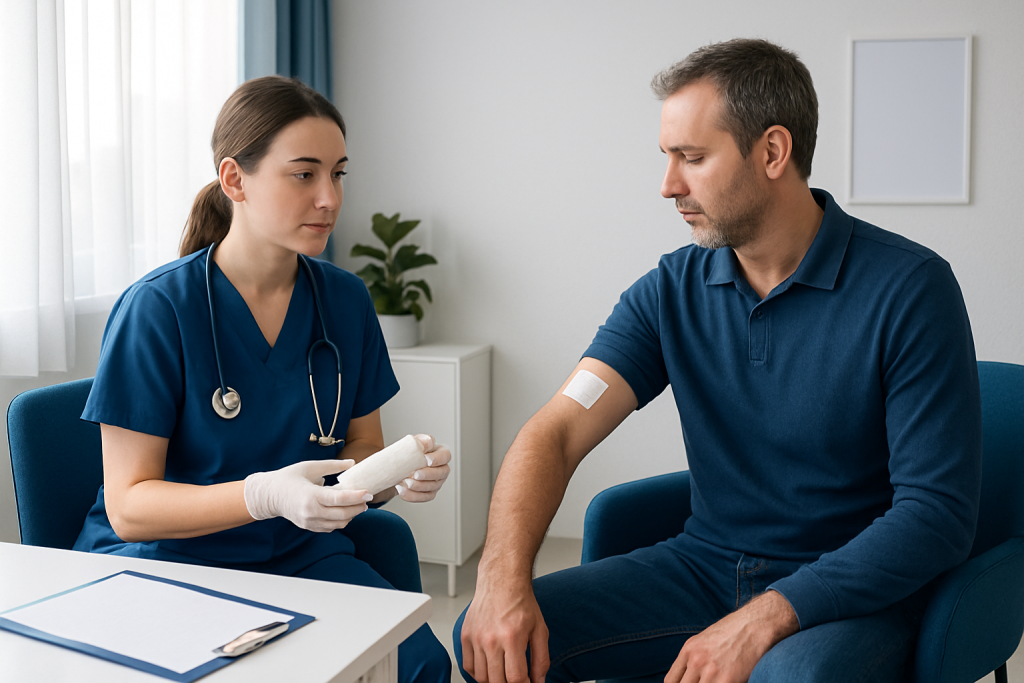
If you have an incision, dressing, drain site, or any area that needs cleaning, ask for the exact routine step by step. You are looking for practical details: when to change the dressing, whether you can shower, what soap or solution to use, and what drying method is safest. If a photo or written instruction sheet is available, request it before you depart.
It is also worth asking what normal healing looks like for your specific treatment. Some redness, swelling, bruising, or clear drainage may be expected, but the team should tell you how much is too much. Do not assume that every hospital uses the same aftercare routine; your discharge plan should be tailored to what you had done and how your healing is progressing.
If you are flying soon after treatment, ask how to protect your wound or dressing during the journey. Long trips can make it harder to keep things clean and comfortable, so it helps to know whether you need extra supplies in your hand luggage, how to manage tight clothing, and whether pressure on the area should be avoided.
Travel home: what should be arranged before you leave Turkey?
Recovery does not stop at the airport, so your travel plans should match your physical condition. Ask whether you need special seating, wheelchair assistance, mobility support, or a companion for the journey. If your treatment affects how long you can sit, stand, or lift luggage, that needs to be factored into the return trip.
Make sure you understand any flight-related precautions. These may include walking periodically, wearing compression garments if advised, avoiding heavy bags, or carrying a copy of your medical summary. If you have a long-haul flight, ask whether your team recommends any additional measures before takeoff.
Acibadem Health Point’s international patient services can help coordinate the non-medical side of departure, including transport, hotel timing, and communication with interpreters if needed. That support can make the difference between a rushed exit and a calm, organized handover. The goal is not to over-plan every hour, but to make sure the trip home fits your recovery needs rather than working against them.
Follow-up after you return home
One of the most important questions is simple: who will review your progress once you are back home? Ask whether your surgeon or specialist expects an in-person visit, a phone call, a video check-in, or a local doctor’s review. You should leave with a clear timeline for follow-up and a sense of which messages need a response quickly.
It is helpful to know what documents you should keep and share with your local clinician. This may include discharge notes, test results, imaging reports, medication instructions, and any aftercare recommendations. Put these in one place before you travel so you are not searching through email or luggage later.
If your recovery is expected to continue for weeks, ask how progress will be monitored and what milestones matter most. You want to know what “on track” looks like, not just what problems to watch for. When Acibadem Health Point coordinates follow-up for international patients, the aim is to keep the handoff understandable even after you have crossed a border.
Warning signs you should never ignore
Before discharge, ask your care team to spell out the warning signs that should prompt medical attention. You are not being dramatic by asking this; you are being prepared. The list may include fever, unusual bleeding, worsening pain, shortness of breath, spreading redness, changes in the wound, or anything else that seems out of step with normal healing.
Also ask what to do if a concern comes up outside working hours. Know which number to call, whether you should contact the hospital directly, and what information to have ready. If you are traveling across time zones, confirm how to reach the team from your country and whether a local emergency service should be used in urgent situations.
It is better to leave with a clear threshold for action than to spend your first night home debating whether something is “serious enough.” A good aftercare plan gives you confidence to rest without ignoring real problems. That peace of mind is especially valuable when you are recovering far from the team that treated you.
Questions that make the handover easier for you and your companion
If someone is helping you travel, they should know the plan as well as you do. Ask who needs to do what at home: who will manage medicines, who will check the dressing, who will help you walk, and who will keep track of follow-up dates. Clear roles reduce confusion, especially in the first few days after discharge.
You may also want to ask for a short written summary in everyday language. This can be especially useful if you are tired, emotional, or still thinking slowly because of anesthesia or medication. A one-page guide with the essentials often works better than a long packet of papers that you never open again.
- What should I do first when I get home?
- Which symptoms are expected, and which are not?
- How do I reach someone if I am worried?
- What should my local doctor know?
That kind of short, practical list is often what people actually use. Acibadem Health Point teams are used to helping international patients leave with clear instructions, not vague reassurance. The cleaner the handover, the easier it is to settle into recovery with less anxiety.
Step by step
- Ask for your written discharge summary. Before you leave, request a clear summary of your treatment, medicines, and aftercare plan. Keep both a paper copy and a digital copy so you can access it during travel and after you return home.
- Confirm your medicine schedule. Check exact doses, timing, and duration for every medicine you will continue at home. Ask what to do if you miss a dose, and whether any of your usual medicines should be paused temporarily.
- Review wound care or activity limits. Get specific instructions on dressings, bathing, lifting, exercise, and sleep positions if relevant. Do not rely on general advice you may have read online, because your plan may be different.
- Plan the journey home around recovery needs. Make transport, luggage, and flight arrangements that suit your mobility and comfort. If you need assistance at the airport or on the plane, arrange it before you leave the hospital.
- Save the correct contact details. Write down the hospital number, your international patient contact, and any after-hours guidance. If you have an interpreter or coordinator, keep their details too in case you need help understanding instructions later.
- Set up follow-up before you travel. Know whether your next review is local, remote, or with the Acibadem Health Point team. Put the date or time window in your calendar before you go so it is not forgotten once you are home.
Your checklist
- I have a written discharge summary and medicine list
- I know exactly when and how to take each medicine
- I understand my wound care, showering, and dressing instructions
- I know which symptoms are normal and which need urgent advice
- I have contact numbers for the hospital and international patient team
- I have arranged travel assistance if I need it
- My companion knows the plan and their role
- I have copies of key documents to share with a local doctor
- I know when and how my follow-up will happen
Key takeaways
- Discharge is the moment to turn hospital care into a clear home recovery plan.
- Ask about medicines, wound care, warning signs, and travel limits before you leave.
- Written instructions matter because memory fades quickly once travel starts.
- Your follow-up plan should be clear even if you are returning to another country.
- Acibadem Health Point can help international patients with interpreters, coordination, and practical departure support.
Frequently asked questions
What should I ask if I only have time for five questions before discharge?
Focus on medicines, wound care, warning signs, activity limits, and follow-up. Those five areas cover most of the day-to-day issues that cause confusion after you leave. If you have time for more, ask about travel logistics and who to contact after hours.
Should I ask for written instructions even if the staff explain everything verbally?
Yes. Verbal instructions are helpful, but they are easy to forget once you are tired or traveling. Written instructions give you something to check at home, and they are especially useful if your companion or local doctor also needs the information.
What if I do not understand the discharge instructions fully?
Say so immediately and ask for the information to be repeated in simpler language. If needed, request interpreter support so the plan is clear before you leave Acibadem Health Point. It is much safer to clarify now than to guess later.
Do I need to tell my local doctor about treatment in Turkey?
In most cases, yes, especially if you will need follow-up, medication refills, or wound checks at home. Bring your discharge summary, test results, and any imaging or operative notes you received. That helps your local clinician understand what was done and what to monitor next.
What if I am worried something is not right after I get home?
Use the warning-sign guidance from your discharge paperwork and contact the number you were given. If symptoms seem urgent, seek emergency care locally rather than waiting for the next scheduled follow-up. Keep your medical documents handy so you can explain your treatment quickly.
How can Acibadem Health Point help after I leave the hospital?
Acibadem Health Point supports international patients with discharge coordination, interpreters, travel planning, and follow-up guidance. The goal is to make sure your recovery instructions remain usable after you leave Turkey, not just while you are in the hospital. If anything is unclear, ask before you travel so the team can help close the gap.
More Patient Guides

Preparing for Treatment in Turkey with Visual Impairment
Plan a smoother treatment trip to Turkey with practical accessibility tips, support options, packing advice, and aftercare planning.
8 min read
How to Arrange Mobility Equipment for Your Stay in Turkey
Plan mobility equipment before you travel to Turkey with a simple checklist for wheelchairs, walkers, beds, and hotel or airport support.
8 min read
Traveling to Turkey with a Disability: Patient Checklist
Plan a smoother medical trip to Turkey with a disability. Use this practical checklist for flights, mobility, medication, support, and recovery.
8 min readRelated Specialists

Dr. Safiye Sayilir
Physical Medicine & Rehabilitation
Dr. Özgün Barış Çolak
Physical Medicine & Rehabilitation
Prof. Dr. Meltem Vural
Physical Medicine & Rehabilitation
Prof. Dr. Meral Bayramoğlu
Physical Medicine & Rehabilitation