

Medical Travel Fit-to-Fly Checklist

Medically reviewed by the Acıbadem clinical team — June 12, 2026
Flying home after treatment takes a little more planning than a standard trip. This guide gives you a practical fit-to-fly checklist so you know what to confirm, pack, and ask before you leave.
At a glance
- Best for: International patients preparing to fly home after treatment or a hospital stay
- Core goal: Reduce travel-related risks and make your return smoother
- Before you book: Confirm you are medically cleared to fly and know any airline rules
- Bring with you: Discharge papers, medicines, mobility aids, and emergency contacts
- Support available: Acibadem Health Point can help coordinate interpreters, transport, and follow-up planning
What “fit to fly” really means for you
“Fit to fly” is not a badge you assume automatically when you feel ready to go home. It means your treating team believes air travel is reasonable for your current condition, your wound care needs, and the length of the journey ahead.
If you are recovering after surgery, a procedure, or a hospital stay, the question is not only whether you can sit on a plane. It is also whether you can manage pain, move safely, tolerate cabin pressure changes, and stay comfortable enough to avoid complications during transit.
At Acibadem Health Point, the aim is to make this decision practical and specific. Your care team, together with international patient services where needed, helps you understand what you can do, what you should avoid, and what you need in place before you leave Turkey.
Start with the medical questions before the travel questions
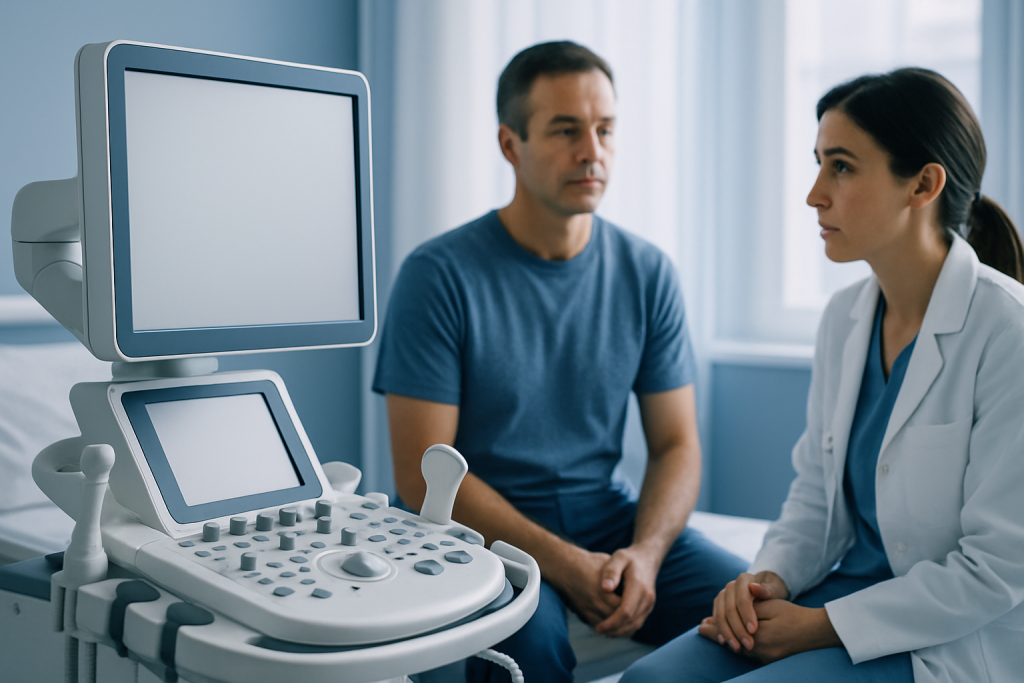
Before you confirm your return flight, ask your clinician a few direct questions. Can you fly now, or should you wait? Do you need a companion? Are there any movement limits, bleeding concerns, oxygen requirements, or medication timing issues to think about?
Some patients also need a letter for the airline, a summary for their home doctor, or guidance on medical devices and cabin seating. If you had anesthesia, sedation, or a longer operation, you may need extra time before flying because lingering dizziness, dehydration, or reduced mobility can make travel harder than expected.
If your case involves a wound, drains, casts, splints, drains, or a recent infection concern, get clear instructions in writing. This is where a multidisciplinary team is helpful: different specialists may each contribute one piece of the travel picture so your plan is not based on guesswork.
- Ask whether your condition is stable enough for the flight duration.
- Confirm if any medicines must be taken at exact times during travel.
- Check whether you need a companion to assist with mobility or communication.
- Request written guidance for airport security, airlines, or border checks if relevant.
Documents that make the journey easier

Keep your travel paperwork together in one place, ideally in both paper and digital form. That way, if you are tired at the airport or need to explain your situation quickly, you do not have to search through multiple bags or phone folders.
A discharge summary is especially important because it tells your home clinician what was done, what medicines you are taking, and what follow-up you may need. If Acibadem Health Point is helping coordinate your departure, the team can also help ensure your patient records are organized in a way that is easier to share with your doctor back home.
Useful documents often include your passport, flight details, insurance information, medication list, prescriptions, any required doctor’s letters, and contact details for the hospital or patient services team. If you use translation support, keep a translated summary available too, especially if you are traveling through more than one country.
Pack for comfort, not just for the flight
Your bag should support recovery, not just boarding. That means planning for pain control, hydration, rest, movement, and any special items your clinician asked you to use while traveling.
Put essential medicines in your cabin bag, not in checked luggage. If you need compression stockings, dressings, a pillow for support, or a mobility aid, keep those accessible too. A small water bottle, lip balm, loose clothing, and a phone charger can sound basic, but they make a real difference when you are tired or uncomfortable.
If you are traveling after a procedure, think about the practicalities at the airport: lifting bags, waiting in queues, and walking long distances may be harder than usual. Ask for help early rather than waiting until you are exhausted at the gate.
- Passport, ticket, and all medical documents
- Medicines in original packaging
- Written dosage schedule
- Comfortable clothing and easy shoes
- Any supports you were told to use, such as compression garments or walking aids
Plan the trip home around your recovery pace
Flying is only one part of the journey. You also need to think about the transfer from hospital to airport, getting through check-in and security, the flight itself, and the trip from the arrival airport to your home or hotel.
Try to build in space between discharge and departure if your team recommends it. That extra time can be useful for one more check, a final dressing review, medication instruction, or simply a calmer handover. Acibadem Health Point’s international patient services can help with travel and accommodation coordination when timing is tight or when you need extra support in an unfamiliar city.
Consider whether you need wheelchair assistance, a companion seat, an aisle seat, or special airline arrangements. If you have a long flight, think about movement breaks, hydration, and how you will manage meals and medicines during the journey.
Know the warning signs that mean you should not board
Some symptoms need medical review before travel, even if your flight is already booked. New shortness of breath, chest pain, heavy bleeding, fever, uncontrolled pain, repeated vomiting, fainting, or sudden swelling are all reasons to pause and seek advice.
If your wound becomes red, hot, increasingly painful, or starts draining unexpectedly, do not treat that as a routine travel issue. The same goes for new leg pain or swelling after surgery, because reduced mobility and flying can sometimes increase concern and need timely assessment.
If anything changes on the day of travel, contact your care team rather than hoping it will settle mid-flight. A safe delay is usually far better than an uncertain departure, especially when you are traveling internationally and may have limited access to your treating team once you leave.
After you land: your follow-up plan matters as much as the flight
Returning home does not end the care pathway. You may still need wound checks, medication review, rehabilitation, or a follow-up appointment with your local doctor once you are back in your own country.
Before departure, make sure you know who to contact if you have a question after arrival and what information your home clinician will need. Keep the hospital’s instructions with you, and if you are given warning signs to watch for, read them again before you board and once you arrive home.
Acibadem Health Point can help you leave with a clearer handover by making sure your records, discharge notes, and next-step advice are organized for international follow-up. That kind of structure matters when you are managing recovery from a distance and cannot simply walk back into the ward if something feels unclear.
How Acibadem Health Point supports the return journey
For many international patients, the difficult part is not the flight itself but the logistics around it. Acibadem Health Point’s JCI-accredited hospitals, multidisciplinary specialist teams, interpreters, and international patient services are designed to make that handover more orderly and less stressful.
That support can include helping you understand discharge instructions, coordinating a departure plan, sharing records for follow-up, and assisting with travel or accommodation details when needed. The goal is not to rush you out the door; it is to help you leave in a way that matches your recovery and your travel needs.
If you are unsure whether you are ready to fly, ask early. A careful review before departure can save you a lot of worry later and gives you a clearer path for the first days back home.
Step by step
- 1. Confirm your medical clearance. Ask your treating team whether you are safe to fly and whether any special precautions apply. If you have had surgery, sedation, or a complication, make sure the advice is current and specific to your case.
- 2. Get your discharge paperwork in order. Collect your summary, prescriptions, medication list, and any letters for the airline or your home doctor. Keep both paper and digital copies so you can access them quickly during travel.
- 3. Check airline and airport requirements. If you need oxygen, a wheelchair, extra seating space, or assistance through the airport, arrange it in advance. Airline rules vary, so it is better to confirm early than to be surprised at check-in.
- 4. Pack a recovery-focused cabin bag. Place essential medicines, water, snacks if allowed, and support items in your hand luggage. Keep everything you may need during the journey within easy reach.
- 5. Plan your transfers and arrival home. Think through how you will get from the airport to your final destination and whether you will need help with bags or stairs. If you are flying straight home, make sure someone knows your arrival time and can assist if needed.
- 6. Know when to stop and ask for help. If symptoms worsen before departure or during the journey, contact a clinician rather than guessing. A short delay can be the safest option when your recovery is still active.
Your checklist
- Ask your doctor if you are medically fit to fly
- Carry your discharge summary and prescriptions in hand luggage
- Bring enough medication for the full trip plus a little extra
- Confirm wheelchair, seating, or companion assistance if needed
- Keep emergency contact numbers saved on your phone and on paper
- Wear comfortable, loose clothing and easy footwear
- Pack any prescribed supports such as compression items or dressings
- Know your follow-up plan once you reach home
- Share your travel details with a family member or friend
- Review warning signs that mean you should seek urgent help
Key takeaways
- Fit to fly means your recovery and travel conditions have both been considered.
- Your discharge papers are as important as your passport.
- Cabin comfort, mobility support, and medication timing can affect safety.
- Do not board if new warning symptoms appear before departure.
- A clear follow-up plan helps you continue recovery after you land.
- Acibadem Health Point can help organize the handover for international patients.
Frequently asked questions
How do I know if I am fit to fly after treatment?
You should rely on your treating clinician’s advice, not just how you feel on the day. They will consider your diagnosis, the type of treatment you had, your mobility, pain level, and any risks related to air travel.
Do I need a doctor’s letter for the airline?
Sometimes yes, especially if you need oxygen, a wheelchair, or other medical assistance. Even when it is not required, a short medical letter can make airport checks and boarding smoother.
Should I keep my medicines in my checked bag or carry-on?
Keep essential medicines with you in your cabin bag so they are always accessible. That protects you if your checked luggage is delayed and makes it easier to follow your dosing schedule during travel.
What if my wound or symptoms change right before my flight?
Contact your care team and describe the change clearly. New fever, shortness of breath, bleeding, or sudden swelling should always be reviewed before you board.
Can Acibadem Health Point help with the travel part of my discharge?
Yes, international patient services can help make the return process more organized. That may include interpreter support, discharge coordination, record sharing, and practical planning for your journey home.
What should I do after I arrive home?
Rest, follow your discharge instructions, and keep your follow-up appointment with your local doctor if one is needed. If you were told to watch for specific warning signs, monitor them closely and seek help promptly if they appear.
More Patient Guides

Special Needs Travel Checklist Before Surgery in Turkey
Plan a smoother surgery trip to Turkey with a practical special needs checklist for mobility, documents, medications, and support needs.
8 min read
What Companions Should Know Before Surgery in Turkey
Know how to support a loved one before surgery in Turkey, from travel and paperwork to hospital routines, rest, and communication.
8 min read
Wheelchair Access Guide for Medical Travel in Turkey
Plan wheelchair-accessible medical travel in Turkey with practical tips on airports, transfers, hospitals, rooms, and support from Acibadem Health Point.
9 min readRelated Specialists

Dr. Safiye Sayilir
Physical Medicine & Rehabilitation
Dr. Özgün Barış Çolak
Physical Medicine & Rehabilitation
Prof. Dr. Meltem Vural
Physical Medicine & Rehabilitation
Prof. Dr. Meral Bayramoğlu
Physical Medicine & Rehabilitation