

Managing Post-Procedure Restrictions After You Leave

Medically reviewed by the Acıbadem clinical team — June 13, 2026
Leaving the hospital does not mean your recovery is finished; it means the next part happens in a new setting, with you doing more of the day-to-day management. This guide helps you handle common post-procedure restrictions safely and confidently once you are back home or in a hotel.
At a glance
- Best for: International patients returning home after a procedure
- Focus: Activity limits, wound care, medicines, travel, and follow-up
- Typical timeframe: The first days to several weeks after discharge, depending on your procedure
- Support available: Discharge instructions, interpreter help, remote follow-up, and travel guidance
- When to seek help: If pain, bleeding, fever, swelling, or shortness of breath worsens
What “restrictions” really means once you are outside the hospital
Post-procedure restrictions are the temporary rules that protect your body while it heals. They can include limits on lifting, bending, driving, bathing, flying, exercise, and even how you sleep. The details depend on what you had done, but the purpose is always the same: reduce strain, lower the risk of complications, and give your healing tissues a steady, uneventful start.
When you are recovering away from the hospital, restrictions matter even more because you may not have the same immediate access to your care team. That is why Acibadem Health Point places so much emphasis on clear discharge planning, written instructions, and interpreter support before you leave. You should know what is normal, what is not, and who to contact if something feels off.
Think of restrictions as a short-term route map rather than a list of punishments. If your instructions feel vague, ask for specifics before you travel: how long to avoid lifting, when you can shower, whether you need compression garments, and whether your flight or train journey changes your plan.
The first 48 hours: keep the plan simple and predictable
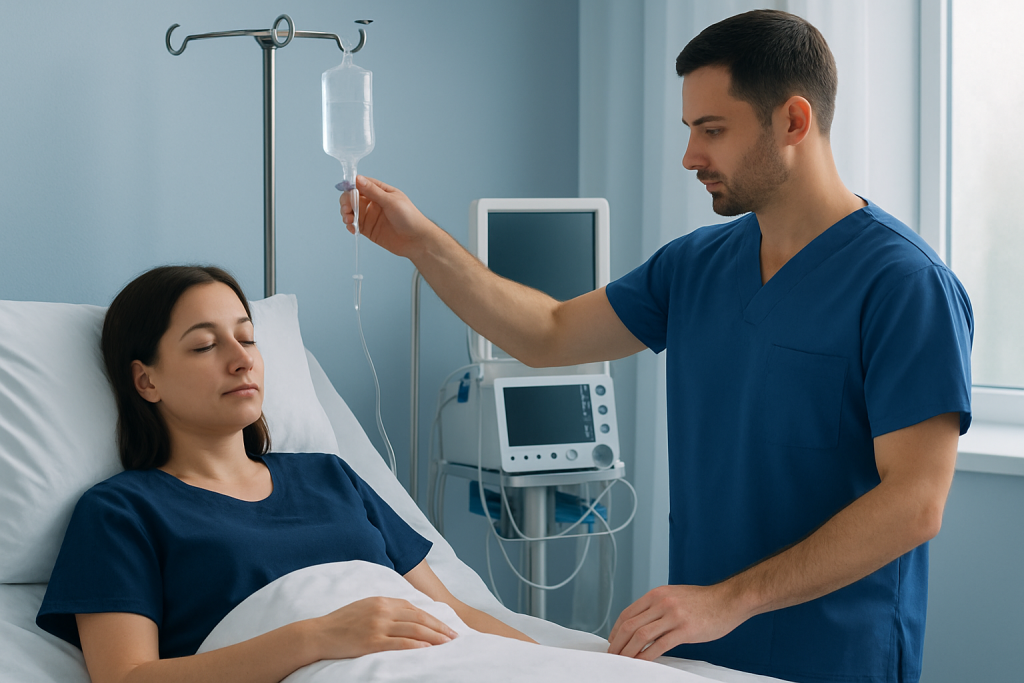
The earliest part of recovery is usually the most sensitive. Fatigue, medication effects, and the stress of travel can make it easy to overdo things without realising it. Try to keep your first two days quiet, with short walks, regular fluids, and plenty of rest between tasks.
Do not treat discharge day like a sightseeing day. Arrange transport that does not require heavy luggage, long walks, or rushing through terminals. If you are staying in a hotel before flying home, ask for a room that makes it easy for you to rest, store medications safely, and access help if you need it.
Use this time to check the practical details that keep the rest of recovery on track: where your medicines are, how often you need them, whether you have any dressings to change, and when your next follow-up is due. If Acibadem Health Point has given you a discharge summary in English or arranged interpreter support, keep those documents within easy reach at all times.
Activity limits: the small choices that protect a big recovery

One of the most common mistakes after treatment is assuming that feeling a little better means the restrictions can be relaxed. In reality, healing often runs ahead of symptoms; you may feel capable before your body is ready. That is why you should follow the written limits rather than guess based on how you feel in the moment.
If you were told not to lift, bend, twist, push, or carry anything above a certain weight, take that seriously. This includes luggage, shopping bags, children, and even some household tasks. Ask someone else to handle the practical lifting if you can, especially during the first part of recovery.
Short, gentle movement is often encouraged, but “gentle” matters. A slow walk to keep circulation moving is different from stairs, errands, or cleaning. If you are unsure whether a movement counts as safe activity, check with your care team rather than making a guess that could set you back.
Travel home: plan around your body, not the timetable alone
International travel after a procedure needs a little more planning than a normal return trip. Long flights, cramped seating, dehydration, and missed medication times can all make recovery harder. Before you book or confirm travel, make sure you know whether your procedure requires a delay before flying and whether you need any special clearance.
For the journey itself, keep essentials close: medications, discharge paperwork, a phone charger, water, and any supportive items your team recommended. Dress in loose, comfortable layers and avoid shoes or clothing that are difficult to manage if you are tired, swollen, or sore. If you can, request assistance at the airport so you do not have to carry bags or walk long distances unnecessarily.
Acibadem Health Point’s international patient services can help you think through the logistics before departure, including timing, interpreter support, and coordination with accommodation when needed. That kind of planning can reduce stress, especially if you are returning to a different country where your local follow-up will happen elsewhere.
Wound care, medicines, and everyday hygiene
Once you are home, the most important thing is to follow the instructions you were given exactly as written. That may include keeping a dressing dry, changing bandages at a certain time, or watching for drainage and swelling. If the instructions are unclear, ask for a translated copy or a step-by-step explanation before you leave the hospital.
Take medicines on schedule, especially pain relief or antibiotics if they were prescribed. It is easier to stay ahead of discomfort than to chase it once it builds up. If you are using multiple medications, separate them clearly so you do not mix up doses when you are tired or jet-lagged.
Daily hygiene also matters. Some people can shower quickly after a certain point, while others need to avoid soaking or wetting the area for longer. Do not assume that a normal routine is automatically safe; use the guidance you were given for bathing, dressing changes, and skin care.
Warning signs: when a restriction becomes a reason to call
Recovery is rarely completely smooth, but some changes deserve prompt attention. You should contact your care team if your pain becomes noticeably worse instead of gradually improving, if bleeding increases, if you develop fever, or if a wound starts to look more red, hot, or swollen.
Breathing trouble, chest pain, fainting, sudden leg swelling, confusion, or severe weakness should never be ignored. These are not problems to “wait and see” about, especially when you are recovering after travel. If symptoms feel urgent, seek emergency help in your location right away.
Keep your discharge paperwork available because it tells local clinicians what procedure you had, what medicines you are taking, and who to contact for clarification. If you received care through Acibadem Health Point, your international coordination team can help you understand the best next step and how to pass on the right information to your local doctor.
How to stay on track once you are back in your own country
Good recovery after treatment often depends on ordinary routines: sleeping enough, eating regularly, staying hydrated, and avoiding unplanned effort. Build your day around the restrictions rather than trying to fit the restrictions around your day. If needed, ask a friend or family member to help with errands, meals, or transport during the first phase.
It can also help to write down a simple daily check-in: pain level, temperature if advised, medication taken, wound appearance, and any new symptoms. This makes it easier to spot changes early and gives you useful notes for follow-up appointments. If something is improving slowly but steadily, that is often reassuring; if it is moving the wrong way, you will have a clearer timeline to share.
For many international patients, remote follow-up is the bridge between treatment abroad and care at home. Acibadem Health Point can support that transition with discharge documentation, interpreter help, and guidance on what your local physician should monitor. The goal is not to make you manage everything alone, but to give you enough structure to recover safely wherever you are.
Step by step
- Read your discharge instructions before you travel. Do not pack them away and assume you will remember everything later. Go through the instructions line by line so you know what is restricted, for how long, and what symptoms matter most.
- Set up your home base before you arrive. Prepare your room, medications, water, phone charger, and any supportive supplies in advance. If you will be staying somewhere temporary, make sure it is easy to rest there without stairs, heavy lifting, or unnecessary walking.
- Keep medicines and documents with you. Carry your medications in hand luggage or a day bag rather than checked baggage. Keep your discharge summary, imaging reports, and contact details accessible in case you need medical help on the way or after arrival.
- Move gently, but do not improvise activity. Use short walks and basic movement if you were advised to stay active, but avoid lifting or exercise beyond the instructions. If a task feels borderline, treat that as a sign to pause and check first.
- Watch for changes instead of assuming they are normal. Track pain, swelling, temperature, and any wound changes. Recovery patterns vary, but a clear worsening trend is a reason to contact your care team rather than wait it out.
- Plan your follow-up before the momentum fades. Book or confirm your next appointment, whether it is in person or remote. If Acibadem Health Point arranged your discharge and follow-up plan, keep those dates in your calendar before you leave the country.
Your checklist
- Written discharge instructions packed in your hand luggage
- Medication list with dose times and refill plan
- Interpreter or translated summary if needed
- Comfortable clothing and shoes for travel
- Contact details for your care team and emergency services
- Plan for transport that avoids lifting or long walks
- A place to rest that supports your restrictions
- Follow-up appointment date confirmed
- Basic supplies for wound care if prescribed
- Emergency warning signs reviewed with a companion
Key takeaways
- Restrictions are there to protect healing, not to complicate your life.
- The first 48 hours after discharge deserve the most planning and the least activity.
- Travel after treatment should follow your medical timing, not just your flight booking.
- If symptoms worsen instead of gradually improving, contact a clinician promptly.
- Acibadem Health Point can help you bridge the gap between treatment in Turkey and recovery at home.
Frequently asked questions
How strict do I need to be about post-procedure restrictions once I feel better?
Very strict, unless your care team tells you otherwise. Feeling better often happens before tissues are fully healed, so it is easy to return to normal activity too early. Follow the written limits first, and only increase activity when you have been cleared to do so.
Can I fly home right after treatment?
Sometimes yes, sometimes no—it depends on the procedure and how stable you are at discharge. You should always confirm the timing with your care team before booking travel. If you are unsure, ask for a clear travel window in writing.
What if I do not understand my discharge instructions in English?
Ask for clarification before you leave, and request an interpreter or translated summary if needed. It is much easier to prevent confusion than to sort it out later in another country. Acibadem Health Point can help make sure the plan is understandable and practical for you.
How do I know if my pain is normal or a warning sign?
Some discomfort is expected after many procedures, but it should generally improve over time. If pain gets stronger, spreads, or comes with fever, bleeding, swelling, or shortness of breath, you should contact a clinician promptly. Trust the pattern, not just the level.
Should I arrange a local doctor before I travel back?
If your recovery will continue for several weeks, it is a good idea to know who can see you at home if needed. Your local doctor can help with checks, medication questions, or urgent concerns that arise after you return. Keep your discharge paperwork ready so they can understand your treatment quickly.
What should I do if I miss a dose of medication while travelling?
Check the instructions you were given, because the safest next step depends on the medicine. If you are not sure what to do, contact your care team or a pharmacist rather than guessing. Try to keep a simple medication schedule on your phone to reduce the chance of missed doses.
More Patient Guides

Nachsorge-Lücken vor der Wahl einer Behandlung im Ausland prüfen
Prüfen Sie vor Ihrer Reise die Nachsorgelücken: Kontrolltermine, Unterlagen, Medikamente, Rehabilitation und wer Sie nach der Rückkehr zu Hause unterstützt.

Remote Follow-Up After Treatment in Turkey
Learn how remote follow-up after treatment in Turkey works, what to prepare before you fly home, and how to stay connected with…
8 min read
When to Schedule Your First Follow-Up at Home
Learn when to book your first follow-up after treatment abroad, what to track, and how to stay coordinated with your home doctor.
8 min read


