

How to Read a Turkey Treatment Quote Before You Book

Medically reviewed by the Acıbadem clinical team — June 13, 2026
A treatment quote should help you plan, not confuse you. This guide shows you how to read a Turkey treatment quote line by line so you can understand what is included, what may change, and what to confirm before you travel.
At a glance
- Best for: International patients comparing treatment plans and travel costs
- What to check first: Included services, exclusions, and follow-up terms
- Common surprise: Separate charges for tests, implants, medicines, or extra nights
- Helpful support: International patient coordinators and interpreters
- Where it fits: Before you book flights, hotels, or deposits
Start with the shape of the quote, not just the number
The biggest mistake people make is reading a treatment quote in one line: the total. That number matters, but it does not tell you whether the estimate is complete, what the hospital is assuming, or which parts of your journey are still outside the price.
When you receive a quote for care in Turkey, look for the structure. A clear quote should separate the medical treatment itself from supporting services such as consultations, diagnostic tests, anesthesia, hospital stay, and post-treatment checks. If you see only a single figure with no explanation, ask for a breakdown before you compare it with other hospitals.
At Acibadem Health Point, international patient teams are used to helping people review written estimates from abroad. That matters because you may be planning from another time zone, in another currency, and without easy access to the clinic for quick clarifications. A readable quote should make the next step easier, not create more questions.
What should be included, and what is often listed separately
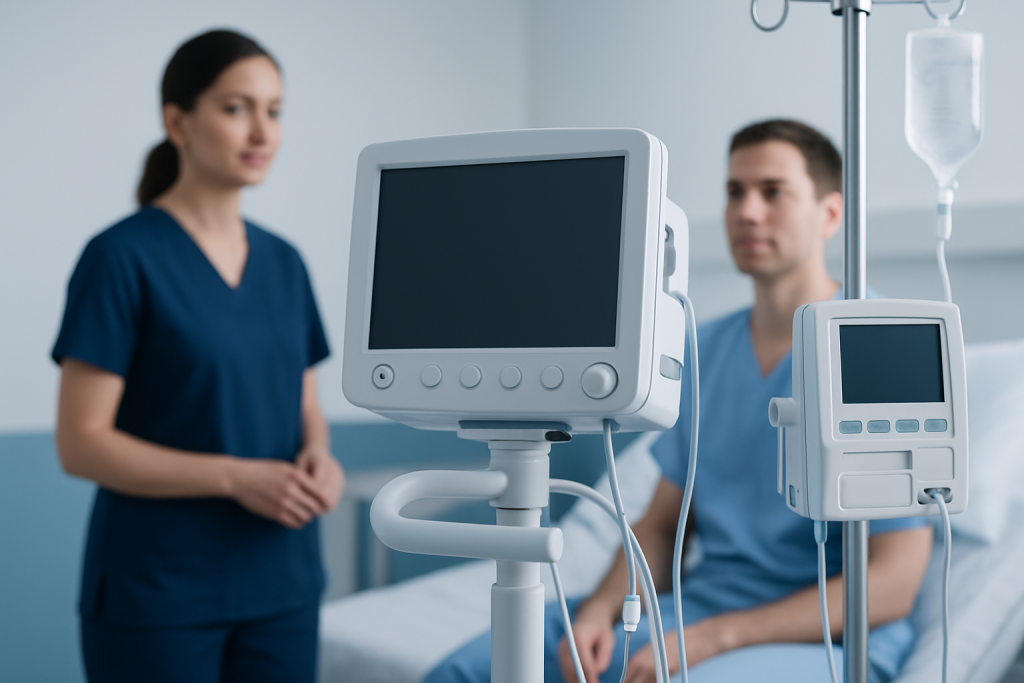
Quotes vary by hospital and by treatment type, but the same categories come up again and again. Your estimate may include the specialist consultation, procedure or surgery, standard operating room use, inpatient room, nursing care, routine hospital meals, and standard follow-up while you are admitted. Some hospitals also bundle airport transfers, interpreter support, or a set number of nights in a partner hotel for international patients.
What is often separate? Pre-treatment scans, pathology, laboratory work, special implants or materials, blood products, extra medication, extended stay, intensive care if needed, and any revision or complication-related care. If the treatment involves a device, implant, or custom component, ask whether the quoted item is the base option or a specific brand/model.
It is also worth checking whether the quote includes only the medical service at the hospital or the full patient journey. For example, a low price may leave out follow-up appointments, travel coordination, or the paperwork you need for insurance reimbursement. A detailed quote from a team like Acibadem Health Point should help you see where the hospital responsibility ends and where your own travel costs begin.
Read the wording around exclusions very carefully

Exclusions are where most misunderstanding happens. You may see phrases such as “subject to change after evaluation,” “based on standard case,” or “does not include additional findings.” These are normal, but they need to be explained in plain language before you commit.
Ask what would make the price change. For example, will the estimate change if your imaging shows a more complex case, if the surgeon recommends a different technique, or if you need extra nights in hospital? A quote is only useful if you know the conditions under which it can increase.
Be careful with words like “package” and “all-inclusive.” In healthcare, those terms can still leave out important items. You want specifics, not marketing language: how many nights, which tests, what type of room, which medications, and whether follow-up care after discharge is included for a set period.
Check the assumptions behind the treatment plan
A treatment quote is built on assumptions about your health, diagnosis, and preferred timing. If you are sending records from another country, the estimate is usually based on the information you provided, not a full physical exam. That means the final plan may change once the specialist reviews your scans, reports, or in-person assessment.
Make sure the quote reflects your actual situation. If you have allergies, past operations, blood thinners, chronic conditions, mobility issues, or a history of infection risk, these details may affect what the team recommends. Leaving out important information can make a quote look cheaper than it really is.
If the hospital offers a preliminary estimate first and a final quote after evaluation, that is often a good sign of a careful process. It shows the team is not rushing to a number before understanding your case. Acibadem Health Point’s international patient services can help gather and organize your reports so the clinical team can build a more accurate plan.
Compare quotes by content, not by headline price
Two quotes can look very different and still not be directly comparable. One may seem higher because it includes more of the journey: diagnostics, airport transfer, room category, interpreter assistance, and planned follow-up. Another may look lower because it excludes items that you will almost certainly need later.
Instead of asking, “Which is cheapest?” ask, “Which quote covers the same things for my case?” Create a simple comparison list and check whether each provider includes the same consultation type, hospital stay, anesthesia, implants, medication, and aftercare. If a detail is missing, write it down as a question rather than assuming it is included.
This is especially important when you are traveling for care. A quote that ignores one extra night, a repeat scan, or a medication adjustment can alter your budget and your return flight plan. Acibadem Health Point often works with international patients who need that fuller picture before booking flights and accommodation.
Questions you should ask before you pay a deposit
Before you send money, ask for a written answer to the points that affect your budget and your safety. You do not need a long conversation; you need clear confirmations you can save and review later.
- What exactly is included in the quote?
- What could increase the final cost?
- Are tests, implants, anesthesia, and medication included?
- How many hospital nights are covered?
- Is interpreter support included during the stay?
- What follow-up is available after discharge?
- What is the refund or rescheduling policy if your travel plans change?
If the answers are vague, ask again. A professional international patient team should be able to explain the estimate in plain English and match it to your records. That kind of clarity is one reason people look for JCI-accredited hospitals and organized patient support rather than relying on a single message thread.
Use the quote to plan your trip, not just your treatment
Once you understand the estimate, you can plan the rest of the trip more realistically. You will know whether you need to book one or two extra nights, whether a companion should stay with you, and whether you should keep a buffer in your budget for unexpected changes. You will also be less likely to rush travel arrangements before the medical plan is stable.
For international patients, the quote is often the first document that turns a distant idea into an actual itinerary. It should help you coordinate flights, visas if needed, local transport, and recovery time before your return home. Acibadem Health Point’s team can be useful here because they can support logistics as well as communication, including interpreters and help with travel or accommodation planning.
Keep every version of the estimate in one place. If your care plan changes after review, save the updated quote and note why it changed. That paper trail is useful for your own peace of mind, for insurance discussions, and for any follow-up you may need once you are back home.
Step by step
- Collect your records before asking for a quote. Send the most relevant documents you have: recent scans, lab results, discharge summaries, medication list, and any prior surgery notes. The more complete your record set, the more realistic the initial estimate is likely to be.
- Ask for a line-by-line breakdown. Do not rely on a single total. Request a written breakdown showing consultations, tests, hospital stay, anesthesia, supplies, and any additional services so you can see what is and is not covered.
- Identify possible extras. Ask specifically about items that often sit outside the headline price, such as implants, medicines, repeat imaging, extended stay, or extra specialist visits. This helps you avoid surprises after you arrive.
- Confirm the assumptions in writing. If the quote is based on standard findings, make sure you know what changes the price. Written clarification is especially important if you are arranging flights or taking leave from work.
- Check support services for international patients. Find out whether interpreter support, airport transfers, hotel help, or discharge coordination are available. These services can make the trip easier to manage, especially if you are traveling alone.
- Save every version of the estimate. Keep the original quote, any revised version, and the messages that explain the changes. That record helps you compare plans, speak to insurers, and follow your treatment trail after you return home.
Your checklist
- Read the quote for inclusions, not just the total
- Check whether tests, implants, and medications are covered
- Look for hospital nights and follow-up terms
- Ask what could change the price after evaluation
- Confirm whether airport or hotel support is included
- Get exclusions and refund rules in writing
- Save all emails, PDFs, and revised estimates
- Compare quotes using the same list of services
- Make sure your medical records were reviewed
- Leave room in your budget for travel and recovery time
Key takeaways
- Compare what is included, not only the headline price.
- Ask which items are standard and which are likely to be extra.
- Make sure the estimate matches your real medical history and records.
- Save written clarifications before you book flights or pay a deposit.
- Use international patient support to organize communication and logistics.
Frequently asked questions
Why does a Turkey treatment quote sometimes change after I send my records?
A quote is often based on the information available at the time, so a more detailed review can change the plan. New findings may affect the recommended technique, length of stay, or additional tests needed. A revised quote is not necessarily a bad sign; it can mean the estimate is becoming more accurate.
Is a lower quote always better?
Not necessarily. A lower quote may leave out important items such as tests, medicines, implants, or extra nights in hospital. It is safer to compare quotes by what they include and how clearly they explain possible extra charges.
Should interpreter support be part of the quote?
It depends on the provider, but it should be clearly stated either way. If you will need language support at consultations, during consent, or at discharge, confirm whether it is included or can be arranged by the international patient team.
What does 'subject to medical evaluation' mean in a quote?
It means the estimate is preliminary and may change after the specialist reviews your records or examines you in person. This is common when care is planned from abroad. Ask what parts are fixed and what parts may be adjusted later.
How can I tell if the hospital is being transparent?
Transparency usually shows up in specifics: clear itemization, plain-language explanations, written exclusions, and responsive answers to your questions. If the team is willing to explain how the estimate was built, that is a good sign.
Do I need to ask about aftercare if I am only staying in Turkey briefly?
Yes, because aftercare affects both your recovery and your return home. You should know what instructions, prescriptions, or follow-up contact you will receive before you leave. This is especially important when you will continue recovery in another country.
More Patient Guides

Deposit and Prepayment Guide for Treatment in Turkey
Learn how deposits and prepayments work for treatment in Turkey, what they cover, when to pay, and how to prepare safely and…
8 min read
Your Discharge Checklist After Treatment in Turkey
Use this discharge checklist to leave Turkey safely, with the right documents, medicines, follow-up plan, and travel advice.
8 min read
Travel Insurance for Treatment in Turkey
Plan treatment in Turkey with confidence: learn how travel insurance works, what to check, and how to prepare for medical travel.
8 min read
