

What to Bring Home After Treatment

Medically reviewed by the Acıbadem clinical team — June 13, 2026
Heading home after treatment is easier when you leave with the right documents, medications, and follow-up plan in hand. This guide helps you prepare for the journey, stay organized, and know what to ask before you leave Acibadem Health Point.
At a glance
- Best for: International patients preparing to leave Türkiye after treatment
- Main goal: Make your recovery and follow-up easier once you are back home
- What to pack: Documents, medications, supplies, and contact details
- Support available: Interpretation, discharge coordination, and travel planning help
- Why it matters: Good handover reduces confusion, missed doses, and follow-up gaps
Start with the things you may need on the plane or in the car
Your first job is not to pack everything you own—it is to pack for the journey home safely and comfortably. If you are still sore, tired, or on new medication, you may want easy-access items in your carry-on rather than buried in checked luggage.
Keep the essentials within reach: your passport, discharge papers, medication list, pain relief plan, and any items you may need during travel such as glasses, a phone charger, or a neck pillow. If you have mobility limits, ask Acibadem Health Point’s international patient team to help you think through airport transfers, wheelchair support, and the time you should allow between discharge and your departure.
It also helps to pack a small “first 24 hours at home” bag. That can save you from opening every suitcase after a long flight and gives you a calm start when you arrive.
Bring home a clear medical handover, not just paperwork

The most valuable thing you can take home is a clean, easy-to-follow summary of what happened during your stay and what comes next. This should include your diagnosis or procedure name, a list of medications, wound or device care instructions, activity limits, warning signs, and the date or type of follow-up you need.
Ask for copies in a language you can understand and, if needed, a translated version for your local doctor. At Acibadem Health Point, international patient services can help coordinate discharge documents and interpretation so the instructions you leave with are practical, not confusing.
If you have a family doctor or specialist back home, ask that person what format they prefer before you travel. Some providers want printed summaries, others prefer digital files, and many appreciate both.
Medications: make sure you know what each one is for

Medication confusion is common after treatment, especially when labels are in a different language or when several prescriptions look similar. Before you leave, ask for the generic name, dose, timing, and purpose of every medication you are expected to continue at home.
It is wise to keep medications in their original packaging and, if possible, carry a written list that explains which are daily, which are only if needed, and which should be stopped after a certain date. If your treatment includes injections, creams, or special equipment, ask for a demonstration or written instructions before you depart.
Also check whether any medicines you received abroad may need a local equivalent once you return home. That helps you avoid gaps if the exact brand is not available in your country.
Think beyond medicine: practical items that make recovery easier
Recovery is often smoother when your home environment is already set up. Depending on your treatment, you may need a thermometer, dressings, compression garments, a pillow to support a certain position, loose clothing, or a shower cover to keep a wound dry.
If movement is limited, arrange the basics before you land: a nearby place to rest, help with stairs, meals that do not require much preparation, and someone who knows how to assist without overdoing it. Small comforts matter too—lip balm, a water bottle, noise-cancelling headphones, and a notebook for questions can make the first days easier.
For longer recovery periods, you may want to prepare your home in zones: one place for medication, one for documents, and one for supplies. That simple setup can reduce stress when you are tired or jet-lagged.
Plan how follow-up will work once you are home
Leaving Türkiye does not mean your care is finished; it means the next part shifts to coordination. Before you depart, confirm how you will send updates, where you will ask questions, and what symptoms should prompt urgent medical attention.
Acibadem Health Point can help you leave with a realistic follow-up pathway, especially if you are returning to a different healthcare system. If you need to see a local clinician after arrival, ask for a concise summary that explains what treatment you received, what has been done so far, and what should happen next.
It is also useful to schedule your first check-in before you travel, not after you arrive. A calendar reminder, a contact email, and copies of your records all make it easier to stay on track.
Pack for comfort, privacy, and airport realities
Airports can be tiring even when you feel well, so recoverable travel is part of the plan. Dress in loose layers, carry any prescribed support items you are allowed to use, and keep your most important papers in one secure folder or travel wallet.
If you had a procedure that affects sitting, walking, lifting, or hydration, ask whether you need special travel instructions. Some patients benefit from extra aisle space, help with baggage, or a direct transfer rather than multiple changes.
When in doubt, choose simplicity over convenience. One light bag with the right documents is better than several bags you cannot comfortably manage.
What not to forget before you leave the hospital or clinic
A thorough discharge is not only about what you take—it is also about what you clarify before you go. Make sure you know who to contact if your symptoms change, what is normal during recovery, and which signs mean you should seek immediate care.
Ask for all test results, imaging reports, pathology reports if relevant, and any device or implant information you may need later. If you had follow-up appointments in Türkiye that you cannot complete in person, ask whether remote review or record sharing is possible.
Finally, confirm practical details such as discharge timing, transport from the facility, and whether you should avoid driving, lifting, flying, or long walks for a specific period. Those small logistics can affect the whole trip home.
Step by step
- Ask for your discharge pack before the last day. Request your documents, medication list, and aftercare instructions while you still have time to review them. That gives the team a chance to explain anything unclear and make changes if something is missing.
- Separate travel essentials from checked luggage. Keep medicines, identification, records, and any device instructions in your hand luggage. If your checked bag is delayed, you will still have the items that matter most for the first day or two.
- Confirm what needs to be continued at home. Go through each medication, dressing, or exercise plan item by item. Ask what should continue, what should stop, and what needs a local replacement if supplies run out.
- Collect copies for your local doctor. Ask for a discharge summary and any test reports in a format that can be shared easily. A short, clear handover often helps your home clinician support you faster and more confidently.
- Set up your first follow-up contact. Before you travel, note the email address, phone number, or patient portal you will use for questions. If a review date is needed, place it in your calendar before you leave the hospital.
- Prepare your home for the first week. Arrange help, food, resting space, and any recovery supplies before you return. A calm home setup reduces the chance of overexertion when you are still adjusting after travel.
- Watch for warning signs after arrival. Know which symptoms are expected and which are not. If you are unsure, contact your care team or local emergency services without delay rather than waiting for the problem to pass.
Your checklist
- Passport, travel documents, and copies of discharge paperwork
- Medication list with doses, timing, and purpose
- Original medication boxes or labeled prescriptions
- Written aftercare instructions and warning signs
- Test results, imaging reports, and procedure summary
- Contact details for Acibadem Health Point and your local doctor
- Any required medical devices, dressings, or support garments
- Phone charger, glasses, and other daily essentials
- Comfort items for travel such as loose clothing and a water bottle
- A first-week-at-home plan with help arranged if needed
Key takeaways
- Take home clear instructions, not just a folder of papers.
- Keep medicines and essential records in your carry-on.
- Ask for a follow-up plan that works in your own country.
- Prepare your home before you arrive if recovery will take time.
- Use translated summaries if your local clinician may need them.
- Call for help sooner rather than waiting if symptoms change.
Frequently asked questions
What are the most important things to bring home after treatment?
Your discharge summary, medication list, and any test results are usually the most important items. Add the medicines themselves, original packaging, and any written instructions about wound care, activity limits, or follow-up. If you are unsure, ask the team to review your package before you leave.
Should I keep my medication in my carry-on bag?
Yes, it is usually safer to keep essential medication with you. That way you can continue your treatment if checked luggage is delayed or lost. Keep prescriptions or a medication list with the medicines in case airport security asks questions.
Do I need a copy of my medical records in English?
If you are returning to a country where English is commonly used in healthcare, an English summary is often helpful. If not, ask for the language your local doctor will understand best, or keep both versions if possible. Acibadem Health Point’s patient services can help you organize this before departure.
What if I do not understand my aftercare instructions?
Do not leave with questions unanswered. Ask for a slower explanation, a written summary, or interpretation support so you can repeat the instructions back in your own words. A clear handover is especially important when you are recovering far from the treating team.
How can I prepare my home before I return?
Set up a resting space, gather supplies you may need, and arrange help with meals, transport, or childcare if recovery will limit your energy. Keep medication and paperwork in one easy-to-find place. The less you have to improvise in the first few days, the smoother recovery tends to feel.
What should I do if I have symptoms after I get home?
Follow the warning signs and contact instructions in your discharge paperwork. If symptoms are severe or you are told to seek urgent care, contact emergency services or go to the nearest hospital. It is always better to act early than to wait and wonder.
Can Acibadem Health Point help after I have already left Türkiye?
Yes, international patient services can often help with record sharing, follow-up questions, and coordination with your local doctor. The exact support depends on your situation and the information needed. Keep your contact details and discharge papers accessible so you can reach the right team quickly.
More Patient Guides

Nachsorge, die Sie zu Hause selbst durchführen können: Welche Behandlungen erfordern eine persönliche Nachkontrolle?
Erfahren Sie, welche Nachsorge zu Hause möglich ist, welche persönlich kontrolliert werden muss und wie Sie auch nach der Reise mit Ihrem…

Nachsorge-Lücken vor der Wahl einer Behandlung im Ausland prüfen
Prüfen Sie vor Ihrer Reise die Nachsorgelücken: Kontrolltermine, Unterlagen, Medikamente, Rehabilitation und wer Sie nach der Rückkehr zu Hause unterstützt.
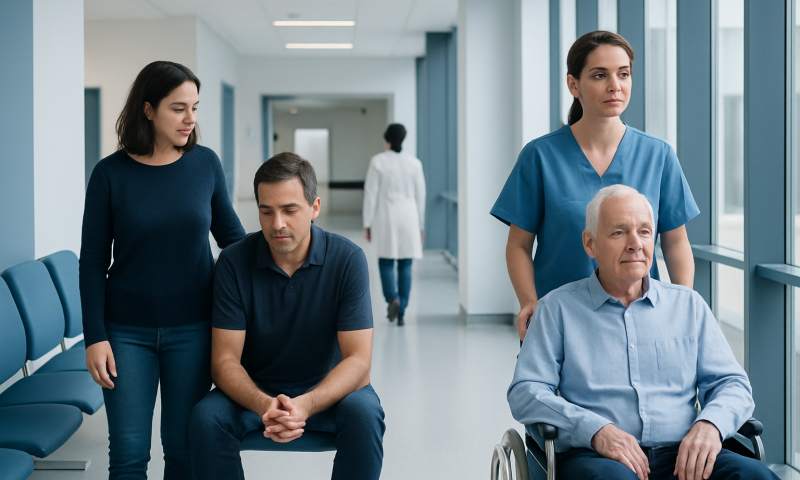
Aktivitätsgrenzen nach der Behandlung: Was Patienten vermeiden sollten
Erfahren Sie, welche Aktivitäten Sie nach der Behandlung vermeiden sollten, wann Sie sich ausruhen sollten und wie Sie mit klaren, praktischen Nachsorgehinweisen…
Related Specialists

Dr. Safiye Sayilir
Physical Medicine & Rehabilitation
Dr. Özgün Barış Çolak
Physical Medicine & Rehabilitation
Prof. Dr. Meltem Vural
Physical Medicine & Rehabilitation
Prof. Dr. Meral Bayramoğlu
Physical Medicine & Rehabilitation