

How to Compare Recovery Plans from Different Clinics Before You Book

Medically reviewed by the Acıbadem clinical team — June 13, 2026
When you are choosing care abroad, the recovery plan matters as much as the treatment itself. This guide shows you how to compare clinic aftercare in a way that is practical, calm, and useful from your first enquiry to your return home.
At a glance
- Best for: International patients comparing clinics before booking
- What to compare: Follow-up schedule, activity limits, medication guidance, and remote support
- Look for: Clear written instructions and a named point of contact
- Avoid: Vague promises, missing emergency guidance, and no plan for home-country care
- Useful question: What exactly happens after I leave the clinic?
Start with the part many clinics keep too brief
It is easy to focus on the treatment day and treat recovery as a footnote. In reality, the recovery plan is where your day-to-day experience begins: how you move, rest, wash, eat, travel, and know when to ask for help. If you are comparing clinics from another country, this is the document that tells you whether the team has planned beyond discharge.
Look for a plan that feels specific to your situation, not a generic handout with your procedure name swapped in. A good clinic should explain what your first 24 hours, first week, and first follow-up look like, in language you can understand without guessing. At Acibadem Health Point, international patient coordination is designed around this same principle: you should know what happens next, who to contact, and how your care continues once you are no longer in the building.
The strongest plans do more than say “rest” or “avoid strain.” They spell out the practical parts that matter when you are travelling home, possibly alone, and trying to recover in a different time zone. That is the level of detail worth comparing.
What a solid recovery plan should actually contain
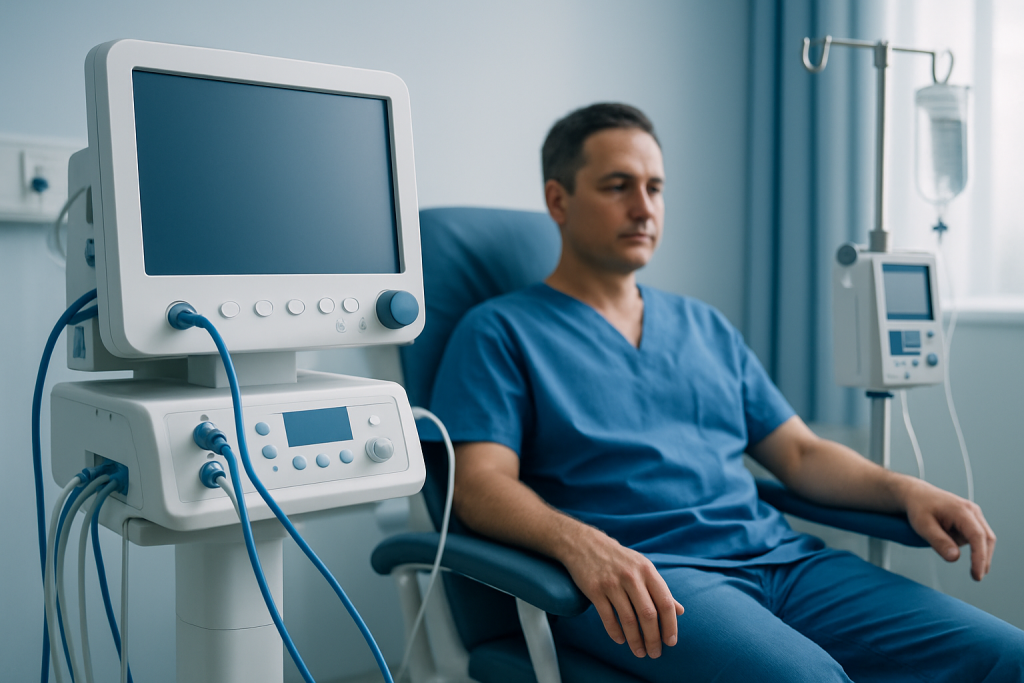
When you review two or three clinic proposals, place them side by side and look for the same core information in each one. If one plan is much more detailed, that is usually a good sign. If one is missing basic aftercare instructions, that is a warning to pause and ask for clarification before you book.
At minimum, the plan should tell you:
- How long you are expected to stay locally before flying or travelling onward
- What activities you should avoid, and for how long
- What symptoms are expected versus which ones need urgent medical review
- How medications, dressings, or other home-care steps should be managed
- When and how you will have follow-up contact after discharge
You should also check whether the plan is realistic for your travel itinerary. If you have a long-haul flight, a connecting journey, or limited help at home, the instructions should reflect that. A clinic that works regularly with international patients should be able to tailor recovery advice to travel and home logistics, not just to the treatment itself.
Acibadem Health Point’s multilingual support can be helpful here because you can ask for the instructions in a form that is easier to use after you leave. A well-structured recovery plan is not only medically sensible; it is something you can actually follow.
The questions that reveal how prepared a clinic is

A clinic may present itself confidently, but the quality of its recovery support shows up in the answers to ordinary questions. Ask how the team handles pain control, wound care, swelling, mobility, diet, sleep, and activity changes after you leave. The clearer the reply, the easier it is for you to judge whether the clinic has thought through real-life recovery.
It also helps to ask what happens if you need advice after hours or once you are back home. Does the clinic offer remote follow-up? Will you speak to a nurse, coordinator, or the treating team? Is there a step-by-step route for reaching the right person if something does not feel right?
You can use questions like these:
- Who will review my recovery plan with me before discharge?
- Will I receive written instructions in English?
- What symptoms should prompt me to seek urgent help?
- How soon after I return home will follow-up happen?
- What should I do if I cannot reach the clinic?
These answers matter because they show whether the clinic is equipped for international aftercare or simply offering treatment and sending you on your way. A multidisciplinary team, like the one you would expect in a JCI-accredited environment such as Acibadem Health Point, can be especially useful when recovery needs input from several specialties.
How to judge whether the plan fits your life, not just the clinic's workflow
The best recovery advice is practical enough to use in a hotel room, airport lounge, or home sofa. Read each plan as if you were already on the way back: can you follow it with the supplies, support, and time you actually have? If the clinic says you need daily monitoring, but you are flying to a place where follow-up is difficult, you need a more workable arrangement before you commit.
Also think about who is travelling with you. Some people recover comfortably with a companion nearby; others will need extra help with transport, lifting luggage, or understanding instructions. If you expect to travel without support, ask whether the clinic can arrange interpreter services, discharge coordination, or accommodation advice that makes the recovery period less stressful.
Compare the plans for clarity around everyday life. Does the clinic explain bathing, sleeping position, return to work, driving, exercise, and routine chores? Does it tell you what to do on days when you feel better and want to do more than you should? The more specific the plan, the less likely you are to make a mistake while adjusting to life after treatment.
Red flags that should make you ask again before booking
Some recovery plans look polished but are too vague to protect you once you have left the clinic. Be cautious if the aftercare section is a single paragraph, if no follow-up timeline is given, or if the instructions seem copied from a general brochure. A credible clinic should be able to tell you exactly what support is included and what you will need to arrange yourself.
Other warning signs include unrealistic certainty, unclear emergency instructions, and no explanation of how complications are handled. You do not need a clinic to frighten you with worst-case scenarios, but you do need honesty about what happens if your recovery is slower than expected.
If a provider cannot explain the handover to your home-country doctor or local care team, that is another important gap. When you are comparing international clinics, continuity matters as much as convenience. Good aftercare should feel like a bridge, not a goodbye.
Using a written comparison sheet to make the choice easier
It can help to create a simple comparison table with the same headings for every clinic. Once you do that, the differences often become obvious. One clinic may look impressive on treatment details but weak on recovery support, while another may offer steadier follow-up and better travel coordination.
Use a scale that is useful to you, such as clear, partial, or missing. Score the things that affect your real recovery: follow-up timing, language support, emergency access, medication instructions, and post-discharge contact. If you are organising care through Acibadem Health Point, you can ask the international patient team to help you clarify any part of the plan that feels uncertain before you travel.
A simple comparison sheet also gives you a clean way to involve family or a trusted companion in the decision. Instead of relying on memory or long email threads, you can see which clinic gives you the most complete and practical route from treatment to recovery at home.
What to expect from a clinic that works with international patients regularly
Clinics that support patients from abroad should be comfortable planning for the moments after discharge, not just the appointment itself. That usually means they can coordinate interpreters, provide written guidance, and explain what to do if you are continuing recovery in another city or country. They should also understand that jet lag, mobility limits, luggage, and unfamiliar surroundings can affect how well you recover.
At Acibadem Health Point, the international patient experience is built around these practical handovers. That may include help with scheduling follow-up, arranging travel or accommodation support, and making sure your instructions are easy to use once you are home. The aim is to reduce avoidable friction so you can focus on healing rather than decoding the next step.
When a clinic is prepared for international follow-up, the difference is usually visible in the details: who you call, how quickly you hear back, and whether the plan still makes sense after your flight. Those are the details worth choosing on.
How to read follow-up support after you return home
Recovery does not end when you leave the airport. Before you book, check whether the clinic explains how follow-up will work across time zones and distance. You should know whether your next review is in person, by video call, by email, or through a local doctor who receives guidance from the clinic.
It is also wise to ask what documents you will receive for home care. Ideally, you should leave with discharge notes, medication instructions, red-flag symptoms, and the contact pathway for non-urgent questions. If you need to show the plan to a local physician later, it should be clear enough that another professional can understand it quickly.
The best follow-up plans are not complicated, just thorough. They help you move from a controlled hospital setting into ordinary life with enough structure to stay safe and confident.
Step by step
- List every clinic's aftercare promises. Gather the recovery details from each clinic in one place before you compare anything else. Include follow-up timing, support channels, travel advice, and what is provided in writing. If the information is only in calls or voice notes, ask for it to be sent clearly by email.
- Check whether the instructions match your travel plan. Measure the recovery timeline against your flight, hotel stay, and home arrangements. If the clinic expects a longer local stay than you can manage, ask whether the schedule can be adapted safely. A good plan works with your itinerary, not against it.
- Ask who handles your care after discharge. Find out whether you will speak to a nurse, coordinator, or the treating team if you have questions later. You should know the exact contact route and response expectations before you book. This is especially important if you are travelling alone or recovering in a different time zone.
- Look for signs of true continuity. A strong clinic should explain how information moves from the treatment team to your discharge paperwork and then to your follow-up contact. If you need local support at home, ask whether the clinic can help you prepare a handover for your doctor. Continuity is what turns a plan into actual care.
- Compare clarity, not just confidence. A clinic can sound reassuring while still being vague. Judge the plan by how easy it is to follow on an ordinary day, not by how polished the brochure looks. Clear instructions are usually more reliable than broad promises.
- Confirm language and logistics support. If English is not the clinic's strongest language for the whole team, ask how interpretation is arranged for discharge and aftercare. Also ask about practical support such as accommodation guidance, transport advice, and help with appointment timing. These details can make recovery much smoother once you leave.
Your checklist
- Written recovery plan with timelines
- Clear activity restrictions and warning signs
- Medication and wound-care instructions
- Named contact for post-discharge questions
- Follow-up plan across time zones
- Emergency guidance for urgent symptoms
- Travel timing advice before flying
- Interpreter support if needed
- Discharge documents for your home doctor
Key takeaways
- A recovery plan should be specific, written, and easy to use after you travel home.
- Compare follow-up timing, emergency advice, and support channels before deciding.
- International patients should check that instructions fit flights, time zones, and home logistics.
- Vague aftercare is a red flag, even if the treatment offer looks strong.
- Acibadem Health Point can help coordinate international patient support, interpreters, and follow-up planning.
Frequently asked questions
What is the most important thing to compare in a recovery plan?
Start with follow-up support, because that is what carries you through the days after discharge. Check whether the clinic tells you when you will be reviewed, how to reach someone with questions, and what signs should prompt urgent help. If those basics are missing, the plan is not complete enough.
Should I expect the same recovery plan from every clinic?
No, because the treatment, your health status, and your travel situation all affect recovery. What you should expect is a clear and tailored plan from each clinic, with enough detail to judge whether it is safe and practical for you. If every plan sounds identical, ask for more personalised guidance.
How do I know if a clinic understands international patients?
A clinic that works with international patients usually explains aftercare in a way that fits travel, time zones, and language needs. It should be able to arrange interpreters, provide written instructions, and tell you how follow-up works once you are home. Acibadem Health Point, for example, supports this type of handover through its international patient services.
What should I do if the clinic's recovery advice is too vague?
Ask for a written version with dates, limits, and contact details. If you still cannot get clear answers, treat that as a serious concern and compare other options before booking. Recovery guidance should make your next steps easier, not more confusing.
Do I need to tell my local doctor about the plan?
It is a good idea, especially if you will need help after you return home. A clear discharge summary and medication list make it easier for your local doctor to understand what was done and what support you may need. That handover can be very helpful if your recovery takes longer than expected.
Can a clinic help with follow-up after I leave the country?
Many clinics can, and it is worth asking exactly how. Some offer remote reviews, while others coordinate with your home doctor or provide a check-in schedule by email or video call. The right setup depends on your treatment and your location, but there should always be a clear plan.
More Patient Guides

Patient Guide to Accessible Clinics and Hospital Facilities
Plan a smoother hospital visit with practical accessibility tips, mobility support, interpreter help, and international patient services.
8 min read
Nachsorge, die Sie zu Hause selbst durchführen können: Welche Behandlungen erfordern eine persönliche Nachkontrolle?
Erfahren Sie, welche Nachsorge zu Hause möglich ist, welche persönlich kontrolliert werden muss und wie Sie auch nach der Reise mit Ihrem…

Nachsorge-Lücken vor der Wahl einer Behandlung im Ausland prüfen
Prüfen Sie vor Ihrer Reise die Nachsorgelücken: Kontrolltermine, Unterlagen, Medikamente, Rehabilitation und wer Sie nach der Rückkehr zu Hause unterstützt.
Related Specialists

Dr. Safiye Sayilir
Physical Medicine & Rehabilitation
Dr. Özgün Barış Çolak
Physical Medicine & Rehabilitation
Prof. Dr. Meltem Vural
Physical Medicine & Rehabilitation
Prof. Dr. Meral Bayramoğlu
Physical Medicine & Rehabilitation