

Can You Travel Home Soon After Treatment? A Practical Guide

Medically reviewed by the Acıbadem clinical team — June 13, 2026
If you are planning treatment abroad, one of the first questions is often practical: can you travel home soon afterward? The answer depends on your treatment, your recovery, your mode of transport, and how comfortable you are managing the journey.
At a glance
- Best for: International patients planning to return home after treatment
- Main factor: Your clinician’s discharge advice and your fitness to travel
- Common considerations: Pain control, mobility, swelling, bleeding risk, and flight duration
- Support available: International patient coordination, interpreters, and discharge planning
- If you need to wait: You may need observation, follow-up checks, or a delayed flight
What “soon after treatment” really means
There is no single answer that fits every treatment or every traveler. For some people, returning home the next day is reasonable; for others, a short stay for monitoring, dressing changes, or a follow-up review is the safer choice. The key is not how quickly you want to leave, but whether your condition is stable enough for the journey you have planned.
When you are receiving care away from home, the decision is usually made by your treating team before discharge. At Acibadem Health Point, that planning includes your medical needs, your travel schedule, and the practical details of getting you from hospital to hotel, airport, or onward care. If you have a long flight, multiple connections, or limited access to medical support once home, those factors matter just as much as the treatment itself.
Think of “soon” as a question of readiness, not a calendar target. Your team may be comfortable with travel after a same-day procedure, or they may advise staying a bit longer so they can confirm you are stable, comfortable, and clear about what to do next.
The main factors that affect when you can fly
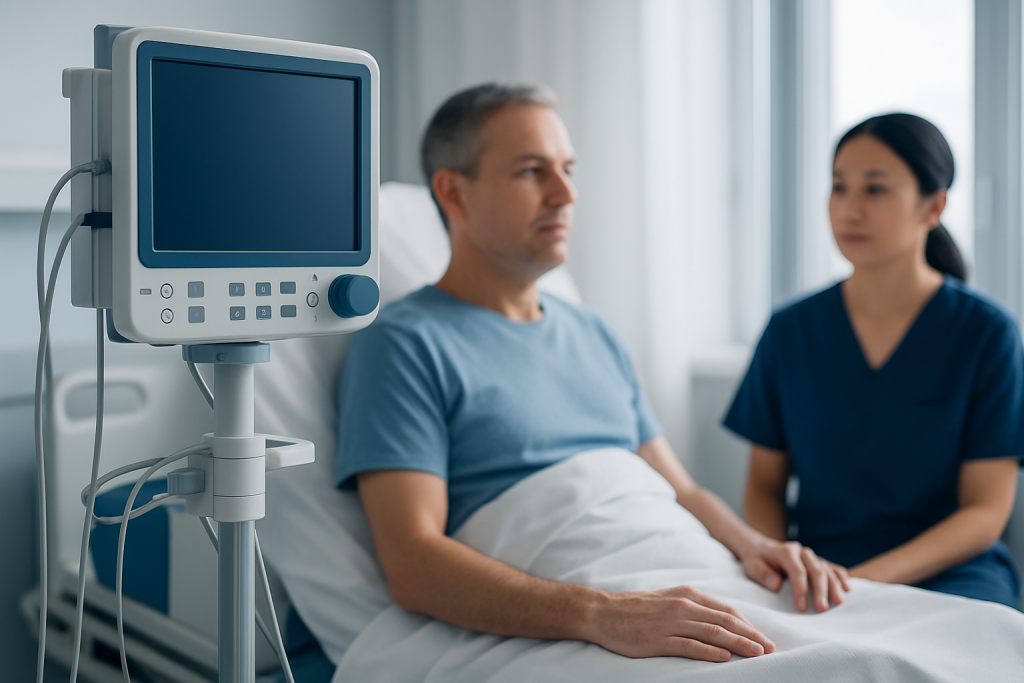
Your clinician will usually look at several things before saying you can travel. The type of treatment is important, but so are your symptoms, your mobility, and whether you need medicines or support devices for the trip. Even routine travel can become tiring if you are sore, dizzy, nauseated, swollen, or restricted in movement.
Some of the most common travel questions involve bleeding risk, infection risk, pain control, and how far you can comfortably walk or sit. A long-haul flight may require more caution than a short journey, because cabins are dry, seats are cramped, and access to immediate care is limited. If you are traveling with a companion, that can help with luggage, medicines, and comfort, but it does not replace medical clearance.
- Your blood pressure, breathing, and heart rate should be stable.
- You should be able to sit, stand, and move as needed for the journey.
- Your pain, nausea, or dizziness should be controlled well enough for travel.
- You should understand your medicine schedule and any warning signs to watch for.
- You should know who to contact if something changes after you leave.
Acibadem Health Point’s international patient services can help you gather the right information before you book transport. That usually includes making sure your discharge plan, medical summary, and any follow-up instructions are easy to share with your local doctor if needed.
Why some patients are told to wait

Sometimes the safest option is to delay travel for a short time. That does not necessarily mean something is wrong; it may simply mean your team wants to reduce avoidable risks. You might need observation after anesthesia, time to monitor swelling or bleeding, or another check to confirm that your recovery is moving in the right direction.
Waiting can also be practical. If you have limited mobility, need help with wound care, or are not yet comfortable managing stairs, luggage, or airport queues, an extra day or two can make your trip home much less stressful. For international patients, this can be especially helpful when arranging a hotel that matches your recovery needs or scheduling airport transfer at a calmer time of day.
In a JCI-accredited setting like Acibadem Health Point, discharge decisions are built around patient safety and continuity of care. You are not expected to guess whether you are ready to travel; your team should explain the reason for any delay and what has to be true before you can leave.
How to prepare for the journey home
The best travel plans are usually simple, clear, and documented. Before you leave, ask for written discharge instructions in a language you understand, including what medicines to take, when to take them, and which symptoms mean you should seek help. If you will need pain relief, compression, dressings, or mobility support, make sure those are organized before you reach the airport.
It also helps to think ahead about the small things that become big problems when you are recovering: where you will sit, how you will carry your documents, whether you can lift your bag, and whether you will have enough room to rest during the trip. If you are flying, tell your airline in advance if you need assistance boarding, extra time, or a medical certificate. If you are traveling by car, plan stops for stretching, hydration, and bathroom breaks.
Acibadem Health Point can help coordinate interpreters, discharge summaries, and transport planning so you are not trying to organize everything at the last minute. This is especially valuable when you are managing a foreign healthcare system while also preparing for a long trip home.
What a safe discharge plan should include
A good discharge plan should leave you feeling informed rather than rushed. You should know what happened during your stay, what recovery looks like over the next few days, and which signs mean you should contact your care team or seek urgent help. You should also know whether you need a follow-up appointment before traveling or shortly after reaching home.
For international patients, the plan should fit the realities of crossing borders. That means clear paperwork, medication names you recognize, and a summary you can share with a local clinician if needed. If language is a barrier, ask for an interpreter or translated instructions before you leave the hospital.
A practical discharge package often includes:
- A brief medical summary and procedure/treatment notes
- A medication list with timing and purpose
- Wound care or aftercare instructions
- Travel advice tailored to your condition
- Emergency contact details and follow-up guidance
At Acibadem Health Point, the international patient team helps connect these pieces so your return home feels orderly. That kind of coordination can make a real difference when you are tired, recovering, and trying to navigate unfamiliar systems.
How to handle follow-up once you are back home
Getting home is not the end of the process; it is the handoff point. If you will need dressing checks, medication changes, rehabilitation, or a post-treatment review, arrange that before you travel whenever possible. A smooth handover reduces confusion and gives your local provider the information they need to continue your care safely.
Keep your records together in one place: discharge papers, test results, imaging reports, medication instructions, and any contact numbers you may need. If you feel unwell after you return, do not rely on memory alone. Use the written guidance from your treating team, and seek urgent care if you develop symptoms that were specifically flagged as concerning.
Acibadem Health Point can support follow-up planning for international patients, including helping you understand which documents to share with your doctor at home. If your recovery needs a review by your treating team, you should ask how that will be handled across time zones and borders before you depart.
When you should not travel yet
Some warning signs mean travel should wait until you have been reassessed. If you have uncontrolled pain, active bleeding, fever, trouble breathing, confusion, worsening swelling, or a sudden change in how you feel, you should not push ahead with a journey just to keep to your original schedule. In those situations, safety comes first.
You should also pause and ask for advice if you are unable to manage basic tasks such as walking short distances, taking medicines correctly, or caring for a wound. Travel is stressful even on a good day, and symptoms that seem manageable in the hospital can become more difficult once you are in transit.
If you are unsure, ask your care team directly: “Am I fit to travel today, and if not, what needs to improve before I can go?” That simple question can prevent a rushed decision and help everyone agree on the safest next step.
A calmer way to decide whether you are ready
The decision to travel home soon after treatment is usually easier when it is made early and in plain language. You do not need to guess, and you should not feel pressured to leave before you are comfortable. A short conversation with your team can clarify whether you are ready now, should rest a little longer, or need a different travel plan.
For many international patients, the most reassuring part is having one coordinated plan that connects the hospital, interpreter support, transport, and aftercare. Acibadem Health Point is set up to help with that handoff, so you can focus on recovery instead of trying to assemble the details yourself. If your journey home is simple, great; if it needs adjustments, those can usually be arranged before you leave.
The practical goal is straightforward: arrive home safely, with enough clarity and comfort to continue recovering well. When that is the standard, the timing of travel becomes much easier to judge.
Step by step
- Ask for travel clearance before booking your exit. Do not assume you can leave as soon as treatment is finished. Ask your clinician whether you are medically fit to travel, and if there are any reasons to wait another day. If you already have a flight booked, tell the team the time, route, and whether you have connections.
- Request a discharge summary you can actually use. Make sure you leave with clear written instructions, not just verbal advice. The summary should list your treatment, medicines, warning signs, and any follow-up that needs to happen after you arrive home. If English is not your first language, ask for language support before discharge.
- Plan the journey around your recovery needs. Choose transport that matches how you feel, not just what is cheapest or fastest. If you need wheelchair help, extra legroom, or a companion, arrange it in advance so the trip is less tiring and less stressful.
- Prepare your medicines and essentials in one hand luggage bag. Keep all medicines, documents, and basic comfort items together so they do not get lost in checked baggage. If you need medicine at specific times, set reminders for time zones and transit delays.
- Check what support you will have at home. Before you leave, think through the first 24 to 72 hours after arrival. Know who will collect you, where you will rest, and how you will reach medical help if you need it.
- Stay in contact after you land. If your team has told you to report a symptom or send an update, do that promptly. Follow-up after travel is part of the care plan, especially if you are recovering from a procedure or any treatment that needs monitoring.
Your checklist
- Ask whether you are fit to travel today
- Carry your discharge summary and test results
- Keep medicines in your hand luggage
- Confirm airport assistance or car transfer if needed
- Know which symptoms require urgent medical help
- Arrange a local doctor or follow-up contact at home
- Pack loose clothing and any required support items
- Keep your passport, tickets, and medical documents together
Key takeaways
- Travel timing depends on your treatment, symptoms, and the length of the journey home.
- You should leave with written instructions, medicines, and a clear follow-up plan.
- Long flights, mobility limits, and pain control often affect discharge timing.
- If you have warning signs like bleeding, fever, or breathing problems, do not travel yet.
- Acibadem Health Point can help coordinate interpreters, discharge planning, and post-treatment handover.
- A safe return home is about readiness, not rushing.
Frequently asked questions
Can I fly home the same day as treatment?
Sometimes, but not always. It depends on the type of treatment, whether anesthesia was used, and how stable you are when discharge is being considered. Your team should confirm that you are safe to travel rather than leaving you to decide on your own.
What if my flight is already booked for tomorrow?
Tell your care team as early as possible so they can judge whether the timing is realistic. If it is not, they may advise a short delay, adjust your discharge plan, or help you understand what you need before traveling. It is better to change the plan than to travel too soon.
Do I need a companion for the trip home?
Not everyone does, but many international patients feel more comfortable with support. A companion can help with luggage, documents, medicine timing, and navigating airports, especially if you are still sore or tired. If you travel alone, ask for extra guidance before you leave.
What should be in my discharge papers?
You should have a summary of your treatment, medicine instructions, recovery advice, and contact details for follow-up questions. If you need care at home, the paperwork should also be clear enough to share with your local doctor. The goal is to make the handover simple and safe.
Is it normal to feel tired or sore when I travel home?
Some tiredness or discomfort can be expected, depending on what you have had done. What matters is whether those symptoms are controlled and manageable for the journey. If you feel worse than expected, tell your team before you leave.
What support does Acibadem Health Point offer for international patients?
Acibadem Health Point can help with international patient coordination, interpreters, discharge planning, and travel or accommodation support. That makes it easier to organize the practical details around your return home. It also helps ensure the medical handoff is clear if you need follow-up after you leave Turkey.
More Patient Guides

Travel Insurance for Treatment in Turkey
Plan treatment in Turkey with confidence: learn how travel insurance works, what to check, and how to prepare for medical travel.
8 min read
Hidden Costs to Check Before Medical Travel
See the hidden costs of medical travel before you book: travel, stays, tests, time off, and follow-up so you can plan clearly.
8 min read
How to Review a Medical Quote Before Travel
Learn how to review a medical quote before travel, compare inclusions, check exclusions, and avoid surprises before you book care abroad.
8 min read
