

Can You Fly Home Yet? Fit-to-Travel Questions After Treatment

Medically reviewed by the Acıbadem clinical team — June 13, 2026
Before you book the flight home, it helps to know whether your body is ready for travel and what your team wants you to monitor. This guide walks you through the practical questions to ask, the warning signs not to ignore, and how Acibadem Health Point supports your return journey and follow-up from abroad.
At a glance
- Best for: International patients deciding when it is safe to fly after treatment
- Main concern: Whether your recovery is stable enough for a long flight and airport transfers
- You should confirm: Medication timing, wound care, mobility limits, and follow-up plans
- Helpful support: Interpreter help, discharge coordination, and travel guidance from Acibadem Health Point
- Do not fly without asking if: You have chest pain, shortness of breath, fever, heavy bleeding, or new swelling
What “fit to travel” really means
Fit to travel is not a pass/fail label stamped onto your discharge papers. It is a practical judgment about whether your current condition is stable enough for the journey you are planning, including the airport, the flight itself, baggage handling, transfers, and the first day or two after you land.
That judgment can change quickly after treatment. A person may be medically stable for one type of movement but not ready for a long-haul flight, a crowded terminal, or sitting still for many hours. The question is not just “Can I leave the hospital?” but “Can I travel safely, comfortably, and with a plan if something changes?”
At Acibadem Health Point, your discharge conversation should be specific to your treatment, your mobility, and your destination. You should leave with clear instructions, not vague reassurance.
The questions worth asking before you book the flight
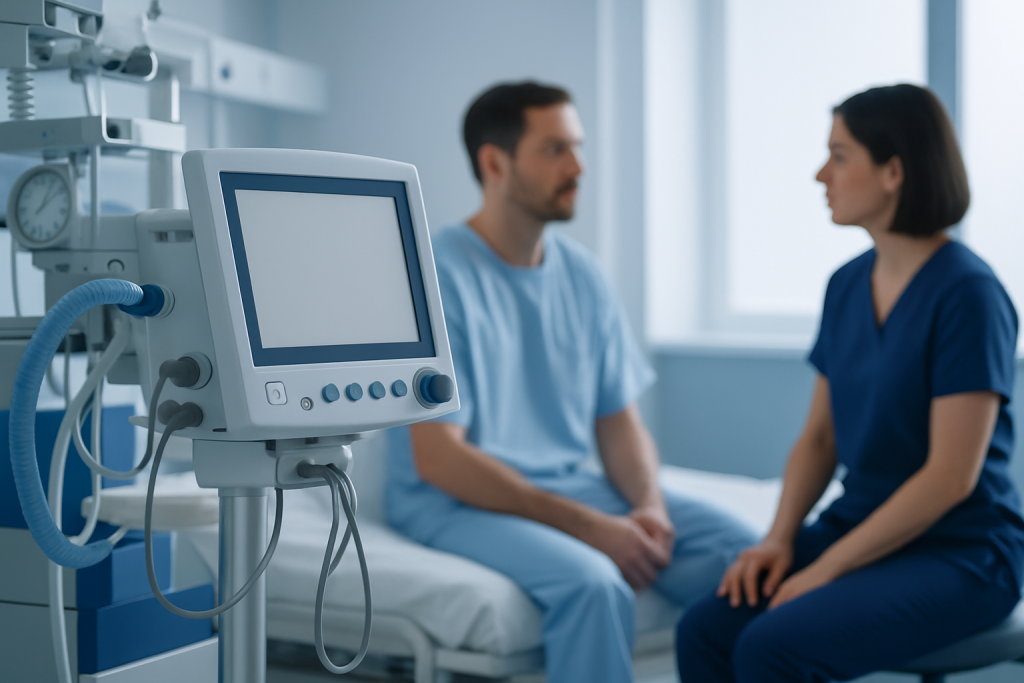
Before you confirm your ticket, ask your care team what they want you to be able to do before you travel. If you had surgery, that may include walking a certain distance, climbing stairs, tolerating pain medication, or managing your wound care without extra help. If you had a procedure without surgery, the questions may be different, but they are no less important.
Ask whether you need to avoid flying for a specific number of days, whether a companion is recommended, and whether your trip should be direct rather than connecting. If you are using a wheelchair, walker, or crutches, confirm how that changes your airport plan and whether the airline needs advance notice.
You should also ask about your medicines in plain language: what to take, when to take it across time zones, what to do if you miss a dose, and whether any medication needs to stay in your hand luggage. A good discharge plan also tells you which symptoms can wait for a routine message and which ones need urgent medical attention.
- How long should I wait before flying?
- Do I need travel clearance from my doctor?
- Should I avoid direct pressure, lifting, or sitting too long?
- What should I pack in my carry-on for pain control, wound care, or mobility support?
How flights can affect recovery

Air travel adds a few stresses that are easy to underestimate. Cabin pressure, long periods of sitting, dehydration, limited movement, and the effort of moving through airports can all make recovery more demanding. Even if you feel fine in the hospital room, a long travel day can expose gaps in your plan.
Some treatments require you to be extra alert for swelling, bleeding, nausea, dizziness, or changes in how you breathe. If your treatment involved an incision, drains, recent sedation, or any condition that affects circulation, your team may want you to move more often, hydrate carefully, or delay travel until the risk is lower.
It is also worth thinking beyond the flight. The real test may be the taxi ride, the stairs at home, the lack of a local caregiver, or the nearest clinic being far away. If your recovery still needs hands-on support, staying one more night or changing the route home may be the safer option.
Signs that mean you should pause and call your team
Some symptoms are too important to “watch and wait” before a flight. You should contact your care team promptly if you have chest pain, trouble breathing, sudden swelling in one leg, fainting, fever, uncontrolled vomiting, heavy bleeding, or pain that is getting worse rather than better. These are the kinds of problems that should be discussed before any travel decision.
Also speak up if you are too weak to walk safely, cannot keep fluids down, feel confused, or do not understand the instructions you were given. If a medication makes you drowsy, affects your balance, or needs food you may not reliably have during travel, that matters too.
Acibadem Health Point’s international patient services can help you organize the message, translate questions, and make sure the right team hears about your concern. It is better to delay a flight than to turn a travel day into a medical emergency.
Making the trip home easier on your body
Once you are cleared to travel, small logistics can make a big difference. Keep your most important documents, medications, phone charger, and any support items in your carry-on. Wear comfortable clothing that does not press on wounds or swelling, and choose shoes you can put on without bending awkwardly.
Plan your route like a recovery day, not a normal travel day. Allow extra time for check-in, security, bathroom breaks, and walking slowly. If you are prone to swelling or stiffness, ask whether you should stand, stretch, or walk at intervals during the journey.
If you are flying with an interpreter, companion, or special assistance request, make the plan early so you are not trying to solve it at the gate. Acibadem Health Point can coordinate practical travel and accommodation details when needed, which can take pressure off you during discharge.
What follow-up should look like once you land
Flying home is not the end of your care plan; it is the handoff point. You should know who will review your recovery, how soon to send updates, and what kind of follow-up is expected after you arrive. If your care needs local monitoring, it is worth arranging that before you leave Turkey rather than after a problem appears.
Keep a simple record of your symptoms for the first few days at home. Track pain, temperature if relevant, swelling, wound appearance, appetite, and any medication side effects. If you were given test results, discharge summaries, or imaging, store them in more than one place so you can share them easily with your local doctor.
Acibadem Health Point can help you understand the next step in the chain, whether that means a remote review, a message to your treating team, or guidance on what to share with a doctor in your home country. The smoother the handoff, the less likely you are to feel stranded after the trip.
When to choose a different plan entirely
Sometimes the safest answer is not “yes, you can fly,” but “not yet” or “not this way.” You may need a later departure, a companion, a shorter route, a medical escort, or an extra recovery day before making the trip. That is especially true if your destination is far away or if you will have limited access to care on arrival.
Do not let passport dates or ticket changes force your medical decision. A flexible travel plan is often a healthier plan, and it can prevent a small issue from becoming a difficult one mid-journey. Your team should help you balance medical caution with practical realities.
At Acibadem Health Point, the goal is to help you leave with clarity, not urgency. A well-timed return home is part of good care, not an afterthought.
Step by step
- Ask for a clear travel opinion. Before you buy or change a ticket, ask whether your current recovery is compatible with flying. Make sure the answer covers the full trip, not just the hospital discharge moment.
- Confirm your medication plan. Check when to take each medicine, what must stay in your hand luggage, and what to do if your flight crosses time zones. If any medication causes drowsiness or nausea, mention it before travel.
- Review your mobility and support needs. Ask whether you need a wheelchair, extra assistance at the airport, or a companion for lifting, walking, or paperwork. If you are traveling alone, be honest about what you can manage safely.
- Prepare your documents and follow-up contacts. Keep your discharge summary, prescriptions, test results, and contact details together in one easy-to-reach folder. Save the names of the team or service that will handle questions after you land.
- Plan the journey in recovery mode. Book extra time for transfers, bring water and snacks if allowed, and choose clothing that does not press on sensitive areas. Treat the first travel day as part of recovery, not as a normal day out.
- Watch for warning signs after you arrive. Monitor your symptoms closely for the first few days at home, especially pain, fever, swelling, bleeding, or breathing changes. If something feels wrong, contact your care team or local clinician without waiting.
Your checklist
- Discharge instructions copied to your phone and email
- Prescriptions packed in original packaging if possible
- Medication schedule adjusted for travel time zones
- Airport assistance or wheelchair request confirmed
- Companion or pick-up arranged for arrival home
- Emergency contact numbers saved in your phone
- Dressings, wound supplies, or compression items packed as advised
- Water, snacks, and charger packed in carry-on
- Return follow-up plan confirmed with Acibadem Health Point
Key takeaways
- Fit to travel means stable enough for the full journey, not just discharge from the hospital.
- Ask about timing, mobility, medication, and warning signs before you book your flight.
- Long flights can add swelling, dehydration, pain, and fatigue to recovery.
- Your carry-on should hold medicines, documents, and anything you need urgently.
- A safe return home includes a follow-up plan, not only a plane ticket.
Frequently asked questions
What does “fit to travel” mean after treatment?
It means your medical team believes your condition is stable enough for the trip you are planning. That includes the flight, airport movement, and the first part of recovery after you arrive home. It is not the same as feeling “mostly okay” for a short period of time.
Who decides if I can fly home yet?
Your treating doctor or care team should make that call based on your treatment, recovery progress, and any risks tied to travel. If needed, they may suggest a delay, a companion, or specific precautions. You should never rely only on the airline’s general rules.
Should I ask for written discharge instructions?
Yes, written instructions make the return trip much easier, especially if you are tired or traveling across time zones. Ask for medication timing, wound care guidance, activity limits, and emergency contact details. Keep them with your passport and tickets so they are easy to find.
Can I fly if I still have pain or swelling?
Mild, expected symptoms may be manageable if your team says travel is appropriate and you have a plan for them. But worsening pain, one-sided swelling, or any symptom that feels unusual should be checked before you board. If in doubt, ask your team to review it first.
What should I keep in my hand luggage?
Keep your medicines, prescriptions, discharge summary, ID, phone charger, and any items you may need quickly, such as dressings or compression support. If you rely on mobility aids, confirm in advance how they will be handled. Do not pack essential medication in checked baggage.
What if I feel unwell after I get home?
Contact the follow-up number or clinician you were given and explain your symptoms clearly. If you have chest pain, trouble breathing, heavy bleeding, fainting, or sudden severe swelling, seek urgent medical help right away. It is better to act early than to wait for symptoms to settle on their own.
How can Acibadem Health Point help after I leave Turkey?
Acibadem Health Point can help coordinate your discharge details, language support, and follow-up plan so you know what to do next. Depending on your case, that may include guidance on travel readiness, sharing records, and explaining what should be monitored after you land. The aim is to keep your care connected across borders.
More Patient Guides

Special Needs Travel Checklist Before Surgery in Turkey
Plan a smoother surgery trip to Turkey with a practical special needs checklist for mobility, documents, medications, and support needs.
8 min read
Wheelchair Access Guide for Medical Travel in Turkey
Plan wheelchair-accessible medical travel in Turkey with practical tips on airports, transfers, hospitals, rooms, and support from Acibadem Health Point.
9 min read
Nachsorge, die Sie zu Hause selbst durchführen können: Welche Behandlungen erfordern eine persönliche Nachkontrolle?
Erfahren Sie, welche Nachsorge zu Hause möglich ist, welche persönlich kontrolliert werden muss und wie Sie auch nach der Reise mit Ihrem…
Related Specialists

Dr. Safiye Sayilir
Physical Medicine & Rehabilitation
Dr. Özgün Barış Çolak
Physical Medicine & Rehabilitation
Prof. Dr. Meltem Vural
Physical Medicine & Rehabilitation
Prof. Dr. Meral Bayramoğlu
Physical Medicine & Rehabilitation