Patient Safety Checks Before Imaging and Lab Tests

Medically reviewed by the Acıbadem clinical team — June 12, 2026
Before a scan or blood test, a few simple checks can prevent delays, repeat appointments, and avoidable risk. This guide helps you prepare with confidence, especially when you are traveling for care and need clear instructions in advance.
At a glance
- Best for: You are scheduled for imaging, blood work, or both and want to prepare safely
- Key checks: Identity, fasting, medications, allergies, pregnancy status, and prior test results
- Common risk points: Contrast dye, claustrophobia, metal implants, dehydration, and medication timing
- International patient support: Instruction coordination, interpreter access, and appointment planning through Acibadem Health Point
- Why it matters: Good preparation helps your test go smoothly and reduces the chance of delays or repeat scans
What to confirm before you leave your hotel or home
When you are heading to imaging or a lab visit, the safest move is to pause and check the basics before you go. The most common reasons tests get delayed are surprisingly practical: not fasting long enough, taking a medication that should have been held, or arriving without the right paperwork.
Start with the exact test name and instructions. A blood panel, ultrasound, CT scan, MRI, X-ray, or biopsy-related lab work may each come with different preparation steps. If your instructions were sent in another language or by email while you were planning travel, Acibadem Health Point’s international patient services can help you re-check the details so you know what applies to your visit.
It also helps to confirm the date, time, and location of the department. In a large hospital setting, one building may have multiple imaging units or laboratories, and you do not want to lose time searching after you arrive. Keep your passport or ID, referral forms, and any prior reports together in one place.
Fasting, hydration, and why timing matters
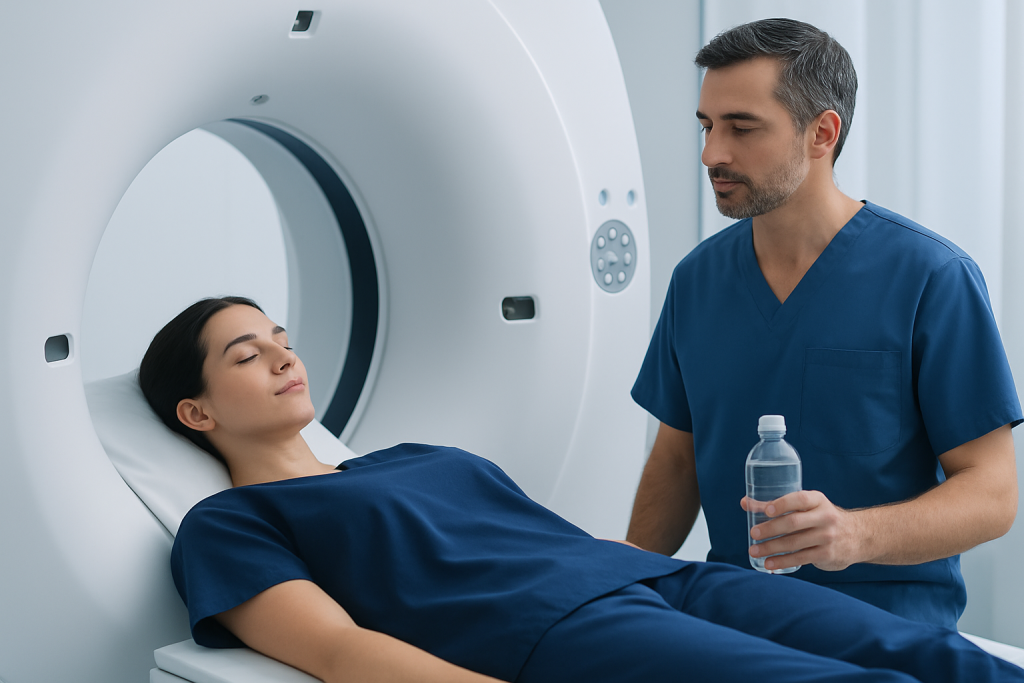
Some tests require you to stop eating for a set period, while others ask you to drink water beforehand. The reason is not arbitrary: food, fluids, and timing can affect certain lab results and some imaging studies. If your instructions mention fasting, follow the exact number of hours given rather than guessing.
Water is often allowed, and sometimes encouraged, especially if you are having blood work or a scan later in the day. But do not assume that “clear liquids are fine” applies to every test. If you have diabetes, kidney concerns, or you take medication that must be taken with food, ask for a clear plan before test day.
If you are traveling, this point becomes even more important. Long flights, jet lag, and meal changes can make it easy to miss a fasting window or become dehydrated. Acibadem Health Point can help coordinate appointment timing so your instructions fit your arrival schedule more safely and realistically.
Medicines, supplements, and contrast precautions

Bring a complete list of everything you take, including prescription medicines, over-the-counter pain relievers, vitamins, herbal products, and any injections. What matters is not only what you take, but when you take it. Some medicines may need to be paused, delayed, or continued with a sip of water depending on the test.
Contrast agents are another key safety point. If your scan uses contrast, you should tell the team about any previous reaction to contrast dye, iodine, shellfish allergy myths aside, asthma, kidney disease, or past episodes of hives, swelling, or breathing problems. The hospital team can then decide whether extra precautions or a different approach is needed.
Never stop a medicine on your own because of a test instruction you are unsure about. If you are taking blood thinners, diabetes medication, or medicine for blood pressure or seizures, get specific guidance in advance. A short clarification call can prevent a cancelled appointment or an unsafe gap in treatment.
Your history helps the team read the test correctly
Imaging and lab results are more useful when the team knows your background. That means recent symptoms, previous surgeries, implants, pacemakers, stents, metal fragments, allergies, pregnancy status, and any prior scans done elsewhere. If you have old test reports, bring them with you or upload them ahead of time if requested.
This is especially important for MRI and CT planning. Some metal devices are fine, some require review, and some are not compatible with certain scanners. If you are not sure what implant you have, a device card, surgery note, or previous discharge summary can save a lot of time.
For international patients, language should not stand between you and safe care. Acibadem Health Point works with interpreters and coordinated records review so your medical history is understood accurately, even if your previous care happened in another country.
What to expect when you arrive
On arrival, you will usually check in, verify your identity, and review the test instructions once more. This is a normal safety step, not a sign that anyone doubts your records. Staff may ask you to repeat your name, birth date, allergies, medicines, and whether anything has changed since you booked the test.
If your test involves contrast, you may be asked a few extra questions about kidney function, previous reactions, recent illness, or hydration. For some laboratory tests, a sample may be drawn after a brief wait; for others, you may need to rest first if you have been in transit or feeling unwell. If you are pregnant or think you might be, say so early, before any imaging begins.
At Acibadem Health Point hospitals, the goal is not to rush you through the door. The team’s safety checks are designed to make the visit predictable and calm, especially for international patients who may already be navigating a new city, a new schedule, and an unfamiliar hospital system.
After the test: the small details that protect the next step
Once your imaging or lab test is done, ask what happens next. Some results are available quickly; others need specialist review. Find out whether you should resume eating, restart any paused medicines, drink extra fluids, or watch for any unusual symptoms after contrast or blood draw.
If you are leaving Turkey soon, confirm how results will be shared and who you should contact with questions after you return home. This matters just as much as the test itself. A clear follow-up plan avoids the common problem of having results in one country and unanswered questions in another.
When possible, keep a simple record of what you had done: the date, the test type, whether contrast was used, and any immediate reactions. That note can be useful later if another clinician needs to compare findings or plan a future study.
Step by step
- Check the exact test instructions. Read the preparation note for your specific scan or blood test, not a general one. If anything is unclear, ask before test day so you are not guessing about fasting, fluids, or medicine timing.
- Gather your medicines and history. Make a list of all medicines, supplements, allergies, implants, and past reactions. Bring prior reports and device cards if you have them, because they can change how a test is performed.
- Confirm fasting and hydration. Follow the fasting window exactly if one is required, and ask whether water is allowed. If you have diabetes or another condition affected by meal timing, request a personalized instruction set.
- Tell the team about pregnancy or possible pregnancy. Share this as early as possible, even if you think the test is low risk. The team can then choose the safest timing or alternative approach for imaging.
- Arrive a little early and stay available. Plan extra time for check-in, verification, and any last questions. If the department needs to clarify a detail, being reachable helps prevent rescheduling.
- Ask what to do after the test. Before you leave, confirm when to eat, drink, restart medicines, and expect results. If you are flying home soon, make sure you know who will contact you if follow-up is needed.
Your checklist
- Passport or photo ID
- Referral form or appointment confirmation
- List of current medicines and supplements
- Known allergies and previous reactions
- Prior imaging or lab reports
- Device card for implants, pacemaker, or stent if applicable
- Fasting status confirmed before arrival
- Interpreter or companion arranged if needed
- Water bottle if permitted by instructions
- Phone number for the hospital or patient services team
Key takeaways
- Safety checks before imaging and lab tests are mostly about practical details: identity, fasting, medicines, allergies, and history.
- Do not assume the same preparation applies to every scan or blood test; the instructions can differ widely.
- Tell the team about pregnancy, implants, kidney issues, asthma, and any past reaction to contrast or needles.
- If you are an international patient, coordination matters: language support and appointment planning can reduce delays.
- Acibadem Health Point can help you align instructions, records, and timing so your visit is smoother and safer.
Frequently asked questions
Why do I need to repeat my name and birthday before a test?
This is a standard safety check to make sure the right test is done for the right person. Even if you have already booked the appointment, identity verification helps prevent mix-ups in busy departments. It is one of the simplest ways to protect your safety.
Do I always need to fast before imaging or blood tests?
No, fasting depends on the specific test. Some blood tests and some imaging studies require it, while others do not. Always follow the instructions for your exact appointment rather than using a general rule.
Can I take my regular medicines on test day?
Sometimes yes, sometimes no. Medicines such as blood thinners, diabetes drugs, and certain tablets that affect the stomach or kidneys may need special timing. If you are unsure, ask for written guidance before you travel to the hospital.
What should I mention before a scan with contrast?
Tell the team about any previous contrast reaction, asthma, kidney disease, and all allergies. Also mention if you are dehydrated, have recently been unwell, or are taking medicines that affect kidney function. These details help the team choose the safest approach.
Why are old reports and device cards useful?
Previous scans, surgery notes, and implant cards help the team understand what has changed and what equipment is safe to use. They also reduce the chance of repeating unnecessary tests. If your care started in another country, bringing these documents is especially helpful.
What if I am pregnant or might be pregnant?
Tell the hospital team before the test begins. Some imaging studies need to be postponed, modified, or replaced with a safer option. Do not wait until you are already in the scanner or treatment room.
How can Acibadem Health Point help if I am coming from abroad?
The international patient team can help you confirm preparation instructions, organize records, and arrange interpreters when needed. That support is especially useful when you are balancing travel, time zones, and unfamiliar medical terms. It helps turn a confusing appointment into a clearer, safer visit.
More Patient Guides

Patient Rights and Responsibilities in Turkey
Know your rights, your responsibilities, and what to expect as an international patient in Turkey, from consent and privacy to safe communication.
8 min read
Fall Prevention Guide for Inpatients in Turkey
Practical inpatient fall-prevention tips for your hospital stay in Turkey, with advice on mobility, alerts, footwear, and asking for help.
8 min read
Surgical Site Safety Guide for International Patients
Learn how to reduce surgical site infection risk, spot warning signs, and prepare for safe recovery before you travel home.
8 min read