

Can You Fly Home Right After Treatment? A Timing Guide

Medically reviewed by the Acıbadem clinical team — June 13, 2026
If you are planning care abroad, one of the first practical questions is whether you can head home straight after treatment. The answer depends less on the calendar and more on how your body is recovering, what type of treatment you had, and whether your care team feels travel is safe.
At a glance
- Best answered by: Your treating doctor and discharge team
- Main factors: Treatment type, anesthesia, mobility, pain control, and flight length
- Short flights: May be possible sooner if your team approves
- Long-haul flights: Often need more planning and rest time
- What helps: Clear discharge instructions, medication plan, and airport support
The real question is not “how soon,” but “how stable are you?”
Right after treatment, your body may be doing more work than it looks like from the outside. Even when a procedure is planned and uncomplicated, you may still be dealing with fatigue, swelling, medication effects, dressings, or simple dehydration from the day’s events.
That is why the timing of a return flight is never based on one fixed rule. Your doctor will usually look at how you are breathing, walking, eating, drinking, and managing pain, then decide whether travel is sensible that same day or whether an extra night makes more sense.
At Acibadem Health Point, this conversation is part of the international patient journey, not an afterthought. Because you are traveling across borders, your discharge planning should include both medical readiness and travel practicality — the two do not always match.
Treatment type changes the timeline more than the destination does
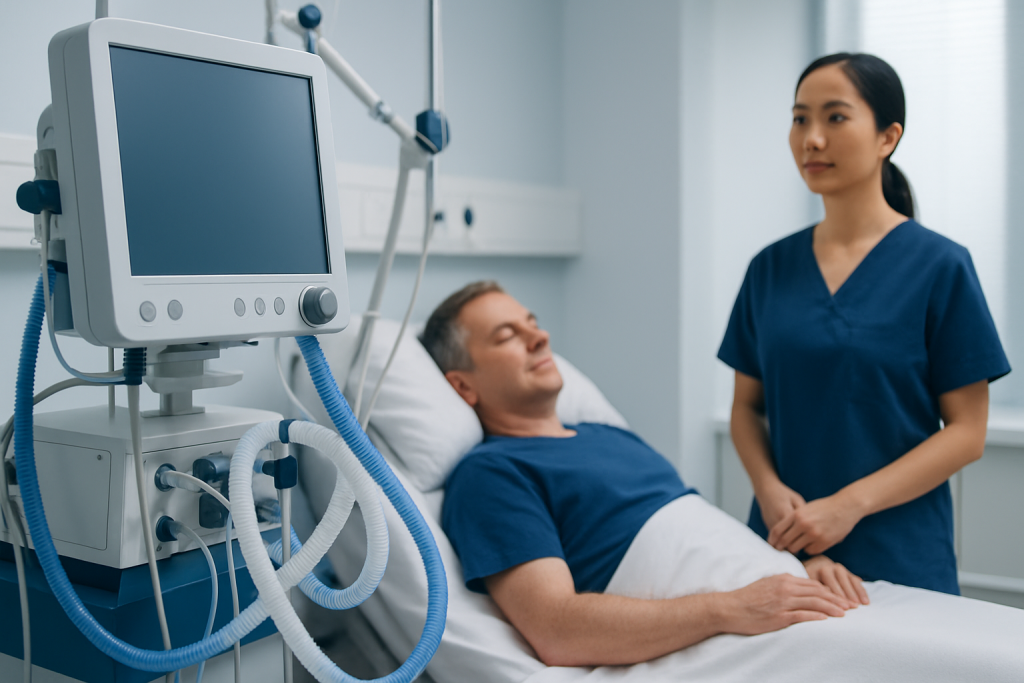
Some treatments allow a relatively quick return to travel if you are otherwise well. Others need a longer observation period because the immediate hours after treatment are when risks are more likely to show up. This is especially true if you had anesthesia, sedation, fluid shifts, bleeding risk, or any procedure that affects breathing, mobility, or balance.
If you had a minor outpatient visit, you may be able to leave the same day after your team confirms you are alert and stable. If you had a more involved surgical or medical treatment, you may be asked to stay longer so your team can monitor pain, nausea, wound care, or lab results before you fly.
The safest way to think about it is simple: the more your treatment affects your strength, circulation, breathing, or ability to move comfortably, the more likely you are to need a longer pause before flying. Your doctor’s instructions should always override general travel advice.
- Ask whether the treatment involved sedation or general anesthesia.
- Confirm if you need a follow-up check before departure.
- Find out whether any drains, dressings, or medication timing affect travel.
Flying too soon can be uncomfortable even when it is technically allowed

It is possible to be medically fit to travel and still have a miserable flight if you leave too quickly. Cabin pressure, sitting still for long periods, and airport transfers can worsen swelling, stiffness, dizziness, or pain. If you are prone to nausea or fatigue after treatment, a rushed departure can make the journey feel much harder than it needs to be.
There are also practical concerns that matter just as much as medical ones. You may need time to collect prescriptions, receive written instructions, arrange a fit-to-fly note if requested, and make sure your companion knows what to watch for during the trip.
For this reason, many international patients benefit from planning one flexible day after treatment rather than trying to connect treatment and a flight on the same timeline. That extra cushion can reduce stress and give your care team space to respond if something needs a final check.
What your discharge team should confirm before you leave
Before you travel home, you want a clear answer to a few basic questions. Can you walk safely? Are you eating and drinking enough? Do you know exactly when to take your medicines, and what side effects should prompt a call for help?
Your discharge paperwork should also explain wound care, activity limits, warning signs, and when your next review is due. If you will need to see a doctor soon after landing, it helps to leave with a written summary that can be shared with your local clinician.
Acibadem Health Point’s international patient services can help you organize the non-clinical details around that plan, including interpreters if you need them, transfer coordination, and practical support for accommodation or a longer stay if your team advises it. The goal is to make the handover clean and understandable, not rushed.
- Discharge summary in a language you can use at home
- Medication list with timing and duration
- Travel restrictions, if any
- Emergency contact details for after you leave Turkey
Long-haul flights need a little more caution than short hops
A one-hour regional flight and an overnight intercontinental journey are not the same experience after treatment. Longer flights mean more time sitting, more chance of dehydration, and more opportunities for swelling or discomfort to build up. If you are traveling far, your team may be more conservative about when you leave and how you prepare.
You may also need to think about airport logistics, not just the cabin itself. Wheelchair support, early boarding, baggage handling, and help moving through terminals can matter a great deal when you are not back to full strength.
If your trip home is long, it is wise to ask whether you should stay near the hospital an extra night or two. That buffer can be especially helpful if your treatment required observation, medication adjustments, or a follow-up appointment before departure.
If you are not ready to fly, that does not mean something has gone wrong
Sometimes patients feel disappointed when they learn they should not leave immediately. In reality, a delayed flight home often means your team is being careful in the right way. A short extension of your stay can prevent a much harder situation later, especially if symptoms appear after you have already started traveling.
It also gives you more time to settle into a routine for eating, walking, medication, and rest. Many people feel more confident boarding a flight once they have had one calm day to see how they respond after treatment.
At Acibadem Health Point, the international patient pathway is designed to absorb this kind of change without confusion. If your doctor recommends staying longer, the team can help you adjust your hotel, transport, and follow-up plans so you are not left sorting out logistics alone.
A smooth return home starts before discharge day
The easiest departures are usually the ones prepared in advance. Before your treatment, it helps to ask what your likely discharge window might be, whether you should bring loose clothing, and whether someone should travel with you. That way, if your team says you can fly earlier than expected, you are not scrambling for last-minute arrangements.
It also helps to think beyond the flight itself. What will you need in the first 24 hours after landing? Who can meet you? Do you have medications in your hand luggage? Have you saved your hospital documents in both paper and digital form?
When these details are handled early, you can focus on recovery instead of problem-solving in an airport lounge. That is one reason many international patients choose a coordinated provider like Acibadem Health Point: the medical care is only part of the journey, and the transition home matters too.
Step by step
- Ask for your earliest safe discharge estimate early. Before treatment, ask your team when patients usually leave and what can change that timeline. This gives you a realistic window for booking flights and hotels without guessing.
- Check whether anesthesia or sedation changes your travel plans. If your treatment involved being put to sleep or sedated, you may need more time before flying. Ask when you should be fully alert, eating normally, and steady on your feet.
- Build in a buffer day if your itinerary allows it. A spare day after treatment can protect you from delays, medication issues, or tiredness. It also gives your body time to show how it is responding before you sit through a flight.
- Prepare your documents before the day of departure. Keep your discharge summary, prescriptions, and follow-up instructions together in one place. If you need to show them at the airport or to a doctor at home, you will not have to search through messages or bags.
- Plan the airport journey as carefully as the flight. Arrange transport, assistance, and baggage help if you need them. A comfortable ride to the airport and support through the terminal can matter just as much as the flight itself.
- Know what would make you delay travel. Ask your team which symptoms mean you should not board, such as fever, worsening pain, shortness of breath, dizziness, or bleeding. Having those red flags in writing makes decision-making much easier.
- Share the plan with someone who can help you at home. Tell a family member or local contact when you expect to arrive and what recovery restrictions you may have. If you feel unwell after landing, someone should already know how to support you.
Your checklist
- Confirmed with your doctor whether you are fit to fly
- Received a written discharge summary and medication list
- Packed medicines in your hand luggage, not checked baggage
- Saved hospital contact details for after you return home
- Arranged airport transfer and, if needed, wheelchair support
- Checked your flight length and planned for movement and hydration
- Understood your activity limits for the first few days at home
- Know which symptoms require urgent medical advice
Key takeaways
- There is no universal safe time to fly home after treatment; it depends on your condition and the type of care you received.
- The decision should balance medical stability with travel realities like flight length, airport transfers, and sitting time.
- An extra night can be a smart safety buffer, not a setback.
- Clear discharge instructions make the return home much easier to manage.
- Acibadem Health Point can help coordinate interpreters, transport, and accommodation so your departure feels organized.
Frequently asked questions
Can I fly home the same day as treatment?
Sometimes yes, but only for certain low-risk treatments and only if your doctor says you are stable. Same-day travel is less suitable if you had anesthesia, significant pain, dizziness, or any complication that needs observation. Your team should confirm that you can eat, drink, walk safely, and manage your medicines before you leave.
What makes a doctor tell me to wait before flying?
Common reasons include sedation, bleeding risk, swelling, nausea, weakness, or a need to monitor your condition for a little longer. A doctor may also advise waiting if your flight is long or if you need help moving around comfortably. In many cases, waiting is simply the safer and less stressful choice.
Do I need a fit-to-fly letter?
Not always, but some airlines or travel plans may require one, and it can be useful if you need medical support on the journey. Ask your team whether you should carry a short written note explaining your condition, treatment, and any travel restrictions. Keep it with your passport and discharge papers.
Is it better to stay in Turkey an extra day after treatment?
Often, yes, if your schedule allows it. That extra day gives your body time to settle and gives your doctors a chance to review how you are doing before you board. It can also reduce pressure if your flight is delayed or if you need a final check before leaving.
What should I bring on the flight after treatment?
Keep essential medicines, discharge paperwork, water, and any items your doctor recommends within easy reach. Wear loose clothing and avoid packing everything in checked luggage if you may need it during the journey. If you need compression stockings or special mobility support, confirm that before travel.
How does Acibadem Health Point help international patients leave safely?
Acibadem Health Point’s international patient services can help coordinate the practical parts of discharge, including language support, transport, and accommodation if you need to stay longer. Because the hospitals are JCI-accredited and work with multidisciplinary teams, your care plan is reviewed with safety and travel in mind. The aim is to make your handoff home as organized and calm as possible.
More Patient Guides

How to Stay in Touch with Your Doctor After Returning Home
Learn practical ways to keep contact with your doctor after treatment, share updates safely, and manage follow-up from abroad.
8 min read
Bin ich ein geeigneter Kandidat für eine Behandlung im Ausland?
Erfahren Sie, ob eine Behandlung im Ausland in Türkiye für Sie geeignet ist, was Sie vorbereiten sollten, wie die Beurteilung abläuft und…

Bin ich ein Kandidat für eine Behandlung im Ausland? Wichtige Fragen zur Eignung
Erfahren Sie, ob eine Behandlung im Ausland für Sie geeignet sein könnte: Was Sie prüfen sollten, welche Unterlagen hilfreich sind und wie…

