

Can You Fly After Treatment? Timing Rules by Procedure

Medically reviewed by the Acıbadem clinical team — June 13, 2026
If you’re arranging care abroad, the question isn’t just whether you can fly after treatment—it’s when it’s sensible, safe, and comfortable to do so. This guide helps you plan your journey home with a clearer sense of timing, common precautions, and when to ask for a clinician’s approval before boarding.
At a glance
- Best for: International patients planning the return leg after treatment
- Main factor: Your procedure type, mobility, pain control, and complication risk
- Typical concern: Blood clots, swelling, pressure changes, and limited movement on long flights
- Important rule: Your treating team should confirm when flying is appropriate for you
- How Acibadem Health Point helps: Coordinated discharge planning, interpreter support, and travel guidance
- Good to know: Short flights and long-haul flights can have very different recovery demands
Before you book the ticket home, think in layers
The safest answer to “Can you fly after treatment?” is usually: it depends on what you had done, how you’re healing, and whether your treating team wants to see you again first. A flight may be perfectly reasonable for one person after a straightforward day procedure, while another patient needs a delay, a companion, or a different travel plan entirely.
What matters most is not the calendar alone, but the combination of swelling, bleeding risk, anesthesia effects, pain level, and how easily you can move around. Even a short flight can become uncomfortable if you are dehydrated, sedated, or unable to get up and walk when needed.
If you are being treated with Acibadem Health Point, your discharge planning can be coordinated with the hospital team so your return journey fits your recovery. That may include interpreting support, medication instructions in plain language, and practical advice about airport mobility, rest stops, and follow-up once you are back home.
Timing varies by procedure, not by guesswork
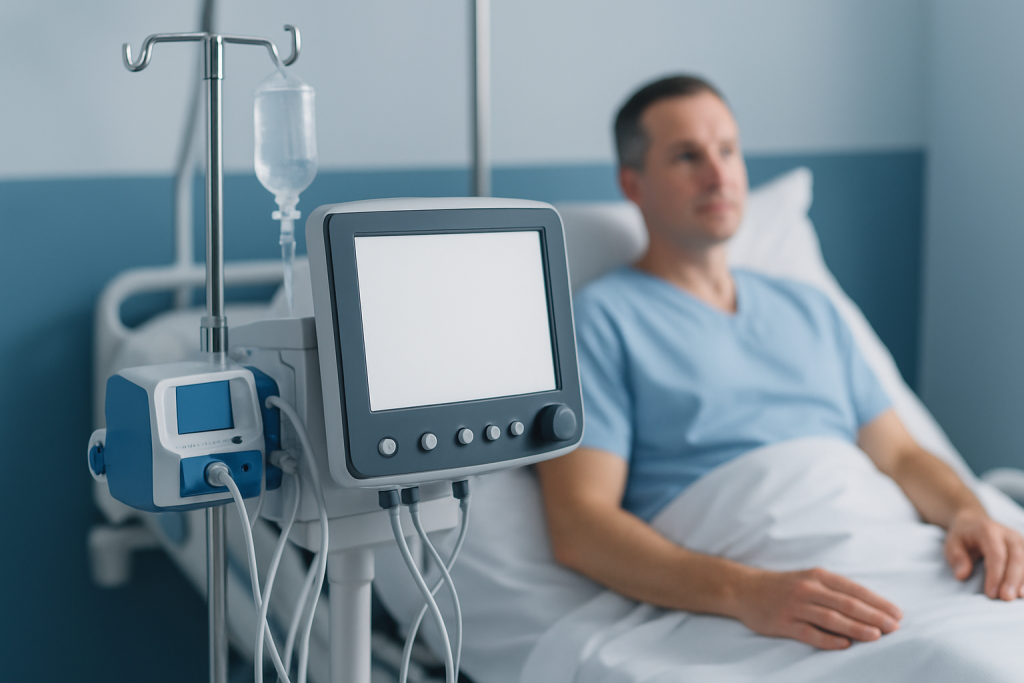
Different treatments carry very different travel considerations. After a minor outpatient procedure, you may be able to fly sooner than after a surgery that affects breathing, circulation, the abdomen, or movement. Procedures involving general anesthesia, drains, compression garments, or pain medication often need extra caution.
As a general idea, patients are often cleared earlier after low-risk, non-surgical care and later after operations that increase the risk of swelling or blood clots. But this is not a universal schedule, and it is not safe to rely on online averages alone. Your clinician will consider your age, medical history, flight duration, and whether you are traveling alone or with support.
Long-haul travel deserves special attention because being seated for many hours can make stiffness, dehydration, and circulation problems more likely. If your return trip involves connections, overnight layovers, or several transfers, the total strain may be greater than the flight time suggests.
Why flying too soon can be a problem

Air travel can amplify issues that are already present during recovery. Cabin pressure changes may worsen sinus, ear, or facial discomfort after some procedures, while reduced mobility during a flight can increase the chance of blood clots in patients who are already at higher risk.
Other common issues include fatigue, nausea, constipation, and trouble managing dressings or drains in a busy airport. If you are still using strong pain medication, you may feel drowsy or less alert, which affects your ability to navigate security, boarding, and baggage transfer safely.
There is also the practical side: if you are flying too soon and symptoms flare up in transit, getting help mid-journey can be difficult. That is why a planned delay, hotel rest day, or escort arrangement can be a better investment than trying to rush home.
Signs you should delay travel and call your team
Some recovery symptoms are expected, but others mean you should pause and get advice before flying. New or worsening shortness of breath, chest pain, leg swelling on one side, uncontrolled bleeding, fever, or a sudden increase in pain are all reasons to contact your care team promptly.
You should also ask for review if you cannot walk short distances without help, if you feel faint when standing, or if your wound is leaking more than expected. These issues may not always mean something serious is happening, but they do mean your travel plan needs reassessment.
When in doubt, do not use the airport as the place to discover a problem. Acibadem Health Point can help you reconnect with your clinical team before departure and, if needed, adjust your discharge documents or arrange a safer handoff for your trip home.
Making the journey easier: practical flight-day preparation
Once you have been told you can travel, focus on making the flight as simple as possible. Keep your essential medicines in your hand luggage, along with discharge paperwork, dressing supplies, and any letters needed for security or airline staff. If you have mobility limits, request wheelchair assistance in advance rather than waiting until you reach the terminal.
Plan for hydration, loose clothing, and regular movement during the flight if your condition allows it. A window seat may sound convenient, but an aisle seat is often more practical if you need to stand up frequently. If you have compression stockings or another prevention measure recommended by your team, wear or use them exactly as instructed.
It can also help to keep your return itinerary calm and direct. Fewer connections, less rushing, and a companion who knows your instructions can make a meaningful difference, especially after a procedure that leaves you tired or sore.
- Pack discharge notes and medication list in your carry-on
- Keep liquids, dressings, and prescribed items accessible
- Ask for airport mobility support early
- Choose travel clothes that do not press on wounds or swelling
- Build in time for rest before and after the flight
What Acibadem Health Point can organize before you leave
International patients often need more than a “you are fit to fly” conversation. You may need help understanding restrictions, confirming when to resume normal activity, and knowing who to contact if symptoms change after you arrive home. Acibadem Health Point’s international patient services are designed to make those handoffs clearer and calmer.
Where appropriate, the team can support you with interpreter access, discharge coordination, travel timing guidance, and accommodation planning if you need to stay in Turkey a little longer before departure. For some patients, that extra buffer is the safest part of the whole journey.
Because Acibadem hospitals are JCI-accredited and staffed by multidisciplinary teams, your return plan is usually considered alongside the rest of your care, not as an afterthought. That means your clinician, nursing team, and international patient coordinators can all contribute to a discharge plan that fits your real travel route, not an idealized one.
Step by step
- Ask for a flying timeline before discharge. Before you leave the hospital or clinic, ask your clinician when they want you to fly and whether they want any follow-up first. Do not assume a standard timeline applies to your procedure.
- Check the details of your route. A nonstop short flight is easier to manage than a long itinerary with connections and long waits. Share your full travel plan so the team can consider the actual strain of the journey, not just the time in the air.
- Review medicines and restrictions. Make sure you know when to take each medication, what side effects might affect flying, and whether anything should be avoided before boarding. If you take blood thinners, pain medicine, or antibiotics, confirm the plan in writing.
- Arrange help at the airport. If you may struggle with walking, lifting, or standing for long periods, request wheelchair or escort support in advance. This is especially useful if you are traveling alone or after a procedure that limits mobility.
- Pack for the first 24 hours home. Carry your discharge instructions, a small supply of dressings or medications, and contact details for follow-up. Think through what you will need the moment you land, not only once you are settled at home.
- Know when travel should wait. If you develop fever, heavy bleeding, chest symptoms, or a new leg problem, stop and seek medical advice before you fly. A delayed departure is usually safer than an uncertain one.
Your checklist
- Clear written approval to fly from your treating team
- Discharge summary and medication list in your hand luggage
- Any required documents for airlines or security
- Companion or escort arranged if mobility is limited
- Wheelchair assistance requested in advance, if needed
- Loose clothing and footwear for swelling or dressing comfort
- Enough medication for the trip plus a small extra margin
- Water and light snacks if permitted by your care plan
- Emergency contact details for your hospital and home clinician
Key takeaways
- There is no single safe flying time after treatment; procedure type and recovery status matter most.
- Long flights usually require more caution than short regional trips.
- Breathing problems, chest pain, fever, or unusual swelling are reasons to delay travel and get checked.
- Your care team should confirm when you are fit to fly and what precautions you need.
- Practical support such as wheelchair assistance, medication packing, and interpreter help can make the return trip safer.
Frequently asked questions
How soon can I fly after treatment?
There is no one-size-fits-all answer. Some patients can travel sooner after minor, low-risk care, while others need more time after surgery or anesthesia. Your treating team should give you a personalized timeline based on your procedure, symptoms, and travel distance.
Is it safer to fly home the same day after treatment?
Sometimes it is, but often it is not the best idea. If you are tired, nauseated, in pain, or still under the effects of anesthesia, a same-day flight may be hard to manage safely. Ask your clinician whether a recovery night in Turkey is wiser.
What makes flying after surgery risky?
The biggest concerns are reduced movement, dehydration, swelling, bleeding, and blood clots in higher-risk patients. Cabin pressure can also make some symptoms more noticeable, depending on the procedure. Your personal risk depends on your health and the type of surgery you had.
Do I need special paperwork to fly after treatment?
You may need a discharge summary, medication list, or a letter explaining any medical devices, dressings, or mobility support. Some airlines also want advance notice if you need wheelchair assistance or other accommodations. It is best to prepare these documents before you leave the hospital.
Can Acibadem Health Point help me plan my return flight?
Yes. The international patient services team can help coordinate discharge timing, interpret instructions, and point you toward travel or accommodation support if you need extra time before departure. That makes it easier to leave Turkey with a plan instead of a guess.
What if I feel unwell at the airport?
If you feel faint, have chest pain, shortness of breath, heavy bleeding, or a sudden new symptom, seek medical help right away and contact your care team. Do not board just to stay on schedule. A delayed flight is better than traveling while a warning sign is active.
More Patient Guides

Bin ich ein geeigneter Kandidat für eine Behandlung im Ausland?
Erfahren Sie, ob eine Behandlung im Ausland in Türkiye für Sie geeignet ist, was Sie vorbereiten sollten, wie die Beurteilung abläuft und…

Bin ich ein Kandidat für eine Behandlung im Ausland? Wichtige Fragen zur Eignung
Erfahren Sie, ob eine Behandlung im Ausland für Sie geeignet sein könnte: Was Sie prüfen sollten, welche Unterlagen hilfreich sind und wie…

Bin ich für eine Behandlung im Ausland geeignet?
Erfahren Sie, was eine Behandlung im Ausland sinnvoll macht, welche Unterlagen Sie vorbereiten sollten und wie Acibadem Health Point Ihnen bei der…

