

Can I Travel Home Right After Treatment?

Medically reviewed by the Acıbadem clinical team — June 13, 2026
This guide explains whether you can travel home right after treatment, what factors affect the timing, and how recovery, follow-up, and travel planning work for international patients in Turkey. It also covers safety considerations, warning signs, and how Acibadem Health Point helps you plan discharge and return travel responsibly.
At a glance
- Procedure type: Varies by treatment; this guide applies to procedures that may require short observation or a recovery period before flying home.
- Purpose: To help you understand when it is safe to travel after treatment and what needs to be in place before departure.
- Anesthesia: Depends on the procedure; local anesthesia, sedation, or general anesthesia may affect your travel timing.
- Hospital stay: May be outpatient or may require one or more nights in hospital, depending on the treatment and your condition.
- Estimated recovery: From the same day to several weeks, depending on the procedure and how your body responds.
- Return to daily life: Some patients return to light routines quickly, while others need a staged return after a follow-up review.
- Final result timeline: Varies widely; early healing may be visible within days or weeks, while final results can take months.
- Suitable department: Relevant across many departments, including surgery, orthopedics, ENT, aesthetics, dental, and general medicine.
- International patient support: Acibadem Health Point can assist with interpreter support, transfer planning, accommodation guidance, and remote follow-up after you return home.
What is this treatment?
This guide is not about one single operation or procedure. It is about the practical question many international patients ask after treatment in Turkey: can you travel home right away, or do you need to stay longer first?
The answer depends on the type of treatment you had, how you were anesthetized, whether you need wound care or monitoring, and how far you must travel. A simple outpatient procedure may allow you to leave the same day with medical clearance, while more complex surgery may require a hospital stay and a follow-up review before you board a plane.
At Acibadem Health Point, this decision is handled as part of your discharge planning, not as a last-minute guess. The team helps you understand what your recovery needs are, what the travel risks may be, and what must be in place before you go home.
When is it recommended?
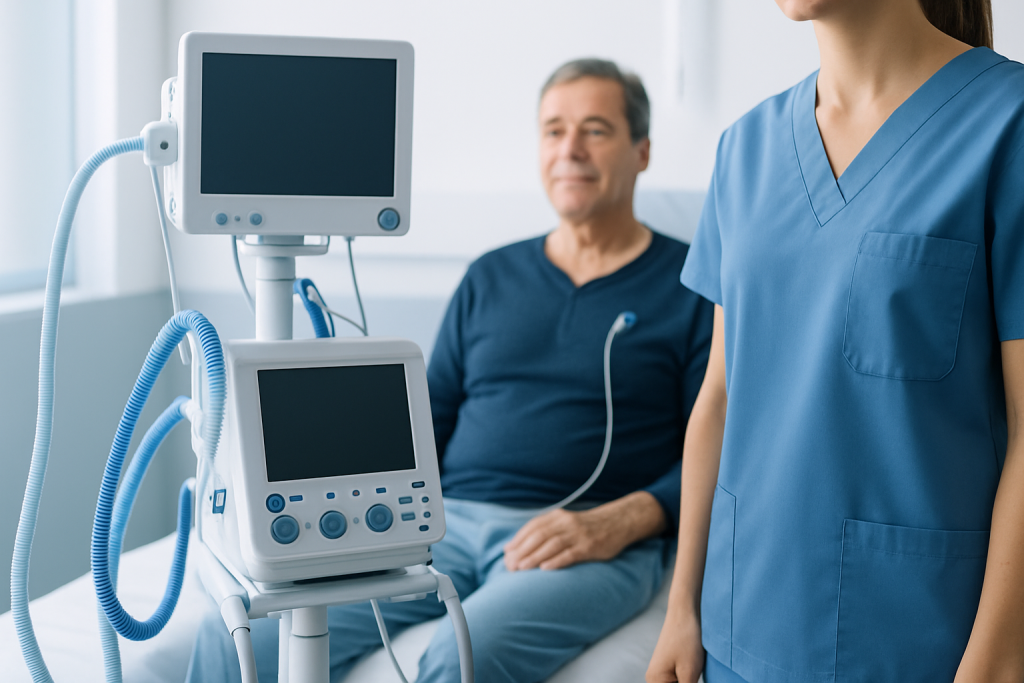
Travel home after treatment is recommended only when your medical team confirms that your condition is stable enough for the journey. This usually means your pain is controlled, you are able to move safely, any nausea or dizziness has settled, and there are no immediate signs of a complication.
For some treatments, especially those done under local anesthesia or brief sedation, same-day travel may be reasonable. For others, such as major surgery, procedures that affect breathing or mobility, or treatments with a higher risk of bleeding, your doctor may advise staying in Turkey for observation before flying.
Your destination matters too. A short regional flight is different from a long-haul journey with multiple connections. The longer and more complex the trip, the more important it is to plan recovery time, medication timing, and assistance at the airport and after arrival.
Who is a good candidate?

You may be a good candidate for early travel if your treatment was uncomplicated, your vital signs are stable, and you do not need ongoing hospital-level care. Patients who can walk safely, drink fluids, manage routine medications, and understand discharge instructions often do well with a carefully planned return home.
Early travel is less suitable if you have significant pain, active bleeding, infection risk, unstable blood pressure, breathing difficulty, severe swelling, or reduced mobility. It is also less suitable if the treatment requires close monitoring, repeat dressing changes, or a formal first postoperative check before departure.
Children, older adults, and patients with chronic conditions may need extra caution. If you take blood thinners, have a history of clots, or have other medical risks, your physician may recommend a longer stay or additional precautions during travel.
Treatment options
Because this guide applies across many types of care, the “treatment options” are really the different recovery pathways that affect when you can travel. For example, a same-day minor procedure may only require a short rest period, while a surgical treatment may need one or more nights of observation, dressing care, or physiotherapy before you leave.
In some cases, your plan may include an outpatient approach with a same-day discharge. In others, your doctor may recommend overnight monitoring, a staged discharge, or a return visit for wound check, lab review, or imaging before you fly. The safest option is the one that matches your medical needs, not the fastest departure.
Acibadem Health Point coordinates care across departments, so your treatment plan can reflect both the medical side and the travel side. If your procedure belongs to a specialty such as surgery, ENT, orthopedics, aesthetics, dental care, or internal medicine, your doctor will explain whether immediate travel, short observation, or delayed departure is the most appropriate choice.
Online evaluation before travel
Before you come to Turkey, an online evaluation helps the team understand your diagnosis, your expectations, and whether treatment is appropriate for you. It also gives you a first estimate of how long you may need to stay, which is especially useful if you are hoping to return home quickly.
During this review, you may be asked to share medical reports, recent test results, medication lists, and photos or imaging if relevant. The physician can then advise whether the procedure is likely to be outpatient, whether post-treatment observation is usually needed, and what travel restrictions may apply.
This step does not replace an in-person consultation, but it reduces uncertainty. It also helps Acibadem Health Point organize interpreters, transfer timing, and appointments so your first days in Turkey run smoothly and your return journey is planned from the beginning.
Before the treatment
Before treatment, your medical team may ask you to fast for a set period, pause certain medicines, or arrange a companion to travel with you. The exact instructions depend on the procedure and your health profile, so you should follow the written guidance you receive rather than relying on general travel advice.
It is helpful to prepare practical items in advance: comfortable clothing, any prescribed medications, essential documents, and a way to stay reachable after discharge. If you have limited mobility or anticipate fatigue, make sure your travel plans allow for extra time at the airport and on arrival home.
You should also discuss the return date early, even if it may change later. That way, your care team can align your hospital schedule, discharge checks, and any required follow-up with your flight plans instead of leaving them to the final day.
What happens during the treatment
The exact treatment process depends on your procedure, but the general sequence is similar: you are prepared, the treatment is performed, and then you are monitored for your immediate response. During this period, the medical team looks for pain control, stable vital signs, bleeding, swelling, nausea, and your ability to move or drink safely if needed.
If anesthesia was used, your reaction afterward matters for travel timing. Drowsiness, slowed reflexes, or nausea may make it unsafe to travel right away. If your procedure was more invasive, the team may want to check that you are recovering as expected before discharge is even considered.
When you are treated at Acibadem, the aim is not just to complete the procedure, but to make sure the handoff to recovery is clear. You should leave with instructions that explain what is normal, what is not, which medicines to take, and who to contact if your condition changes after you go home.
Hospital stay and discharge
Some patients are discharged the same day, while others stay in hospital overnight or longer. The length of stay is based on the treatment itself, your recovery pace, and whether the doctor wants to observe you before authorizing travel.
Discharge is usually more than simply being “sent home.” It includes a review of your condition, guidance on medicines and wound care, advice about activity limits, and confirmation that you are fit for the journey. If you are flying, your team may also consider how long you will be seated, whether you need compression or mobility measures, and whether a companion should assist you.
For international patients, this stage is especially important because once you leave Turkey, immediate access to your treating team is no longer physical. Acibadem Health Point can help make the discharge process organized and understandable so you have a clear plan before you travel.
Recovery timeline
Recovery timing varies by treatment, but the first few days are usually the most important for deciding when you can travel and what support you need. Your doctor will base the return-home decision on your symptoms, your mobility, and any signs that the body is still settling after the procedure.
| Timeframe | What to expect |
|---|---|
| First 24 hours | Rest, monitoring, possible drowsiness, swelling, mild pain, or nausea depending on the treatment and anesthesia. Travel may be delayed if you are not fully stable. |
| First week | Symptoms often begin to improve, but you may still need medication, wound care, or restricted activity. A doctor may want to review you before long-distance travel. |
| Weeks 2-4 | Many patients return to more routine activities, though heavier exertion, sport, or certain movements may still be restricted. Some procedures are still healing internally. |
| Months 1-3 | Function and comfort often continue to improve. Final appearance or full functional recovery may still be evolving, depending on the treatment. |
| Final result | Can take several months or longer. Results vary, and some treatments may need follow-up adjustments or additional care. |
Your own recovery may be faster or slower than these broad stages. If you are unsure whether you are ready to fly, it is safer to ask for reassessment rather than assume that feeling “mostly better” is enough for travel.
What to avoid after treatment
After treatment, avoid activities that could increase bleeding, swelling, pain, or strain on the treated area. That may include heavy lifting, intense exercise, smoking, alcohol, long periods without moving, or any activity your doctor has specifically restricted.
You should also avoid making travel decisions based only on convenience. A flight home that is too early can be uncomfortable at best and unsafe at worst, especially if you still need monitoring, dressing changes, or pain control that is not yet stable.
Follow every discharge instruction, including medicine timing, hydration, wound care, compression use if prescribed, and movement advice. If your doctor says you should rest in Turkey for a few more days, that recommendation is part of your recovery plan, not a delay for its own sake.
Risks and possible complications
Every treatment carries some degree of risk, and travel soon after a procedure can make certain complications harder to manage. Possible issues may include pain flare-up, bleeding, swelling, dehydration, nausea, faintness, infection, or discomfort related to prolonged sitting or flying.
Some patients also face procedure-specific risks such as impaired mobility, breathing concerns, clot risk, or delayed wound healing. The likelihood and seriousness of these risks vary widely based on your treatment, your age, your medical history, and how you recover in the first hours or days.
Your doctor’s advice about staying longer in Turkey, using support measures during travel, or delaying your flight is meant to reduce these risks. The safest plan is always the one tailored to you after an actual medical assessment.
Warning signs: when to contact a doctor
If you notice any concerning change before you travel home or after you have left, contact a doctor promptly. Do not wait for your next scheduled review if the symptoms are escalating or feel unusual for your recovery stage.
- Heavy or increasing bleeding
- Sudden shortness of breath or chest pain
- Fever, chills, or signs of infection
- Severe or worsening pain not relieved by prescribed measures
- Rapid swelling, redness, warmth, or discharge from a wound
- Persistent vomiting, inability to keep fluids down, or dehydration
- Fainting, confusion, or unusual drowsiness
- New leg swelling, calf pain, or difficulty walking
- Any symptom that feels clearly worse instead of gradually better
If you are still in Turkey, seek urgent help through your treating team or the hospital. If you are already home, use local emergency services if symptoms are severe or involve breathing, bleeding, chest pain, or sudden collapse.
Results and expectations
Most patients want one simple answer: “Will I be fine to go home?” The more accurate answer is that many people can travel home safely after treatment, but only when their recovery allows it. Some patients feel well enough quickly, while others need more time even after a technically successful procedure.
Results also take time. Early improvement does not always mean full healing, and final outcomes may not be visible for weeks or months depending on the procedure. In some cases, the body heals differently than expected and a revision, adjustment, or additional treatment may be discussed later.
It is best to think of travel home as one milestone in a longer care pathway. Acibadem Health Point helps you understand that pathway realistically so you know what is normal, what needs review, and when to expect the next stage of recovery.
International patient travel planning
Travel planning starts before your flight to Turkey and continues until you are safely back home. If you want to leave quickly after treatment, it helps to build that intention into the plan early so the hospital schedule, hotel booking, airport transfer, and follow-up timing all support the same goal.
Practical details matter more than many patients expect: the distance from hospital to airport, whether you will need assistance with luggage, how long you will be seated, and whether someone can help you at home on arrival. A direct journey is usually easier to manage than multiple transfers, especially after surgery or sedation.
Acibadem Health Point can help with interpreter support, transfer coordination, accommodation guidance, and remote follow-up after you return home. That support is especially valuable if your discharge needs to be matched precisely with your flight schedule or if you need a check-in after you are back in your own country.
Cost and package information
The total cost of treatment-related travel depends on the procedure, the specialty involved, the length of hospital stay, the type of anesthesia, the need for implants or devices, and whether you require extra tests, imaging, or follow-up visits. Your overall plan may also change if your doctor advises a longer stay before you can fly home safely.
Packages typically vary in what they include. They may cover the medical consultation, procedure, standard hospital services, nursing care, discharge documentation, and some coordination support. They may not include flights, visas, hotel upgrades, companion expenses, medicines after discharge, extra nights caused by recovery needs, or treatment of unexpected complications.
Because every case is different, Acibadem Health Point provides individualized quotations after medical review rather than generic estimates. This helps you understand what is medically necessary, what is optional, and which parts of the journey you will arrange yourself.
Why choose Acibadem
When you are deciding whether to travel home right away, the quality of the discharge process matters as much as the procedure itself. Acibadem Health Point works within JCI-accredited hospitals and multidisciplinary teams, which supports consistent assessment, clear communication, and structured discharge planning for international patients.
You also benefit from practical services that reduce stress when you are recovering away from home. Interpreters help you understand instructions accurately, transfers can be organized around your medical timing, and remote follow-up makes it easier to stay in touch with your team after you leave Turkey.
Just as importantly, the advice you receive is meant to be medically grounded rather than convenient. If the safest choice is to stay longer, your team will tell you that clearly and help you plan the next steps with as little disruption as possible.
Medical review and disclaimer
This guide has been reviewed by the Acibadem Health Point medical team and is provided for general information only. It does not replace an in-person consultation, and it should not be used to decide on treatment or travel without physician guidance.
Suitability for treatment, discharge, and travel home depends on your diagnosis, procedure, anesthesia, examination findings, test results, and recovery progress. Only a qualified physician who evaluates you directly can determine whether you are fit to travel and what precautions you need.
If you are considering treatment in Turkey and want to know whether you can travel home right after, please ask for a personalized assessment. That is the safest way to balance recovery, comfort, and travel plans.
Step by step
- Initial contact. You reach out with your treatment question and your target travel dates so the team can understand whether same-day departure, short observation, or a longer stay is likely.
- Medical record / photo submission. You send reports, test results, medication lists, and relevant photos or imaging so the team can assess your case before you travel.
- Preliminary medical review. A specialist reviews your information and considers whether the treatment is suitable, what recovery time may be needed, and whether early travel is realistic.
- Treatment plan and quotation. You receive a personalized plan that explains the proposed treatment, expected hospital stay, follow-up needs, and the main factors affecting cost.
- Travel planning. Your arrival date, hotel stay, transfer needs, and possible discharge window are coordinated so your recovery and return flight can be aligned.
- Arrival. You arrive in Turkey and are met according to your arranged transfer plan, with interpreter support available if needed.
- In-person consultation. Your doctor examines you, confirms the plan, answers questions about travel timing, and finalizes whether treatment can proceed as planned.
- Pre-operative tests. If needed, blood work, imaging, or other evaluations are completed to confirm safety and help guide discharge and travel decisions.
- Treatment. The procedure is performed with the anesthesia and monitoring appropriate for your case, followed by observation of your immediate recovery.
- Hospital stay. You remain under observation if your doctor wants to monitor pain, bleeding, mobility, breathing, or other short-term recovery issues.
- First control. A first check is carried out to confirm that healing is on track and that you are suitable for discharge or travel home.
- Discharge / travel clearance. You receive your written instructions, medications, and clearance to travel only when your doctor confirms it is medically appropriate.
- Remote follow-up. After you return home, the team can continue follow-up remotely so you can ask questions and share updates on your recovery.
Your checklist
- Passport or official travel ID
- Recent medical reports and test results
- List of all current medications
- Allergy information and previous reactions to anesthesia or medicines
- History of previous surgeries or procedures
- Details of any chronic conditions such as diabetes, heart disease, clotting issues, or asthma
- Current symptoms and how long they have been present
- Relevant imaging, scans, or pathology reports if applicable
- Clear photos or videos if they were requested for evaluation
- Flight details or planned travel dates
- Contact information for your local doctor or caregiver at home
Key takeaways
- Whether you can fly home right away depends on the treatment, anesthesia, and your immediate recovery.
- Some outpatient procedures allow same-day departure, but many treatments need observation or a short stay first.
- You should only travel once your doctor confirms you are medically fit to fly and your pain, bleeding, or mobility are under control.
- Bring the right documents, medicines, and discharge instructions so you can continue care safely after you leave Turkey.
- If you develop red-flag symptoms before travel, you may need urgent reassessment rather than immediate departure.
Frequently asked questions
Can I travel home right after treatment?
Sometimes yes, but not always. Whether you can go home the same day depends on the treatment, the anesthesia, and how you recover immediately afterward. Your doctor should confirm that you are stable and fit to travel before you leave.
How do I know if I need to stay in Turkey longer?
You may need a longer stay if you have pain that is not controlled, active bleeding, dizziness, nausea, swelling, mobility problems, or any concern that needs observation. Your doctor may also recommend staying longer if the procedure was more complex or if your flight is long.
Is it safe to fly after anesthesia?
It can be safe in some cases, but not immediately for everyone. Sedation and general anesthesia may leave you drowsy, nauseated, or less steady for a period of time, which is why your medical team should advise you individually. Do not fly until you have been cleared.
How long will I need in Turkey before I can return home?
That varies widely by procedure and by how quickly you recover. Some patients leave the same day, while others stay one night or several days for observation and follow-up. The safest estimate comes after your records are reviewed and you are examined in person.
What should I bring for the return journey?
Bring your discharge paperwork, medicines, passport, flight information, and any support items your doctor recommends, such as dressings, compression wear, or mobility aids. It is also wise to keep your medical summary in your hand luggage in case you need it during travel.
What if I feel worse after I leave the hospital?
You should contact your treating team promptly if the change is unexpected or concerning. If you have severe symptoms such as chest pain, breathing difficulty, heavy bleeding, or fainting, seek urgent medical help immediately rather than waiting for a routine follow-up.
What affects the cost of treatment and my stay?
Cost factors usually include the procedure itself, anesthesia, hospital stay, tests, medicines, and any extra recovery days. If your doctor advises you to stay longer before flying, that can also affect accommodation and support needs. Your quotation should explain what is included and what is not.
Will I get enough follow-up after I go home?
Yes, if your care plan is organized properly. Acibadem Health Point can arrange remote follow-up so you can share updates, ask questions, and receive guidance after you return home. Some treatments may also require a local doctor for ongoing care.
Are results immediate?
Not usually. Even when the treatment itself is completed in Turkey, recovery and the final outcome can take time to settle. Swelling, bruising, fatigue, or healing changes can continue after you return home, so expectations should be based on the full recovery timeline.
Can I travel alone?
It depends on the treatment and how you feel after it. Some patients can travel alone safely after minor procedures, but many are better off with a companion, especially after surgery, sedation, or if mobility is limited. Your doctor can advise you based on your actual condition.
More Patient Guides

What Companions Should Know Before Surgery in Turkey
Know how to support a loved one before surgery in Turkey, from travel and paperwork to hospital routines, rest, and communication.
8 min read
Special Needs Travel Checklist Before Surgery in Turkey
Plan a smoother surgery trip to Turkey with a practical special needs checklist for mobility, documents, medications, and support needs.
8 min read
Hidden Costs to Check Before Medical Travel
See the hidden costs of medical travel before you book: travel, stays, tests, time off, and follow-up so you can plan clearly.
8 min read
