

How to Prepare for a Telehealth Consultation Before Travel

Medically reviewed by the Acıbadem clinical team — June 12, 2026
A telehealth consultation can help you make informed decisions before you travel for care, but only if you come prepared. This guide shows you how to organize your records, test your technology, and use the appointment well so your next steps are clear and calm.
At a glance
- Best for: International patients planning care before traveling
- What you need: Medical records, medications list, ID, and a stable video connection
- Appointment goal: Clarify suitability, timing, logistics, and next steps
- Typical format: Video call or phone consultation with a care coordinator or specialist
- Helpful support: Interpreter assistance, travel coordination, and document review
- Why it matters: Helps you reduce uncertainty before booking flights and accommodation
Why a telehealth consultation is worth doing before you book anything
A telehealth consultation gives you a chance to speak with a care team before you commit to travel. For international patients, that early conversation can prevent avoidable back-and-forth later, especially when you need to understand whether your case is suitable for remote review, what information the team needs, and how timing may affect your trip.
Think of the appointment as a planning checkpoint rather than a final decision. You are not just asking, “Can I come?” You are also finding out what records are missing, whether additional tests are needed, and how long you should expect to stay once you arrive. At Acibadem Health Point, international patient services can help you keep that planning practical, with coordination that fits the realities of traveling for care.
A good telehealth consultation should leave you with a clearer picture of the next step, not a pile of vague instructions. If you prepare well, you can use the time to get specific answers about your options, the likely process, and the documents you should keep ready for travel.
What to gather before the call so you are not scrambling later
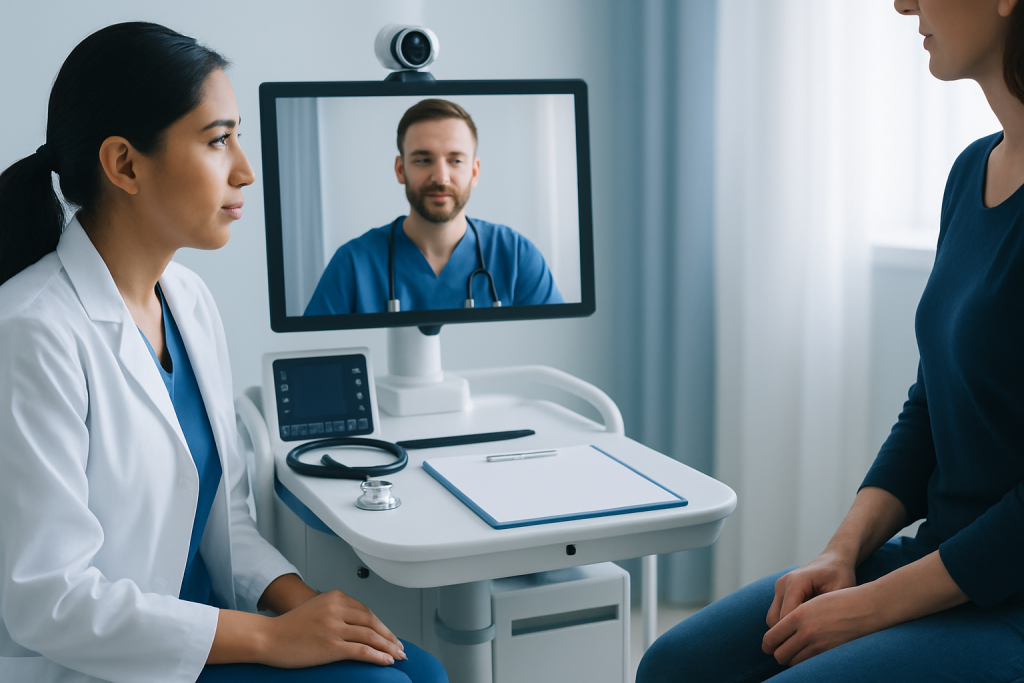
The most useful telehealth calls begin with organized information. Before the appointment, collect any reports that explain your condition, recent test results, imaging files if available, a list of medications and supplements, allergy information, and a short summary of past treatments or procedures. If you have had care in more than one country, include the dates and the names of facilities when you can.
It also helps to write down your current symptoms in plain language. Note when they started, what makes them better or worse, and whether they affect daily activities, sleep, travel, or work. If you are considering care abroad, include any practical constraints that matter, such as the dates you can travel, whether you will need a companion, or whether you have limited mobility.
- Recent medical reports and discharge summaries
- Imaging or lab results, if you have them
- Medication names, doses, and schedules
- Allergies and previous reactions to treatment
- A short timeline of your symptoms and prior care
If something is missing, do not delay the appointment unnecessarily. Bring what you have and be ready to say what you cannot access yet. A coordinated team, such as the one at Acibadem Health Point, can often tell you which documents are essential now and which can follow later.
How to make the technology part of the appointment boring in the best way

Technical issues are easiest to avoid when you test everything before the day of the call. Check your internet connection, camera, microphone, speakers, and any app or link you were given. If you are joining from a different time zone, confirm the appointment time in your local time and set a reminder that reflects that difference.
Choose a quiet place with enough light so the clinician can see you clearly. If you may need an interpreter, ask in advance rather than waiting until the call starts. Acibadem Health Point’s international patient services can help make those arrangements smoother, which is especially useful when you are balancing language, time zones, and travel planning at the same time.
Have a backup plan in case your connection fails. Keep the clinic’s contact details nearby, and ask whether you should reconnect through a different link, switch to phone, or wait for a callback. A few minutes of preparation can keep the conversation focused on your care instead of on troubleshooting.
Questions that help you leave with a real plan
The most valuable questions are the ones that turn a general discussion into an action list. Ask what the consultation can and cannot determine remotely, whether you need further tests before travel, and what kind of appointment you should schedule next. If there are multiple treatment paths, ask how the team decides which one fits your situation best.
You should also ask about practical travel details. Will you need to stay in Turkey for a certain number of days? Should you bring original reports or digital copies? Is there anything you should avoid before you travel, such as changing medications on your own or booking nonrefundable flights too early?
If you have concerns about comfort, mobility, anxiety, or aftercare, say so clearly. International care works best when the team understands not only your diagnosis but also your real-world situation. The goal is to leave the call knowing what happens next, who will help, and what you need to do on your side.
What to expect after the consultation ends
After the call, review your notes while the conversation is still fresh. You may receive a summary, document request, or proposed next step, depending on your case. Read everything carefully and check that you understand which items are urgent and which can wait.
This is the time to organize your travel planning around medical reality instead of the other way around. If more information is needed, send it promptly. If your care plan is moving forward, start thinking about visas, flights, accommodation, and who will accompany you, while keeping the clinic informed about your timing.
At Acibadem Health Point, the international patient journey is designed to reduce unnecessary guesswork at this stage. That means helping you line up your documents, transfer your records, and coordinate the practical steps that come after the telehealth consultation rather than leaving you to interpret the process alone.
Small details that make a big difference for international patients
When you are arranging care from another country, the small details often determine how smooth the experience feels. Make sure your full name matches across your passport, medical documents, and booking details. Keep digital copies of your records in a folder you can access while traveling, and save the contact information for the patient team in more than one place.
It is also wise to think ahead about your support system. If a family member or companion is helping you, decide who will join the call and who will handle logistics afterward. If language is a concern, ask about interpreter support early so you are not trying to solve that problem at the last minute.
Most of all, use the consultation to reduce uncertainty. A clear conversation before travel can help you arrive better prepared, avoid unnecessary delays, and feel more confident about the plan. That is especially important when your care involves another country, another time zone, and a schedule you want to manage carefully.
Step by step
- Confirm the purpose of the appointment. Before you log on, decide what you need from the call: a suitability review, a second opinion, help planning travel, or a discussion of next steps. If you are clear about your goal, the conversation is usually more efficient and useful. You can also share that goal at the start so the clinician knows how to structure the call.
- Collect your records in one place. Put your reports, scans, medication list, and any prior correspondence into a single folder, whether digital or printed. If you have documents in more than one language, keep the originals and any translated versions together. This makes it easier for the team to review your case without delays.
- Check time zones and tech early. Confirm the exact appointment time in your local time zone and test your device ahead of the call. Charge your battery, check your internet, and make sure you know how to join. If you need an interpreter or a companion on the call, arrange that before the appointment begins.
- Prepare your questions in writing. Write down the questions you do not want to forget, especially those about timing, travel length, and what happens after the consultation. Keep them in order of priority so the most important ones are answered first. This helps you stay focused if the call moves quickly.
- Be honest about symptoms and limitations. Describe what you are feeling now, not just what appears in your records. Mention pain, fatigue, mobility issues, anxiety, medication side effects, or anything that affects travel. Clear, practical details help the team understand your situation more accurately.
- Clarify next steps before the call ends. Before hanging up, make sure you know what happens next, who will contact you, and what documents or tests are still needed. If anything is unclear, ask for it to be repeated in simpler terms. A short recap can save days of confusion later.
- Save every instruction and contact detail. After the appointment, keep a note of the agreed plan, the team’s contact information, and any deadlines you were given. Store it somewhere you can access while traveling. If you are working with Acibadem Health Point, keep all coordination messages together so you can reference them quickly.
Your checklist
- Medical reports, imaging, and lab results
- List of current medications and supplements
- Allergy information and previous reactions
- Passport name matching your appointment details
- Questions written down in priority order
- Stable internet connection and charged device
- Quiet, well-lit place for the call
- Interpreter or companion arranged if needed
- Clinic contact details saved for backup
- A folder for follow-up documents and instructions
Key takeaways
- Prepare your medical documents before the appointment so the team can review your case efficiently.
- Use the consultation to ask about travel timing, required tests, and what happens next.
- Test your technology early and arrange interpreter support if you need it.
- Keep your records and contact details organized for the journey ahead.
- A telehealth consultation is a planning step, not a final promise, so clarity matters more than speed.
Frequently asked questions
What should I send before a telehealth consultation before travel?
Send the documents that best explain your current situation: recent reports, imaging, lab results, medication lists, allergy information, and any previous treatment summaries. If you are missing some items, share what you have and say what is still pending. That gives the team a starting point and helps prevent delays.
How early should I schedule the consultation before I travel?
It is best to arrange it early enough that you still have time to gather records, ask follow-up questions, and adjust your travel plans if needed. Many people find it helpful to do this before booking nonrefundable flights or accommodation. That way, you can make decisions based on a clearer medical picture.
Can I use a telehealth consultation if I need an interpreter?
Yes, and it is better to request interpreter support in advance rather than during the call. That helps the appointment move more smoothly and reduces the risk of misunderstandings. Acibadem Health Point’s international patient services can assist with language coordination when needed.
What if I do not have all my medical records yet?
Do not cancel the appointment just because one file is missing. Bring the records you can access and be ready to explain your history as clearly as possible. The team can tell you which missing documents are essential and which can be sent later.
Will the consultation confirm my treatment plan?
A telehealth consultation may help the team review your case, discuss possible options, and explain what information is still needed. In many situations, the final plan depends on a fuller assessment or additional tests. It is best viewed as an important step in planning, not a guarantee of a specific outcome.
Should a family member join the call with me?
If a family member helps you manage decisions, travel, or follow-up care, it can be useful for them to join. They can help take notes and remember details after the call. Just let the team know in advance so everyone understands who will be on the appointment.
What happens after the consultation if I decide to travel?
You will usually move into the practical planning stage: confirming documents, arranging travel, and coordinating any next appointments. Keep the written instructions handy and respond promptly if the team asks for more information. This is where good organization makes the rest of the journey easier.
More Patient Guides

Travel Insurance for Treatment in Turkey
Plan treatment in Turkey with confidence: learn how travel insurance works, what to check, and how to prepare for medical travel.
8 min read
Hidden Costs to Check Before Medical Travel
See the hidden costs of medical travel before you book: travel, stays, tests, time off, and follow-up so you can plan clearly.
8 min read
How to Review a Medical Quote Before Travel
Learn how to review a medical quote before travel, compare inclusions, check exclusions, and avoid surprises before you book care abroad.
8 min read
