

Radiation Oncology
Precision radiotherapy and radiosurgery using advanced linear accelerators and image-guided techniques.

Medically reviewed by the Acıbadem clinical team — June 12, 2026
Radiation oncology is the medical unit that treats cancer with radiotherapy — precisely targeted radiation that destroys cancer cells while sparing as much healthy tissue as possible. At Acıbadem International, radiotherapy is never delivered in isolation: every patient’s plan is agreed within a multidisciplinary tumor board alongside medical oncology, surgery and imaging, so that radiation, drug therapy and surgery work together as one strategy against the cancer. For people travelling from abroad for cancer treatment, that combination of modern radiotherapy technology and genuinely coordinated care is exactly what gives the best chance of a good outcome.
This page explains what the radiation oncology unit covers, the cancers it treats, how treatment is planned, the techniques available, and how international patients are supported through what is often a demanding journey.
What the radiation oncology unit covers
Radiation oncology uses carefully planned, precisely delivered radiation to treat cancer, and the unit is organized so that the right technique is applied to each situation. Its main areas of work include:
- External beam radiotherapy — precisely targeted radiation delivered from outside the body.
- Advanced precision techniques — including intensity-modulated and image-guided radiotherapy.
- Stereotactic radiotherapy and radiosurgery — highly focused treatment for selected tumors.
- Radiotherapy as part of combined treatment — alongside surgery and drug therapy.
- Palliative radiotherapy — to relieve symptoms and improve comfort where appropriate.
Radiation is one of the three main pillars of cancer treatment, alongside surgery and drug therapy. Because the best results usually come from combining these in the right way, radiotherapy is planned within a multidisciplinary team rather than chosen in isolation.
Cancers we treat
The unit treats a wide range of cancers with radiotherapy, either as a primary treatment or as part of a combined plan. Common situations include:
- Breast cancer — often after surgery to reduce the risk of recurrence.
- Prostate cancer — where radiotherapy can be a primary treatment.
- Lung and other thoracic cancers.
- Head and neck cancers.
- Brain tumors — including with stereotactic techniques, alongside neurosurgery.
- Gastrointestinal, gynecological and many other cancers.
Many patients arrive with a cancer diagnosis from home and an urgent need for a clear, coordinated plan. The unit’s role is to determine whether and how radiotherapy fits into that plan, and to deliver it precisely and safely as part of the whole strategy.
How treatment is planned
Precision in radiotherapy begins long before the first treatment, with careful planning that is one of the most important parts of the process. Planning typically involves:
- Detailed imaging — CT, and often MRI or PET, to define exactly where the tumor is.
- Target definition — mapping precisely what should be treated and what should be protected.
- Dose planning — calculating how to deliver an effective dose to the tumor while sparing healthy tissue.
- Quality checks — verifying the plan before treatment begins.
This planning draws on the hospital group’s medical technologies, radiology and, where relevant, nuclear medicine, and the overall strategy is agreed by the tumor board. For international patients, the planning process and tumor-board review can begin from reports and imaging shared remotely, so that a clear plan is in place before travel.
Techniques and treatments
The unit uses modern radiotherapy techniques, choosing the approach that delivers the most effective, precise and safe treatment for each cancer.
External beam radiotherapy
The most common form of radiotherapy delivers precisely targeted radiation from outside the body over a planned course of sessions. Modern delivery is highly accurate, shaping the radiation to the tumor and limiting the dose to surrounding tissue.
Intensity-modulated and image-guided radiotherapy
Advanced techniques allow the radiation dose to be shaped very precisely around the tumor, and imaging during treatment helps ensure accuracy. Together, these reduce the dose to healthy tissue, which can improve safety and reduce side effects.
Stereotactic radiotherapy and radiosurgery
For selected tumors, highly focused techniques deliver a very precise, concentrated dose, sometimes in a small number of sessions. These approaches are used where they are appropriate, including for some brain tumors in cooperation with neurosurgery.
Radiotherapy within combined treatment
Radiotherapy is frequently combined with surgery and drug therapy — for example, after surgery to reduce recurrence, or alongside chemotherapy. The sequence and combination are decided by the tumor board so that each element supports the others. Specific treatments can be explored in the treatments library.
The multidisciplinary tumor board
The single most important feature of modern cancer care is the multidisciplinary tumor board — radiation oncologists, medical oncologists, surgeons, radiologists and pathologists reviewing each case together and agreeing the best plan. This matters because most cancers are best treated with a combination of approaches in the right sequence, and no single specialty should decide that alone. At Acıbadem International, radiotherapy is always planned within this team, so the treatment a patient receives reflects combined expert judgment. For international patients, this coordinated approach — and the reassurance of a clear, considered plan — is precisely what cancer care should provide.
Technology and precision
Radiation oncology is among the most technology-driven fields in medicine, because effective, safe radiotherapy depends on extraordinary precision. The unit uses detailed imaging to define the target, advanced planning to shape the dose, and image-guided delivery to treat accurately, all aimed at destroying cancer while protecting healthy tissue. But technology serves a coordinated strategy: the decision of whether, when and how to use radiotherapy is made by the tumor board, so precision in delivery is matched by sound judgment in planning. This combination is what underpins good radiotherapy outcomes.
Managing side effects and supportive care
Radiotherapy is generally well tolerated, but it can cause side effects depending on the area treated, and the unit pays careful attention to managing these. Patients are informed in advance about what to expect, monitored during treatment, and supported with measures to ease side effects and maintain wellbeing. Supportive care — including attention to nutrition and, where helpful, other specialties — is part of the approach, because treating the cancer well also means caring for the patient throughout. The unit is honest and clear about side effects so that patients are prepared rather than anxious.
Your multidisciplinary team
Your care may involve a radiation oncologist, medical physicists, radiation therapists, a medical oncologist, surgeons and specialist nurses, all working within the tumor board. The physicians who lead this unit are listed on the doctors page, and treatment is delivered across Acıbadem’s accredited hospitals, which maintain international quality and safety standards.
The international patient journey
Radiotherapy follows a planned course, so travel needs careful coordination. The unit is organized to make this clear and supportive for international patients.
1. Remote review of your case
You begin by sharing your diagnosis, pathology and imaging. The team reviews them, often within the tumor board, and provides an opinion on whether and how radiotherapy fits into your plan. A second opinion is available — entirely remotely, before you commit to travel.
2. A clear plan and timeline
If treatment in Turkey makes sense, you receive a plan describing the recommended approach, how the course would be delivered, how long you would need to stay, and what to expect. Because radiotherapy is delivered over a planned course, the timeline is set out clearly.
3. Coordinated treatment
A dedicated coordinator arranges your planning scans, treatment course, accommodation, interpreting and travel logistics. Your plan is confirmed and quality-checked before treatment begins.
4. Follow-up
You receive clear documentation and a follow-up plan to continue at home, and the team remains reachable for questions. To begin, request an online consultation.
Why patients choose Acıbadem for radiotherapy
Acıbadem International offers experienced radiation oncologists, modern radiotherapy technology, a true multidisciplinary tumor board, and well-coordinated international patient support — all within accredited hospitals. For patients travelling for cancer treatment, the combination of precise technology and genuinely coordinated care is what sets the experience apart: the radiotherapy a patient receives is part of one strategy agreed by the whole cancer team, not an isolated treatment. The unit aims to treat cancer as effectively and safely as possible, with the depth of a leading medical system behind it.
What to expect and practical notes
A course of radiotherapy is usually delivered over a planned series of sessions, and your coordinator plans your stay around the full course. The unit is honest about what treatment involves, including possible side effects, so you are prepared. Importantly, radiotherapy is recommended only where it genuinely benefits the patient as part of the overall plan; the decision is made by the tumor board, not in isolation. Throughout, the aim is to deliver effective treatment precisely while caring for your wellbeing, with clear information at every step.
Coordinated care across the cancer journey
Cancer treatment almost always involves more than one approach, and treatment within a large hospital group means the right experts work together. Radiotherapy is planned alongside medical oncology and surgery; imaging is supported by radiology and nuclear medicine; and brain tumors are treated in cooperation with neurosurgery. Supportive care, nutrition and rehabilitation are available within the same group. This joined-up approach means a patient’s cancer journey is managed as a connected whole, which matters enormously in treatment as complex and high-stakes as cancer care.
Understanding how radiotherapy works
Radiotherapy works by delivering carefully measured doses of radiation to a tumor, damaging the cancer cells so that they cannot continue to grow and divide, while healthy cells in the surrounding area are given the best possible chance to recover. The treatment is invisible and painless at the time it is given, much like having an imaging scan, and it is usually delivered in a series of sessions spread over a planned period. This fractionation — dividing the total dose into smaller daily treatments — is deliberate, allowing healthy tissue to recover between sessions while the cumulative effect on the tumor builds. Understanding this helps patients see why a course of radiotherapy takes the form it does, and why attending each planned session matters. The unit explains the approach for each patient clearly, so that what can feel like an abstract or daunting treatment becomes something understandable and manageable. For many cancers, radiotherapy is a powerful and well-established treatment, used either on its own or as part of a combined strategy.
Why precision matters so much
The central challenge of radiotherapy is to deliver enough radiation to control the cancer while protecting the healthy tissue nearby, and this is why precision is everything. Modern planning begins with detailed imaging that defines exactly where the tumor is and what surrounds it, allowing the team to shape the radiation to the target and limit the dose elsewhere. During treatment, imaging helps confirm that the radiation is delivered accurately each time. The more precisely radiation can be focused, the more effectively the tumor can be treated and the lower the risk to healthy tissue — which is why advanced techniques such as intensity-modulated and image-guided radiotherapy represent such an important advance. The unit’s investment in precision is not technology for its own sake; it is directly in the service of treating cancer effectively while caring for the patient’s wider wellbeing, and it is one of the reasons modern radiotherapy is so much more refined than in the past.
What a course of treatment is like
For most patients, a course of external beam radiotherapy involves attending for short, regular sessions over a planned period, with each individual session typically taking only a short time. Before the course begins, a planning session and scans are carried out to design the treatment precisely, and the plan is checked carefully for accuracy. During the course, the patient is monitored, and any side effects are managed as they arise. Because the treatment is delivered over time, the unit plans an international patient’s stay around the full course and explains the timeline clearly in advance. While radiotherapy is demanding in its own way, many patients are able to maintain much of their daily routine during treatment, and the team supports them throughout. Knowing what to expect — the planning, the sessions, the monitoring and the follow-up — helps patients approach the course with confidence rather than uncertainty.
Radiotherapy in common cancers
Radiotherapy plays an important role in many of the most common cancers. In breast cancer, it is frequently used after surgery to reduce the risk of the cancer returning, as part of a carefully sequenced plan. In prostate cancer, radiotherapy can be a primary treatment, offering an effective option that does not involve surgery. It also has key roles in lung, head and neck, gynecological, gastrointestinal and many other cancers, sometimes as the main treatment and sometimes combined with surgery or drug therapy. In each case, the decision about whether and how to use radiotherapy is made within the multidisciplinary tumor board, so that it forms part of the best overall strategy for that particular cancer and that particular patient. This individualized, team-based planning is what ensures radiotherapy is used to greatest effect.
Frequently asked questions
Can my cancer case be reviewed before I travel?
Yes. You can share your diagnosis, pathology and imaging for a remote review, often within the tumor board, and receive an opinion — including a second opinion — on whether and how radiotherapy fits into your plan before deciding to travel.
Is radiotherapy decided on its own?
No. Radiotherapy is planned within a multidisciplinary tumor board alongside surgery and drug therapy, so the plan reflects combined expertise and the treatments work together.
How long does a course of radiotherapy take?
Radiotherapy is usually delivered over a planned series of sessions, and the length depends on the cancer and the technique. Your coordinator plans your stay around the full course and gives a realistic estimate in advance.
What advanced techniques are available?
The unit uses modern techniques including intensity-modulated and image-guided radiotherapy, and stereotactic approaches for selected tumors, all aimed at treating the tumor precisely while sparing healthy tissue.
Will radiotherapy be combined with other treatments?
Often, yes. Radiotherapy is frequently combined with surgery or drug therapy, with the sequence decided by the tumor board so that each element supports the others.
Does radiotherapy hurt?
The treatment itself is painless, similar to having an imaging scan. Some side effects can develop depending on the area treated, and the unit explains these in advance and helps manage them.
What about side effects?
Side effects depend on the area treated. You are informed in advance, monitored during treatment, and supported with measures to ease any side effects and maintain your wellbeing.
Can radiotherapy treat brain tumors?
Yes. The unit treats selected brain tumors, including with stereotactic techniques, in cooperation with neurosurgery as part of a coordinated plan.
Is radiotherapy used to relieve symptoms?
Yes. Where appropriate, palliative radiotherapy can relieve symptoms and improve comfort, as part of supportive care decided with the team.
Will I receive supportive care during treatment?
Yes. Supportive care, including attention to nutrition and other needs, is part of the approach, because treating the cancer well also means caring for you throughout.
Can I get a second opinion on a recommended treatment?
Yes. The tumor board can review your case and provide an honest second opinion on your treatment plan, including the role of radiotherapy.
Will my other health conditions be considered?
Yes. Because relevant specialists are part of the same hospital group, treatment is planned safely around any other health conditions you have.
What follow-up will I receive?
You receive clear documentation and a follow-up plan to continue at home, and the team remains reachable for questions after you return.
Can I receive care in my own language?
Yes. The international patient coordinator arranges interpreting and supports you through the practical and clinical steps of your treatment.
Is the equipment modern and accredited?
Treatment is delivered in accredited hospitals using modern radiotherapy technology, with planning and quality checks carried out before treatment begins to ensure precision and safety.
Will I be able to continue my daily routine during treatment?
Many patients are able to maintain much of their daily routine during a course of radiotherapy, though this depends on the treatment and how they feel. The team supports you throughout and explains what to expect, so you can plan around your sessions.
Is radiotherapy given alone or with other treatments?
Either, depending on the cancer. Radiotherapy may be the main treatment or combined with surgery and drug therapy, with the approach decided by the tumor board so that the treatments work together as one strategy.
How precise is modern radiotherapy?
Modern radiotherapy is highly precise. Detailed planning shapes the dose to the tumor, and imaging during treatment helps ensure accuracy, so that the cancer is treated effectively while healthy tissue is protected as much as possible.
Will I be supported if treatment feels difficult?
Yes. The unit pays careful attention to your wellbeing, monitoring you during treatment, managing side effects, and providing supportive care, because treating the cancer well also means caring for you throughout the course.
Can the wider hospital group support my whole cancer journey?
Yes. Within a large hospital group, radiotherapy, drug therapy, surgery, imaging, nutrition and rehabilitation are coordinated together, so your cancer journey is managed as a connected whole rather than a series of disconnected treatments.
Can I receive treatment in my own language?
Yes. The international patient coordinator arranges interpreting and supports you through every practical and clinical step of your treatment, from the planning scans through the full course of sessions to your follow-up, so that you understand each stage clearly throughout your care.
Is the radiotherapy equipment modern and accredited?
Yes. Treatment is delivered in accredited hospitals using modern radiotherapy technology, and the treatment plan is designed in detail and quality-checked before your first session, so that radiation is delivered precisely and safely throughout the course.
This page provides general health information about the services of this unit and is not a substitute for personal medical advice. Any diagnosis and treatment plan is determined after individual assessment by qualified specialists.
Treatments in Radiation Oncology
Specialists in this Unit
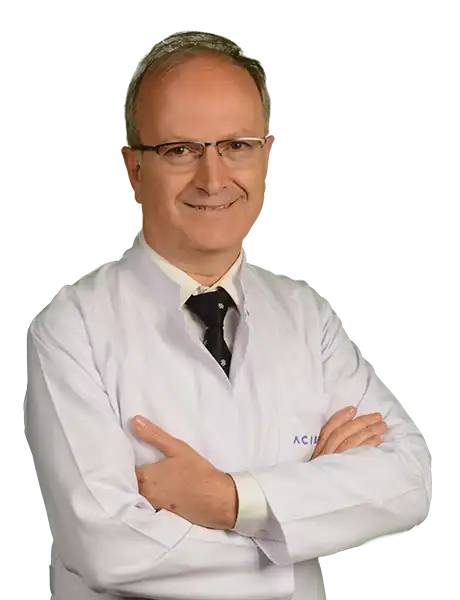
Prof. Dr. Bünyamin Kaplan
Radiation Oncology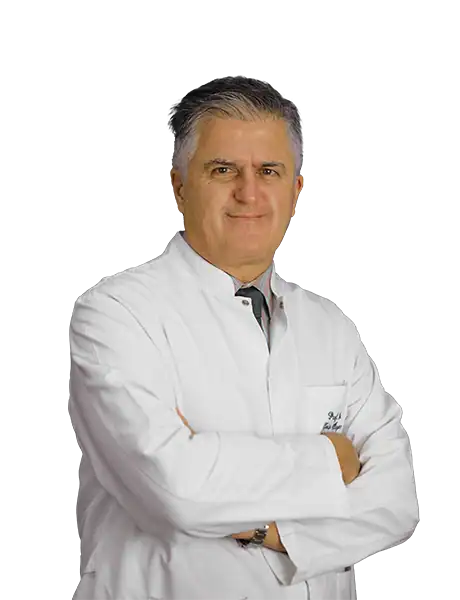
Prof. Dr. Enis Özyar
Radiation Oncology
Prof. Dr. Evrim Kadriye Tezcanlı
Radiation Oncology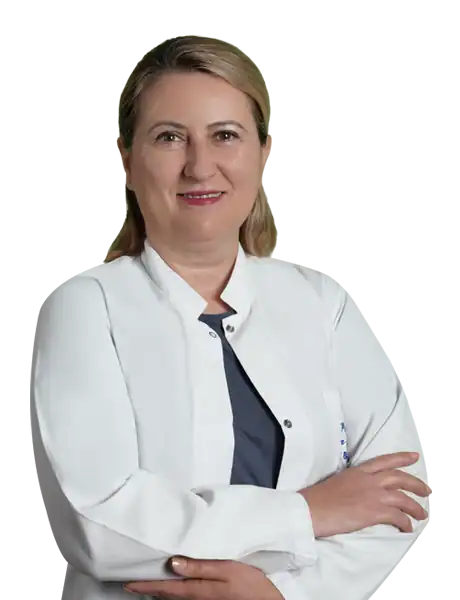
Prof. Dr. Fulya Ağaoğlu
Radiation Oncology
Prof. Dr. Gamze Uğurluer Sümer
Radiation Oncology
Prof. Dr. Işık Aslay
Radiation Oncology
Prof. Dr. Lütfi Özkan
Radiation Oncology
Prof. Dr. Mehmet Ufuk Abacıoğlu
Radiation Oncology
Prof. Dr. Meltem Serin
Radiation Oncology
Prof. Dr. Meriç Şengöz
Radiation Oncology
Prof. Dr. Nezihe Seden Küçücük
Radiation Oncology
Prof. Dr. Nuran Beşe
Radiation Oncology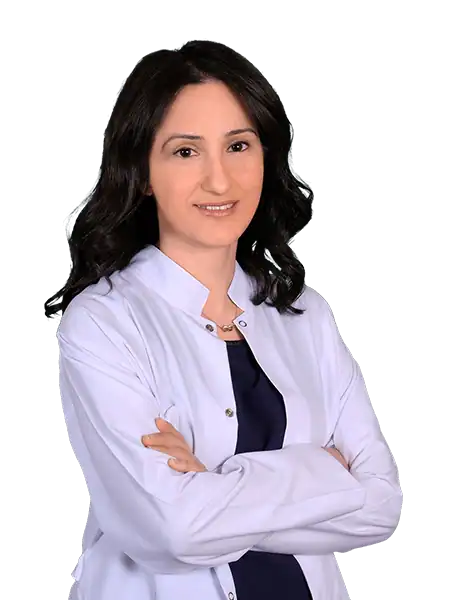
Assoc. Prof. Dr. Serap Yücel
Radiation Oncology
Asst. Prof. Dr. Zeynep Güral
Radiation Oncology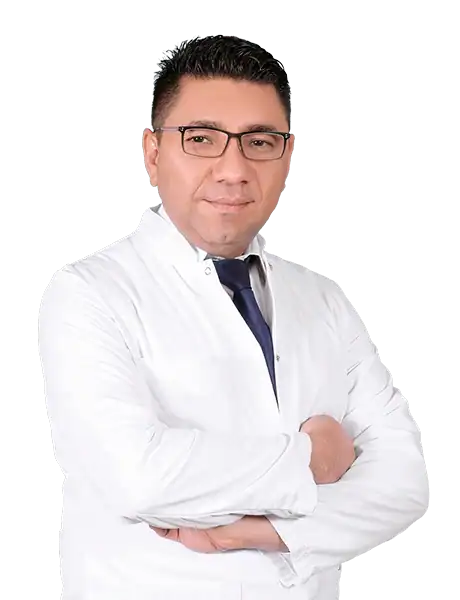
Dr. Alptekin Arifoğlu
Radiation Oncology
Dr. Aslı Saran İkizler
Radiation Oncology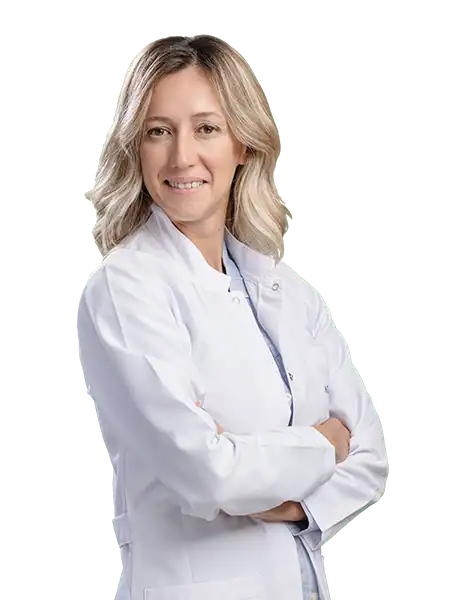
Dr. Burcu Durmak İşman
Radiation Oncology
Dr. Ertuğrul Tekçe
Radiation Oncology
Dr. Fuzulî Tuğrul
Radiation Oncology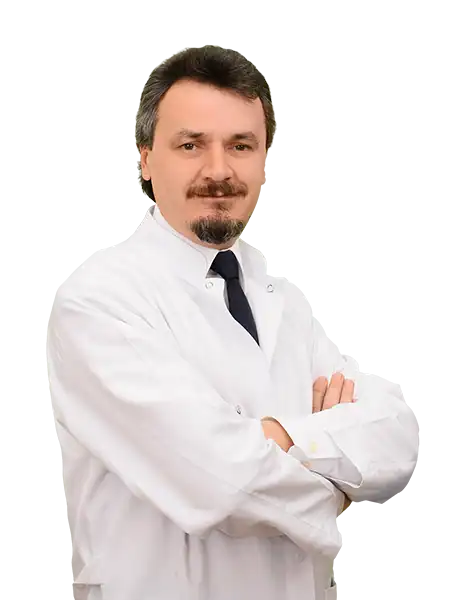
Dr. Kadir Uçar
Radiation Oncology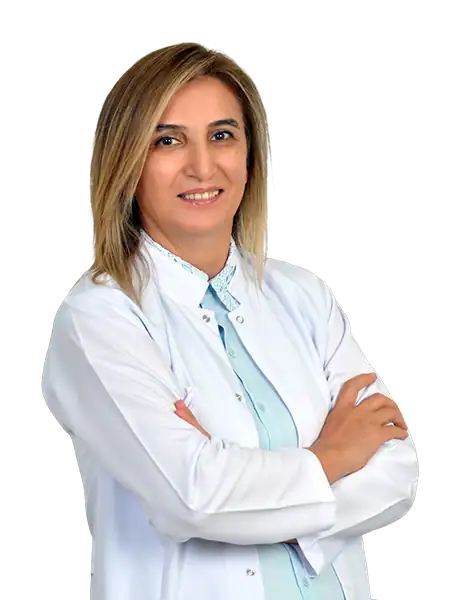
Dr. Leyla Şen
Radiation Oncology
Dr. Osman Burak Can
Radiation Oncology
Dr. Seda Erdoğdu
Radiation Oncology
Dr. Sedenay Oskeroğlu Kaplan
Radiation OncologyMedical Technologies Used
Speak with our medical team
Share your case and our international patient team will guide you to the right specialist — free of charge.