Why Can’t I Sleep

Key Takeaways
- Sleep trouble is common and can be short-term or ongoing.
- Stress, caffeine, irregular schedules, and certain medical issues are frequent triggers.
- A clear sleep pattern and related symptoms can help a doctor identify the cause.
- Healthy sleep habits may improve rest, but persistent insomnia may need medical evaluation.
- Treatment depends on the underlying reason and may include behavioral strategies or care for a medical condition.
Trouble sleeping can come from stress, daily habits, medical conditions, or changes in the sleep environment. Understanding the pattern behind the problem is often the first step toward better rest and better health.
Overview
When a person asks, “Why can’t I sleep?” the answer is often less mysterious than it feels in the middle of the night. Sleep is influenced by the brain, body, routines, medications, emotions, and the sleep environment, so even a small disruption can make it hard to fall asleep, stay asleep, or feel rested in the morning.
Short-term sleep trouble often follows a stressful event, travel across time zones, an illness, or a change in schedule. When the problem lasts longer, it may point to insomnia, an underlying medical condition, anxiety or depression, sleep apnea, restless legs syndrome, or habits that keep the body too alert at bedtime.
For many international patients, sleep problems become more noticeable during travel, recovery, or a period of medical decision-making. Different time zones, unfamiliar surroundings, pain, worry, and interrupted routines can all make sleep less predictable, especially when someone is far from home and trying to stay well enough to continue daily plans or treatment.
Symptoms
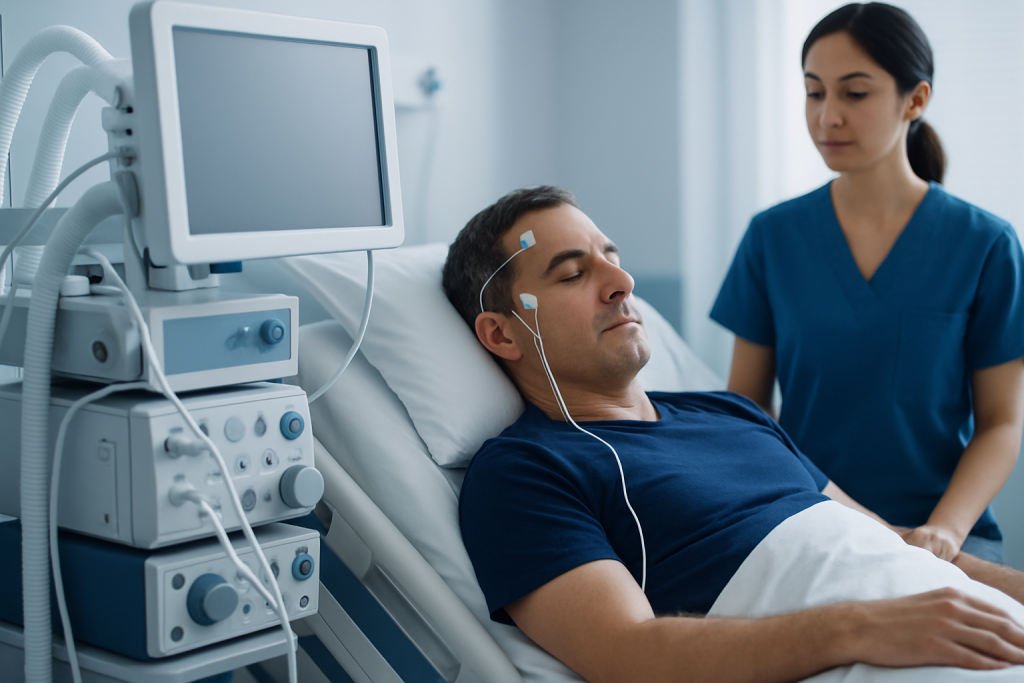
Sleep difficulty can show up in several ways. Some people lie awake for a long time before drifting off. Others wake frequently during the night and cannot get back to sleep, or wake too early and remain alert even though they still feel tired.
Not all sleep problems feel the same. A person may sleep for many hours but still wake unrefreshed, or may notice that sleep becomes lighter and more fragmented than usual. Daytime effects can include fatigue, trouble focusing, irritability, slowed thinking, or a stronger need for naps.
- Difficulty falling asleep
- Waking repeatedly during the night
- Waking too early
- Feeling unrefreshed after sleep
- Daytime sleepiness, low energy, or reduced concentration
People sometimes assume they simply “need less sleep,” but ongoing exhaustion, a racing mind at bedtime, snoring, gasping during sleep, leg discomfort, or frequent nighttime urination can all point to a specific cause that deserves attention.
Causes & Risk Factors

Sleep is sensitive to both lifestyle and health factors. Stress and anxiety are among the most common reasons a person cannot sleep, especially when the mind remains active long after the body is ready for rest. Emotional strain, grief, work pressure, and major life changes can all keep the nervous system in a state of alertness.
Daily habits may also interfere with sleep. Caffeine late in the day, alcohol close to bedtime, heavy meals at night, nicotine, long daytime naps, and irregular sleep hours can all weaken the body’s natural rhythm. Bright screens and stimulating activity before bed may make it even harder to settle down.
Medical conditions can be part of the picture as well. Pain, reflux, asthma, thyroid problems, menopause-related symptoms, depression, anxiety disorders, urinary symptoms, and sleep disorders such as sleep apnea or restless legs syndrome can all disrupt sleep. Some medicines, including certain decongestants, steroids, antidepressants, and stimulants, may also affect sleep quality.
Risk may be higher when several factors overlap. Travel across time zones, shift work, chronic stress, and an irregular routine can combine with a health condition to create a pattern that is hard to break without targeted help.
Diagnosis
Diagnosis starts with a careful sleep history rather than a single test. A clinician will usually ask when the problem began, how often it happens, how long it takes to fall asleep, how often the person wakes up, what the daytime effects are, and whether there are symptoms such as snoring, choking during sleep, pain, anxiety, or an urge to move the legs.
A sleep diary can be especially helpful. Recording bedtime, wake time, naps, caffeine use, exercise, and nighttime awakenings for one to two weeks can reveal patterns that are easy to miss in memory alone. For many people, this simple tool clarifies whether the issue is mainly schedule-related, stress-related, or more suggestive of a sleep disorder.
Depending on the symptoms, a doctor may recommend blood tests or other evaluations to check for conditions such as thyroid imbalance, anemia, or other medical contributors. If sleep apnea, limb movement disorder, or another complex sleep disorder is suspected, a sleep study may be advised to observe breathing, oxygen levels, brain activity, and movement during sleep.
Treatment Options
Treatment depends on what is keeping sleep out of reach. If the cause is a temporary schedule change or stress, the focus may be on restoring a steadier routine and reducing bedtime stimulation. If an underlying illness is involved, treating that condition often improves sleep as well.
Behavioral treatment is a mainstay for ongoing insomnia. Cognitive behavioral therapy for insomnia, often called CBT-I, helps people change the thoughts and habits that keep insomnia going. It may include sleep restriction, stimulus control, relaxation methods, and practical steps to rebuild a more reliable sleep pattern.
Medication may sometimes be considered, but it is not the only answer and is usually chosen with care. A clinician may review all current medicines to see whether any are contributing to the problem and may suggest adjustments if appropriate. For sleep disorders such as sleep apnea, treatment may involve breathing support at night or another targeted therapy based on the diagnosis.
In an international-care setting, treatment planning often includes how a person will continue recovery after returning home. Clear instructions, medication review, follow-up timing, and coordination with local physicians can make sleep treatment more workable across borders. At Acibadem Health Point, multidisciplinary specialists and JCI-accredited hospitals diagnose and treat sleep-related conditions for international patients as part of coordinated care.
Prevention & Self-care
Not every sleepless night can be prevented, but regular habits can make sleep more dependable. A consistent bedtime and wake time, even on weekends, helps train the body’s internal clock. A calm pre-sleep routine also signals that the day is ending and rest is approaching.
Small environmental changes can matter more than people expect. A dark, cool, quiet room, reduced screen exposure before bed, and keeping the bed for sleep rather than work or scrolling can all support stronger sleep cues. Limiting caffeine later in the day and avoiding heavy meals close to bedtime may also help.
It can be useful to think of sleep as something supported throughout the day, not only at bedtime. Regular exercise, daylight exposure, stress management, and planned wind-down time can improve sleep pressure and rhythm. For those recovering from illness or travel, pacing daytime naps and keeping a simple routine can help the body reestablish a predictable cycle.
- Wake up at the same time each day
- Use the bed mainly for sleep
- Reduce caffeine and nicotine, especially later in the day
- Keep the room comfortable, dark, and quiet
- Build in a short relaxation period before bed
When to See a Doctor
Occasional poor sleep is common, but persistent sleep difficulty should not be dismissed as “just part of life.” A doctor’s evaluation is especially important if the problem lasts for several weeks, begins to affect work, safety, mood, or memory, or keeps returning despite good sleep habits.
Medical review is also worthwhile if snoring, breathing pauses, gasping, restless legs, frequent nighttime urination, chest discomfort, reflux, pain, or strong anxiety are part of the story. These clues can point to a treatable condition rather than simple insomnia.
Someone should seek prompt medical advice if sleep loss is accompanied by severe depression, panic, confusion, or symptoms that suggest a significant physical problem. For patients planning Varicose Vein Treatment Abroad: When Stockings Are Enough and When Procedures Help More" class="ahp-ilk">treatment abroad or recovering after care, it is helpful to raise sleep concerns early so the care team can coordinate a plan that fits travel, recovery, and follow-up needs.
Frequently asked questions
Why can’t I sleep even when I feel tired?
Being tired does not always mean the brain is ready to switch off. Stress, caffeine, pain, anxiety, irregular sleep timing, or an underlying sleep disorder can keep the body in a more alert state than expected. If this happens often, it is worth discussing with a doctor.
Is insomnia the same as not sleeping enough?
Not exactly. Insomnia usually means difficulty falling asleep, staying asleep, or waking too early, along with daytime impact such as fatigue or poor concentration. A person may spend enough time in bed yet still feel unrefreshed because the sleep is fragmented or low quality.
Can anxiety cause sleep problems?
Yes. Anxiety can make the mind feel busy at bedtime and can also cause frequent waking during the night. Treating anxiety often improves sleep, and in some cases sleep-focused therapy is helpful as well.
When should someone consider a sleep study?
A sleep study may be recommended when symptoms suggest sleep apnea, periodic limb movement disorder, or another complex sleep disorder. Loud snoring, breathing pauses, gasping during sleep, or unexplained daytime sleepiness are common reasons to ask about testing.
What is the best first step for better sleep?
A steady routine is a practical starting point. Keeping consistent sleep and wake times, reducing late caffeine, and limiting screen use before bed can help many people, but ongoing problems may need medical assessment.
Can travel make it harder to sleep?
Yes, travel often disrupts sleep through jet lag, changes in routine, unfamiliar surroundings, and stress. Returning to a regular schedule, getting daylight exposure, and avoiding long daytime naps can help the body adjust.
References
- National Institutes of Health – National Heart, Lung, and Blood Institute
- American Academy of Sleep Medicine
- Mayo Clinic
- Centers for Disease Control and Prevention
- World Health Organization
This article is for general information only and is not a substitute for professional medical advice. Please consult a qualified doctor about your individual situation.