What Does Shingles Look Like

Key Takeaways
- Shingles often starts with skin discomfort before the rash is visible.
- The rash usually appears in a single band or patch on one side of the body or face.
- Blisters typically crust over within days to weeks, but pain may last longer.
- Antiviral treatment works best when started early, ideally soon after the rash appears.
- Eye, ear, or widespread symptoms need prompt medical attention.
Shingles usually begins with pain, tingling, or burning on one side of the body, followed by a stripe-like rash that turns into fluid-filled blisters. Recognizing the early pattern can help a person seek treatment promptly and reduce the chance of complications.
Overview
Shingles, also called herpes zoster, is a skin condition caused by the reactivation of the varicella-zoster virus—the same virus that causes chickenpox. After someone has had chickenpox, the virus can remain inactive in the body for years before becoming active again.
When shingles appears, it usually follows a very recognizable pattern on the skin. Rather than a scattered whole-body rash, it tends to show up as a painful, narrow band on one side of the chest, back, neck, or face. For many people, the skin changes are only part of the story; the first clue is often a strange burning, stinging, or tingling sensation in one area.
Because the rash can be mistaken for insect bites, allergies, eczema, or a minor skin infection, looking at the shape, timing, and associated symptoms is important. A timely medical review matters, especially if the rash is near the eyes or if the person is older, pregnant, or living with a weakened immune system.
What shingles typically looks like
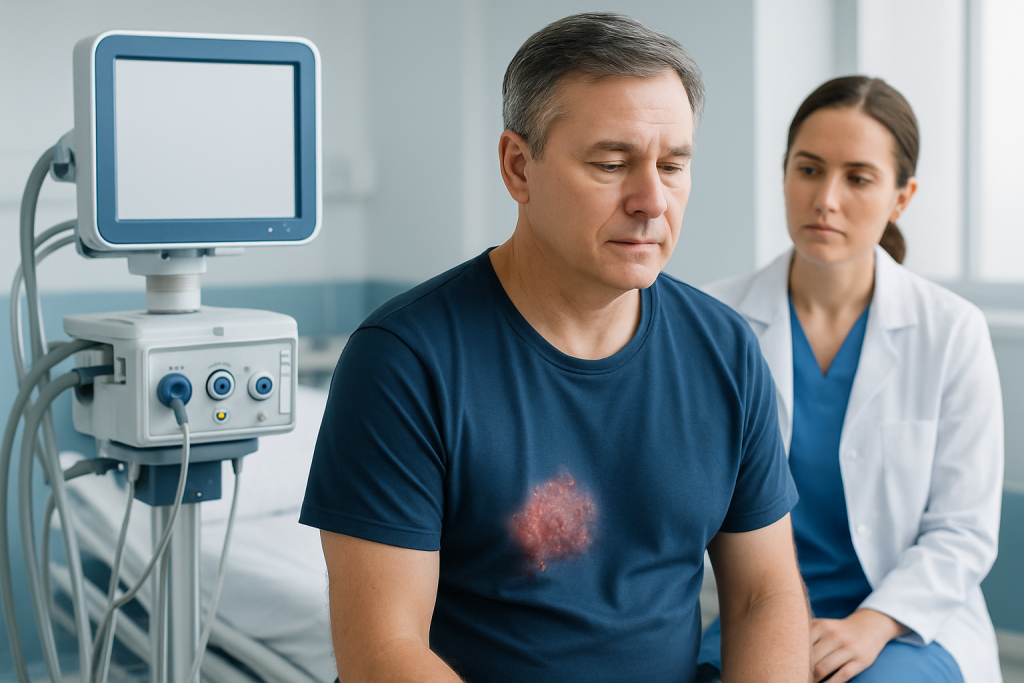
The classic shingles rash begins as a red patch or cluster of small bumps. These bumps often develop into fluid-filled blisters over a few days. The blisters may look shiny, tense, and grouped closely together, almost like a cluster following a line across the skin.
One of the most helpful visual clues is its distribution. Shingles usually stays on one side of the body and does not cross the midline in a broad way. It often follows a nerve path, which is why the rash may form a belt-like shape around the ribcage or a strip across the forehead, scalp, or face.
As the rash progresses, the blisters can break, dry out, and form crusts or scabs. The skin may remain red or irritated during this healing stage. In some people, especially those with darker skin tones, the rash may appear less obviously red and instead look darker, purplish, or simply inflamed and raised, which can make the early stage easier to miss.
- Red or pink patches that are tender to the touch
- Small grouped bumps that become blisters
- A one-sided pattern along the trunk, face, or neck
- Crusting and scabbing after the blisters dry
Symptoms that often come with the rash

Skin changes are only one part of shingles. Many people notice pain, itching, burning, or sensitivity in the affected area before the rash becomes visible. Some describe the skin as feeling raw or overly sensitive to light touch, clothing, or even a breeze.
The discomfort can range from mild to intense and may be mistaken for muscle strain or a pulled nerve. Fever, fatigue, headache, and a general unwell feeling can also occur, although they are not present in every case. In some people, the pain is more noticeable than the rash itself.
If shingles affects the face, additional symptoms can appear depending on which nerve is involved. A rash near the eye may be associated with eye redness, swelling, tearing, or blurred vision, while ear involvement can cause pain around the ear, hearing changes, dizziness, or facial weakness. These patterns deserve prompt assessment.
Why shingles develops
Shingles develops when the dormant chickenpox virus becomes active again in a nerve. This can happen without a clear trigger, but it becomes more likely when the immune system is less able to keep the virus under control. Age is one of the best-known risk factors, which is why shingles is more common in older adults.
Other factors can also play a role, including major stress, certain illnesses, immune-suppressing medicines, cancer treatments, and conditions that weaken immune defenses. Having had chickenpox earlier in life is the underlying requirement, because shingles cannot appear in someone who was never exposed to the virus.
It is not spread in the same way as shingles itself. However, a person with shingles can pass the varicella-zoster virus to someone who has never had chickenpox or the chickenpox vaccine, and that person may develop chickenpox—not shingles. Avoiding direct contact with the rash while it is blistered is important until it crusts over.
How doctors diagnose it
Shingles is often diagnosed by looking at the rash pattern and hearing the person’s symptom history. A clinician will usually ask when the pain began, how the skin changes evolved, and whether the rash is limited to one side of the body. The one-sided nerve-like pattern is a strong clue.
In many cases, no special test is needed. If the appearance is unusual, if the person is immunocompromised, or if the rash needs to be distinguished from herpes simplex, contact dermatitis, impetigo, or another skin problem, a doctor may take a swab from a blister for laboratory testing.
When the face or eyes are involved, an eye specialist may be needed. International patients who are traveling for care should bring a timeline of symptoms, photographs of the rash if available, and a list of medications so the medical team can make decisions quickly and safely.
Treatment options
Shingles treatment usually focuses on starting antiviral medicine as early as possible, since early treatment can help shorten the illness and lower the risk of some complications. A doctor may also recommend pain relief, soothing skin care, or medicines that calm nerve pain if the discomfort is significant.
Skin comfort measures can make the healing period easier. Cool compresses, loose clothing, and keeping the rash clean and dry are often helpful. People are generally advised not to scratch or pick at the blisters, because this can increase irritation and the chance of infection.
If shingles is severe, widespread, or affects the eyes, ears, or nervous system, more intensive medical management may be needed. In some situations, people with weakened immunity may require closer monitoring, and treatment may be organized alongside other specialists to make sure all related health issues are addressed.
For travelers receiving care away from home, follow-up planning is especially important. A clear written plan for medication timing, warning signs, and review appointments can make recovery more manageable after returning to another country.
Prevention and self-care
The best prevention is vaccination, especially for adults who are eligible based on age or medical history. A shingles vaccine can lower the chance of developing shingles and may also reduce the risk of certain complications. A doctor can advise whether vaccination is appropriate in a particular case.
During an active outbreak, practical self-care can support healing and reduce spread. Covering the rash when possible, washing hands carefully, and avoiding contact with pregnant people, newborns, and individuals who have never had chickenpox or the vaccine are sensible precautions until the blisters have crusted.
Rest, hydration, and gentle skin care are useful, but they do not replace medical treatment. People should also keep an eye on symptoms that evolve rather than improve, since pain can outlast the rash and may need reassessment if it becomes difficult to control.
- Do not pop or scratch blisters
- Keep the rash clean and dry
- Use loose, soft fabrics over the area
- Follow medication instructions from a clinician
- Seek vaccination advice if prevention is being considered
When to see a doctor
Medical review is important when a new one-sided blistering rash appears, especially if it is painful or preceded by tingling or burning. Early evaluation is helpful because shingles treatment is most effective when started soon after the rash begins.
Urgent attention is needed if the rash is near the eye, if vision changes occur, if there is facial weakness, if the rash is widespread, or if the person has a weakened immune system. Fever, severe headache, confusion, or trouble walking also deserve prompt assessment.
Anyone who is unsure whether the rash is shingles should not wait for it to “declare itself” if the pain is increasing or the rash is expanding. A clinician can usually clarify the diagnosis by examining the skin and considering the symptom pattern. At Acibadem Health Point, multidisciplinary specialists and JCI-accredited hospitals help diagnose and treat shingles for international patients in a coordinated way.
Living with recovery and follow-up
Most shingles rashes heal gradually over several weeks, but the nerves involved can remain irritated after the skin looks better. This lingering pain, sometimes called postherpetic neuralgia when it persists, is one reason follow-up matters even after the rash crusts and fades.
People recovering away from home may benefit from a simple follow-up plan that includes symptom tracking, contact details for a clinician, and guidance about when to seek further care. If the pain, redness, or swelling worsens instead of improving, reassessment is reasonable.
Shingles can be physically uncomfortable and emotionally draining, but it is a recognized condition with established treatments. Knowing what it looks like—and what it should not be mistaken for—helps people get the right care without delay.
Frequently asked questions
What does shingles look like at the start?
At the beginning, shingles may look like a red or irritated patch with small bumps, but the first symptom is often pain, burning, itching, or tingling before the rash is obvious. The rash commonly appears on one side of the body in a narrow band or cluster.
Can shingles look like a simple rash or allergy?
Yes. Early shingles can resemble insect bites, contact dermatitis, eczema, or another skin eruption. The one-sided pattern and the presence of nerve pain often help doctors tell it apart.
How long does the visible rash last?
The skin eruption often changes over days and then gradually crusts over, with healing over the following weeks. Pain may last longer than the visible rash, which is why follow-up can be important.
Is shingles contagious?
A person with shingles can spread the varicella-zoster virus to someone who has never had chickenpox or the vaccine, but that person would develop chickenpox, not shingles. The risk is greatest when blisters are open, so covering the rash and avoiding close contact are sensible precautions.
When should eye-related shingles be checked urgently?
Shingles near the eye should be assessed promptly, especially if there is redness, swelling, pain, blurred vision, or light sensitivity. Eye involvement can affect vision, so it should not be watched at home without medical guidance.
References
- Centers for Disease Control and Prevention
- World Health Organization
- American Academy of Dermatology
- Mayo Clinic
- National Institute of Neurological Disorders and Stroke
This article is for general information only and is not a substitute for professional medical advice. Please consult a qualified doctor about your individual situation.