What Does Protein Do For Your Body

Key Takeaways
- Protein supports muscle repair, skin and tissue renewal, hormone production, and immune function.
- Needs vary by age, activity level, pregnancy, illness, and recovery from surgery or injury.
- Both animal and plant foods can provide high-quality protein when chosen thoughtfully.
- Low protein intake may show up as fatigue, slow wound healing, weakness, or hair and skin changes.
- A doctor or dietitian can help tailor protein intake for international patients managing weight loss, chronic disease, or recovery.
Medically reviewed by the Acıbadem clinical team — August 19, 2026
Protein is a foundational nutrient that helps the body build, repair, and maintain tissues, enzymes, hormones, and immune defenses. Understanding how much protein is needed, where to get it, and when intake may need adjustment can support health at every stage of life.
Overview
Protein is often discussed in the context of muscles, but its role is much broader. The body uses protein to build and repair tissues, make enzymes and hormones, transport substances in the blood, and help the immune system respond to injury and infection.
For many people, the question is not simply whether protein matters, but how much is enough and what kind is most useful. That answer changes with life stage, physical activity, health conditions, and whether a person is healing from an operation, illness, or a period of poor appetite. For international patients planning care abroad, protein also becomes part of recovery planning, because nutrition can influence strength, wound healing, and overall stamina during travel and follow-up.
Protein is made of amino acids. Some amino acids can be produced by the body, while others must come from food. A balanced diet usually provides enough protein for healthy adults, but certain situations call for closer attention, including aging, pregnancy, vegetarian or vegan eating patterns, and conditions that affect digestion or absorption.
Symptoms of Too Little Protein
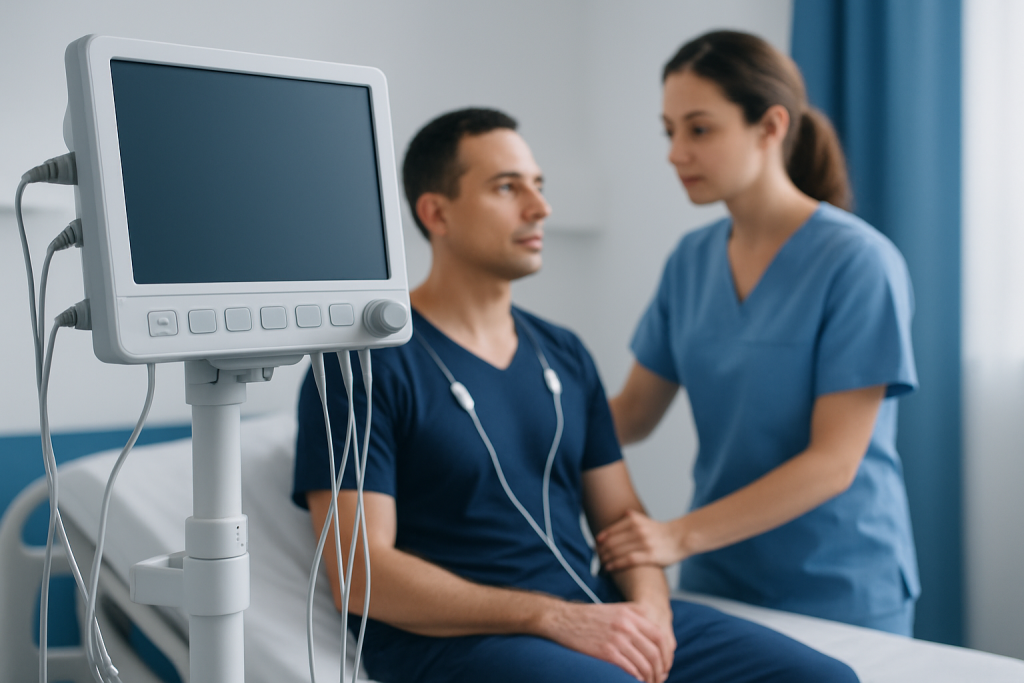
Low protein intake does not always cause dramatic symptoms right away. Early signs may be subtle, such as feeling less energetic than usual, taking longer to recover after exercise, or noticing that meals do not feel satisfying for long. Over time, the body may begin conserving protein for essential functions, which can affect strength and wellbeing.
Possible signs of not getting enough protein can include:
- Loss of muscle mass or weakness
- Fatigue or reduced stamina
- Slow wound healing
- More frequent infections
- Hair thinning or brittle hair
- Dry skin or brittle nails
- Swelling in severe cases of deficiency
These symptoms are not specific to protein deficiency alone. They can also occur with thyroid disorders, anemia, dehydration, stress, or other medical problems, which is why persistent changes should be discussed with a clinician rather than self-diagnosed.
Causes & Risk Factors

Most people obtain enough protein through regular meals, but several factors can make intake or use less effective. Reduced appetite, restrictive diets, dental problems, nausea, swallowing difficulties, and limited access to food can all lower intake without a person realizing it.
Health conditions can also change protein needs or protein handling. Digestive disorders may reduce absorption, Kidney Disease Treatment" class="ahp-ilk">kidney disease can require carefully balanced protein guidance, and recovery from surgery, burns, infections, or major injury often increases the body’s need for protein-rich nourishment. Older adults may eat less overall, yet need enough protein to help preserve muscle and function.
Risk of inadequate protein is higher in people who:
- Eat very little overall or skip meals often
- Follow overly restrictive diets without planning
- Are older and have a smaller appetite
- Have chronic digestive, liver, or kidney conditions
- Are recovering from surgery, trauma, or serious illness
- Are pregnant or breastfeeding and not meeting nutrition needs
Diagnosis
Protein status is not diagnosed with a single simple test in most everyday situations. A clinician usually starts by asking about diet, weight changes, activity level, medical history, and symptoms such as weakness, swelling, or poor wound healing. The discussion may also include recent travel, appetite changes, and any therapies that affect nutrition.
Blood tests may be used to look at overall health, inflammation, kidney function, liver function, and other markers that help build the bigger picture. In some cases, a dietitian may assess food intake more closely, especially if there is concern about malnutrition or if protein needs must be adjusted for a medical condition.
Because protein-related symptoms can overlap with many other issues, diagnosis is usually about identifying the underlying reason for the signs rather than focusing on protein alone. That approach is particularly important when someone is preparing for treatment overseas, since nutrition planning should fit the medical plan and the travel schedule.
Treatment Options
When protein intake is too low, treatment usually begins with improving overall nutrition rather than relying on one specific food. The goal is to make eating easier, more regular, and better matched to the person’s health needs. This might mean adding protein to breakfast, choosing snacks with more nutritional value, or spreading intake more evenly across the day.
Common protein-rich foods include eggs, dairy products, fish, poultry, lean meat, beans, lentils, tofu, tempeh, edamame, nuts, seeds, and soy-based foods. Combining different plant proteins across the day can help meet amino acid needs, especially for people who do not eat animal products.
In some cases, a doctor or dietitian may recommend oral nutritional supplements if appetite is low or recovery demands are higher. People with kidney disease, liver disease, or other complex conditions should not increase protein on their own, because their needs may be different from those of a healthy adult. A personalized plan is safer than following generic high-protein trends.
Prevention & Self-care
Good protein habits are usually built through routine, not perfection. A practical approach is to include a source of protein at each meal and, when needed, at snacks as well. This can help support fullness, stable energy, and steady tissue repair throughout the day.
Helpful self-care steps include:
- Choose a mix of animal and plant proteins when possible
- Pair protein with vegetables, whole grains, and healthy fats for balanced meals
- Plan ahead for travel, work schedules, or long treatment days so meals are not skipped
- Stay hydrated, especially when increasing protein intake
- Seek dietitian guidance if following vegetarian, vegan, or medically restricted diets
For people recovering after medical procedures, nutrition is part of healing, not an afterthought. International patients often benefit from a clear discharge plan that explains what to eat, what to avoid, and how to adjust meals after returning home.
When to See a Doctor
A doctor should be consulted if there is unexplained weight loss, ongoing fatigue, visible muscle loss, swelling, frequent infections, or slow healing that does not improve. These signs may indicate a nutrition problem or another medical condition that needs evaluation.
Medical advice is also important for anyone with kidney disease, liver disease, inflammatory bowel disease, swallowing difficulty, eating concerns, or recent surgery, since protein needs may be different from standard general advice. Children, older adults, pregnant people, and patients in recovery may also need tailored guidance.
When care is being arranged from another country, it can help to discuss nutrition planning before travel so the treatment team can coordinate meals, supplements, and follow-up. Acibadem Health Point’s multidisciplinary specialists and JCI-accredited hospitals diagnose and treat a wide range of conditions for international patients, including cases where nutrition plays a role in recovery.
Related Questions Patients Often Ask
People often want to know whether they need more protein if they exercise, whether plant protein is enough, or whether high-protein eating is always better. The short answer is that protein needs should match the person’s body size, age, activity, and health status; more is not automatically better.
It is also common to ask whether protein powders are necessary. For many people they are not, because regular foods can usually meet needs. Supplements may be useful in specific situations, but they should be chosen carefully, especially if there are kidney concerns, digestive issues, or other medical conditions.
Anyone unsure about their protein intake can benefit from a conversation with a doctor or registered dietitian. A personalized plan is usually more effective, and more sustainable, than following a one-size-fits-all nutrition trend.
Frequently asked questions
What does protein do for your body?
Protein helps build and repair tissues, supports muscle maintenance, and is needed to make enzymes, hormones, and immune-related proteins. It is a basic part of how the body grows, heals, and functions each day.
How can someone tell if they are not getting enough protein?
Possible signs include tiredness, muscle weakness, slow healing, hair thinning, and getting sick more often. These symptoms can have many causes, so a doctor should evaluate persistent changes.
Is plant protein enough?
Yes, plant protein can meet the body’s needs when a variety of sources are eaten across the day. Beans, lentils, tofu, tempeh, nuts, seeds, and soy foods are all useful options.
Do people need protein supplements?
Not always. Many people meet their needs through food alone, while supplements may help when appetite is low, recovery needs are high, or regular meals are difficult to manage.
Can eating too much protein be a problem?
It can be, especially for people with kidney disease or other medical conditions that require protein limits. A clinician can help determine a safe amount based on health status.
When should an international patient ask for nutrition advice?
Nutrition advice is helpful before surgery, during recovery, or when traveling with a health condition that affects appetite, digestion, or healing. A coordinated plan can make treatment and follow-up easier to manage.
References
- World Health Organization
- National Institutes of Health Office of Dietary Supplements
- Harvard T.H. Chan School of Public Health
- Mayo Clinic
This article is for general information only and is not a substitute for professional medical advice. Please consult a qualified doctor about your individual situation.
Explore treatments in Turkey — costs, top hospitals & a free quote
JCI-accredited · board-certified surgeons · reply within 24h
Add us as a Preferred Source to see more of our trusted health content across Google Search, AI Overviews and Discover.