What Causes Cold Hands?

Key Takeaways
- Cold hands are often harmless and may appear in cold weather, stress, or after holding a cold object.
- Raynaud phenomenon, anemia, thyroid problems, and some circulation issues can make hands feel unusually cold.
- Symptoms such as color changes, numbness, pain, or one-sided coldness deserve medical attention.
- A doctor may use the history, physical exam, and targeted tests to look for an underlying cause.
- Simple measures like keeping warm, managing stress, and staying active can help, but persistent symptoms should be checked.
Medically reviewed by the Acıbadem clinical team — August 19, 2026
Cold hands are often linked to temporary changes in blood flow, temperature, stress, or everyday habits, but they can also be a clue to an underlying health issue. Understanding the pattern, related symptoms, and when it happens can help a doctor identify the cause and guide the right next step.
Overview
Cold hands are a common complaint, and in many situations they are simply the body’s normal response to a chilly environment. When skin temperature drops, blood vessels in the hands narrow to conserve heat, so fingers may feel cold long before the rest of the body does.
Still, “cold hands” is not a diagnosis on its own. It is a symptom that can reflect lifestyle factors, stress, or an underlying condition affecting circulation, blood count, hormones, or nerves. For someone deciding whether to seek care—especially when arranging evaluation from another country—the pattern matters as much as the sensation itself: whether both hands are affected, whether the coldness comes and goes, and whether there are changes in color, pain, or numbness.
Many causes are manageable once identified. The key is to look for the context, because occasional cold fingers after a winter walk is very different from hands that stay cold indoors, turn white or blue, or are accompanied by fatigue or weakness.
Symptoms
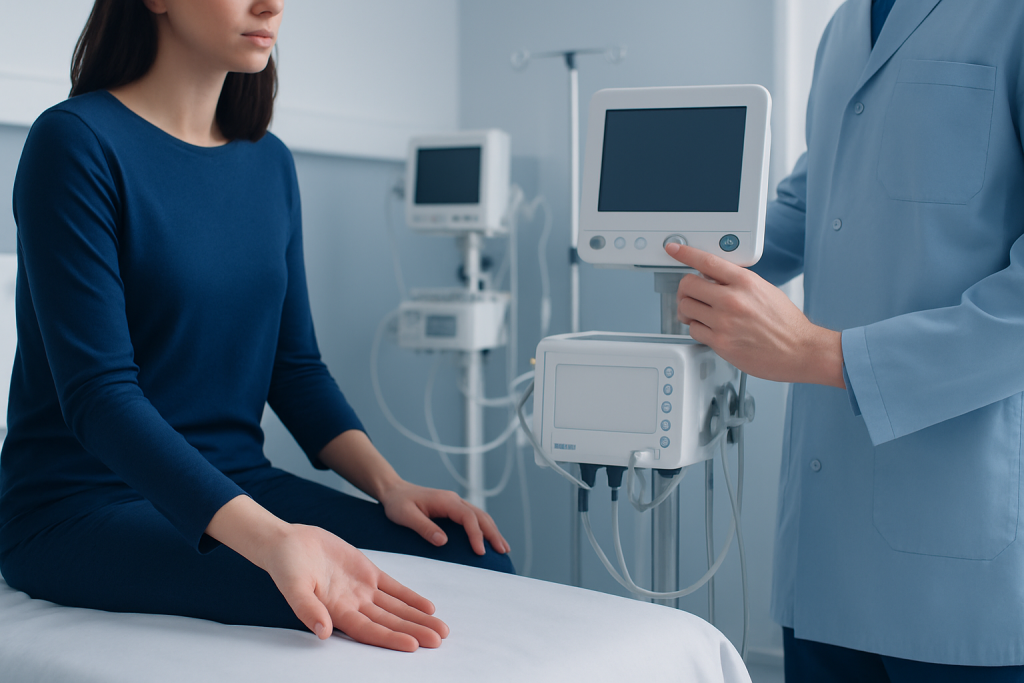
Cold hands may feel simply cool to the touch, or they may seem deeply chilled, numb, stiff, or clumsy. Some people notice the problem first when they have trouble typing, fastening jewelry, or holding a cup comfortably.
Related signs can offer useful clues. A person may experience:
- Color changes such as pale, blue, or red fingers
- Tingling or numbness
- Pain or throbbing as the hands warm again
- Symptoms that come on after cold exposure or emotional stress
- Coldness in the feet as well as the hands
When cold hands happen together with tiredness, shortness of breath, weight changes, hair loss, dizziness, or muscle weakness, a broader medical issue may be involved. If the coldness is only in one hand, or if it begins suddenly, that pattern deserves prompt medical review.
Causes & Risk Factors

The most common explanation is simple heat loss. Thin clothing, cold rooms, damp weather, and prolonged air conditioning can all make the hands feel cold. Nicotine, caffeine sensitivity in some people, dehydration, and stress can also contribute by making blood vessels tighten.
Several medical conditions may cause ongoing or recurring cold hands. Raynaud phenomenon is one of the best-known reasons; in this condition, small blood vessels in the fingers overreact to cold or stress and temporarily narrow too much. Other possible causes include anemia, hypothyroidism, low body weight, diabetes-related nerve changes, and peripheral artery disease. Less commonly, autoimmune conditions or certain medications may play a role.
Risk tends to rise when more than one factor is present. A person with a family history of Raynaud phenomenon, autoimmune disease, thyroid disorders, or circulation problems may be more likely to notice persistent coldness in the hands. People who spend long periods outdoors, work in refrigerated environments, or smoke are also more vulnerable.
Diagnosis
Diagnosis usually starts with a careful conversation about the pattern of symptoms. A doctor may ask when the coldness began, whether it affects both hands, what happens during cold exposure, and whether the fingers change color or lose sensation. These details often help separate a temporary response from a medical condition.
A physical examination can look for circulation changes, skin findings, temperature differences between limbs, joint swelling, or nerve-related issues. Depending on the situation, the doctor may recommend blood tests to check for anemia, thyroid function, inflammation, diabetes, or autoimmune markers. If circulation problems are suspected, further tests may be needed to evaluate blood flow.
For international patients, bringing a written symptom history can be very useful, especially if the issue changes with travel, climate, or work conditions. Notes about triggers, photographs of color changes, and a list of current medications can make the evaluation more efficient and accurate.
Treatment Options
Treatment depends on the cause rather than the sensation alone. If cold hands are related to environment or lifestyle, warming measures and behavior changes may be enough. If an underlying condition is found, treating that condition often improves the hands as well.
For Raynaud phenomenon, doctors often recommend practical steps first: avoiding cold exposure, wearing gloves, using layered clothing, and reducing stress when possible. If symptoms are frequent or troublesome, a clinician may consider prescription treatment to help blood vessels stay more open. When anemia, thyroid disease, diabetes, or another disorder is involved, management is tailored to the specific diagnosis.
In more complex cases, care may involve more than one specialist. That can be especially helpful when symptoms cross boundaries between circulation, hormone health, and nerve function. A coordinated approach allows the patient to understand both the symptom and its cause, rather than treating the cold hands in isolation.
Prevention & Self-care
Everyday habits can make a noticeable difference, especially when cold hands are triggered by weather or stress. Keeping the core body warm is often more effective than trying to warm the hands alone, because the body protects internal temperature first.
Helpful self-care steps include:
- Wearing gloves or mittens before going into the cold
- Using layers to maintain body heat
- Avoiding smoking
- Staying physically active to support circulation
- Managing stress with breathing, rest, or relaxation techniques
- Staying hydrated and eating regular meals
It can also help to notice personal triggers. Some people are more sensitive after long periods without movement, during emotional stress, or after exposure to air conditioning. If travel is involved, especially between very different climates, planning for temperature changes and carrying gloves can reduce flare-ups.
When to See a Doctor
Medical advice is sensible when cold hands are frequent, persistent, painful, or linked with other symptoms. A doctor should also evaluate the problem if the hands turn white, blue, or purple, if there is numbness that does not quickly improve, or if the coldness is much worse in one hand than the other.
It is especially important to seek care if cold hands occur with chest pain, shortness of breath, fainting, fever, unexplained weight loss, weakness, or sores on the fingers. These features do not automatically mean something serious, but they do suggest that a closer look is worthwhile.
For patients traveling for evaluation, a planned visit can be worthwhile when symptoms are long-standing or difficult to explain. Acibadem Health Point’s multidisciplinary specialists and JCI-accredited hospitals diagnose and treat conditions like these for international patients, with attention to both the symptom and the underlying cause.
Living With Cold Hands: What the Pattern Can Tell You
Cold hands are often more informative than alarming. The question is not only whether the hands feel cold, but what else is happening at the same time. A short-lived episode after stepping outside points in a different direction than recurrent coldness accompanied by fatigue, skin color changes, or one-sided symptoms.
Keeping a simple symptom record can help a clinician interpret the pattern. Note the temperature, stress level, activity, color changes, and how long the episode lasts. That record can be especially helpful when care begins abroad, because it gives the treating team a clearer picture of day-to-day life rather than a single clinic snapshot.
In many cases, cold hands turn out to have a straightforward explanation and respond well to practical measures. When they do not, the symptom can still serve a useful purpose by pointing toward a condition that is treatable once recognized.
Frequently asked questions
Are cold hands always a sign of poor circulation?
No. Cold hands can happen simply because of cold weather, stress, or being inactive for a while. Poor circulation is one possible cause, but it is not the only one, and many cases are related to temporary blood vessel narrowing.
What is the most common cause of cold hands?
The most common cause is usually environmental exposure to cold or a normal body response to stress. In some people, Raynaud phenomenon is another frequent reason, especially when the fingers change color in response to temperature or emotion.
When should cold hands be checked by a doctor?
They should be checked if they are persistent, painful, one-sided, or accompanied by numbness, color change, weakness, fatigue, or weight changes. A medical review is also sensible if the symptom is new or seems to be getting worse.
Can anemia cause cold hands?
Yes. Anemia can reduce the amount of oxygen delivered to the body’s tissues, which may contribute to feeling cold, including in the hands. It often appears together with tiredness, weakness, or shortness of breath.
Does Raynaud phenomenon cause the fingers to change color?
Yes, it often does. The fingers may turn white or blue before warming up and becoming red again, especially after cold exposure or stress. The color changes can be brief but are an important clue for diagnosis.
What can someone do at home to help cold hands?
Wearing warm gloves, keeping the whole body warm, avoiding smoking, and staying active can help many people. If symptoms keep returning or do not improve with these measures, a doctor can look for an underlying cause.
References
- Mayo Clinic
- Cleveland Clinic
- National Heart, Lung, and Blood Institute
- NHS
- American College of Rheumatology
This article is for general information only and is not a substitute for professional medical advice. Please consult a qualified doctor about your individual situation.
Explore treatments in Turkey — costs, top hospitals & a free quote
JCI-accredited · board-certified surgeons · reply within 24h
Add us as a Preferred Source to see more of our trusted health content across Google Search, AI Overviews and Discover.