What Are The Causes Of Cholelithiasis

Key Takeaways
- Cholelithiasis usually forms when bile becomes too concentrated or imbalanced in cholesterol, bilirubin, and bile salts.
- Weight changes, pregnancy, certain medical conditions, and family history can increase the chance of gallstones.
- Many people have no symptoms, but pain after meals, nausea, and indigestion may appear if a stone blocks bile flow.
- Diagnosis often includes an ultrasound and may be supported by blood tests if complications are suspected.
- Treatment depends on symptoms and complications; some people need monitoring, while others may need gallbladder removal.
Medically reviewed by the Acıbadem clinical team — August 19, 2026
Cholelithiasis, more commonly called gallstones, develops when substances in bile harden inside the gallbladder. The condition often has no symptoms at first, but understanding the causes and risk factors can help people recognize it earlier and make informed care decisions.
Overview
Cholelithiasis is the medical term for gallstones, which are solid pieces that form in the gallbladder from components of bile. The gallbladder is a small organ beneath the liver that stores bile, a fluid that helps digest fat. When the balance of bile changes, crystals can form and gradually build into stones.
Many people first learn they have gallstones by chance during an ultrasound for another reason. Others discover them after a painful episode that begins after a heavy meal, especially when the stone temporarily blocks the flow of bile. Because the condition can behave quietly for years, the causes often matter as much as the symptoms when planning care.
For international patients, it is often helpful to think about gallstones not as a single disease with one cause, but as a result of several overlapping influences: body chemistry, metabolism, hormones, diet patterns, and certain medical conditions. A clear diagnosis helps determine whether simple monitoring is enough or whether treatment should be planned before travel, during a hospital stay, or after returning home.
What happens when gallstones form
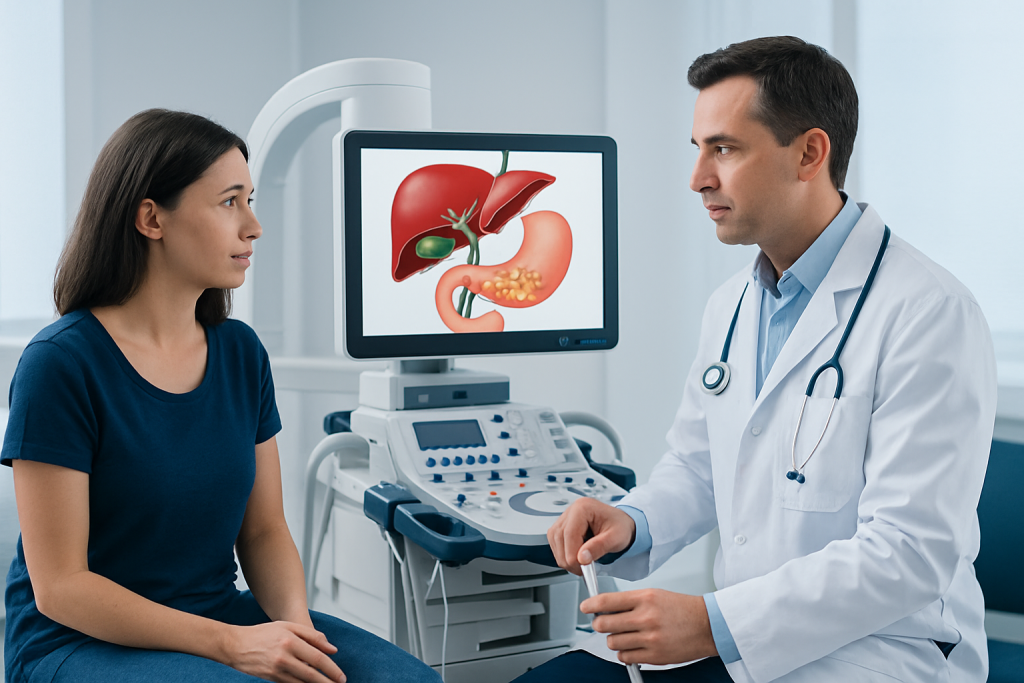
Gallstones usually begin when bile contains too much cholesterol, too much bilirubin, or too few substances that keep these materials dissolved. Tiny crystals may settle in the gallbladder and stick together over time. Some stones remain small and cause no problems, while others can grow or move into the bile ducts and create symptoms.
There are two main types of gallstones. Cholesterol stones are the most common and form when bile has more cholesterol than it can keep dissolved. Pigment stones are made largely from bilirubin and are more often linked with certain blood disorders, liver disease, or infection of the bile ducts.
The body’s natural rhythm also plays a role. If the gallbladder does not empty regularly or completely, bile sits longer and becomes more concentrated. That slower movement can make stone formation more likely, especially when other risk factors are present at the same time.
Symptoms
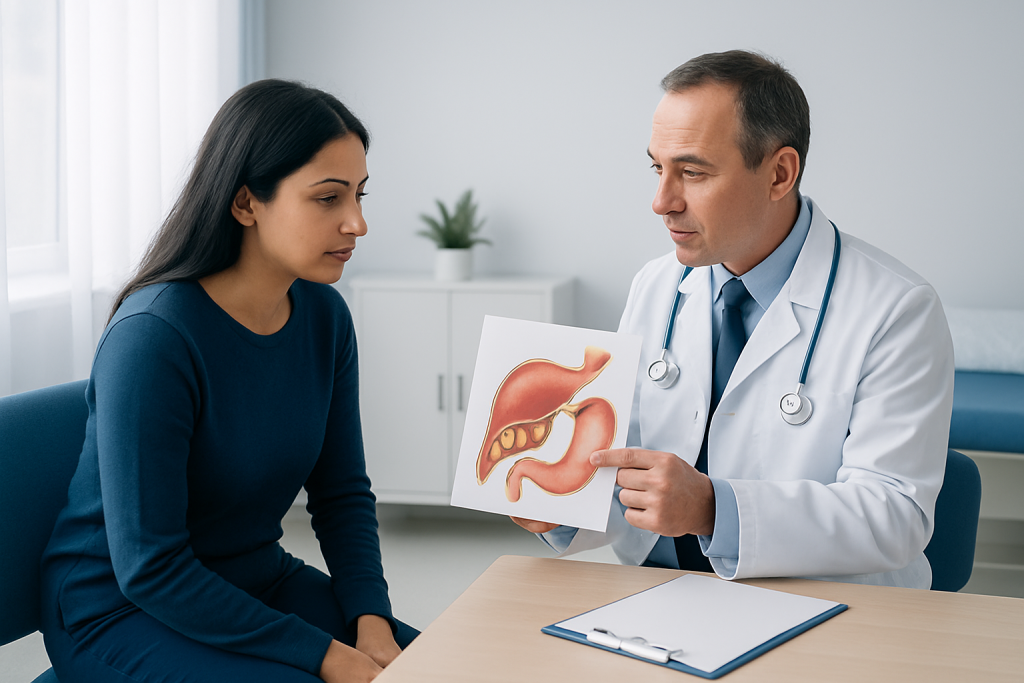
Some gallstones never cause symptoms at all. When they do, the discomfort often appears as pain in the upper right side of the abdomen or in the middle of the upper belly. The pain may spread to the back or right shoulder and can last from minutes to several hours.
Other possible symptoms include nausea, vomiting, bloating, or a feeling of fullness after eating. Symptoms may be more noticeable after greasy or very large meals, when the gallbladder contracts more strongly.
- Upper abdominal pain, especially after eating
- Nausea or vomiting
- Indigestion or bloating
- Pain that may move to the back or shoulder
Not every digestive symptom points to gallstones. A clinician may consider other conditions such as acid reflux, ulcers, or liver problems, which is why symptom patterns and imaging results are both important.
Causes & Risk Factors
Gallstones form because bile chemistry and gallbladder movement shift away from normal. Several factors can contribute, and in many people more than one is involved. A person may have a genetic tendency, then develop stones later when weight, hormones, or another illness changes how the gallbladder works.
Common causes and risk factors include the following:
- High cholesterol in bile
- Too much bilirubin, which can occur with some liver or blood conditions
- Poor gallbladder emptying
- Rapid weight loss or fasting
- Obesity or metabolic syndrome
- Pregnancy and estrogen exposure
- Family history of gallstones
- Increasing age
- Certain digestive disorders that affect fat absorption
- Some medications and prolonged periods without eating
Rapid body weight changes deserve special attention. When weight is lost quickly, the liver may release extra cholesterol into bile, and the gallbladder may empty less often. This can happen after very restrictive diets or after bariatric surgery, so patients planning weight loss or surgery should discuss gallstone prevention with their care team.
People with diabetes, inflammatory bowel disease, cirrhosis, sickle cell disease, or other conditions that affect bile or blood breakdown may also have a higher risk. None of these factors guarantees gallstones, but together they can explain why one person develops them while another does not.
How doctors diagnose the problem
Diagnosis often starts with a careful discussion of symptoms, meal patterns, prior weight changes, medications, and any history of liver, blood, or digestive disease. A clinician will also ask about the timing and location of pain, because gallstone pain tends to follow a recognizable pattern.
Ultrasound is the most common test used to look for gallstones. It is noninvasive, does not use radiation, and can usually show stones in the gallbladder clearly. If a stone may have moved into the bile duct, additional imaging such as MRI-based cholangiography or a specialized endoscopic test may be recommended.
Blood tests may be ordered to check liver enzymes, bilirubin, inflammation, or signs of infection. These tests do not always show gallstones directly, but they help identify complications and guide the safest next step, especially when care is being coordinated from another country.
Treatment Options
Treatment depends on whether the gallstones are causing symptoms or complications. When stones are found incidentally and are not bothering the person, doctors may recommend observation rather than immediate treatment. This approach is common when the stones are small, silent, and unlikely to interfere with daily life.
If gallstones cause repeated pain or lead to inflammation, gallbladder removal, called cholecystectomy, is often the definitive treatment. Many patients undergo minimally invasive surgery, which typically supports shorter recovery and easier return to normal activity, although the exact plan depends on the individual’s health and imaging findings.
In selected situations, medicines may be used to dissolve certain cholesterol stones, but this approach is not suitable for everyone and usually works more slowly than surgery. If a stone blocks the common bile duct, a procedure such as ERCP may be needed to remove it and restore bile flow. The right choice depends on anatomy, symptoms, and whether infection or jaundice is present.
International patients often benefit from a coordinated plan that includes pre-travel review, imaging, surgical consultation, and follow-up instructions before returning home. When needed, Acibadem Health Point’s multidisciplinary specialists and JCI-accredited hospitals diagnose and treat this condition for international patients.
Prevention & Self-care
Not every gallstone can be prevented, especially when family history or other medical conditions are involved. Still, some habits can lower risk or reduce the chance of symptoms becoming more troublesome. The goal is usually steady, sustainable health rather than rapid changes.
Helpful habits include maintaining a gradual, balanced weight pattern, eating regular meals, and avoiding crash diets or long fasting periods. A diet that includes fiber, healthy fats in reasonable amounts, and plenty of fluids may support overall digestive health, though it does not guarantee prevention.
- Aim for slow, steady weight loss if needed
- Do not skip meals for long periods
- Follow medical advice after bariatric surgery
- Stay active as advised by a clinician
- Manage diabetes and cholesterol-related conditions
People who have already had gallstones should ask their doctor about the chance of recurrence and whether any medications or follow-up imaging are appropriate. Self-care is most effective when it is tailored to the person’s overall health profile, not just the gallbladder itself.
When to See a Doctor
Medical advice should be sought if upper abdominal pain keeps returning, especially if it follows meals or wakes the person from sleep. A clinician can help determine whether the pain is coming from gallstones or another digestive problem that needs different treatment.
Prompt evaluation is especially important if pain is accompanied by fever, yellowing of the skin or eyes, dark urine, pale stools, persistent vomiting, or worsening tenderness in the abdomen. These features can suggest blockage or infection and should not be ignored.
For people planning surgery, traveling for treatment, or recovering after a procedure abroad, it is wise to arrange follow-up before leaving the hospital. Clear instructions about diet, activity, warning signs, and medication use help make recovery safer and more predictable across borders.
Living with gallstones while planning care
Some patients choose to monitor gallstones for a time, especially when the stones have not caused symptoms. In that situation, understanding the warning signs and keeping scheduled follow-up appointments matters more than trying to manage the condition alone. A stable plan can prevent unnecessary anxiety and reduce the chance of delayed treatment.
If surgery is recommended, patients often want to know how quickly they can return to work, travel, or normal eating. Recovery depends on the individual’s health and the type of procedure, so it is best to discuss these details with the treating team in advance. For those receiving care internationally, having imaging, discharge papers, and follow-up recommendations in one organized file can make communication with local doctors easier after returning home.
Cholelithiasis is common, understandable, and treatable. With accurate diagnosis and timely guidance, most people can move from uncertainty to a clear plan that fits their symptoms, lifestyle, and overall health.
Frequently asked questions
What is the main cause of cholelithiasis?
The main issue is an imbalance in bile, most often when bile contains too much cholesterol or when the gallbladder does not empty well. Over time, this allows crystals to form and develop into stones.
Can gallstones form without any symptoms?
Yes. Many people have gallstones for years without knowing it because the stones do not block bile flow or cause inflammation. They are often found during imaging for another reason.
Does rapid weight loss increase gallstone risk?
Yes, it can. Quick weight loss may change bile composition and reduce how often the gallbladder empties, which can make stones more likely.
How do doctors usually find gallstones?
Ultrasound is the most common test because it is safe, quick, and effective for gallbladder imaging. Blood tests may also be used to look for inflammation or blockage-related changes.
Do all gallstones need surgery?
No. Gallstones that do not cause symptoms may simply be monitored. Surgery is more often recommended when stones cause repeated pain or complications such as infection or duct blockage.
Can gallstones come back after treatment?
If the gallbladder is removed, stones in the gallbladder cannot come back because the organ is gone. If stones are treated without surgery, recurrence can still happen depending on the underlying cause.
References
- Mayo Clinic
- National Institute of Diabetes and Digestive and Kidney Diseases
- American College of Gastroenterology
- NHS
- Merck Manual Professional Edition
This article is for general information only and is not a substitute for professional medical advice. Please consult a qualified doctor about your individual situation.
Explore treatments in Turkey — costs, top hospitals & a free quote
JCI-accredited · board-certified surgeons · reply within 24h
Add us as a Preferred Source to see more of our trusted health content across Google Search, AI Overviews and Discover.