Vesicles

Key Takeaways
- Vesicles are tiny blisters filled with clear fluid and often signal an underlying skin or immune-related condition.
- They may develop after friction, allergic reactions, infections, heat exposure, or inflammatory skin disease.
- Diagnosis usually depends on appearance, location, symptoms, and sometimes a skin swab, blood test, or biopsy.
- Treatment focuses on the cause and may include soothing care, prescription medicines, or infection-specific therapy.
- Avoid popping vesicles, since this can increase irritation and the risk of infection.
- Medical review is especially helpful when blisters spread, recur, become painful, or are linked with fever or eye/mouth involvement.
Vesicles are small, fluid-filled blisters that can appear on the skin for many different reasons, from irritation and infections to inflammatory conditions. Understanding their pattern, trigger, and accompanying symptoms helps guide the right next step in care.
Overview
Vesicles are small, raised blisters on the skin that contain clear fluid. They are usually only a few millimeters across, which makes them different from larger blisters or bullae. While the appearance is simple, the reason they form can be quite varied.
Some vesicles develop after everyday skin irritation, such as rubbing from shoes or contact with a plant or chemical. Others are linked to viral infections, eczema, autoimmune skin diseases, or heat-related conditions. Because the skin is responding to an underlying trigger, the pattern of the rash often offers important clues.
For people traveling for care, a new blistering rash can feel difficult to interpret, especially when it appears far from home or during a trip. A careful skin examination, combined with a brief history of recent exposures, medications, and symptoms, usually helps clinicians narrow down the cause and recommend the next step.
Symptoms
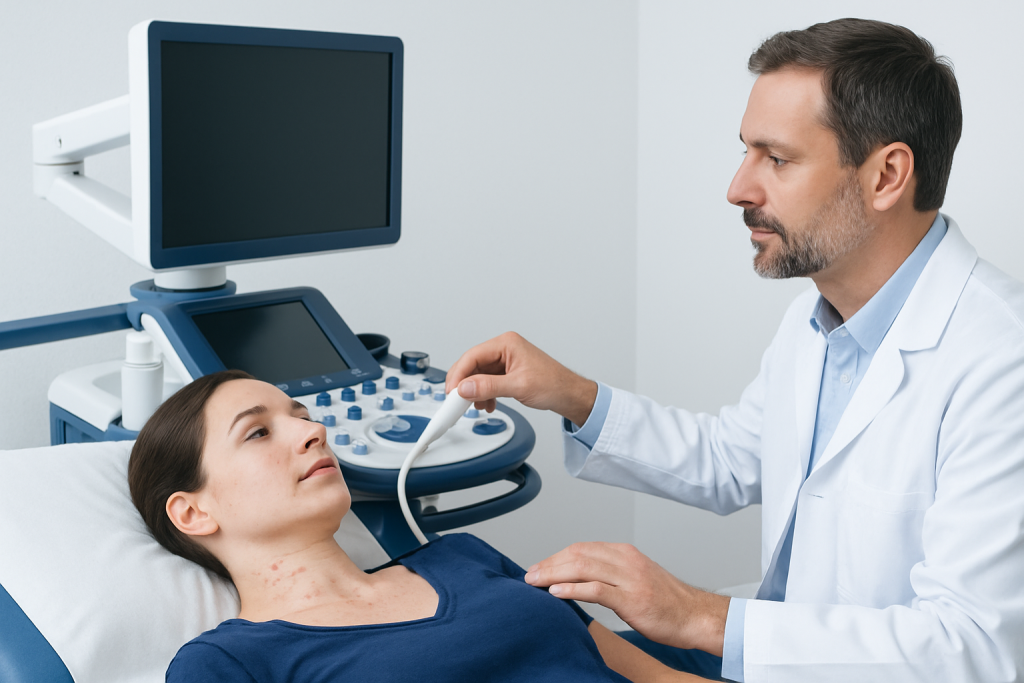
The most obvious sign is a cluster of tiny fluid-filled blisters on the skin. They may appear on a red or normal-looking base, and they can be surrounded by itching, burning, tenderness, or tightness in the skin. Some vesicles break easily and leave small raw areas or crusts behind.
Symptoms often depend on the cause. For example, vesicles caused by friction may be limited to the feet or hands, while viral infections may appear in grouped patches and may be accompanied by pain, fever, or a general feeling of being unwell. Inflammatory skin conditions can create recurring episodes that come and go over time.
It is also useful to notice whether the rash is localized or widespread, whether it follows a line or pattern, and whether the skin around it is warm, swollen, or very red. These details help clinicians distinguish vesicles from other skin findings, such as pustules, hives, or eczema flares.
Causes & Risk Factors

Vesicles form when fluid collects in a small space within the outer layers of the skin. That separation can happen for several reasons, including friction, allergic contact dermatitis, eczema, infections, burns, and certain immune-mediated skin disorders. In many cases, the vesicles are the body’s visible response to irritation or inflammation.
Common causes include herpes simplex infection, chickenpox or shingles, hand-foot-and-mouth disease, dyshidrotic eczema, allergic reactions to plants or chemicals, and blistering after heat or sun exposure. Less commonly, vesicles may be part of a more complex skin condition that needs specialist assessment.
Risk is higher when skin is exposed to repeated rubbing, moisture, new cosmetics or cleaning products, poison ivy-like plants, excessive sweating, or close contact with someone who has a contagious rash. A personal or family history of eczema, allergies, or autoimmune disease may also make certain causes more likely.
- Repetitive friction from footwear, sports gear, or manual work
- Contact with irritants, allergens, or certain plants
- Recent viral exposure or reactivation of a prior infection
- Hot weather, sweating, and prolonged skin occlusion
- Underlying eczema or other inflammatory skin conditions
Diagnosis
Diagnosis usually begins with a careful look at the rash itself. A clinician will ask when the vesicles started, where they appeared first, whether they itch or hurt, and whether there has been any fever, new medication, travel, or exposure to plants, chemicals, or sick contacts. The pattern of the rash often tells the story.
When the cause is not obvious, simple tests may be used. These can include a swab from a blister if infection is suspected, a skin scraping, patch testing for allergic triggers, or a biopsy if the skin pattern is unusual or persistent. Blood tests are sometimes helpful when an autoimmune or systemic condition is being considered.
For international patients, it is useful to bring photos of the rash at its earliest stage, along with a list of medications, skincare products, recent activities, and any past episodes. Skin conditions can change quickly, so early assessment tends to be more informative than waiting until the blisters have dried or crusted.
Treatment Options
Treatment depends on the cause rather than the blister itself. Small friction vesicles often improve with simple protection, reducing rubbing, and keeping the area clean and dry. Allergic or irritant-related vesicles may settle once the trigger is identified and avoided, sometimes with prescription creams to calm inflammation.
If an infection is responsible, treatment may involve antiviral, antibacterial, or other targeted medicine based on the diagnosis. Inflammatory skin diseases such as eczema may be managed with moisturizing routines, topical anti-inflammatory medicines, and trigger control. More extensive or recurrent blistering can require specialist dermatology care.
General care is important during recovery. Gentle cleansing, avoiding scratching, and protecting open areas from friction can reduce discomfort and lower the chance of secondary infection. If blisters are painful or widespread, a doctor may suggest additional measures to support healing and comfort.
- Do not pop or peel vesicles unless a clinician advises otherwise
- Use gentle, fragrance-free skin care products
- Keep affected areas protected from rubbing and sun exposure
- Follow any prescribed treatment exactly as directed by a doctor
Prevention & Self-care
Not every vesicle can be prevented, but many episodes can be reduced by understanding personal triggers. People who develop friction blisters may benefit from well-fitting shoes, moisture-wicking socks, and protective padding during long walks or exercise. Those with sensitive skin may do better with short, lukewarm showers and minimal, fragrance-free products.
When vesicles are related to contact irritation, the most effective approach is to identify the cause and avoid it. That may mean wearing gloves during cleaning, changing skincare or laundry products, or learning which plants or materials cause a reaction. If a viral cause is suspected, avoiding close skin contact with others until a clinician confirms the diagnosis may be wise.
Simple self-care can support comfort while the skin heals. Keeping the area clean, dry, and protected is usually helpful, and cool compresses may ease itching or burning. It is also sensible to watch for changes in color, drainage, swelling, or pain, because those features can suggest infection or a more active inflammatory process.
When to See a Doctor
Medical review is a good idea when vesicles appear suddenly without a clear cause, keep returning, or spread beyond a small area. A doctor should also assess blisters that are painful, very itchy, or associated with fever, swollen glands, or a general feeling of illness. These features can point to an infection or a skin condition that benefits from targeted treatment.
Prompt care is especially important if vesicles involve the eyes, mouth, genitals, or large areas of skin, or if the affected person has a weakened immune system, diabetes, or another chronic illness. Children, older adults, and pregnant people may also need earlier evaluation depending on the suspected cause.
For people arranging care from another country, a dermatology consultation can be useful because it brings together visual diagnosis, testing when needed, and follow-up planning in one pathway. At Acibadem Health Point, multidisciplinary specialists and JCI-accredited hospitals diagnose and treat vesicular skin conditions for international patients with coordinated care and clear follow-up.
Living With Recurrent Vesicles
When vesicles recur, the main challenge is often not the blister itself but the uncertainty around why it keeps happening. A symptom diary can help connect outbreaks to weather, stress, products, exercise, foods, new medicines, or seasonal changes. Over time, these notes may reveal a practical pattern that is easy to discuss with a dermatologist.
Recurrent blisters sometimes need a step-by-step approach: confirming the diagnosis, checking for triggers, and refining skin care habits. People who travel for treatment may find it helpful to take clear photos during flare-ups and keep copies of previous reports, especially if they receive care in more than one country.
With the right diagnosis, many vesicle-related conditions can be managed effectively. Even when the cause is chronic, the goal is usually to reduce flare-ups, protect the skin barrier, and keep day-to-day life comfortable and predictable.
Frequently asked questions
What are vesicles on the skin?
Vesicles are small, fluid-filled blisters that form within the outer layers of the skin. They can be caused by irritation, infection, allergies, or inflammatory skin conditions. Their size and pattern often help doctors identify the likely cause.
Are vesicles contagious?
The vesicles themselves are not contagious, but some causes of vesicles are infectious. For example, viral infections can spread from person to person, depending on the condition. A clinician can help determine whether precautions are needed.
Should vesicles be popped?
It is usually best not to pop them. Breaking the skin can increase irritation and raise the risk of infection. If a blister opens on its own, gentle cleaning and protection are generally preferred.
How long do vesicles last?
That depends on the cause. Some clear within days once friction or irritation stops, while others last longer if they are linked to eczema, infection, or an autoimmune skin condition. Recurrent or slow-healing vesicles should be assessed by a doctor.
Can eczema cause vesicles?
Yes, certain forms of eczema can cause small blisters, especially on the hands and feet. These episodes may be itchy and may return over time. Treatment usually focuses on skin-barrier care and controlling inflammation.
When is a rash with vesicles urgent?
It should be reviewed promptly if it is widespread, very painful, involves the eyes or mouth, or comes with fever or swelling. Urgent assessment is also sensible if the person is immunocompromised or if the rash is rapidly changing.
References
- American Academy of Dermatology
- DermNet
- Mayo Clinic
- National Health Service (NHS)
This article is for general information only and is not a substitute for professional medical advice. Please consult a qualified doctor about your individual situation.