Upper Endoscopy Abroad: What the Test Can Change in Your Treatment Plan

Key Takeaways
- Upper endoscopy lets doctors look directly at the esophagus, stomach, and first part of the small intestine.
- The test can change a treatment plan by identifying ulcers, inflammation, bleeding, narrowing, infection, or suspicious tissue.
- Biopsies taken during the procedure often provide the detail needed to choose the right next step.
- Some problems can be treated during the same endoscopy, such as bleeding control or stretching a narrowing.
- Preparation, sedation, and aftercare matter, especially when the patient is traveling from another country.
Medically reviewed by the Acıbadem clinical team — June 13, 2026
Upper endoscopy can do more than confirm a diagnosis: it can reveal the cause of symptoms, guide targeted treatment, and sometimes allow therapy in the same session. For international patients, understanding what the test can change in the plan helps make travel for care feel more deliberate and less uncertain.
Overview
Upper endoscopy, also called esophagogastroduodenoscopy or EGD, is a procedure that allows a doctor to examine the lining of the esophagus, stomach, and duodenum with a thin flexible camera. For many people, the main value of the test is not only seeing what is happening, but seeing it clearly enough to decide what should happen next.
That distinction matters. A patient may arrive with heartburn, swallowing trouble, nausea, anemia, unexplained pain, or a positive test that suggests bleeding. An upper endoscopy can confirm whether the problem is reflux-related irritation, an ulcer, celiac-related changes, infection, a growth, or something else entirely. In turn, that information can shift treatment from guesswork to a more focused plan.
For international patients, the procedure can be especially useful when time is limited and previous evaluations were inconclusive. A single well-planned endoscopy visit may combine diagnosis, tissue sampling, and sometimes treatment in one pathway, which can reduce delays once the patient returns home.
Symptoms That Often Lead to Upper Endoscopy
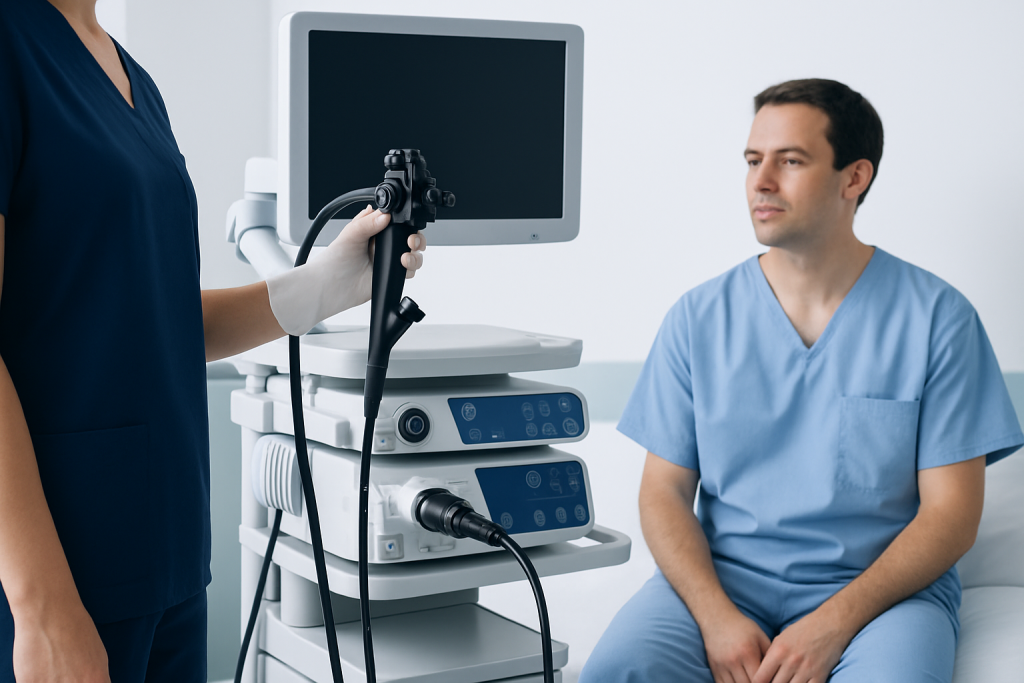
Doctors usually recommend upper endoscopy when symptoms suggest a problem higher up in the digestive tract or when warning signs need closer evaluation. Common reasons include persistent reflux despite treatment, difficulty swallowing, pain with swallowing, repeated nausea or vomiting, upper abdominal discomfort, or unexplained weight loss.
The test is also commonly used when there are signs of possible bleeding, such as black stools, vomiting blood, or iron-deficiency anemia without a clear source. In some patients, it is used to investigate long-standing bloating, early fullness after meals, or ongoing symptoms after an infection or medication change.
Not every symptom leads to an immediate procedure. Doctors consider age, medical history, how long the symptoms have lasted, and whether there are alarm features. The goal is to choose endoscopy when the information it can provide is likely to change care.
Causes & Risk Factors

Upper endoscopy is not performed for a single disease. It is a tool used to sort out a range of possible causes, from common inflammation to more complex conditions. Reflux disease, stomach ulcers, irritation from medications such as anti-inflammatory pain relievers, H. pylori infection, and inflammation of the esophagus are frequent findings.
Other possible causes include narrowing of the esophagus, benign or suspicious growths, Barrett’s esophagus, varices in people with liver disease, celiac-related changes, and sources of bleeding that are not obvious from symptoms alone. In some cases, the lining can look nearly normal, but biopsies still show a treatable condition.
Certain factors make endoscopy more likely to be useful. These include older age with new symptoms, family history of upper digestive tract disease, longstanding reflux, smoking, heavy alcohol use, chronic use of some medications, anemia, or a history of ulcers or prior upper gastrointestinal bleeding.
How the Test Can Change the Diagnosis
One of the main reasons upper endoscopy changes a treatment plan is that it can turn a broad symptom into a specific diagnosis. For example, heartburn-like symptoms may actually be caused by an ulcer, significant inflammation, a narrowed area, or even an eosinophilic condition that requires a different approach than standard reflux treatment.
During the procedure, the doctor can also take biopsies. These small tissue samples help identify infection, inflammatory changes, precancerous tissue, celiac disease, or other microscopic problems that cannot be confirmed by looking alone. That detail often determines whether the next step is medication, monitoring, repeat testing, or a specialist referral.
In some situations, the endoscopy result also helps rule out urgent concerns. If no dangerous cause is seen, treatment may focus on symptom control, diet adjustments, and follow-up rather than unnecessary interventions. For an international patient, that clarity can make it easier to plan the next stage of care before traveling back home.
Treatment Options Revealed or Enabled by Endoscopy
Upper endoscopy can do more than observe. If a doctor finds bleeding, certain types of ulcers, or fragile vessels, treatment may be delivered through the endoscope during the same session. This can include approaches to stop bleeding and reduce the chance of immediate recurrence.
The procedure can also guide other therapies. A narrowing may be stretched, suspicious tissue may be sampled for further planning, and some foreign bodies can be removed. In digestive conditions where treatment depends on the exact cause, endoscopy helps avoid a one-size-fits-all plan.
Once the findings are known, treatment may involve acid-reducing medication, antibiotics for infection, stopping a triggering medication, dietary changes, repeat surveillance, or referral for surgery or oncology evaluation if needed. The important point is that the endoscopy result often determines whether care stays conservative or needs to move more quickly.
For international patients, having the diagnosis and next-step plan documented clearly before departure is valuable. It makes follow-up with a local doctor more straightforward and lowers the chance of repeating the same tests unnecessarily.
What to Expect Before, During, and After
Preparation usually includes fasting for several hours so the stomach is empty. The care team may also ask about blood thinners, diabetes medication, allergies, prior sedation reactions, and any medical conditions that affect swallowing or breathing. These details matter because they influence safety and recovery planning.
During the procedure, the patient usually receives sedation or anesthesia support depending on the setting and clinical need. The endoscope is passed gently through the mouth while the patient rests comfortably. The examination itself is typically brief, although additional steps such as biopsies or treatment can take a little longer.
Afterward, mild throat irritation, bloating, or sleepiness may occur for a short time. Most people are advised not to drive or make major decisions immediately after sedation. If biopsies were taken or treatment was performed, the doctor may give specific instructions about diet, medication use, and when results will be available.
Prevention & Self-care
Not every condition found on endoscopy can be prevented, but certain habits can reduce irritation and support healing. Doctors often recommend avoiding smoking, limiting alcohol, and being careful with medicines that can irritate the stomach unless they are medically necessary. Following the prescribed treatment plan consistently is one of the best ways to improve outcomes.
People with reflux symptoms often benefit from smaller meals, not lying down soon after eating, and identifying foods that worsen symptoms for them personally. Those recovering from an ulcer or inflammation may need a temporary gentler diet, but advice should be individualized rather than strict and uniform for everyone.
For travelers, self-care also includes logistics. Bringing a medication list, written discharge instructions, biopsy follow-up details, and a contact plan for questions after returning home can make recovery smoother. If the patient will be seeing another doctor in a different country, sharing the endoscopy report early helps keep care consistent.
When to See a Doctor
Medical review is important if symptoms are persistent, worsening, or associated with red flags such as trouble swallowing, vomiting blood, black stools, fainting, unintentional weight loss, or ongoing anemia. These symptoms do not always indicate a serious condition, but they do deserve prompt evaluation.
People who have already had an endoscopy should seek advice if they develop severe abdominal pain, fever, chest discomfort, persistent vomiting, difficulty breathing, or symptoms of bleeding after the procedure. Mild soreness and temporary sleepiness are more expected, but anything that feels intense or does not settle should be checked.
For anyone considering care abroad, the most useful time to ask questions is before travel, not after arrival. A doctor can explain whether the test is likely to change treatment, whether biopsies may be needed, and how follow-up will work once the patient is back home. Acibadem Health Point’s multidisciplinary specialists and JCI-accredited hospitals diagnose and treat upper digestive conditions for international patients with coordinated support across the care journey.
Frequently asked questions
Why would an upper endoscopy change a treatment plan?
It can show the exact cause of symptoms rather than only suggesting one. That may lead to different medication, a biopsy, closer follow-up, or even treatment during the same procedure.
Is upper endoscopy only for severe symptoms?
No. It is often used for persistent symptoms, unexplained anemia, swallowing problems, or signs of bleeding. Doctors recommend it when the findings are likely to change care.
Can biopsies be taken during the test?
Yes. Biopsies are commonly taken when the doctor needs microscopic detail to confirm inflammation, infection, celiac disease, Barrett’s changes, or other conditions. The tissue samples often guide the next step in treatment.
Will I be awake during the procedure?
Many patients receive sedation, so they feel relaxed and remember little of the test. The exact approach depends on the clinic, the patient’s health, and the reason for the procedure.
How soon can I travel after upper endoscopy?
That depends on whether sedation was used and whether any treatment was done during the procedure. The doctor usually gives specific guidance, and it is best to have follow-up plans in place before leaving the country.
What should I bring if I am having the procedure abroad?
A current medication list, previous test results, allergy information, and a contact plan for aftercare are helpful. If possible, bring or request a written report in a language that your home doctor can easily review.
References
- National Institute of Diabetes and Digestive and Kidney Diseases
- American Society for Gastrointestinal Endoscopy
- World Gastroenterology Organisation
- Mayo Clinic
This article is for general information only and is not a substitute for professional medical advice. Please consult a qualified doctor about your individual situation.