

Tummy Tuck vs. Body Lift After Weight Loss: How to Choose the First Operation When You Cannot Do Everything at Once

Key Takeaways
- A tummy tuck focuses mainly on the abdomen and can tighten abdominal skin and muscles.
- A body lift addresses more areas, often including the abdomen, hips, back, and buttocks.
- The first operation is usually chosen based on the area causing the greatest physical or practical concern.
- Stable weight, good nutrition, and realistic recovery planning are important before surgery.
- Some people need staged procedures rather than one large operation.
- A plastic surgeon can help match the surgery plan to the person’s anatomy, goals, and travel schedule.
After major weight loss, loose skin may be treated with different body contouring surgeries, most commonly a tummy tuck or a body lift. The best first operation depends on where excess skin is most bothersome, overall health, recovery time, and how much improvement is needed in one stage.
Overview
After major weight loss, many people reach a new chapter that feels healthier on the inside but more complicated on the outside. The skin that once stretched to accommodate a larger body size may not shrink back fully, leaving folds around the abdomen, waist, lower back, thighs, or buttocks. For some patients, these changes are not only cosmetic; they can also affect clothing choices, hygiene, exercise, and comfort.
Two of the most common operations considered at this stage are a tummy tuck and a body lift. They are related, but they are not the same. A tummy tuck, also called abdominoplasty, is centered on the front of the abdomen. A body lift is broader and is designed to reshape several areas at once, often wrapping around the torso and lifting tissue in the lower body.
When everything cannot be done in one surgery, the question becomes practical: which operation should come first? The answer depends on where the biggest problem lies, how much skin excess is present, the person’s health, and what kind of recovery is realistic. A careful consultation helps turn a long wish list into a safe sequence of steps.
Symptoms

The changes after weight loss vary from person to person. Some people mainly notice a loose lower belly and stretched skin around the waistline. Others see skin sagging across the sides, the lower back, or the buttocks, with clothing sitting differently than expected. These changes can be subtle under loose garments but become obvious when bending, exercising, or trying on fitted clothing.
Physical symptoms may include skin irritation, rashes in skin folds, difficulty keeping the area clean and dry, or a feeling of heaviness from excess tissue. Some people report that the lower abdomen protrudes even after weight loss, especially if the abdominal muscles have separated or weakened during pregnancy or significant body changes. Others feel discomfort when walking, sitting, or finding supportive underwear or swimwear.
Emotional effects are also common. After reaching a weight-loss goal, many patients hope their outer shape will match their inner progress. When that does not happen right away, frustration is understandable. A consultation should acknowledge both the physical and emotional impact without assuming that every loose-skin problem needs the same operation.
Causes & Risk Factors
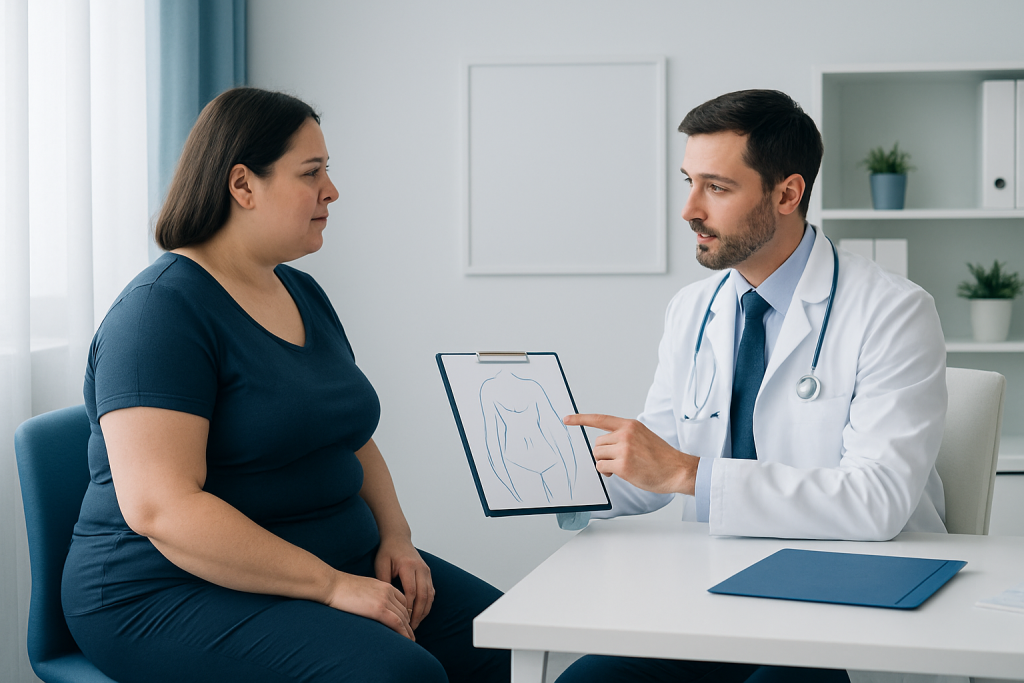
Major weight loss is the main reason these surgeries are considered, especially after bariatric surgery or a long period of lifestyle-based weight reduction. When the skin has been stretched for a long time, it may lose elasticity and remain loose even after the fat layer shrinks. The amount of looseness depends on how much weight was lost, how long the body carried the extra weight, age, genetics, and skin quality.
Other factors shape the surgical plan. People with a pronounced skin apron or muscle separation across the front of the abdomen may benefit more from a tummy tuck first. People with loose tissue around the lower torso, flanks, and buttocks may be better served by a body lift, because a front-only procedure would leave much of the problem untouched. Previous surgeries, smoking, diabetes, anemia, and nutritional deficits can also influence timing and safety.
International patients often face one more practical factor: the timing of travel. A body lift generally requires a longer and more demanding recovery than a tummy tuck, which can matter when arranging flights, family support, and follow-up care in another country. That logistical reality is part of the medical decision, not an afterthought.
Diagnosis
There is no lab test that decides between a tummy tuck and a body lift. The evaluation is primarily clinical and begins with a detailed discussion of symptoms, weight history, prior pregnancies or surgeries, and the patient’s goals. The surgeon examines where the skin excess sits, whether the abdominal wall is weak, and whether there is fat and laxity extending beyond the front of the abdomen.
Measurements, photographs, and a standing examination help map the problem in three dimensions. The surgeon may ask the patient to point out where clothing pinches, where skin folds collect moisture, and which area is most limiting day to day. This matters because “most bothersome” is not always the same as “largest.”
Preoperative testing may include routine blood work, assessment of nutrition, and review of medical conditions such as diabetes, clotting history, or heart and lung disease. For patients coming from abroad, the team may also coordinate imaging or medical records ahead of time so the consultation is efficient and the final plan is clear before travel.
Treatment Options
A tummy tuck is usually the better first operation when the main issue is the front of the abdomen. It removes extra lower abdominal skin, may tighten separated abdominal muscles, and can improve the contour of the midsection. It is often chosen when the upper and lower body are otherwise in reasonable proportion and the patient wants the most visible change in the belly area.
A body lift is broader. It may include a lower body lift, belt lipectomy, or a circumferential approach that treats the abdomen, waist, hips, and lower back in one operation. In some cases it can also improve the upper buttock area by lifting tissue rather than simply removing skin from the front. This makes it a strong option when looseness wraps around the torso instead of stopping at the navel.
When surgery must be staged, the first operation is usually the one that best addresses the dominant problem with the least surgical burden. In practical terms, that may mean:
- Choosing a tummy tuck first if the abdomen is the main source of discomfort, the patient wants a shorter recovery, or the skin excess is mostly front-centered.
- Choosing a body lift first if loose skin surrounds the waist and lower torso, clothing fit is affected all the way around, or the abdomen and flanks cannot be separated into a simple front-only plan.
- Delaying the second procedure until healing is complete, weight is stable, and nutrition is strong enough to support another operation.
Other supportive procedures may be discussed, such as liposuction in carefully selected areas or arm and thigh procedures later on. The sequence should be individualized. There is no universal rule that one surgery is always the “right” first step after weight loss.
Prevention & Self-care
Loose skin after major weight loss cannot always be prevented, and patients should not feel that they did something wrong if it appears. Still, several self-care steps can improve surgical readiness and recovery. Weight should be stable for a meaningful period before body contouring surgery, because ongoing weight loss or gain can change the result and affect skin tension.
Good nutrition is especially important. Protein intake, hydration, and correction of iron, vitamin, or mineral deficiencies help the body heal. If weight loss followed bariatric surgery, the surgeon may want evidence that nutritional status is adequate before scheduling a tummy tuck or body lift. Smoking should be stopped well before surgery, since it can interfere with wound healing and increase complications.
Recovery planning is also part of self-care. Patients should arrange help at home or at their destination, prepare loose clothing, understand activity limits, and plan for a quieter schedule after surgery. For international patients, it is wise to plan enough time near the surgical center for early follow-up before returning home, and to keep communication open for remote check-ins afterward.
When to See a Doctor
A consultation with a board-certified plastic surgeon is appropriate when loose skin causes physical discomfort, skin irritation, hygiene difficulties, or frustration with body shape after weight loss. It is also a good time to ask whether a tummy tuck, a body lift, or a staged combination makes the most sense. A patient does not need to decide alone before speaking with a specialist.
Medical review is especially important if there are ongoing health conditions, a history of blood clots, poor wound healing, anemia, uncontrolled diabetes, or recent changes in weight. These issues do not automatically rule out surgery, but they may change timing or require additional preparation. The safest plan is the one that accounts for the whole person, not just the skin that remains.
For travelers seeking care abroad, the consultation should also cover hospital standards, follow-up arrangements, and who will be available if questions arise after discharge. Acibadem Health Point’s multidisciplinary specialists and JCI-accredited hospitals diagnose and treat post-weight-loss body contouring conditions for international patients, with planning that supports both surgery and recovery across borders.
Recovery, Results, and Choosing the Sequence
Recovery needs are one of the biggest differences between these procedures. A tummy tuck often involves a more focused recovery, although it still requires rest, wound care, and limited activity. A body lift can involve more areas of the torso and may feel more demanding in the early period because the surgery is more extensive and the body is healing in a broader ring around the trunk.
That does not mean one is always better than the other. The key question is whether the first operation will meaningfully improve the person’s main problem and leave room for an acceptable second stage later. Some patients value a quicker return to routine and choose the more limited operation first. Others prefer a larger single correction if their anatomy and health allow it, especially when traveling for care and wanting to reduce the number of trips.
Results also depend on expectations. These surgeries can improve contour, clothing fit, and comfort, but they do not replace healthy habits or stop the body from changing in the future. A thoughtful surgeon will explain both the likely benefits and the limits in plain language, helping the patient choose the order of surgery based on daily life, not only on photographs.
FAQ
Is a tummy tuck or body lift better after weight loss?
Neither is automatically better. A tummy tuck is usually best for mainly front abdominal looseness, while a body lift is more suitable when excess skin wraps around the waist, hips, or lower back.
Can both surgeries be done at the same time?
Sometimes, but not always. The decision depends on safety, the amount of tissue to be removed, medical history, and how long the surgery would take. Many patients do better with staged procedures.
Which operation has the longer recovery?
A body lift generally requires a more involved recovery because it covers a wider area. A tummy tuck may be less extensive, but it still needs careful rest and activity limits.
Should weight be stable before surgery?
Yes. Stable weight helps the surgeon plan the operation more accurately and may improve the durability of the result. It also reduces the chance that further weight changes will alter the outcome soon after surgery.
What if there is loose skin only in one area but also some side fullness?
That is a common situation. The surgeon may recommend a tummy tuck with additional contouring or may advise a body lift if the side and back laxity are significant. The final choice depends on the full shape, not just the front view.
Can international patients travel home soon after surgery?
They need enough time for early healing and initial follow-up before flying. The timing should be decided by the surgical team, because travel too soon can interfere with recovery and make postoperative care harder to manage.
References
- American Society of Plastic Surgeons
- International Society of Aesthetic Plastic Surgery
- Mayo Clinic
- National Institute of Diabetes and Digestive and Kidney Diseases
- U.S. National Library of Medicine
This article is for general information only and is not a substitute for professional medical advice. Please consult a qualified doctor about your individual situation.
More from the Health Library

Facelift Planning Beyond Age: What Skin, Fat, and Neck Changes Actually Decide the Procedure

How Long Should You Plan to Stay in Turkey After Breast or Body Surgery?

Does Skin Quality Change Your Cosmetic Surgery Options?
Related Specialists

Dr. Ferhat Erenler
Anesthesiology
Assoc. Prof. Dr. İsmail Selçuk
Cardiovascular Surgery
Prof. Dr. Süda Tekin
Infectious Diseases & Clinical Microbiology
Dr. Murat Dutipek
Otorhinolaryngology