Tilapia Fish: Nutrition, Benefits and Risks

Key Takeaways
- Tilapia is a lean protein source that can be part of a balanced eating pattern.
- Its mild taste and firm texture make it easy to prepare in many cuisines.
- Food safety depends on fresh handling, proper storage, and thorough cooking.
- As with any fish, the overall value comes from portion size, preparation method, and the rest of the diet.
- People with special dietary needs should discuss fish choices with a qualified healthcare professional.
Medically reviewed by the Acıbadem clinical team — August 19, 2026
Tilapia fish is a widely eaten, mild-flavored fish that can fit into a balanced diet when chosen and prepared thoughtfully. Understanding its nutrition, food safety, and cooking methods helps people make practical choices for everyday meals.
Overview
Tilapia fish is one of the most familiar freshwater fish in kitchens around the world. Its mild flavor, affordable price, and quick cooking time have made it a practical choice for families, travelers, and anyone looking for a simple protein option.
From a nutrition standpoint, tilapia can contribute protein, vitamins, and minerals to a meal. It is often chosen by people who prefer a fish that does not taste strongly “fishy,” which can make it easier to include in a regular diet. For international patients adjusting to new food routines during treatment or recovery, that kind of flexibility can be helpful.
Like any food, tilapia is best understood in context. The fish itself is only one part of the picture; how it is raised, handled, and cooked matters just as much. A balanced meal built around vegetables, whole grains, and sensible portions will usually do more for health than focusing on a single ingredient alone.
Nutrition Profile
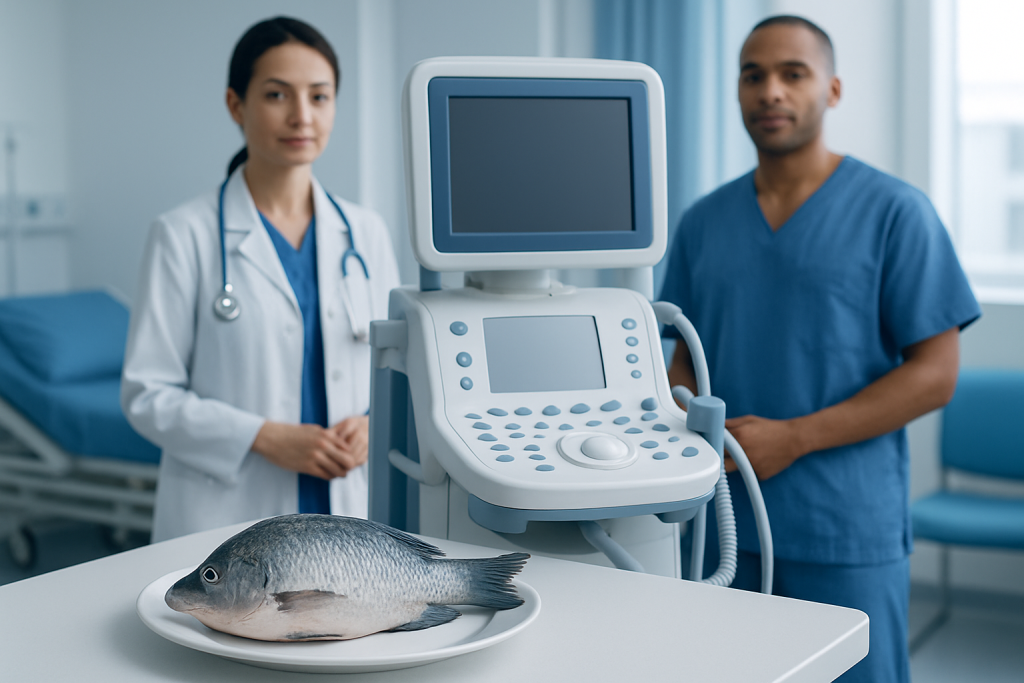
Tilapia is known primarily as a source of high-quality protein, which supports the maintenance of muscles, tissues, and immune function. It is generally lower in fat than many other animal proteins, which may appeal to people who want lighter meals.
The fish also contains important micronutrients such as selenium, vitamin B12, niacin, phosphorus, and potassium. These nutrients play roles in energy metabolism, nervous system function, and bone health. Exact nutrient levels vary depending on farming practices, feed, and the specific cut of fish.
- Protein: supports satiety and tissue repair
- Vitamin B12: helps nerve and blood cell function
- Selenium: supports antioxidant defenses
- Phosphorus: contributes to bone and cell health
Tilapia is not usually highlighted for omega-3 content as strongly as salmon, sardines, or mackerel. That does not make it a poor choice; it simply means people looking specifically for higher omega-3 intake may want to rotate fish types rather than rely on one species alone.
Possible Health Benefits

One of tilapia fish’s main advantages is convenience. When protein is easy to prepare, people are more likely to cook at home, choose simpler meals, and avoid heavily processed alternatives. In that sense, tilapia can support healthier eating habits indirectly.
Its lean profile may be useful for those who are trying to build balanced meals without excessive saturated fat. Paired with vegetables and whole grains, it can fit into a heart-conscious pattern of eating. For patients who are recovering from illness or traveling for care, easy-to-digest protein sources are often welcome.
Tilapia may also be a helpful option for people who are introducing fish into the diet gradually. Because the flavor is mild, it can be seasoned in many ways without overwhelming the meal. That makes it adaptable across different cultures and dietary preferences.
Concerns and Common Myths
Tilapia often comes with strong opinions online, and not all of them are well grounded. Some discussions focus on farming methods, while others compare its nutrient profile with that of oily fish. The key is to separate the fish itself from broad claims that may not apply to every product or source.
It is true that not all tilapia is identical. Farming conditions, feed, and processing standards can differ. That is why buyers are encouraged to choose reputable suppliers and pay attention to freshness, labeling, and food safety practices rather than assuming all tilapia is the same.
Another common misconception is that tilapia is “unhealthy” by definition. In reality, it can be part of a nourishing diet when eaten in sensible portions and prepared in a healthy way. Fried breading, heavy sauces, and oversized servings may add more concern than the fish itself.
How to Choose and Store Tilapia
Fresh tilapia should smell clean and mild, not strong or sour. The flesh should look moist and firm, with no slimy texture. If buying frozen tilapia, the packaging should be intact and the fish should not show signs of repeated thawing and refreezing, such as heavy ice crystals or freezer burn.
Proper storage matters whether the fish is fresh or frozen. Fresh tilapia should be kept cold and used promptly, while frozen fillets should remain frozen until ready to cook. Once thawed, fish should generally be handled as a perishable ingredient and cooked without unnecessary delay.
- Buy from suppliers with good hygiene and turnover
- Keep raw fish separate from ready-to-eat foods
- Use clean utensils and cutting boards
- Refrigerate leftovers promptly
For people preparing meals while abroad for medical care, these basic steps can reduce avoidable foodborne illness and make home-style cooking safer in unfamiliar kitchens.
Preparation and Cooking Methods
Tilapia cooks quickly, which makes it practical for busy households and for patients who want simple meals during recovery. Baking, grilling, steaming, poaching, and air-frying are all commonly used methods that can keep the dish lighter than deep frying.
A good approach is to season the fish with herbs, lemon, garlic, or mild spices and pair it with vegetables and a whole grain such as brown rice or quinoa. This creates a balanced plate without relying on heavy coatings or rich sauces. For people with reduced appetite, a tender, simply prepared fillet may be easier to tolerate than a more elaborate meal.
Fish should be cooked thoroughly and handled safely before serving. Cross-contamination from raw fish to cooked food should be avoided. If someone is following a medically advised diet after surgery or illness, a clinician or dietitian can help determine which texture and preparation style is most appropriate.
Prevention, Safety, and Self-Care
Food safety is a central part of enjoying tilapia responsibly. People with weakened immune systems, older adults, pregnant individuals, and those recovering from procedures may need to be especially careful with raw handling and undercooked seafood. In these situations, fully cooked fish is usually the safer choice.
Tilapia can fit into self-care routines when it is one of several protein options rather than the only one. A varied diet that includes legumes, eggs, dairy if tolerated, and other fish species can provide a broader nutrient mix. Variety also helps prevent mealtime fatigue, which can matter during long recovery periods or travel.
People managing conditions such as Kidney Disease Treatment" class="ahp-ilk">kidney disease, cardiovascular disease, food allergies, or digestive sensitivities should ask a healthcare professional how fish fits into their personal plan. General nutrition advice is helpful, but individual needs can differ quite a bit.
When to See a Doctor
Medical advice is appropriate if a person has symptoms of foodborne illness after eating fish, such as persistent vomiting, fever, diarrhea, severe abdominal pain, or dehydration. These symptoms do not always mean something serious, but they should not be ignored if they are strong or prolonged.
It is also sensible to speak with a doctor or dietitian before making major diet changes for a chronic condition. This is especially important for people with kidney disease, high cholesterol, heart disease, pregnancy-related dietary needs, or complex recovery plans after surgery.
For international patients who are coordinating care away from home, an experienced team can help connect nutrition guidance with the rest of the treatment plan. At Acibadem Health Point, multidisciplinary specialists and JCI-accredited hospitals diagnose and treat a wide range of conditions for international patients, including those who need tailored dietary support during recovery.
Frequently asked questions
Is tilapia fish healthy to eat regularly?
Tilapia can be part of a healthy diet when eaten as one of several protein choices and prepared in a sensible way. It is best viewed as a practical lean protein rather than a standout source of omega-3 fats. Variety in seafood choices is usually a better strategy than depending on one fish alone.
Does tilapia have a lot of omega-3 fatty acids?
Tilapia generally has less omega-3 fat than oily fish such as salmon, sardines, or mackerel. That does not make it unhelpful, but it does mean people seeking more omega-3s may want to choose a wider mix of fish. A clinician or dietitian can help match fish choices to specific health goals.
What is the safest way to cook tilapia?
Baking, grilling, steaming, poaching, and air-frying are all common safe methods when the fish is cooked thoroughly. Raw or undercooked fish should be avoided by people who are pregnant, immunocompromised, or recovering from certain medical treatments. Safe handling before cooking is just as important as the cooking method itself.
How can someone tell if tilapia is fresh?
Fresh tilapia usually has a mild smell, firm flesh, and a moist appearance. Strong odor, sliminess, or dull, damaged packaging are warning signs. When in doubt, it is better to choose another package or another source.
Can people with heart concerns eat tilapia?
Tilapia may fit into a heart-conscious eating pattern when it is prepared without heavy frying or excess saturated fat. The overall meal pattern matters more than one ingredient. People with heart disease should ask their doctor how fish fits into their broader nutrition plan.
Is frozen tilapia a good choice?
Frozen tilapia can be a practical option because it is easy to store and often simple to prepare when needed. The main point is to choose a reputable product, keep it properly frozen, and thaw it safely before cooking. Frozen fish can be perfectly suitable for home cooking and travel-related meal planning.
References
- World Health Organization
- Food and Agriculture Organization of the United Nations
- U.S. Food and Drug Administration
- United States Department of Agriculture
- Harvard T.H. Chan School of Public Health
This article is for general information only and is not a substitute for professional medical advice. Please consult a qualified doctor about your individual situation.
Explore treatments in Turkey — costs, top hospitals & a free quote
JCI-accredited · board-certified surgeons · reply within 24h
Add us as a Preferred Source to see more of our trusted health content across Google Search, AI Overviews and Discover.