The Real Timeline for Swelling After Cosmetic Surgery: What Changes Week by Week

Key Takeaways
- Swelling often peaks in the first few days after cosmetic surgery and then gradually settles over weeks to months.
- The visible change on the outside may improve before deeper swelling fully resolves.
- Different procedures and individual factors can affect how long swelling lasts.
- Simple recovery habits such as rest, positioning, compression when advised, and gentle walking can help support healing.
- New or worsening pain, redness, fever, or sudden one-sided swelling should be discussed with a doctor promptly.
Medically reviewed by the Acıbadem clinical team — June 13, 2026
Swelling is a normal part of healing after cosmetic surgery, but it does not follow the same pattern for every procedure or every patient. This guide explains what typically changes week by week, how to support recovery, and when it is wise to check in with a surgeon.
Overview
After cosmetic surgery, swelling is not a complication to fear by default; it is one of the body’s most ordinary repair responses. The tissues have been handled, lifted, reshaped, or tightened, and fluid naturally moves into the area while the body begins its work of healing. For many people, the first question is not whether swelling will happen, but how long it will last and how much of it is part of the expected recovery story.
The answer depends on the procedure, the area treated, and the person’s own healing pattern. Facial procedures may look puffy in the first week, body contouring often creates deeper swelling that changes more slowly, and combined procedures can stretch the timeline further. For international patients planning treatment abroad, it helps to understand this early so that travel, hotel stays, follow-up visits, and return flights are timed around the stage of healing rather than around appearance alone.
What matters most is the trend over time. Swelling should generally ease, even if it rises and falls during the first several weeks. A clear understanding of the usual timeline can make recovery feel less uncertain and can help patients know when a change is normal and when a surgeon should review it.
Symptoms and what swelling usually feels like
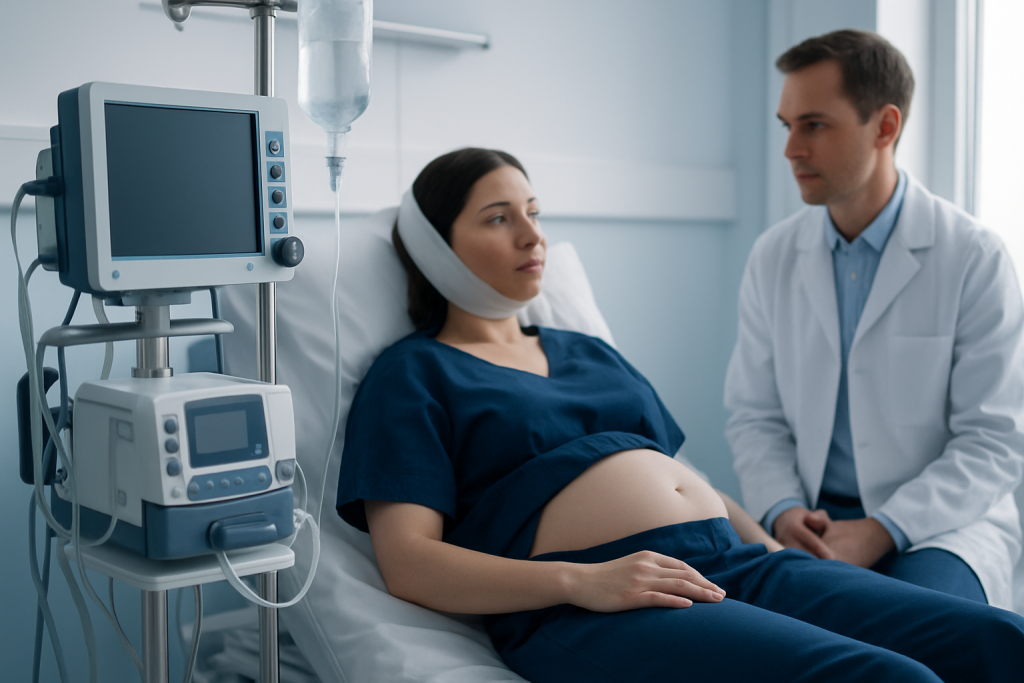
Swelling can appear as fullness, tightness, or a heavy feeling in the treated area. The skin may look shiny or feel firm, and clothing, rings, glasses, or supportive garments may fit differently than expected. In the first phase of healing, this can be striking, but it does not necessarily mean something is going wrong.
There is also an important difference between visible swelling and deeper tissue swelling. The outside may look much better before the internal tissues have fully settled. Because of this, patients sometimes feel surprised that the shape is still changing long after they expected the area to look “done.”
Common experiences during recovery may include:
- Temporary puffiness that is more noticeable in the morning or after activity
- Tightness, firmness, or a stretched sensation
- Bruising that changes color as it fades
- Mild asymmetry, since one side can settle faster than the other
- Fluctuations in swelling from day to day, especially early on
These patterns are often part of normal healing. The more important sign is whether swelling is generally decreasing over time and whether the area remains comfortable and within the range explained by the surgical team.
Causes and risk factors

Swelling after cosmetic surgery is caused by the body’s inflammatory response. Surgery creates controlled tissue injury, and that triggers fluid shifts, immune activity, and temporary changes in circulation. This process helps repair the area, even though it can make the recovery period look and feel less neat than the final result will eventually be.
Some procedures tend to create more swelling than others. Operations involving broader tissue dissection, fat removal, skin tightening, bone work, or multiple treatment areas often recover more slowly. Facial procedures may look puffy because the tissues are delicate and highly vascular, while body contouring can bring longer-lasting internal swelling because the affected area is larger and deeper.
Several factors can influence how pronounced swelling becomes:
- The type and extent of surgery
- How much tissue was moved or removed
- Individual healing tendencies
- Smoking or nicotine exposure
- High salt intake, poor sleep, or early overexertion
- Medical conditions that affect circulation or fluid balance
Travel itself can also matter. Long flights, sitting for extended periods, and changes in sleep routine may make swelling more noticeable for a short time. This is one reason surgeons often give international patients specific guidance on when to fly and how to protect recovery during the return journey.
Diagnosis and how surgeons monitor recovery
Swelling after cosmetic surgery is usually identified through the healing timeline, a physical examination, and the patient’s own description of day-to-day change. A surgeon will look at the incision sites or treated areas, check whether the swelling is soft or firm, and compare the current appearance with what would be expected for that stage of recovery. The pattern over time is often more informative than one single snapshot.
In many cases, no special test is needed. The question is usually whether the swelling follows a normal course, responds to rest and aftercare, and remains limited to the operation site. If a surgeon suspects a problem such as fluid collection, infection, circulation issues, or a blood clot, they may order imaging or additional evaluation. That decision depends on symptoms, exam findings, and the type of surgery performed.
Patients can help by keeping notes or photos, especially when they are recovering far from the surgical center. A simple record of how swelling looks in the morning and evening, what activities were done that day, and whether any new symptoms appeared can make remote follow-up more useful and more precise.
Treatment options and the week-by-week timeline
The recovery pattern is not perfectly identical for every operation, but a general timeline can help patients know what to expect. In the first few days, swelling usually increases as the body responds to surgery. This is often when the area feels tightest and looks most dramatic. Bruising may deepen during this stage before it starts to fade.
During weeks 1 to 2, swelling commonly remains obvious, but the most intense phase usually begins to settle. The area may still fluctuate during the day, and activity, heat, or prolonged sitting can make puffiness more noticeable. Many patients begin to see a clearer outline of the surgical result, even though the final shape is still hidden under residual swelling.
From weeks 3 to 6, visible improvement often becomes easier to appreciate. The swelling may not disappear evenly; one side can look calmer than the other, and some procedures leave areas of firmness that gradually soften. Patients often feel well enough to resume more of their daily routine during this period, but the tissues may still be healing underneath.
By months 2 to 3, the swelling is usually much less conspicuous, although subtler puffiness can linger. This is especially true after body contouring, breast surgery, rhinoplasty, or larger combined procedures. The final contour may keep refining for several more months as the deeper tissues settle and scar tissue matures.
Supportive treatment depends on the procedure and the surgeon’s instructions. Common measures may include:
- Wearing compression garments or dressings if prescribed
- Sleeping with the treated area elevated when recommended
- Taking short, gentle walks to support circulation
- Avoiding smoking or nicotine
- Following activity limits for lifting, bending, or strenuous exercise
- Using medications only as directed by the surgical team
Some patients hear about massage, drainage techniques, or skin treatments, but these should only be used when the surgeon says they are appropriate. The right method depends on the procedure, the stage of healing, and whether there is any concern about fluid pockets or wound stress.
Prevention and self-care
Swelling cannot be prevented completely, and that is not the goal. The aim is to help the body heal smoothly and avoid habits that prolong puffiness or irritate the surgical area. A calm, predictable recovery routine often does more than trying to “speed up” healing.
Practical self-care usually starts with the basics: following the surgeon’s instructions closely, keeping follow-up appointments, and protecting the area from pressure or accidental injury. Rest matters, but so does gentle movement. Very long periods of bed rest can slow circulation, while overactivity can increase swelling. The balance is usually somewhere in between.
Helpful recovery habits may include:
- Keeping the head or treated area elevated if advised
- Drinking enough water and eating balanced meals
- Limiting excess salt if the surgeon recommends it
- Using compression exactly as instructed
- Avoiding heat exposure such as saunas or hot baths too early
- Planning travel, work, and family responsibilities around recovery time
For patients returning home after surgery abroad, self-care also includes logistics. Clear written instructions, a contact number for the surgical team, and a realistic plan for local follow-up can reduce anxiety and make it easier to notice true changes rather than normal day-to-day variation.
When to see a doctor
Most swelling after cosmetic surgery is expected, but certain changes deserve prompt review. It is sensible to contact the surgeon if swelling suddenly increases after improving, becomes much more pronounced on one side, or is accompanied by new or worsening pain. A change in temperature, redness, drainage, or fever can also suggest that the recovery pattern needs closer attention.
Medical advice should be sought urgently if there is trouble breathing, chest pain, a rapidly expanding swollen area, or swelling in the legs with pain or shortness of breath. These are not typical recovery features and need immediate medical assessment. Even when symptoms turn out to be minor, it is better to ask early than to wait in uncertainty.
Patients who are recovering in another country should know in advance whom to contact if something changes after they leave the hospital. Acibadem Health Point’s multidisciplinary specialists and JCI-accredited hospitals support international patients with diagnosis and treatment planning for cosmetic surgery recovery, including follow-up guidance when swelling does not follow the expected path.
Looking ahead: what the final result usually means
It is easy to judge a cosmetic surgery result too early, especially while swelling still changes the outline of the treated area. The early weeks show healing, not the final answer. For many patients, patience is part of the procedure itself, and understanding the timeline can make that wait feel more manageable.
As swelling fades, small details become easier to see. Contours look softer, scars mature, and the treated area begins to behave more like part of the body again. That gradual transition is often more reassuring than dramatic overnight change, because it reflects steady healing rather than short-lived appearance shifts.
Patients do best when they treat recovery as a process with stages, not a race toward an instant result. Regular follow-up, realistic expectations, and prompt communication with the surgical team help ensure that the healing path stays on course.
Frequently asked questions
How long does swelling usually last after cosmetic surgery?
Swelling often peaks in the first few days and then gradually improves over several weeks. Some deeper or more extensive procedures can leave subtle swelling for months. The exact timeline depends on the operation and the person’s healing response.
Is it normal for swelling to look worse at some times of day?
Yes, mild day-to-day fluctuation is common, especially early in recovery. Activity, posture, salt intake, and travel can all make swelling more noticeable for a while. What matters most is the overall trend toward improvement.
Why does one side sometimes look more swollen than the other?
Uneven swelling is common because tissues do not always heal at the same pace on both sides. This is often temporary and becomes less noticeable as recovery continues. If the difference is sudden or severe, the surgeon should be informed.
Does compression help swelling after surgery?
Compression can help in some procedures when it is specifically recommended by the surgeon. It should be used exactly as instructed, because the wrong fit or timing can be unhelpful. The best approach depends on the type of surgery and the healing stage.
When should a patient be worried about swelling?
Swelling that suddenly increases, becomes very painful, or appears with redness, fever, drainage, or breathing problems should be reviewed promptly. These changes are not typical of routine healing. If in doubt, the surgical team should be contacted for advice.
References
- American Society of Plastic Surgeons
- American Board of Cosmetic Surgery
- NHS
- Mayo Clinic
- International Society of Aesthetic Plastic Surgery
This article is for general information only and is not a substitute for professional medical advice. Please consult a qualified doctor about your individual situation.
More from the Health Library



Related Specialists
Assoc. Prof. Dr. Mirza Zafer Dağtaş
Orthopedic Surgery & Traumatology
Dr. Burcu Solmaz
Pediatrics
Prof. Dr. Ertuğrul Zencirci
Cardiology
Assoc. Prof. Dr. Rıza Gürhan Işıl
General Surgery