How Surgeons Judge Skin Elasticity Before Body Contouring Surgery

Key Takeaways
- Skin elasticity helps surgeons predict how the skin may tighten after body contouring.
- A detailed consultation may include an exam, medical history review, and discussion of weight changes, pregnancy, and prior surgeries.
- Loose skin, stretch marks, scars, and tissue quality all influence the choice of procedure.
- Good surgical planning can reduce the risk of uneven contours, wound-healing issues, and disappointing results.
- Patients are usually advised to reach a stable weight and avoid smoking before surgery.
- Questions about expectations, recovery, and follow-up are important, especially for patients traveling from abroad.
Medically reviewed by the Acıbadem clinical team — June 13, 2026
Before body contouring surgery, surgeons look closely at skin elasticity to estimate how well the skin may retract after fat removal or tissue reshaping. This assessment helps shape safer, more realistic surgical plans and clearer recovery expectations.
Overview
When surgeons plan body contouring surgery, they are not only looking at where excess tissue can be removed. They are also studying how the skin itself behaves. Skin elasticity is the quality that allows skin to stretch and then return toward its original shape. In body contouring, that quality helps the surgeon estimate whether the skin will contract smoothly after surgery or whether extra skin removal will be needed.
This step matters because body contouring is not a single operation. It may include procedures such as an abdominoplasty, arm lift, thigh lift, back contouring, or post-weight-loss reshaping. Each area has its own skin quality, and each patient brings a different history of weight changes, pregnancy, aging, sun exposure, previous surgery, and genetics. A careful assessment helps the surgeon match the procedure to the body rather than forcing one standard approach.
For patients considering treatment from another country, this conversation is especially important. Travel, time away from work, and recovery in a temporary location all make planning more precise. A surgeon’s judgment about elasticity influences incision placement, the amount of tissue that can be safely removed, and how much support the patient may need during healing.
What surgeons mean by skin elasticity
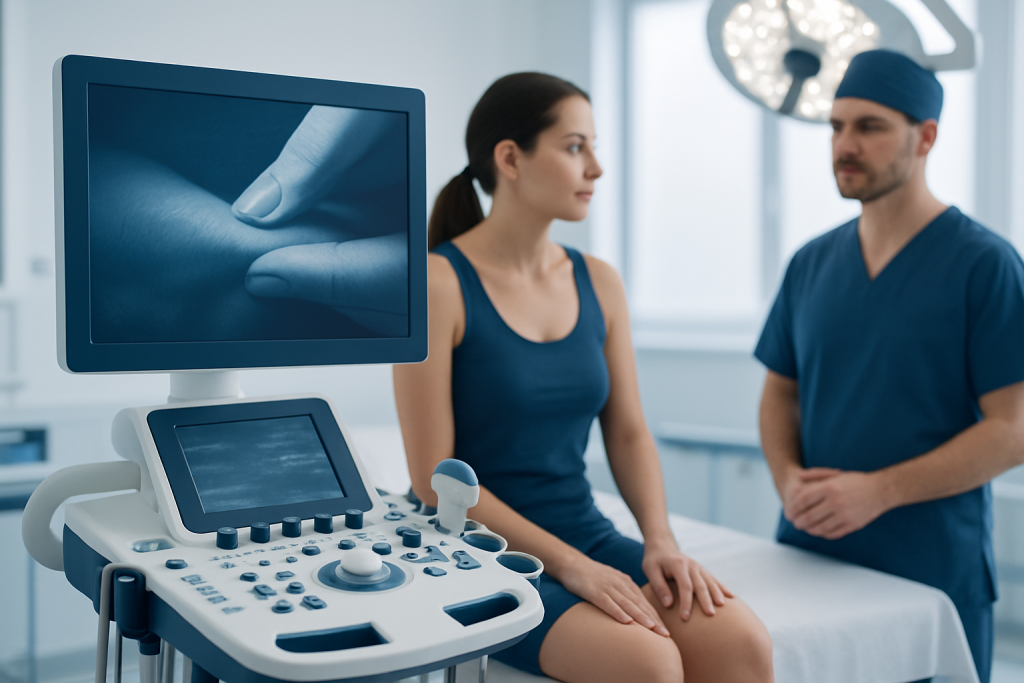
Skin elasticity is often discussed as though it were a single number, but in practice it is a combination of visible and tactile clues. Surgeons look at how quickly skin rebounds when gently stretched, how thick or thin it feels, and whether it appears tight, crepey, or heavily lax. They also consider the deeper tissues underneath, because skin quality is only one part of the overall contour.
Elastic skin usually adapts better after surgery. It may settle more evenly and reveal smoother outlines once excess fat or tissue has been removed. Less elastic skin may hang or fold more easily, which can affect the need for skin excision, the length of the incision, and the likelihood that a more extensive procedure will be recommended.
It helps to think of elasticity as part of the body’s “shape memory.” Some skin retains it well after weight gain or pregnancy; other skin has been stretched for so long that it no longer rebounds reliably. Surgeons use this information to avoid overpromising what a contouring procedure can achieve.
How surgeons assess skin elasticity in consultation
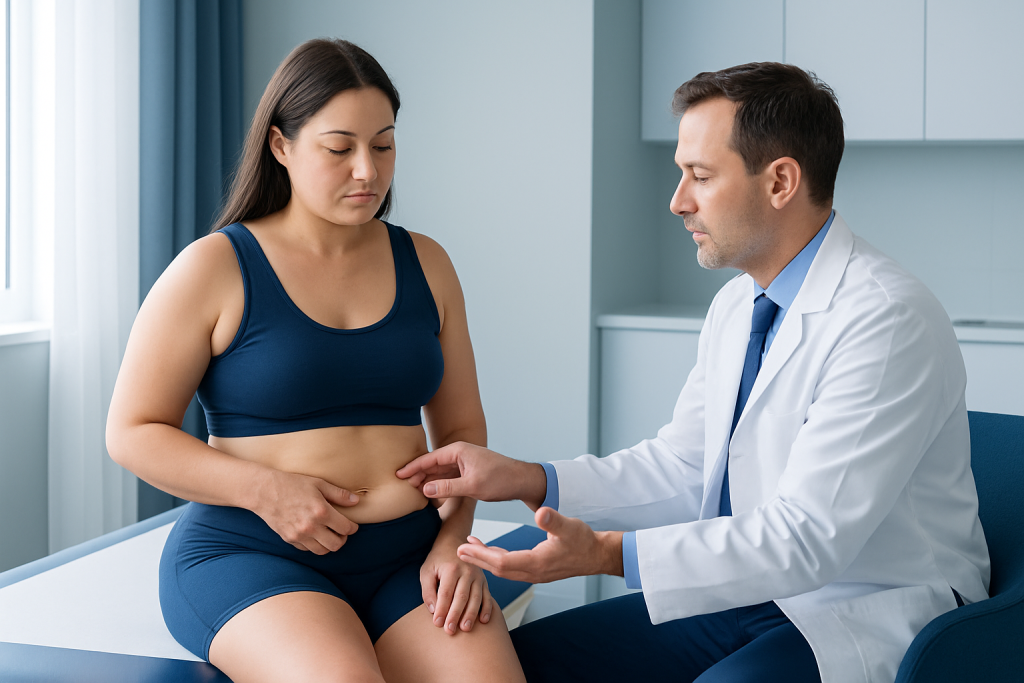
The assessment begins with a detailed conversation. Surgeons ask about the patient’s weight history, how long the skin has been loose, whether weight has stabilized, and whether pregnancies, prior operations, or bariatric surgery have changed the body shape. They also review medications, smoking history, and medical conditions that can affect wound healing or tissue quality.
During the physical examination, the surgeon visually inspects the skin and gently tests how it moves. They may pinch the skin to judge thickness, observe how it drapes when the patient changes position, and check for stretch marks, scars, asymmetry, or areas of poor tone. In some cases, the surgeon may ask the patient to stand, bend, sit, or raise the arms so the skin’s behavior is seen from different angles.
There is also a practical side to the examination. Surgeons often compare the amount of loose skin with the amount of fat remaining and assess whether muscle separation or tissue weakness is contributing to the contour problem. That distinction matters because skin laxity alone is managed differently from laxity combined with deeper structural change.
- History of major weight loss or weight regain
- Duration of skin stretching or looseness
- Smoking and nicotine exposure
- Previous scars, surgeries, or pregnancies
- Overall health and healing potential
Why elasticity changes the surgical plan
Skin elasticity helps determine whether a patient is a better candidate for a limited contouring procedure or a more comprehensive one. If the skin has good recoil, a surgeon may be able to achieve a pleasing result with less extensive skin removal. If recoil is poor, simply taking away fat may leave loose folds behind, so a skin-tightening approach becomes more relevant.
It also influences where incisions are placed. The surgeon may choose sites that allow the remaining skin to be redraped in a more natural way, while balancing visibility, tension, and healing. In some cases, staging procedures is safer than trying to correct several areas at once, especially when the skin quality varies across the body.
For post-weight-loss patients, elasticity is often a central issue because the skin has usually been stretched over a long period. In these cases, the discussion may include what can realistically be improved in one operation, what may need a second stage, and how compression garments and scar care fit into the plan.
Common causes of reduced skin elasticity
Reduced elasticity can develop for many reasons. The most common are major weight changes, aging, pregnancy, and prolonged stretching of the skin. As collagen and elastin change over time, the skin may become thinner, looser, or less responsive to repositioning after surgery.
Smoking can also affect tissue quality by reducing blood flow and impairing healing. Sun damage, poor nutrition, certain medical conditions, and repeated cycles of weight gain and loss may contribute as well. Some people also have naturally less elastic skin because of inherited traits.
It is useful for patients to know that this is not a sign of failure or neglect. Skin quality is influenced by biology and life events. The surgical plan simply needs to account for those realities in a safe, individualized way.
Common factors surgeons consider include:
- Significant weight loss or rapid weight change
- Aging and natural loss of collagen support
- Pregnancy-related stretching
- Smoking or nicotine use
- Past scars, surgery, or trauma
- Genetic tendency toward lax or thin skin
How surgeons use elasticity to choose the right procedure
Body contouring is designed to improve shape, but the type of operation has to match the tissue that remains. When elasticity is reasonably good, a surgeon may focus on targeted contouring, knowing the skin is more likely to adapt. When elasticity is weak, skin removal becomes a bigger part of the operation because the skin will not reliably shrink on its own.
This is why patients with similar starting weights can receive different recommendations. One person may be suited to liposuction plus limited skin tightening, while another may need a procedure that removes both fat and excess skin. The decision is less about appearance alone and more about tissue behavior, healing, and long-term stability.
Surgeons also weigh symmetry and proportion. If one area has tighter skin than another, a conservative plan may avoid creating a mismatch. The goal is not simply a smaller area; it is a contour that looks balanced and remains stable as swelling resolves.
Preparing the body and skin before surgery
Preparation starts well before the operation date. Surgeons commonly ask patients to reach a stable weight, because ongoing weight loss or gain can change the skin again after surgery. They may also advise stopping nicotine use and discussing any supplements, medicines, or health conditions that could affect bleeding or healing.
Good skin care does not create elasticity on its own, but healthy habits support tissue recovery. Adequate protein, hydration, sleep, and overall nutrition help the body heal. Patients should also follow preoperative instructions carefully, especially if they are traveling internationally and must organize medical documents, postoperative garments, and follow-up timing in advance.
It can be helpful for patients to arrive with realistic expectations. Elasticity assessment does not predict a perfect result; it helps identify what is achievable and where scars, firmness, or gradual settling are expected parts of recovery. Clear expectations usually make the experience calmer and more satisfying.
When to see a doctor
Anyone considering body contouring should speak with a qualified plastic surgeon, especially if they have major skin looseness after weight loss, pregnancy, or aging. A consultation is also important if the skin hangs in folds, causes hygiene problems, interferes with movement, or becomes irritated and uncomfortable.
Patients should mention any history of smoking, diabetes, clotting issues, slow wound healing, or previous surgical complications. These details help the surgeon judge whether the skin and deeper tissues are likely to heal well and whether additional medical preparation is needed before surgery.
For international patients, it is wise to schedule a consultation early enough to allow time for planning, travel, recovery, and follow-up. Acibadem Health Point’s multidisciplinary specialists and JCI-accredited hospitals diagnose and treat body contouring concerns for international patients, with care planning designed around safe treatment and practical recovery needs.
Recovery and follow-up: why elasticity still matters after the operation
Elasticity continues to matter after surgery because skin is still settling while swelling decreases. Some areas tighten gradually, while others may need more time to show their final contour. Surgeons often explain that early impressions can be misleading, so patients should judge progress over weeks and months rather than days.
Follow-up visits are used to check wound healing, fluid buildup, scar formation, and how the skin is draping over the new shape. Compression garments, activity limits, and scar care may all be recommended to support the healing skin. If healing is slower than expected, the surgeon can guide the patient through the next steps and adjust care as needed.
Patients traveling home after surgery should make sure they know what symptoms require medical attention and how to reach the surgical team. A thoughtful follow-up plan is especially important when the patient will continue recovery in another country, because skin healing and contour changes do not end when the flight home begins.
Frequently asked questions
Why do surgeons care so much about skin elasticity before body contouring surgery?
Skin elasticity helps surgeons predict how well the skin will settle after excess tissue is removed. If the skin has poor recoil, a plan that removes only fat may leave loose folds behind. The assessment helps choose the safest and most realistic procedure.
Can exercise or creams improve skin elasticity enough to avoid surgery?
Healthy habits can support overall skin and tissue health, but they usually cannot reverse significant looseness caused by major weight loss, pregnancy, or aging. Some topical products may improve skin feel, but they do not replace the structural changes needed in true excess skin. A surgeon can explain what non-surgical measures may help and where they are unlikely to be enough.
Does good skin elasticity mean a patient will have no scars?
No. Any body contouring surgery that removes excess skin or reshapes tissue leaves scars. Good elasticity may help the skin drape more naturally, but scar placement and scar quality depend on the procedure, healing, and aftercare.
What if the patient is still losing weight?
Most surgeons prefer weight to be stable before body contouring, because continued loss or gain can change the result. If weight is still changing, the surgeon may recommend waiting or planning a different timeline. Stability usually makes it easier to judge skin behavior and plan accurately.
Is skin elasticity tested with a special machine?
Often, no. In many consultations the surgeon relies on a physical examination, medical history, and judgment of how the skin stretches and rebounds. Some centers may use additional tools or imaging in selected cases, but the bedside exam remains central.
How does skin elasticity affect recovery?
Skin that is less elastic may take longer to settle and may need more support from compression garments and follow-up care. It can also influence swelling patterns and scar tension. A surgeon will explain what to expect based on the patient’s tissue quality and procedure type.
References
- American Society of Plastic Surgeons
- International Society of Aesthetic Plastic Surgery
- National Institutes of Health
- Mayo Clinic
This article is for general information only and is not a substitute for professional medical advice. Please consult a qualified doctor about your individual situation.