Symptoms Of Leukemia

Key Takeaways
- Leukemia can cause fatigue, frequent infections, easy bruising, and unexplained weight loss.
- Symptoms may develop gradually or appear more quickly depending on the type of leukemia.
- Blood tests and sometimes bone marrow testing are used to confirm the diagnosis.
- Treatment depends on the leukemia type, overall health, and whether the disease is fast- or slow-growing.
- Persistent or worsening symptoms should be reviewed by a qualified doctor, especially if they affect daily life.
Leukemia symptoms often begin quietly and can look like everyday illness, which is why persistent changes in energy, bruising, infections, or swollen lymph nodes deserve attention. Understanding the pattern of symptoms can help patients seek timely medical evaluation and treatment.
Overview
Leukemia is a cancer of the blood-forming tissues, usually the bone marrow, where abnormal white blood cells are made. Because these cells can crowd out healthy blood cells, the body may begin to show signs that seem unrelated at first: low energy, more infections, bruises that appear easily, or a feeling that something is simply “off.”
There is no single leukemia symptom that confirms the disease. The pattern matters more than any one complaint, especially when symptoms persist, progress, or happen together. Some people notice changes over weeks; others may have a slower, quieter course that is discovered during routine testing.
For patients who live abroad or are considering care in another country, understanding the warning signs helps with planning. It can guide when to arrange blood work, specialist review, and, if needed, a hematology or oncology visit before travel or soon after arrival.
Symptoms
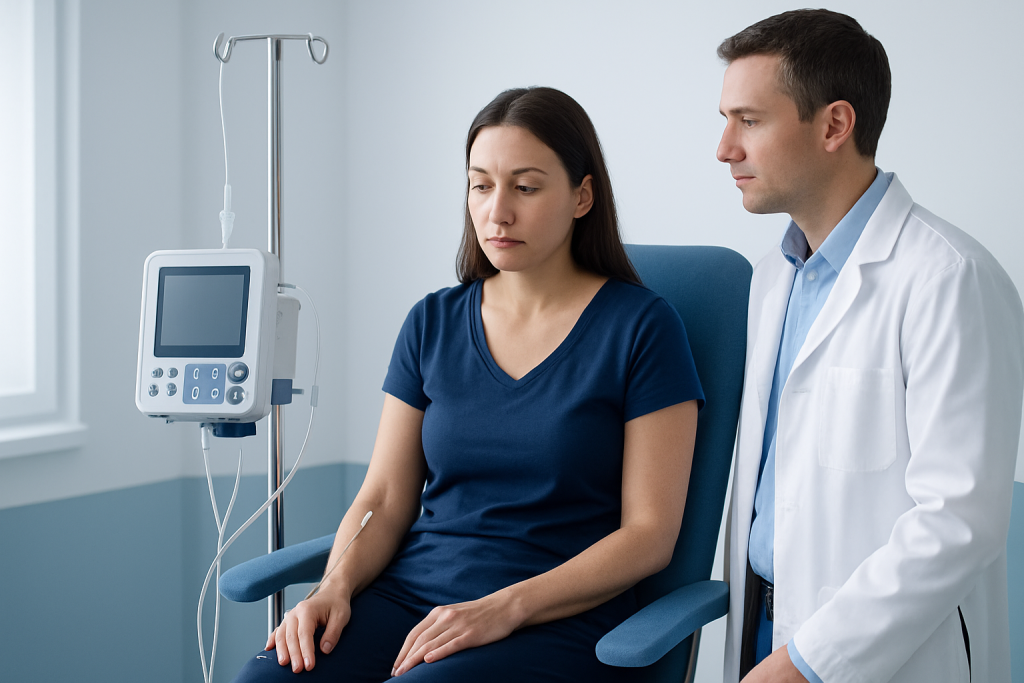
Leukemia symptoms vary by type and how quickly the disease is developing, but several signs appear often enough to deserve attention. Fatigue is one of the most common. It may feel deeper than ordinary tiredness and may not improve much with rest.
Other common symptoms come from the way leukemia affects normal blood cells. When red blood cells are reduced, a person may feel short of breath or look pale. When platelets are low, bruising, nosebleeds, bleeding gums, or small red spots on the skin may become more noticeable. When white blood cells do not work properly, infections may happen more often or take longer to clear.
People may also notice:
- Fever without a clear cause
- Night sweats
- Unexplained weight loss
- Bone or joint pain
- Swollen lymph nodes in the neck, armpits, or groin
- A feeling of fullness in the abdomen from an enlarged spleen
In some cases, symptoms are vague enough that they are first attributed to stress, a viral illness, or a busy schedule. That is why persistence is important. When the same changes continue or cluster together, a medical evaluation is the safest next step.
Causes & Risk Factors

Leukemia begins when certain blood-forming cells acquire changes that allow them to grow abnormally and interfere with normal blood production. The exact reason this happens is not always known. In many patients, there is no single clear cause that can be pointed to after the fact.
Some factors are associated with a higher risk of developing leukemia. These may include previous radiation exposure, certain chemotherapy treatments, specific inherited genetic conditions, smoking, and some blood disorders. Exposure to benzene and other industrial chemicals has also been linked with certain forms of leukemia.
Risk factors do not mean a person will develop leukemia, and many people with the disease have none of the listed risks. Families planning cross-border treatment often ask whether a family history changes the story; sometimes it does, but only a specialist can interpret the meaning of that history in context. The presence or absence of a risk factor does not replace proper testing when symptoms are present.
Diagnosis
Diagnosis usually starts with a medical history, a physical examination, and blood tests. A complete blood count can show whether red cells, white cells, or platelets are abnormal. A blood smear may give additional clues by showing immature or unusual blood cells.
If leukemia is suspected, doctors may recommend a bone marrow test to confirm the diagnosis and identify the specific type. This matters because the name of the leukemia is not just a label; it helps guide treatment choices and the expected pace of care. Additional tests may include genetic or molecular studies, imaging, or lumbar puncture in selected cases.
For international patients, diagnosis can often be organized in a stepwise way: initial blood work, specialist review, and then a treatment plan once the type is known. This approach helps reduce unnecessary travel and makes it easier to coordinate next steps, including whether treatment can begin immediately or requires a short period of planning.
Treatment Options
Treatment depends on the type of leukemia, how fast it is growing, the patient’s age and overall health, and the results of testing on the leukemia cells. Some forms are treated urgently, while others may be monitored for a period if they are slow-growing and not causing problems.
Common treatment approaches include chemotherapy, targeted therapy, immunotherapy, radiation therapy in selected situations, and stem cell transplant for certain patients. Supportive care is also important and may include antibiotics, transfusions, and medicines to manage side effects or prevent complications. The goal is not only to treat the leukemia, but also to keep the person as stable and comfortable as possible during care.
The treatment plan is often adjusted over time based on response. Patients coming from abroad may need a clear roadmap that explains what will happen first, what follow-up testing is needed, and which parts of care can continue once they return home. That conversation is an important part of good oncology care, not an afterthought.
Prevention & Self-care
Most leukemia cases cannot be prevented, because the disease often arises without a known trigger. Even so, reducing avoidable exposures and staying attentive to general health can support overall well-being. Avoiding tobacco and minimizing exposure to certain industrial chemicals are sensible steps.
For someone already living with leukemia or being evaluated for it, self-care focuses on safety and day-to-day function. Rest when needed, maintain good hydration and nutrition, and follow the care team’s guidance on infection prevention. It is also reasonable to keep a simple symptom log, especially if the person is traveling for treatment or waiting for test results in another country.
Helpful self-care habits may include:
- Reporting fevers, new bruising, or bleeding promptly
- Taking medications exactly as prescribed
- Asking before using over-the-counter pain relievers or herbal products
- Keeping scheduled blood tests and follow-up visits
- Using extra caution around sick contacts if advised by the care team
When to See a Doctor
A doctor should be consulted when fatigue, bruising, infections, fever, or weight loss persist without a clear explanation. The same is true if swollen lymph nodes, bone pain, shortness of breath, or repeated nosebleeds appear and do not resolve. These symptoms do not always mean leukemia, but they do warrant evaluation.
Urgent medical attention is appropriate if there is significant bleeding, severe weakness, chest pain, trouble breathing, confusion, or a high fever that is not improving. In patients already diagnosed with leukemia, any sudden change in symptoms should be discussed promptly because blood counts can shift quickly.
People arranging care internationally should not wait for travel to finish if symptoms are rapidly worsening. A local doctor can begin testing, and a hematology or oncology team can help decide whether treatment should start immediately or be coordinated with a specialist center. Acibadem Health Point’s multidisciplinary specialists and JCI-accredited hospitals diagnose and treat leukemia for international patients, with care plans designed around both medical needs and the realities of travel.
Frequently asked questions
What are the earliest symptoms of leukemia?
Early symptoms are often general and easy to dismiss. Fatigue, frequent infections, easy bruising, and pale skin are among the more common early warning signs. Because these symptoms can overlap with many other conditions, persistent changes should be checked by a doctor.
Can leukemia symptoms come and go?
Yes, some symptoms may fluctuate, especially in the early stages. A person might feel unwell for a while, then improve briefly, which can make the problem harder to recognize. If the pattern keeps returning or gradually worsens, medical review is important.
Does leukemia always cause pain?
No, leukemia does not always cause pain. Some patients mainly notice fatigue, infections, or changes in blood counts. Bone or joint pain can occur, but it is not required for the diagnosis.
How is leukemia confirmed?
Leukemia is usually confirmed with blood tests and a bone marrow examination. Doctors may also use genetic or molecular tests to identify the exact type. Those details help guide the most appropriate treatment.
Are swollen lymph nodes a sign of leukemia?
Swollen lymph nodes can occur in some types of leukemia, but many other conditions can also cause them. The location, size, and duration matter, as well as whether other symptoms are present. A doctor can determine whether testing is needed.
Can leukemia be treated if it is found after travel is planned?
Yes, but timing should be guided by a doctor. Some cases need prompt treatment, while others allow for careful planning and referral. If symptoms are significant, evaluation should happen before travel whenever possible.
References
- National Cancer Institute
- American Cancer Society
- Leukemia & Lymphoma Society
- World Health Organization
- Mayo Clinic
This article is for general information only and is not a substitute for professional medical advice. Please consult a qualified doctor about your individual situation.