Swedish Massage: Benefits, Risks and What to Expect

Key Takeaways
- Swedish massage uses long strokes, kneading, friction, tapping, and gentle movement to relax muscles and calm the nervous system.
- It may help reduce stress, improve flexibility, and ease mild muscle tightness, but it is not a substitute for medical treatment.
- Most people tolerate Swedish massage well, though people with certain health conditions should ask a doctor first.
- Good communication with the therapist matters, especially about pressure, sensitive areas, and any medical concerns.
- A safe session should feel comfortable and leave the person relaxed rather than sore or unwell.
Medically reviewed by the Acıbadem clinical team — August 19, 2026
Swedish massage is a gentle, structured form of massage therapy that uses flowing strokes to help the body relax and ease everyday muscle tension. It is often chosen for stress relief, comfort, and support with general wellness when performed by a trained professional.
Overview
Swedish massage is one of the best-known forms of therapeutic massage. It is designed around comfort, rhythm, and predictable hand movements, which makes it a common first choice for people who want to relax, unwind after travel, or release everyday tightness in the neck, shoulders, back, or legs.
The technique usually combines long gliding strokes, kneading, circular motions, light tapping, and gentle stretching. A therapist may use lotion or oil to reduce friction and allow the hands to move smoothly over the skin. The overall goal is not to force the body into change, but to encourage a calmer state in which muscles can soften naturally.
For many patients, Swedish massage is part of a broader wellness plan. It can be appealing for international travelers who have spent long hours seated, for people recovering from physical strain, or for those who simply want a structured way to rest. While it can be deeply soothing, it remains a supportive therapy rather than a cure for underlying medical problems.
What a Swedish Massage Session Feels Like
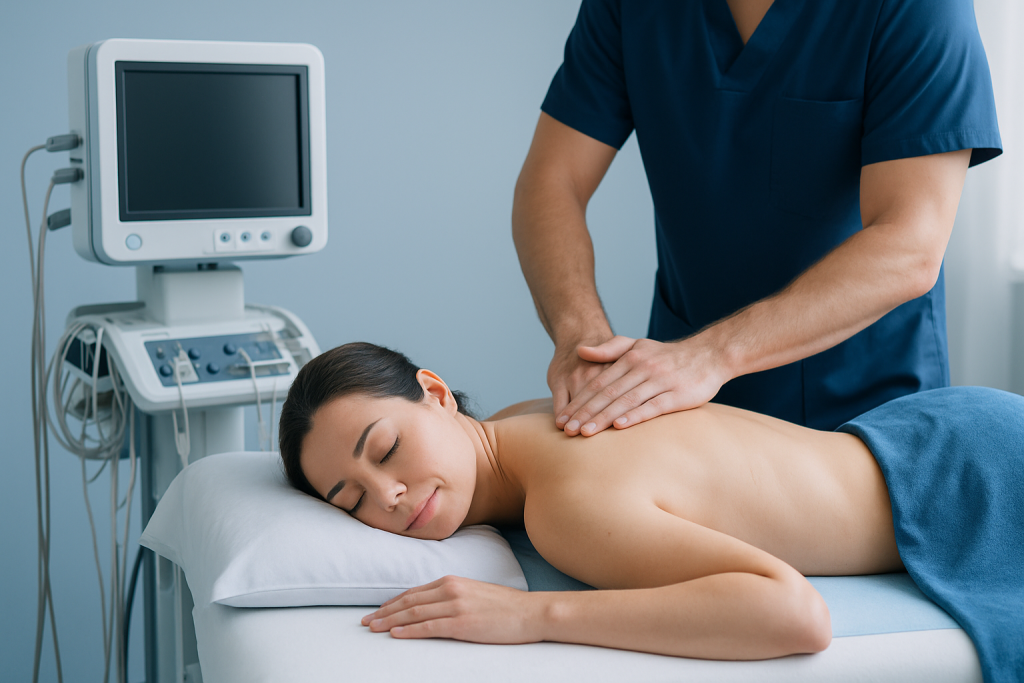
A typical session begins with a short conversation about comfort, medical history, and any areas that should be avoided. The person usually lies on a massage table and is covered with sheets or towels, with only the area being worked on exposed. This setup helps preserve modesty while allowing the therapist to work safely and effectively.
Swedish massage is generally known for medium to light pressure, although the therapist may adjust the pressure based on preference. The experience often feels steady and repetitive in a reassuring way, with movement that helps the body settle. Some people feel sleepy during the session, while others notice warmth, improved circulation in the skin, or a subtle loosening of tight muscles.
People who are new to massage sometimes worry that they must endure discomfort for it to be useful. In Swedish massage, that is not the case. The technique should be comfortable, and any pressure that feels sharp, painful, or overly intense should be reported immediately so it can be adjusted.
Benefits and Common Reasons People Choose It

Swedish massage is often chosen because it addresses the kind of tension that builds slowly in daily life. Long hours at a desk, air travel, emotional stress, and poor sleep can all leave the body feeling guarded and stiff. Gentle massage may help the person feel more at ease by encouraging relaxation and reducing that sense of physical holding.
Commonly reported benefits include a calmer mood, less muscle tightness, improved flexibility, and a greater sense of body awareness. Some people also use massage as a way to support recovery after mild overuse or to complement a rehabilitation program approved by a clinician. It can be especially helpful when the body needs soothing rather than deep pressure.
It is important to keep expectations realistic. Swedish massage may improve how a person feels, but it does not diagnose disease, reset joints, or treat serious pain on its own. If symptoms are persistent or worsening, massage should be viewed as one supportive tool among many, not the only answer.
Causes & Risk Factors
Swedish massage is not performed because of a disease; it is chosen to address comfort, relaxation, and mild muscular discomfort. People often seek it after periods of physical tension, stress, long travel, repetitive work, or exercise that leaves the body feeling overworked. In those situations, the massage can be a helpful reset.
Certain factors may make a person more likely to benefit from this type of massage. These include a sedentary lifestyle, frequent computer use, a tendency to carry stress in the shoulders or jaw, and general fatigue from busy routines. For travelers, jet lag and long flights can also make the body feel tense and disconnected.
At the same time, some health situations call for caution. Fever, skin infections, active inflammation, recent injury, blood-clotting disorders, uncontrolled cardiovascular problems, and some pregnancy-related concerns may affect whether massage is appropriate. A doctor’s guidance is especially useful when a person has an ongoing medical condition or is recovering from treatment while abroad.
Diagnosis and Assessment Before Treatment
There is no medical diagnosis required to receive Swedish massage, but a responsible therapist should still complete a brief assessment before beginning. This usually includes questions about pain, prior injuries, surgeries, pregnancy, medications, and conditions that may affect safety or comfort. The purpose is to tailor the session and avoid areas that should not be handled in the usual way.
If a person is seeing a doctor for pain, swelling, numbness, dizziness, or another unexplained symptom, massage should not replace medical evaluation. In those cases, a clinician may first identify the cause and then advise whether massage can be used safely as a supportive therapy. This is particularly important for international patients who may be planning care around travel and need a clear understanding of what is safe before and after their trip.
Good assessment also includes communication during the session. A person should feel able to mention discomfort, ask for lighter pressure, or request that a certain area be avoided. That conversation is part of safe care, not an inconvenience.
Treatment Options and Technique Variations
Swedish massage is built from a small set of core techniques that a therapist combines according to the person’s needs. Effleurage refers to long, gliding strokes that help warm the tissue and create a sense of flow. Petrissage uses kneading and lifting motions to work more deeply into the muscles without the intensity of some other massage styles.
Therapists may also use friction, tapping, vibration, and passive movement of the limbs. These variations are selected to support circulation, reduce the feeling of stiffness, and create a balanced session. Compared with deep-tissue massage, Swedish massage is usually gentler and more focused on relaxation than on heavy pressure.
Some clinics pair Swedish massage with other supportive approaches, such as breathing guidance, stretching, or rehabilitation advice. For international patients, the treatment plan may also need to account for flight schedules, hotel recovery time, and follow-up appointments in another country. When such planning is needed, multidisciplinary teams can help make the experience more coordinated and comfortable.
Prevention & Self-care
Although Swedish massage can be relaxing, the best long-term results often come from pairing it with everyday self-care. Regular movement, hydration, stretching, ergonomic work habits, and attention to sleep can all help reduce the buildup of tension that brings people to massage in the first place. Small changes often make a noticeable difference over time.
Before a session, it helps to avoid arriving exhausted, dehydrated, or overly full from a large meal. Wearing comfortable clothing and sharing any health concerns in advance can make the experience smoother. After the session, many people feel best when they rest for a while, drink water, and give the body time to settle rather than rushing into intense activity.
For people traveling for care, planning matters. Allowing time before a return flight, arranging transportation, and knowing whom to contact if symptoms change after the session can all reduce stress. If the person is receiving care at Acibadem Health Point, multidisciplinary specialists and JCI-accredited hospitals can help international patients diagnose and treat conditions that may be contributing to pain or tension, while also supporting a safer recovery plan.
When to See a Doctor
Swedish massage is appropriate for many healthy adults, but a doctor should be consulted if pain is unexplained, severe, recurring, or associated with swelling, fever, numbness, weakness, or shortness of breath. Those symptoms may point to a condition that needs medical assessment before any massage is considered.
Medical advice is also important for people with recent surgery, fractures, blood clots, cancer treatment, advanced heart disease, osteoporosis, skin problems, or pregnancy-related concerns. In such situations, the safest course is to ask a qualified clinician whether massage is suitable and what areas or techniques should be avoided.
After a massage, a person should seek medical review if they develop unusual bruising, significant pain, dizziness, chest discomfort, or symptoms that do not settle in the expected way. Gentle soreness can occasionally happen, but ongoing or concerning symptoms deserve attention.
Frequently asked questions
What is Swedish massage used for?
Swedish massage is mainly used for relaxation, stress relief, and easing mild muscle tension. Many people choose it when they want a gentle, calming massage rather than a deep or intense technique. It can also be a supportive part of general wellness or recovery from everyday strain.
Is Swedish massage painful?
It should not be painful. Some pressure may feel firm, but the overall experience should remain comfortable and relaxing. If the pressure feels too strong, the therapist should adjust it right away.
How is Swedish massage different from deep-tissue massage?
Swedish massage usually uses lighter to medium pressure with long, flowing strokes. Deep-tissue massage works more firmly into deeper layers of muscle and connective tissue. People who want relaxation or are new to massage often start with Swedish massage.
Can Swedish massage help with stress?
Many people find that it helps them feel calmer and more rested. The soothing touch, steady rhythm, and quiet setting may support relaxation and reduce the sense of tension in the body. It is best seen as one part of a broader stress-management routine.
Who should avoid Swedish massage?
People with fever, active infections, blood clots, recent injuries, uncontrolled medical conditions, or certain pregnancy-related concerns should ask a doctor first. Massage may also need to be postponed or modified after surgery or during cancer treatment. A health professional can help decide what is safe.
What should someone do after a Swedish massage session?
Resting for a short time, drinking water, and avoiding strenuous exercise right away can help the body settle. Mild tiredness or a relaxed feeling is common after the session. If pain, dizziness, or other unexpected symptoms occur, medical advice should be sought.
References
- National Center for Complementary and Integrative Health
- Mayo Clinic
- Cleveland Clinic
- British Association of Massage Therapists
- World Health Organization
This article is for general information only and is not a substitute for professional medical advice. Please consult a qualified doctor about your individual situation.
Joint and spine care in Turkey — expert assessment & treatment
JCI-accredited · board-certified surgeons · reply within 24h
Add us as a Preferred Source to see more of our trusted health content across Google Search, AI Overviews and Discover.