Sumo Squat
Key Takeaways
- A sumo squat uses a wide stance and targets the thighs, glutes, and inner legs.
- Good alignment matters more than depth or speed; control helps protect the knees and back.
- People with limited hip mobility can often modify the movement to match their range of motion.
- Pain in the knees, hips, or lower back should be taken seriously and reviewed by a qualified clinician.
- Simple warm-ups, progression, and recovery support safer long-term exercise habits.
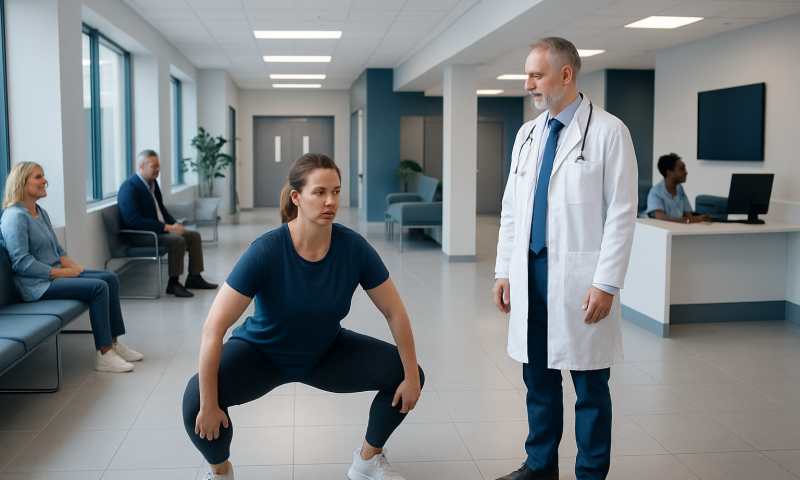
The sumo squat is a lower-body exercise with a wider stance and turned-out feet that can help build strength, balance, and mobility when performed with good form. This guide explains how it works, who may benefit, and how to keep it comfortable and safe.
When to See a Doctor
Medical advice is appropriate if the sumo squat causes sharp pain, swelling, instability, numbness, or a feeling that the joint is catching or giving way. Pain that continues after exercise, interferes with walking, or returns every time the movement is attempted should also be reviewed.
It is wise to seek assessment sooner rather than later when there is a recent fall, a known injury, a history of hip or knee surgery, or back pain that radiates down the leg. People who are unsure whether they are recovering normally may also benefit from a physiotherapy review and a tailored exercise plan.
Acibadem Health Point’s multidisciplinary specialists and JCI-accredited hospitals can support international patients who need evaluation and treatment for movement-related pain or injury, with coordinated care from diagnosis through follow-up.
Frequently asked questions
What muscles does a sumo squat work?
A sumo squat mainly works the glutes, quadriceps, inner thighs, and supporting core muscles. Depending on stance and depth, it may also place noticeable demand on the hips and lower back stabilizers. The exact feeling can vary from person to person based on mobility and technique.
Is a sumo squat easier than a regular squat?
Not always. Some people find the wider stance more comfortable because it suits their hip shape or mobility, while others find it harder to balance. The better choice is the version that allows controlled movement without pain or strain.
Can a sumo squat hurt the knees?
It can if the knees collapse inward, the load is too heavy, or there is an existing knee problem. When performed with good alignment and an appropriate range of motion, many people tolerate it well. Persistent knee pain should be assessed by a clinician.
How low should someone go in a sumo squat?
Only as low as they can maintain control, stable knees, and a comfortable spine position. Depth is not the main goal; clean movement is. For some people, a partial squat is the safest starting point.
Can beginners do sumo squats?
Yes, many beginners can start with bodyweight sumo squats and a shallow range of motion. It often helps to practice in front of a mirror or with a trainer who can check alignment. Progress should be gradual.
When should a person stop exercising and get checked?
They should stop if the movement causes sharp pain, swelling, numbness, or instability, or if discomfort keeps returning despite lowering intensity. If symptoms last beyond the workout or affect daily activities, medical review is a good idea.
References
- National Health Service
- American Academy of Orthopaedic Surgeons
- American College of Sports Medicine
- Mayo Clinic
- World Health Organization
This article is for general information only and is not a substitute for professional medical advice. Please consult a qualified doctor about your individual situation.