Stockholm Syndrome: Symptoms, Causes and Treatment

Key Takeaways
- Stockholm syndrome is a descriptive term, not an official psychiatric diagnosis.
- It may involve mixed feelings of fear, gratitude, loyalty, and emotional dependence toward an abuser or captor.
- The pattern is most often discussed in the context of hostage situations but can appear in other coercive relationships.
- Trauma-informed counseling can help people understand what happened and rebuild safety and trust.
- If someone is currently being harmed or controlled, immediate safety planning and professional help are important.
Medically reviewed by the Acıbadem clinical team — August 19, 2026
Stockholm syndrome is a term used to describe a pattern in which a person in a threatening or controlling situation may develop empathy, loyalty, or attachment toward the person causing harm. It is not a formal medical diagnosis, but understanding the pattern can help people recognize abuse, trauma responses, and the need for support.
Overview
Stockholm syndrome is a phrase people often hear in news stories, films, or conversations about abusive relationships. It describes a situation in which a person under threat begins to feel sympathy, loyalty, or even emotional attachment toward the person causing the danger.
The term is widely recognized, but it is not a formal diagnosis in major psychiatric manuals. Clinicians today are more likely to talk about trauma bonding, coercive control, or survival responses that can shape how a person thinks and feels in an unsafe environment.
For people trying to understand their own experience, the label itself matters less than the reality behind it: fear, confusion, dependency, and the brain’s effort to stay safe. That is why professional support focuses on safety, stabilization, and rebuilding a person’s sense of choice.
Symptoms and common signs
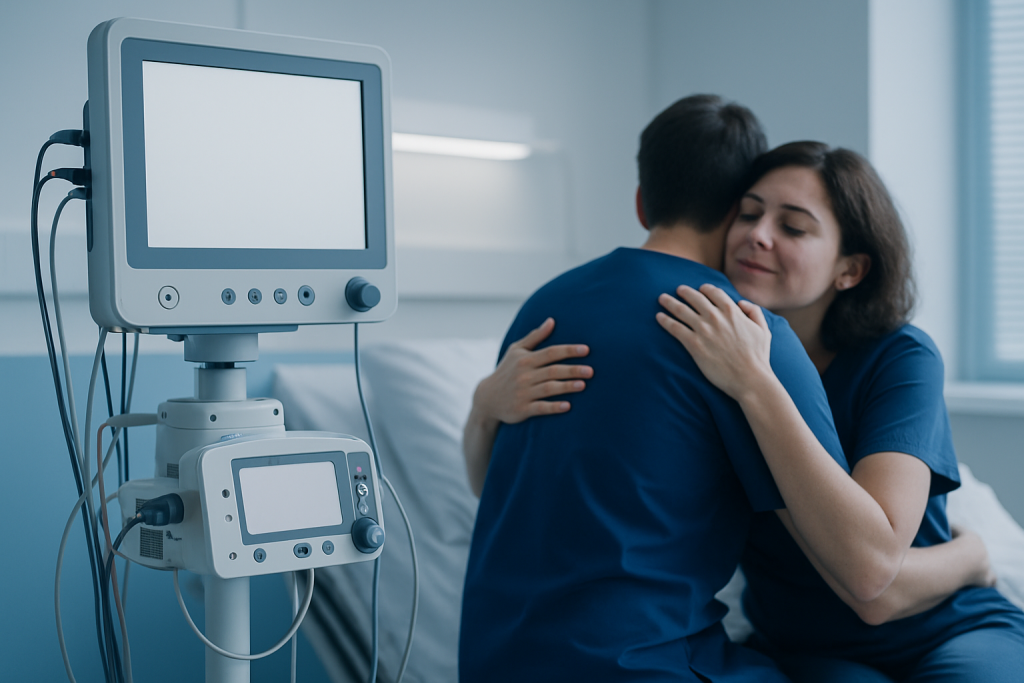
There is no single checklist for Stockholm syndrome, and not everyone in a harmful situation responds in the same way. Still, some patterns are commonly described. A person may defend the abuser, minimize the harm, or feel guilty about wanting distance from the person who is controlling them.
Other signs can include mixed emotions that seem hard to explain. The person may feel relief when the abuser shows small acts of kindness, become hesitant to speak with rescuers or authorities, or distrust people who are trying to help from the outside.
- Strong emotional attachment to a threatening person
- Fear of upsetting the abuser or “making things worse”
- Defending or rationalizing abusive behavior
- Distrust of helpers, family, or law enforcement
- Feeling grateful for basic kindness in an otherwise harmful situation
These reactions can be confusing for both the person involved and their loved ones. They do not mean the person wanted the abuse; they may reflect a survival strategy formed under intense stress.
Why it can happen: causes and risk factors

Stockholm syndrome is usually discussed as a response to extreme power imbalance. When a person feels trapped, isolated, and dependent on someone who controls access to safety, food, information, movement, or approval, the mind may adapt in ways that reduce immediate danger.
Researchers and clinicians often connect these responses to trauma bonding and coercive control. In practical terms, if a person is harmed and then occasionally shown kindness, the contrast can create powerful emotional confusion. That pattern may be especially difficult when the person has no clear exit or fears severe consequences for resisting.
Risk may be higher when the situation includes isolation, unpredictable punishment, emotional manipulation, repeated threats, or a history of prior trauma. Children, older adults, and people with limited support or language barriers may be especially vulnerable because asking for help can feel unsafe or out of reach.
In international-care settings, people sometimes travel far from home for work, relationships, or treatment and find themselves socially isolated. Distance from familiar supports does not cause Stockholm syndrome by itself, but it can make it harder to recognize coercive patterns and easier to feel dependent on one person or group.
How professionals understand it
Because Stockholm syndrome is not a formal diagnosis, healthcare professionals usually assess the broader picture rather than focusing on the label. They look for trauma symptoms, depression, anxiety, dissociation, fear-based attachment, and signs of coercive or abusive dynamics.
A trauma-informed clinician may ask about safety, control, sleep, concentration, panic, shame, and whether the person feels able to make independent decisions. If the situation is ongoing, the first priority is not interpretation but protection: helping the person reduce risk and connect with support.
This approach matters because blame can be harmful. A person who seems attached to an abuser is not being irrational by choice; they may be reacting to prolonged fear and unmet basic needs. Care works best when it respects that complexity.
Diagnosis and assessment
There is no laboratory test or scan for Stockholm syndrome. Assessment is based on a conversation with a qualified mental health professional, physician, or crisis team, along with a review of the person’s safety and trauma history.
During evaluation, clinicians may try to understand the relationship pattern, the level of control or threats, and any symptoms of post-traumatic stress, depression, anxiety, or sleep disturbance. They may also consider whether the person is experiencing dissociation, which can make events feel distant, unreal, or hard to organize in memory.
If the person is currently in danger, assessment can happen alongside urgent safety planning. In some cases, the practical questions come first: Where is the person now? Is there a safe place to stay? Who can be contacted without increasing risk? Those questions often matter more than the label itself.
Treatment and support options
Support for Stockholm syndrome-related experiences is usually trauma-focused and individualized. The goal is to restore safety, help the person make sense of what happened, and reduce the emotional confusion that may remain after the threat has passed.
Psychotherapy is often central. Trauma-informed counseling can help with boundaries, self-trust, emotional regulation, and processing fear or shame. Depending on the person’s needs, treatment may also address depression, anxiety, insomnia, or post-traumatic stress symptoms.
Support may include:
- Individual trauma-informed psychotherapy
- Crisis intervention and safety planning
- Family or trusted-support involvement when appropriate and safe
- Treatment for related anxiety, depression, or sleep problems
- Legal, social work, or advocacy referrals in abuse-related cases
For people seeking care across borders, continuity matters. A clear record of symptoms, prior treatment, and current safety concerns can help the receiving team coordinate care efficiently. Acibadem Health Point’s multidisciplinary specialists and JCI-accredited hospitals can help diagnose and treat related mental health concerns for international patients, with care planning that respects privacy and continuity.
Prevention and self-care
There is no simple way to prevent a coercive situation from becoming emotionally entangling, because these patterns often develop under pressure and over time. What can help is building awareness of warning signs: isolation, rapid trust, control over communication, pressure to stay loyal, and kindness that appears only after fear or punishment.
For someone recovering from an abusive or controlling situation, self-care is usually less about “moving on” quickly and more about re-establishing safety. Small, practical steps can make a difference: staying connected to trusted people, keeping routines where possible, limiting contact if advised by professionals, and writing down events when memory feels disorganized.
It may also help to remember that mixed feelings are common. A person can miss the abuser, fear them, and understand the harm all at once. Recovery often becomes easier when that contradiction is treated as a normal trauma response rather than a personal failure.
When to see a doctor or mental health professional
Professional help is recommended when a person feels unable to leave a harmful relationship, keeps defending someone who is hurting them, or feels intense fear mixed with attachment after abuse or captivity. Support is also important if sleep, appetite, concentration, mood, or daily functioning are being affected.
Urgent help is needed if there is immediate danger, threats of violence, stalking, confinement, sexual assault, or self-harm thoughts. In those situations, contacting emergency services, a crisis line, or a local domestic violence or trafficking support service may be the safest next step.
For people helping someone else, patience matters. Gentle, nonjudgmental language is often more effective than pressure. The goal is to increase safety and choice, not to force a person to accept a label before they are ready.
Frequently asked questions
Is Stockholm syndrome a real medical diagnosis?
Stockholm syndrome is a commonly used term, but it is not an official diagnosis in major psychiatric classification systems. Clinicians usually describe the underlying trauma, coercion, or attachment pattern instead. The label can be useful in conversation, but the care approach focuses on safety and mental health needs.
Does Stockholm syndrome only happen in hostage situations?
It was named in relation to a hostage event, but similar patterns can be discussed in other coercive or abusive relationships. People may develop emotional dependence in situations involving control, isolation, or repeated fear. The core issue is the power imbalance, not the setting alone.
Can a person have Stockholm syndrome and still know they are being harmed?
Yes. Many people experience conflicting feelings and can understand that the behavior is harmful while also feeling attached, protective, or afraid to leave. That contradiction is common in trauma and does not mean the person is choosing abuse.
What is the difference between Stockholm syndrome and trauma bonding?
Trauma bonding is a broader term that describes strong emotional ties formed in cycles of abuse, fear, and intermittent kindness. Stockholm syndrome is a narrower, older term usually linked to captivity or hostage-type situations. In practice, many professionals prefer trauma-informed language because it better reflects the full picture.
How can family members help someone who seems attached to an abuser?
The most helpful approach is usually calm, nonjudgmental support. Loved ones should focus on safety, listen without shaming, and avoid arguments that may make the person feel more isolated. If there is immediate danger, urgent professional or legal support may be needed.
Can treatment help after the controlling situation has ended?
Yes. Many people benefit from trauma-focused therapy after leaving an abusive or coercive environment. Treatment can help with fear, shame, sleep problems, boundary-setting, and rebuilding trust in other people and in oneself.
References
- National Institute of Mental Health
- World Health Organization
- American Psychiatric Association
- National Center for PTSD
- Cleveland Clinic
This article is for general information only and is not a substitute for professional medical advice. Please consult a qualified doctor about your individual situation.
Explore treatments in Turkey — costs, top hospitals & a free quote
JCI-accredited · board-certified surgeons · reply within 24h
Add us as a Preferred Source to see more of our trusted health content across Google Search, AI Overviews and Discover.