Stem Cells And Treatment

Key Takeaways
- Stem cell treatment is not one single therapy; it includes several medical uses with different goals and risks.
- Some stem cell procedures are well established, especially in blood and immune system care, while others remain experimental.
- A careful diagnosis, clear treatment plan, and reputable medical center are essential before starting any stem cell-based care.
- Patients considering treatment abroad should plan for follow-up, recovery time, and communication with their home doctor.
- Questions about the source of cells, expected benefit, side effects, and aftercare should be answered before consent is given.
Stem cells are being studied and used in several areas of medicine, from blood disorders to certain orthopedic and regenerative care plans. Understanding the type of treatment, its goals, and its limits can help patients make informed decisions with a qualified specialist.
Overview
Stem cells are best thought of as a family of cells rather than a single treatment. Some are harvested from the patient’s own body, others come from a donor, and some regenerative procedures use processed cells or cell-containing tissue preparations in ways that vary by medical field and local regulation.
International patients often encounter stem cell care after learning that treatment options at home are limited, delayed, or not fully explained. In that setting, it is especially important to verify whether the recommended procedure is established medicine, a specialized option for a narrow indication, or an investigational approach that should be considered with caution. Clear documentation from the treating team helps patients and their home physicians continue care smoothly after travel.
Symptoms
Some signs suggest that more urgent medical evaluation is needed before any cell-based therapy is considered. These include rapidly worsening pain, fever, uncontrolled bleeding, new neurological symptoms, or severe weakness. In such cases, the priority is diagnosis and stabilization, not choosing a procedure based on online claims.
Because stem cell therapy is often discussed in hopeful terms, patients may expect a dramatic improvement. A balanced consultation should explain what symptom relief is realistic, what may take time, and what outcomes are unlikely. Honest expectations are a sign of quality care, not discouragement.
Causes & Risk Factors

Potential concerns also depend on where the cells come from and how they are handled. Treatments performed without proper processing, sterile technique, or medical oversight can lead to infection, ineffective treatment, or unexpected complications. For this reason, reputable centers review eligibility carefully and explain the source of the cells, the preparation process, and the monitoring plan.
Patients should be cautious when a clinic promises stem cell benefit for many unrelated conditions with little supporting evidence. A trustworthy team will describe limitations as clearly as potential advantages and will not present stem cells as a universal fix.
Diagnosis
A strong consultation should also include a review of the patient’s medications, allergies, past surgeries, and previous responses to therapy. If the treatment is a transplant, doctors will discuss donor availability, conditioning therapy, and the expected hospital course. If it is a regenerative procedure, they may discuss whether the evidence supports use for that specific diagnosis.
Patients should feel comfortable asking how the diagnosis was reached and what alternatives exist. When the diagnosis is clear, the next step is not simply “getting stem cells,” but choosing the safest and most effective plan for that disease or injury.
Treatment Options
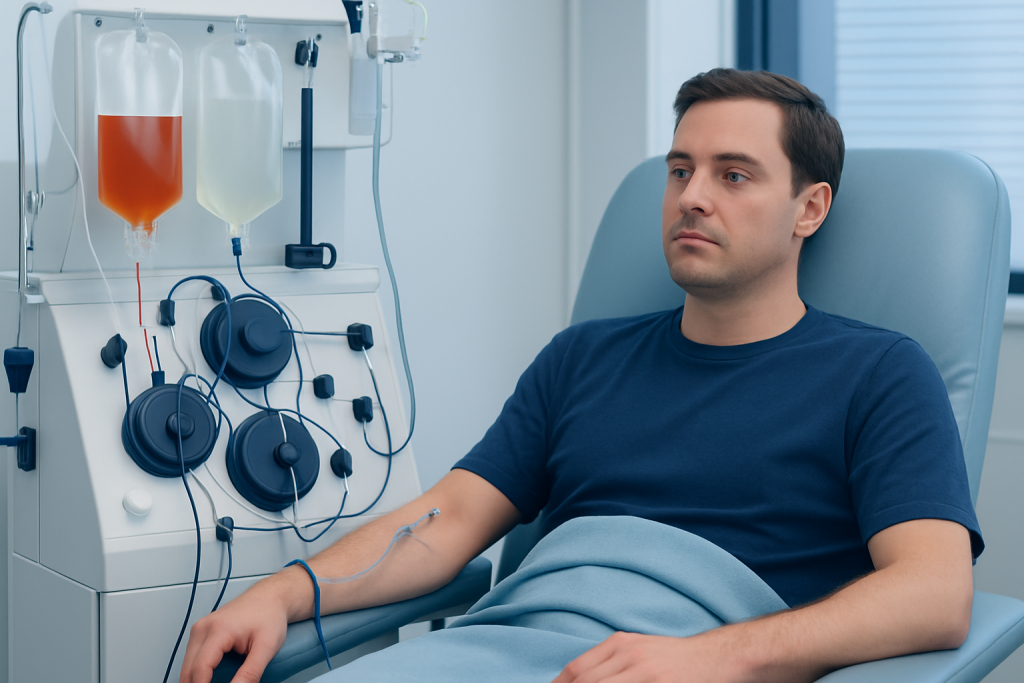
For transplant patients, treatment may involve chemotherapy, radiation, or other conditioning before the stem cells are infused. The recovery period can be intensive and may require hospital monitoring, infection prevention, and frequent blood tests. The benefits and burdens are substantial, so the decision is made only when the expected medical value is clear.
For patients considering regenerative procedures for joints or soft tissues, the conversation should focus on realistic goals such as symptom reduction, function, and rehabilitation rather than guaranteed tissue regeneration. Physical therapy, activity modification, weight management, and standard medical care may still be part of the plan. Stem cells, when appropriate, are usually one piece of a broader treatment strategy rather than the entire answer.
Prevention & Self-care
Patients should also plan for continuity of care once they return home. Bringing copies of procedure notes, lab results, discharge instructions, and contact details for the treating team can make follow-up easier for local doctors. This is especially important when treatment is performed abroad and later monitoring must continue in a different health system.
Acibadem Health Point’s multidisciplinary specialists and JCI-accredited hospitals can diagnose and treat appropriate stem cell-related conditions for international patients, with attention to coordinated follow-up and recovery planning. That kind of structured care helps patients focus on healing rather than trying to manage each step alone.
When to See a Doctor
For people traveling internationally for care, it is sensible to ask how the team will communicate with the home physician after treatment. A reliable plan should include written instructions, follow-up timing, and a way to report new symptoms after returning home. This reduces confusion and supports safer recovery.
If a patient is unsure whether stem cell treatment fits their diagnosis, the safest next step is a consultation with a qualified specialist in the relevant field, such as hematology, oncology, orthopedics, or rehabilitation medicine. A precise diagnosis and a realistic treatment map are the foundation of good outcomes.
Frequently asked questions
What does stem cell treatment usually mean?
It can mean very different things depending on the condition. In one setting, it may refer to a bone marrow or blood stem cell transplant; in another, it may mean a regenerative procedure for a joint or tissue problem. The exact meaning should always be clarified before treatment decisions are made.
Are all stem cell treatments proven?
No. Some are well established, especially in blood and immune system care, while others are still investigational or supported by limited evidence. A reputable doctor should explain which category applies to the proposed treatment.
Who may be a candidate for stem cell transplant?
Candidates are usually people with specific blood cancers, blood disorders, or immune-related conditions where transplant offers clear medical benefit. Eligibility depends on the diagnosis, overall health, organ function, and other individualized factors.
Can stem cells cure arthritis or joint pain?
Not in a universal or guaranteed way. Some regenerative procedures are being used or studied for joint problems, but results vary and evidence is not the same for every condition. Patients should ask what improvement is realistic and what alternatives exist.
What risks should patients ask about?
Risks may include infection, bleeding, pain, poor response, and complications related to the procedure or recovery period. The risk profile depends on whether the treatment is a transplant or a regenerative procedure, and on the patient’s overall health.
Why is follow-up important after treatment abroad?
Follow-up helps doctors monitor recovery, review test results, and manage side effects after the patient returns home. It also makes it easier for local physicians to continue care when they have clear discharge notes and treatment records.
References
- World Health Organization
- National Institutes of Health
- Mayo Clinic
- European Society for Blood and Marrow Transplantation
- American Society of Hematology
This article is for general information only and is not a substitute for professional medical advice. Please consult a qualified doctor about your individual situation.