Spliff

Key Takeaways
- A spliff typically combines cannabis and tobacco, which can increase exposure to nicotine and smoke-related harms.
- The effects may include relaxation, altered perception, faster heart rate, coughing, and impaired judgment.
- Regular use can contribute to dependence, lung irritation, and greater cardiovascular stress, especially in people with underlying conditions.
- Stopping or cutting back is often easier with practical support, nonjudgmental medical advice, and a plan for cravings or withdrawal.
- Anyone with chest pain, severe anxiety, trouble breathing, or a concerning reaction should seek medical assessment promptly.
A spliff is a rolled cigarette that usually contains cannabis mixed with tobacco. Understanding what it is, how it affects the body, and when to seek help can support safer decisions and timely care.
Overview
The word spliff is commonly used to describe a rolled cigarette that contains cannabis mixed with tobacco. In everyday conversation, the term may vary by country and community, but the basic idea is the same: a smoked product that delivers both cannabinoids and nicotine to the body.
That combination matters. Cannabis and tobacco affect the brain and heart in different ways, and using them together can make it harder to tell which substance is causing a particular effect. For someone deciding whether to continue, reduce, or stop use, understanding the split between short-term sensations and longer-term risks is a useful starting point.
People may ask about spliffs for many reasons: curiosity, concern about a friend or family member, or questions that come up during travel, study abroad, or a move between countries where social norms around cannabis differ. A clear explanation can help keep the conversation practical and grounded in health rather than assumptions.
Symptoms and Effects
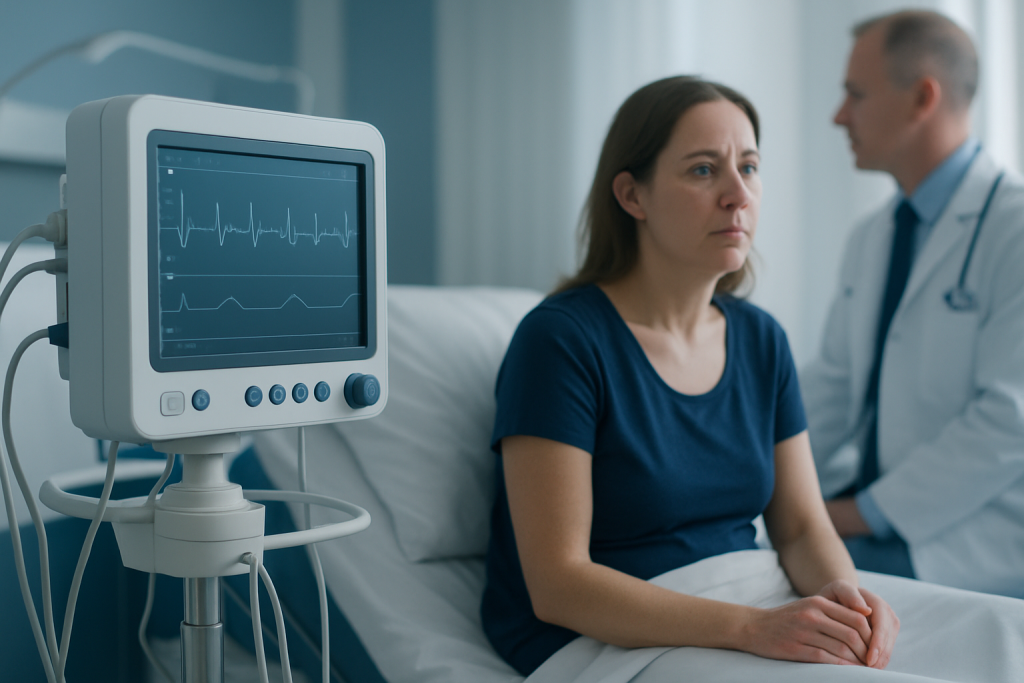
The effects of a spliff depend on the amount of cannabis and tobacco used, how often it is smoked, and the person’s own tolerance. Some people feel relaxed or light-headed, while others notice anxiety, a racing heart, dry mouth, or a sense that time is moving differently. Thinking, coordination, and reaction time can also be affected.
Because tobacco is often part of the mix, nicotine-related effects may appear too. These can include a brief sense of stimulation, nausea in people who are sensitive, and a stronger urge to smoke again. For some users, the blend creates a pattern of repeated use that is driven as much by nicotine dependence as by cannabis effects.
Common short-term effects may include:
- Red eyes and dry mouth
- Coughing, throat irritation, or chest tightness
- Impaired attention and slower reaction time
- Changes in mood, anxiety, or restlessness
- Faster heartbeat or palpitations
Most of these effects fade with time, but they can be more pronounced in new users, in people who take larger amounts, or in anyone with heart, lung, or mental health concerns.
Causes & Risk Factors

A spliff is not a medical condition, but understanding why people use it can help explain the health conversation around it. Some people use it socially, while others may be trying to combine the perceived calming effect of cannabis with the habit-forming pull of tobacco. In certain settings, it may also be used because it is familiar within a peer group.
Health risks are influenced by more than the substance itself. Age, frequency of use, the presence of tobacco dependence, family history of mental health conditions, pregnancy, and pre-existing heart or lung disease can all shape how the body responds. Even occasional use may be unwise for someone who is vulnerable to anxiety, palpitations, or impaired judgment.
Risk tends to rise when spliffs are used:
- Regularly or in larger amounts
- Alongside alcohol or other drugs
- Before driving, swimming, or working at heights
- By people with asthma, bronchitis, or cardiovascular disease
- During pregnancy, when avoiding smoke exposure is especially important
In international-patient settings, these details also matter because a doctor may need to distinguish between cannabis effects, nicotine withdrawal, and symptoms from another cause.
Diagnosis
There is no single test for a spliff-related problem. Diagnosis begins with a careful conversation about what was used, how it was used, and what symptoms followed. A clinician may ask about the timing of symptoms, any mixing with alcohol or prescription medicines, and whether the person has a history of asthma, panic attacks, heart disease, or substance use.
If symptoms are mild and clearly related to recent smoking, reassurance and observation may be enough. If the concern involves chest pain, shortness of breath, fainting, severe agitation, or confusion, medical evaluation is more important because other conditions can look similar. In those cases, the aim is not to label the person, but to rule out urgent problems and support safe recovery.
For someone arriving from another country, bringing a list of medicines, a description of products used, and the approximate time of use can help the team assess the situation more accurately. This is especially helpful when language barriers or unfamiliar product names make the picture less clear.
Treatment Options
Treatment depends on the effect or problem being addressed. If the main issue is a short-lived cannabis or nicotine reaction, care may focus on rest, monitoring, hydration, and a calm environment. If anxiety is prominent, a clinician may use supportive measures and look for triggers such as caffeine, other substances, or sleep deprivation.
When tobacco dependence is part of the pattern, quitting support may include counseling, behavioral strategies, and nicotine-dependence treatment discussed with a healthcare professional. For cannabis use concerns, the most effective approach often combines education, trigger management, and follow-up support rather than a single quick fix.
In more serious situations, treatment is based on symptoms and safety. A person with breathing difficulty, chest discomfort, or marked confusion may need urgent assessment, monitoring, or additional tests. If substance use is frequent or difficult to control, referral to a specialist team can help build a longer-term plan that feels realistic rather than punitive.
For international patients, treatment plans should also account for travel schedules, medication access at home, and the need for clear written instructions that can be shared with local doctors after returning home.
Prevention & Self-care
The most reliable way to prevent spliff-related harm is to avoid smoking cannabis mixed with tobacco. For people who are not ready to stop completely, reducing frequency, avoiding other substances at the same time, and not using before activities that require alertness can lower risk.
Self-care is most useful when it is practical. That may mean getting enough sleep, eating regularly, limiting alcohol, and paying attention to mood changes or cravings. If tobacco is part of the habit, setting a quit date or reducing access to cigarettes and rolling materials can make change feel more manageable.
Helpful steps can include:
- Notice situations that trigger use, such as stress, boredom, or social pressure
- Plan alternatives for those moments, such as walking, breathing exercises, or calling someone supportive
- Avoid driving or operating equipment after use
- Keep medicines and substances separate so interactions are less likely
- Seek help early if use is becoming frequent or hard to control
People recovering from a heavy night of smoking may feel better with rest, fluids, and a quiet environment, but ongoing or worsening symptoms should not be ignored.
When to See a Doctor
Medical advice is sensible if a spliff is causing repeated coughing, wheezing, palpitations, anxiety, sleep problems, or reduced ability to function at school, work, or home. It is also appropriate to speak with a doctor if tobacco or cannabis use is becoming a regular habit, especially if stopping feels difficult.
Urgent care is needed for chest pain, fainting, severe shortness of breath, seizures, severe confusion, or any symptom that feels unusual or rapidly worsening. In people with heart disease, asthma, pregnancy, or a history of panic attacks or psychosis, even moderate symptoms may deserve prompt review.
One thoughtful conversation with a clinician can often turn a vague concern into a manageable plan. Acibadem Health Point’s multidisciplinary specialists and JCI-accredited hospitals can diagnose and treat substance-related health concerns for international patients, with care shaped around clear communication and follow-up needs.
Living With the Decision to Cut Back or Stop
For many people, the hardest part is not learning what a spliff is, but deciding what to do next. That decision may be private, gradual, and influenced by work, relationships, or travel. It helps to think in terms of the next sensible step rather than a perfect outcome.
If cutting back feels realistic, a written plan can reduce guesswork: identify the times of day when use is most likely, decide how to respond to cravings, and choose one trusted person who can provide encouragement. If stopping feels right, support from a healthcare professional can make withdrawal symptoms and habit change more manageable.
Most importantly, a person does not need to wait for a crisis to ask for help. Questions about smoking, cannabis, nicotine, or mixed use are common in general practice and specialist clinics, and they are usually best handled early, before the pattern becomes more entrenched.
Practical Notes for Travelers and International Patients
When care happens away from home, the details matter. Different countries may use different terms for cannabis products, and a “spliff” may not be understood the same way everywhere. Bringing simple, factual information about what was used, how often, and what symptoms appeared can make assessment smoother.
If follow-up is needed after returning home, ask for a written summary in clear language. This is especially useful if a clinician recommends monitoring for breathing issues, anxiety, sleep disruption, or tobacco dependence. A well-organized handover can help the next doctor continue care without repeating unnecessary tests.
International patients also benefit from planning for continuity: knowing where to seek local help, keeping a list of medicines, and understanding which warning signs should prompt urgent care. Those small steps make treatment safer and far less stressful.
References
This article is based on general medical information from authoritative public health and clinical sources. It is intended for education and should not replace individualized medical advice.
Frequently asked questions
What is a spliff?
A spliff is usually a rolled cigarette containing cannabis mixed with tobacco. The exact meaning can vary by country, but the key feature is the combination of the two substances. That mix exposes the body to both cannabis effects and nicotine-related harms.
Is a spliff stronger than a joint?
Not necessarily, because the strength depends on the amounts and types of cannabis and tobacco used. A spliff may feel different from a joint because tobacco adds nicotine and can change the way the smoke is experienced. From a health point of view, the presence of tobacco adds its own risks.
Can a spliff affect the heart?
Yes, it can increase heart rate and may trigger palpitations in some people. This is more concerning for anyone with heart disease, high blood pressure, anxiety, or a history of fainting. Chest pain or shortness of breath after use should be assessed promptly.
Does smoking a spliff cause dependence?
It can, especially because tobacco contains nicotine, which is highly addictive. Some people also develop a pattern of habitual cannabis use. If cutting down feels difficult, that is a good reason to ask for medical support.
What should someone do after an uncomfortable reaction?
The person should rest in a calm place, avoid more smoking or alcohol, and monitor symptoms. If symptoms are severe, unusual, or not settling, medical care is the safest choice. Chest pain, trouble breathing, fainting, or marked confusion need urgent assessment.
Is it possible to stop using spliffs without going “cold turkey”?
Yes. Many people do better with gradual reduction, counseling, and support for nicotine dependence if tobacco is part of the habit. A clinician can help choose an approach that fits the person’s health, routines, and goals.
References
- National Institute on Drug Abuse
- World Health Organization
- Centers for Disease Control and Prevention
- NHS
- Mayo Clinic
This article is for general information only and is not a substitute for professional medical advice. Please consult a qualified doctor about your individual situation.