37.1 C To F

Key Takeaways
- 37.1°C equals 98.78°F.
- A single temperature reading should be interpreted alongside symptoms and measurement method.
- Normal body temperature can vary throughout the day and from person to person.
- A reading near 37.1°C is not usually considered a fever on its own.
- Persistent symptoms, rising temperatures, or concerns during travel should be discussed with a qualified doctor.
37.1°C is a mild temperature reading that equals 98.78°F, which is usually close to normal body temperature for many adults. Understanding how to convert it and interpret it in context can help people respond calmly and appropriately.
Overview
When someone searches for 37.1 C to F, they are usually trying to understand whether a temperature reading is normal, slightly elevated, or a reason for concern. The conversion is straightforward: 37.1°C equals 98.78°F.
That number sits close to the commonly accepted range for normal body temperature in many adults. Still, temperature alone rarely tells the whole story. The way the temperature was taken, the time of day, recent activity, age, and any symptoms all shape what the reading means in real life.
For people checking temperatures while traveling, caring for family abroad, or trying to decide whether to continue a trip, it helps to look at the reading calmly and in context. A borderline value is often best viewed as one piece of information rather than a diagnosis.
Symptoms and what a 37.1°C reading may mean
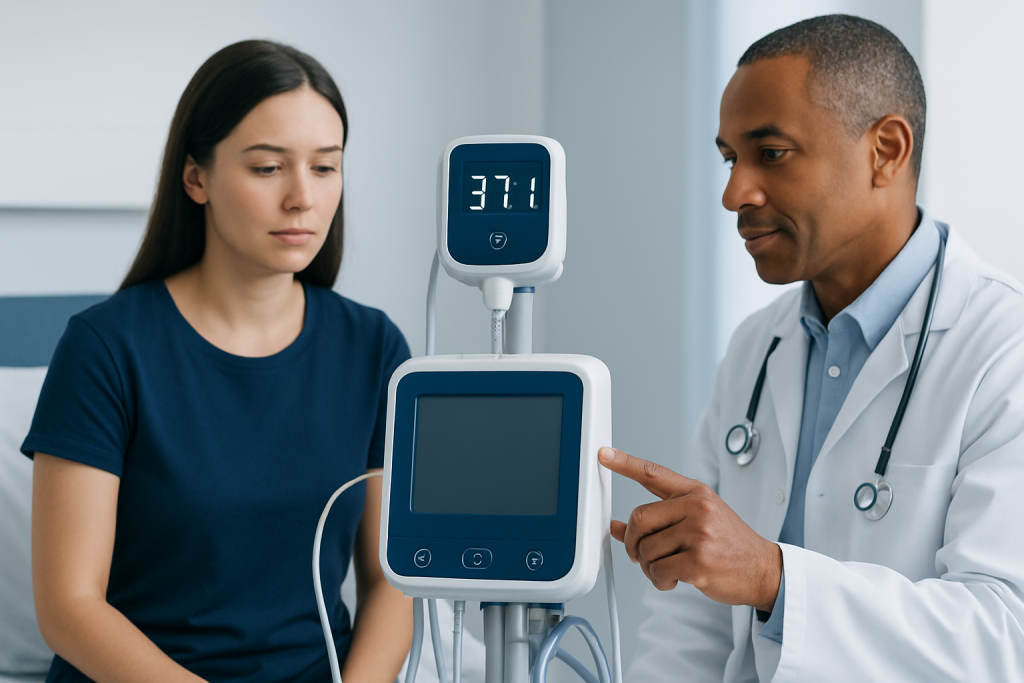
On its own, 37.1°C does not usually point to fever. Many people naturally fluctuate around this level, especially after eating, moving around, feeling warm in a room, or taking a temperature later in the day. Some devices, especially when used in the mouth, under the arm, or on the forehead, may also produce small differences.
Whether a reading matters depends partly on how the person feels. Someone with 37.1°C and no other symptoms may simply be within their usual range. Someone with the same reading plus chills, sore throat, cough, headache, fatigue, or pain may need a broader assessment.
Common signs that deserve attention include:
- Temperature that continues to rise over several readings
- Body aches, cough, congestion, or sore throat
- Shortness of breath or chest discomfort
- Confusion, dehydration, or unusual weakness
- Symptoms that do not improve or that interfere with daily activities
For international patients, it can be useful to write down the time, method of measurement, and any symptoms before seeking help. That record helps a clinician interpret the reading more accurately.
Causes and risk factors

A temperature of 37.1°C can happen for many ordinary reasons. Physical activity, warm weather, a hot meal, stress, hormonal changes, and even the timing of the measurement can cause a small increase without indicating illness. In many people, body temperature naturally rises later in the day and is lower in the morning.
Measurement technique also matters. An oral reading may differ from a forehead or armpit reading, and devices are not all calibrated in exactly the same way. A value that seems slightly high with one method may look completely ordinary with another.
Some situations make it more important to pay attention to a low-grade rise in temperature. These include recent surgery, pregnancy, immune system problems, chronic illness, exposure to contagious infections, or travel where access to follow-up care may be limited. In these settings, even modest changes may deserve a professional opinion if they persist or are accompanied by symptoms.
How temperature is measured and interpreted
There is no single universal body temperature that fits everyone. The often-quoted 37°C, or 98.6°F, is a reference point, not a rigid rule. Many healthy people sit a little above or below that number during the day.
Different measurement sites can produce different results. Oral measurements tend to be closer to core temperature than armpit readings, while forehead readings may be influenced by sweat, ambient temperature, or how the device is positioned. For that reason, it is best to use the same device and method when tracking changes over time.
Context also helps distinguish a meaningful trend from a one-off number. A person whose readings gradually rise from 36.6°C to 37.1°C to 37.5°C over a few hours may need more attention than someone whose temperature briefly reaches 37.1°C after walking in the sun. The pattern often matters more than the single value.
Diagnosis and when further assessment is needed
When a healthcare professional evaluates a temperature concern, the first step is usually to ask how and when the reading was taken, whether symptoms are present, and whether there has been recent exposure to illness. A temperature of 37.1°C alone often does not require extensive testing, especially if the person feels well.
If symptoms suggest infection or another medical condition, a doctor may recommend an examination and, depending on the situation, blood tests, urine tests, throat swabs, or imaging. The goal is not to chase the number itself but to understand what is causing it.
For patients who are traveling or receiving care internationally, clear communication about recent medications, vaccination status, prior illnesses, and symptom timing is especially helpful. Bringing any home temperature records can make the consultation more efficient and precise.
Treatment options
There is no treatment for 37.1°C itself because it is a measurement, not a disease. If the temperature is simply part of a normal daily pattern, reassurance and observation may be all that is needed. When a medical issue is present, treatment depends entirely on the cause.
For an infection, management may involve rest, fluids, and targeted medical therapy based on the diagnosis. For non-infectious causes such as inflammation, heat exposure, or medication effects, the clinician may recommend different steps. Fever-reducing medicines are not automatically necessary for a mild reading, especially if the person feels comfortable.
In many cases, the safest plan is to monitor symptoms and repeat the temperature later using the same method. If the reading continues upward, or if the person feels worse, medical review becomes more important than the exact Fahrenheit conversion.
Prevention and self-care
People cannot always prevent a mild temperature rise, but they can support the body’s normal regulation. Rest, hydration, light clothing, and avoiding overheating can help when the environment is warm or when a person has been physically active. Taking the temperature after a few minutes of rest can also reduce misleading readings.
Simple self-care measures are often appropriate when there are no concerning symptoms. These may include drinking fluids, monitoring the temperature at regular intervals, and paying attention to how the person feels rather than focusing on a single number. If travel is involved, keeping the thermometer, charger, batteries, and a written symptom log handy can reduce stress.
Helpful habits include:
- Using the same thermometer and method for follow-up readings
- Avoiding hot or cold drinks immediately before an oral check
- Waiting after exercise before rechecking temperature
- Recording any new symptoms, medicines, or exposures
If the person is recovering from an illness or procedure abroad, arranging follow-up before returning home can make it easier to interpret changes and stay on track.
When to see a doctor
Medical advice is sensible if a mild temperature rise is persistent, unexplained, or paired with other symptoms. A reading of 37.1°C alone is usually not urgent, but ongoing fever, worsening discomfort, or a person who seems unwell should not be ignored.
It is wise to seek prompt medical assessment if there is difficulty breathing, chest pain, confusion, severe dehydration, fainting, a stiff neck, or a rapidly rising temperature. Young children, older adults, pregnant people, and those with weakened immunity may need earlier evaluation for even modest changes.
For international patients, a coordinated approach can be helpful when deciding whether to travel, postpone a flight, or seek care locally. Acibadem Health Point notes that its multidisciplinary specialists and JCI-accredited hospitals diagnose and treat a wide range of health concerns for international patients, including temperature-related symptoms that need medical review.
In all cases, a qualified doctor is the best source for interpreting temperature in the context of the whole person, not just the number on the screen.
Frequently asked questions
What is 37.1 C in Fahrenheit?
37.1°C equals 98.78°F. This is a straightforward unit conversion and is close to typical normal body temperature for many adults.
Is 37.1°C considered a fever?
Usually, no. By itself, 37.1°C is generally not considered a fever, especially if the person feels well and the reading was taken correctly.
Why can body temperature vary during the day?
Body temperature naturally changes with activity, meals, hormones, room temperature, and the time of day. Many people are a little cooler in the morning and warmer later on.
Should someone take medicine for 37.1°C?
Not usually, if there are no troubling symptoms. Medicines are generally considered based on how the person feels and the underlying cause, not the number alone.
Which thermometer method is most reliable?
The most reliable method depends on the person and the device, but oral readings often reflect core temperature more closely than armpit readings. The key is to use the same method consistently when tracking changes.
When should a doctor be contacted about a mild temperature rise?
A doctor should be contacted if the temperature keeps rising, symptoms worsen, or the person is in a higher-risk group such as a young child, pregnant person, older adult, or someone with a weakened immune system.
References
- World Health Organization
- Centers for Disease Control and Prevention
- Mayo Clinic
- National Health Service
- Cleveland Clinic
This article is for general information only and is not a substitute for professional medical advice. Please consult a qualified doctor about your individual situation.